
A World of Stories
Resources for Teachers
Classroom-ready moral stories and teaching articles—fables, honesty tales, and discussion prompts for assemblies and lessons.
Moral stories in the classroom
Short moral stories fit assemblies, advisory blocks, and literacy lessons. They give every student the same text for discussion, making character education concrete instead of abstract.
Values, comprehension, and reflection
Use a story twice: first for reading comprehension (sequence, vocabulary), then for ethics (choices, harm, repair). Resources like two-minute assembly stories and educational story articles suggest pacing; the classroom list below is fiction tagged for teachers.
Open questions work better than single correct answers: Who was affected? What could they say to make things right? Invite brief pair-share before whole-class debrief.
Character education without extra prep
You do not need a long unit plan for every tale. One story plus three questions can anchor a Monday morning. Rotate themes—honesty, teamwork, courage—using collections such as kindness moral stories when you want a thematic month.
For follow-up activities, the Kids Activity Zone offers printable puzzles and coloring tied to values—useful for early finishers after a read-aloud.
Classroom stories
51 stories in this audience collection.

The Bamboo Cutter's Honest Promise: A Traditional Japanese Moral Story for Kids
The Bamboo Cutter's Honest Promise Long ago, in a quiet village nestled at the foot of Japan’s misty green mountains,…

The Apology That Came Late: A Story for Teens About Pride, Forgiveness, and Repair
The Apology That Came Late Jamie slumped in the back row of the school bus, pressing her forehead to the cool glass.…
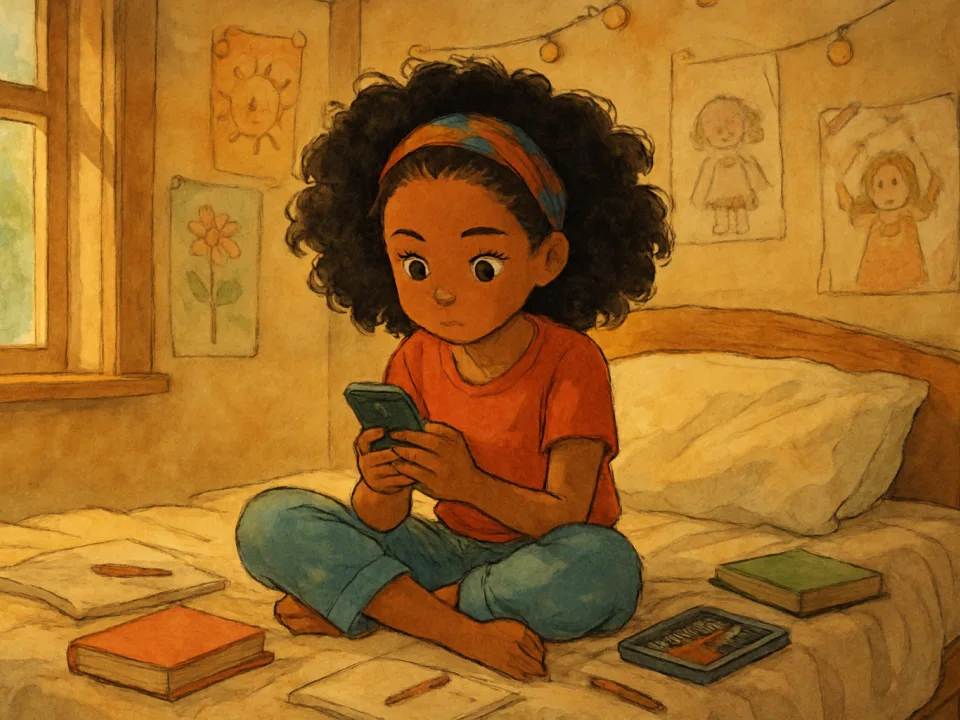
The Filtered Mirror: A Short Story for Pre-Teens About Self-Worth and Body Confidence
The Filtered Mirror Amira had always loved the golden hour—the moment after school when the sun painted her bedroom…
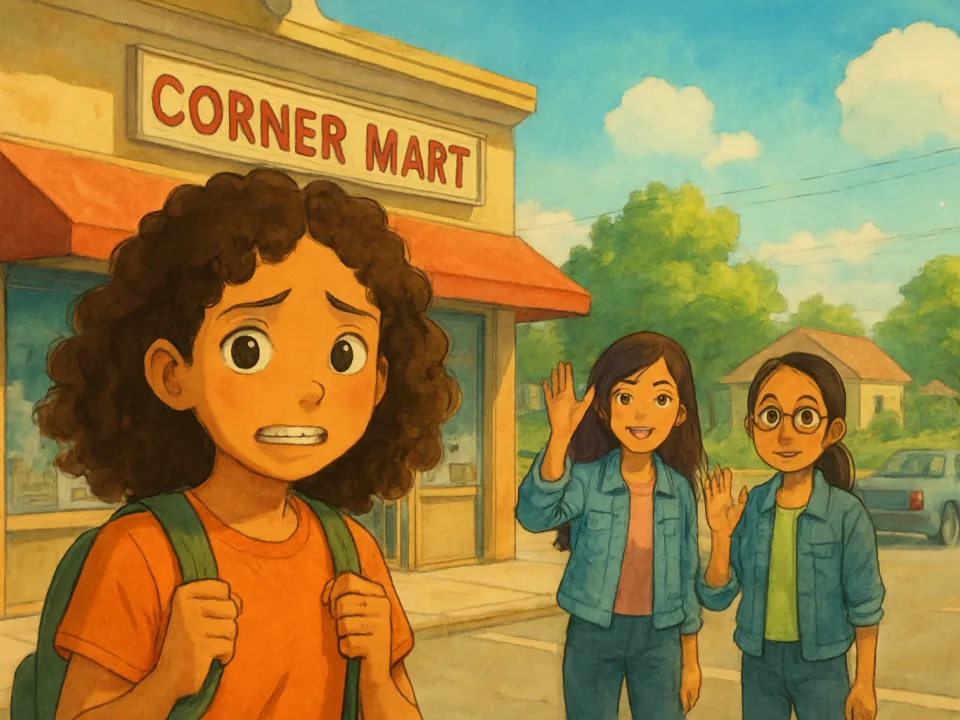
The Shoplifting Test: A Moral Dilemma Story About Choosing Real Friends
The Shoplifting Test Mia Jennings stood by the entrance of Corner Mart, gripping the straps of her canvas backpack.…
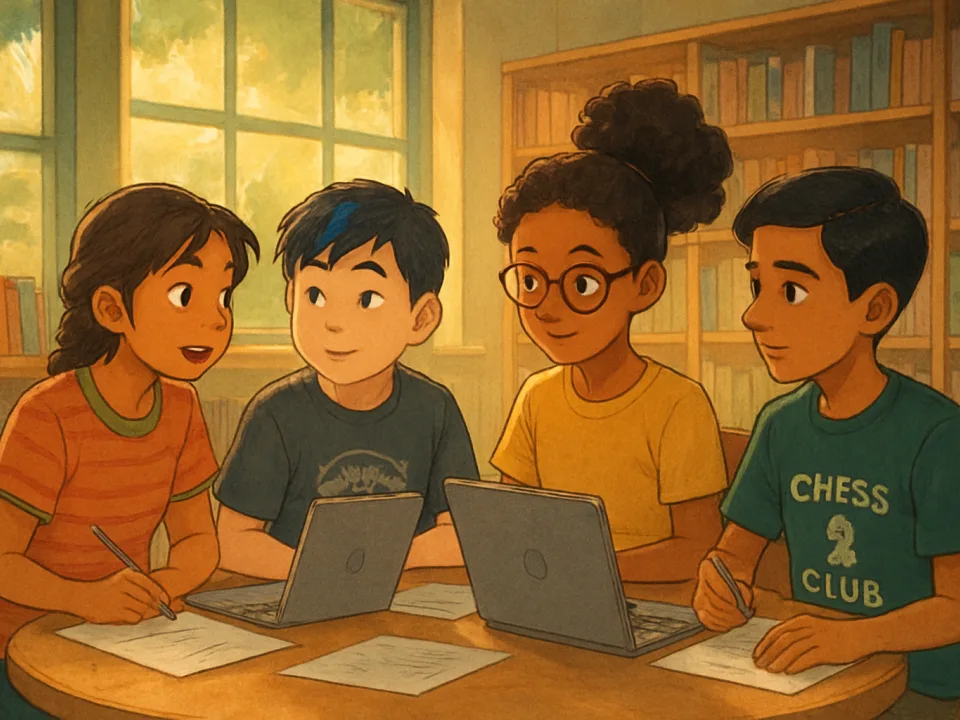
The Group Project Ghost: A Realistic Story About Accountability and Teamwork
The Group Project Ghost Eighth grade at Northside Middle School was supposed to be the year of independence. Or so…
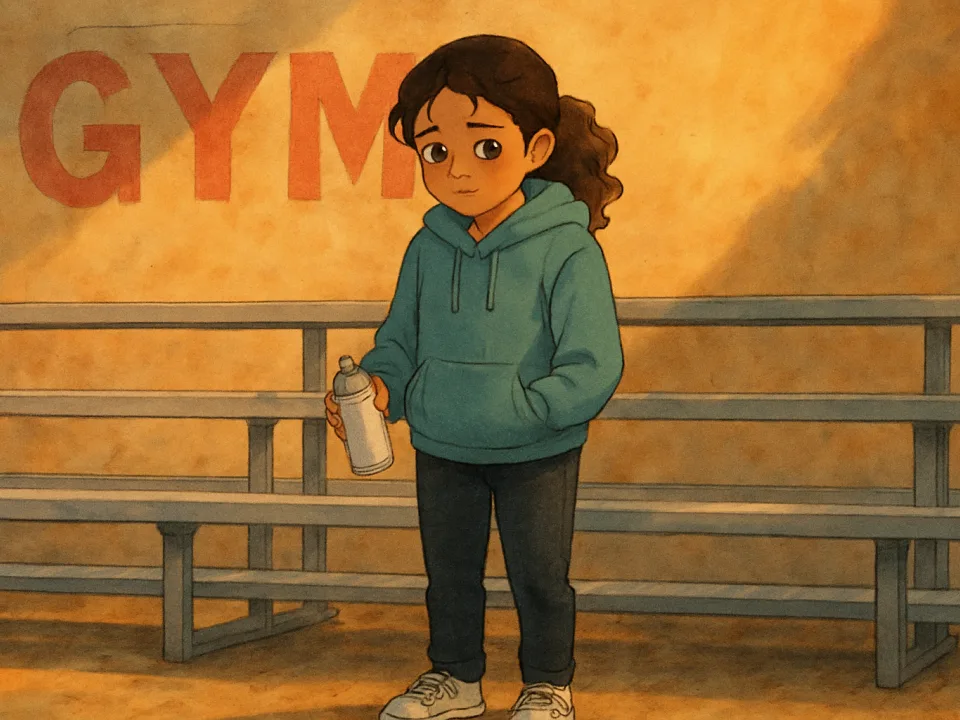
The Dare Behind the Bleachers: A Short Story About Saying No to Peer Pressure
The Dare Behind the Bleachers The golden rays of the autumn sun filtered through the chain-link fences, casting a soft,…

Sneakers or Savings? A Moral Story for Tweens About Peer Pressure and Smart Money Habits
Sneakers or Savings? A Moral Story for Tweens About Peer Pressure and Smart Money Habits Jaden Martinez walked through…
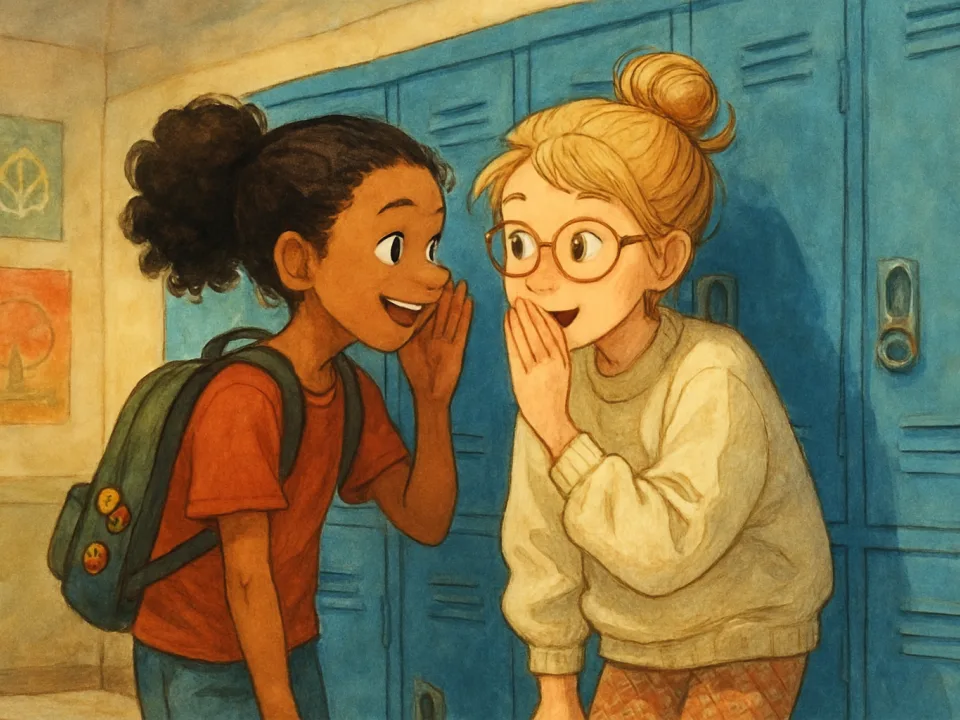
The Rumor in Hallway B: A Middle-School Story About Gossip, Truth, and Loyalty
The Rumor in Hallway B The first bell at Lincoln [Middle School](/blog/back-to-school-stories-about-making-friends/)…
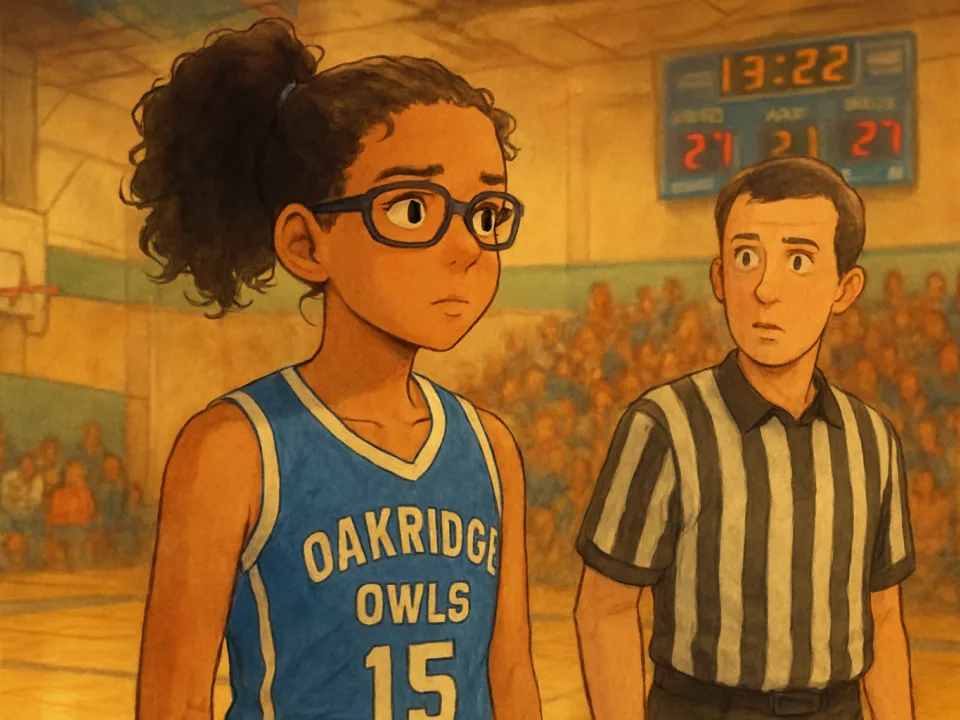
The Out-of-Bounds Call: A Sports Ethics Story for Teens About Fair Play Over Winning
The Out-of-Bounds Call: A Sports Ethics Story for Teens About Fair Play Over Winning Mia’s heart hammered as the…
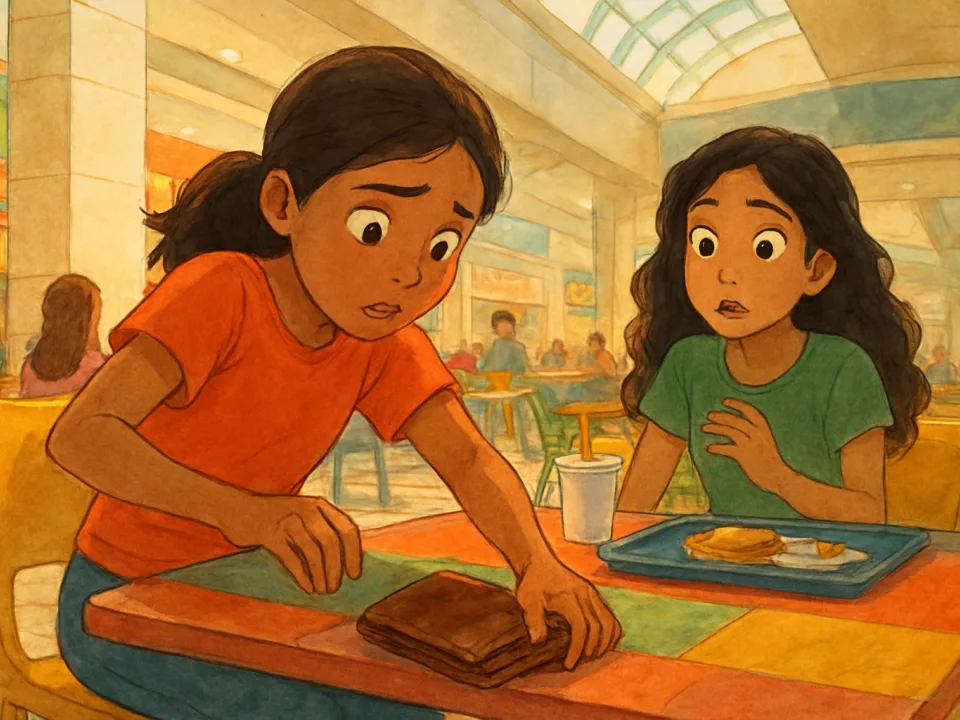
The Lost Wallet at the Mall: A Short Story About Integrity When Nobody Is Watching
The Lost Wallet at the Mall Maya Patel hummed a lively tune as she strolled through the gleaming halls of Crestview…
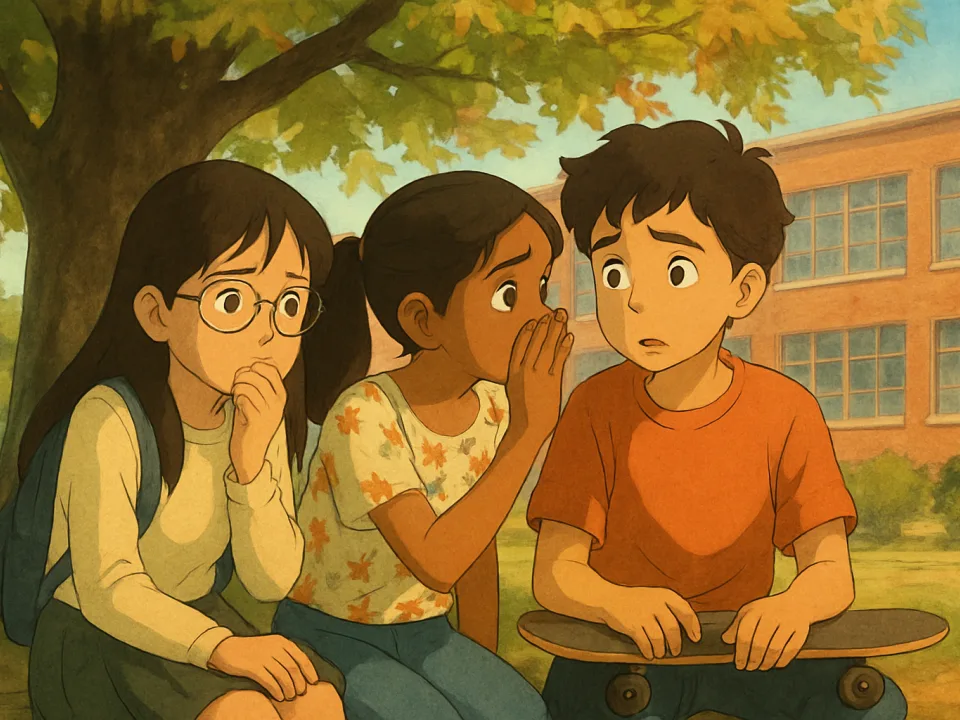
The Leaked Answer Key: A Moral Story for Tweens About Academic Honesty and Cheating
The Leaked Answer Key Spring at Willowbrook [Middle School](/blog/back-to-school-stories-about-making-friends/) brought…
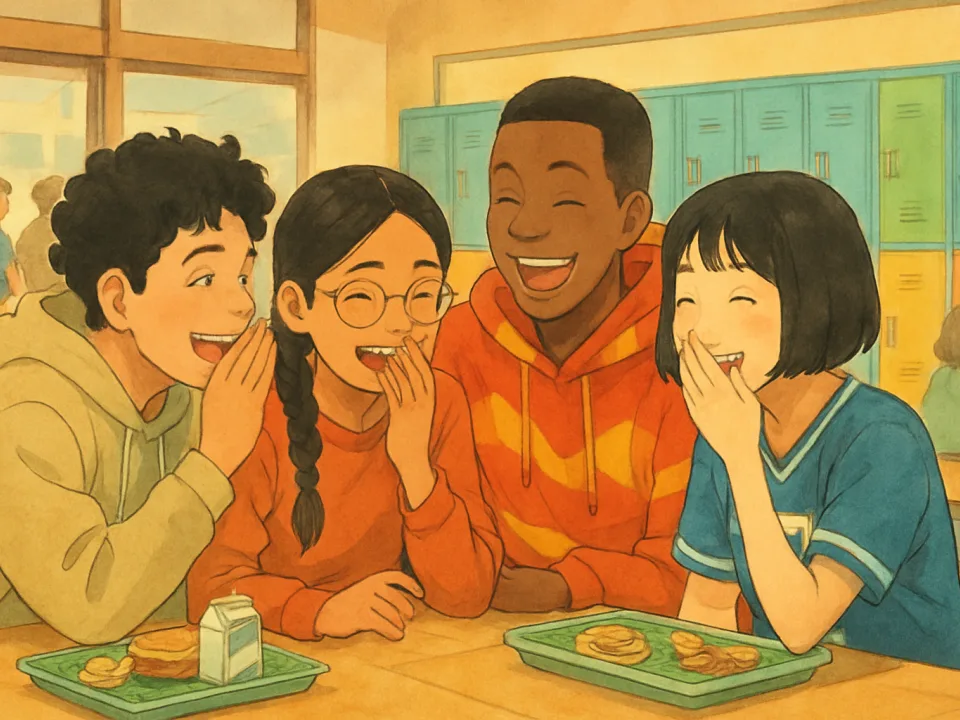
The Viral Prank: A Moral Story for Tweens About Digital Footprints and Consequences
The Viral Prank It was the Friday before Spring Break at Maple Hill [Middle…

The Fake Profile Mystery: A Story Teaching Pre-Teens How to Spot Online Scams
The Fake Profile Mystery Maya Patel sat cross-legged on her bed, phone in hand, a soft glow warming her room. The…
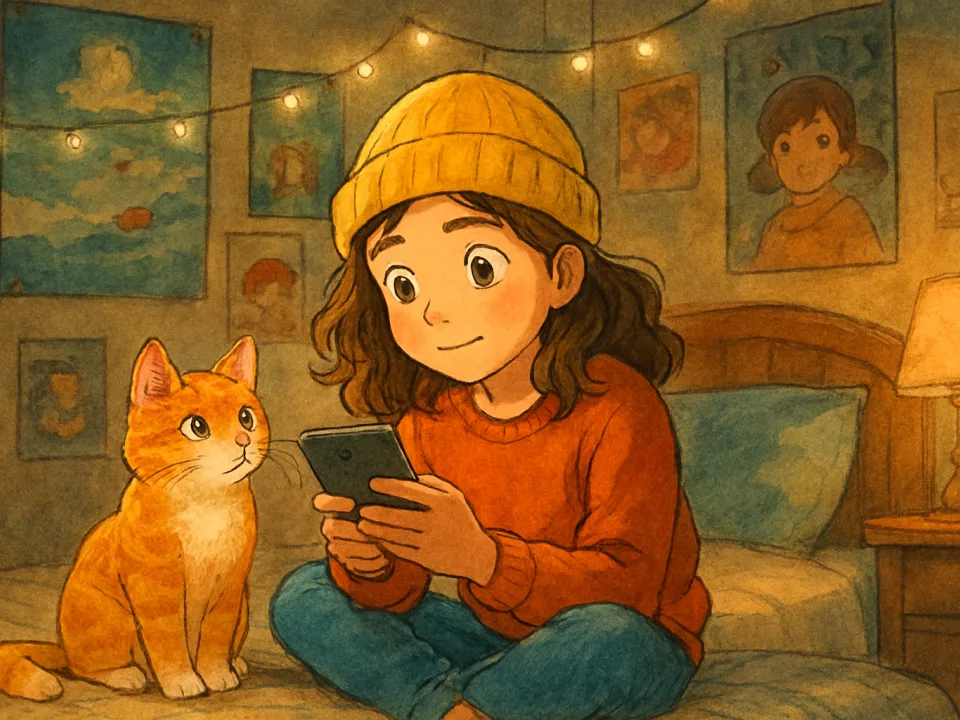
When the Likes Stopped: A Modern Moral Story About Social Media Validation for Tweens
When the Likes Stopped: A Modern Moral Story About Social Media Validation for Tweens Ella Roberts wasn’t the most…

The Password Secret: A Story Teaching Kids Online Safety and Digital Privacy
The Password Secret: A Story Teaching Kids Online Safety and Digital Privacy Maya Patel sat at her bedroom desk, her…

The Group Chat Trap: A Short Story About Cyberbullying and Online Kindness
The Group Chat Trap Maya's phone buzzed on the kitchen counter, lighting up with a new notification. She glanced at the…
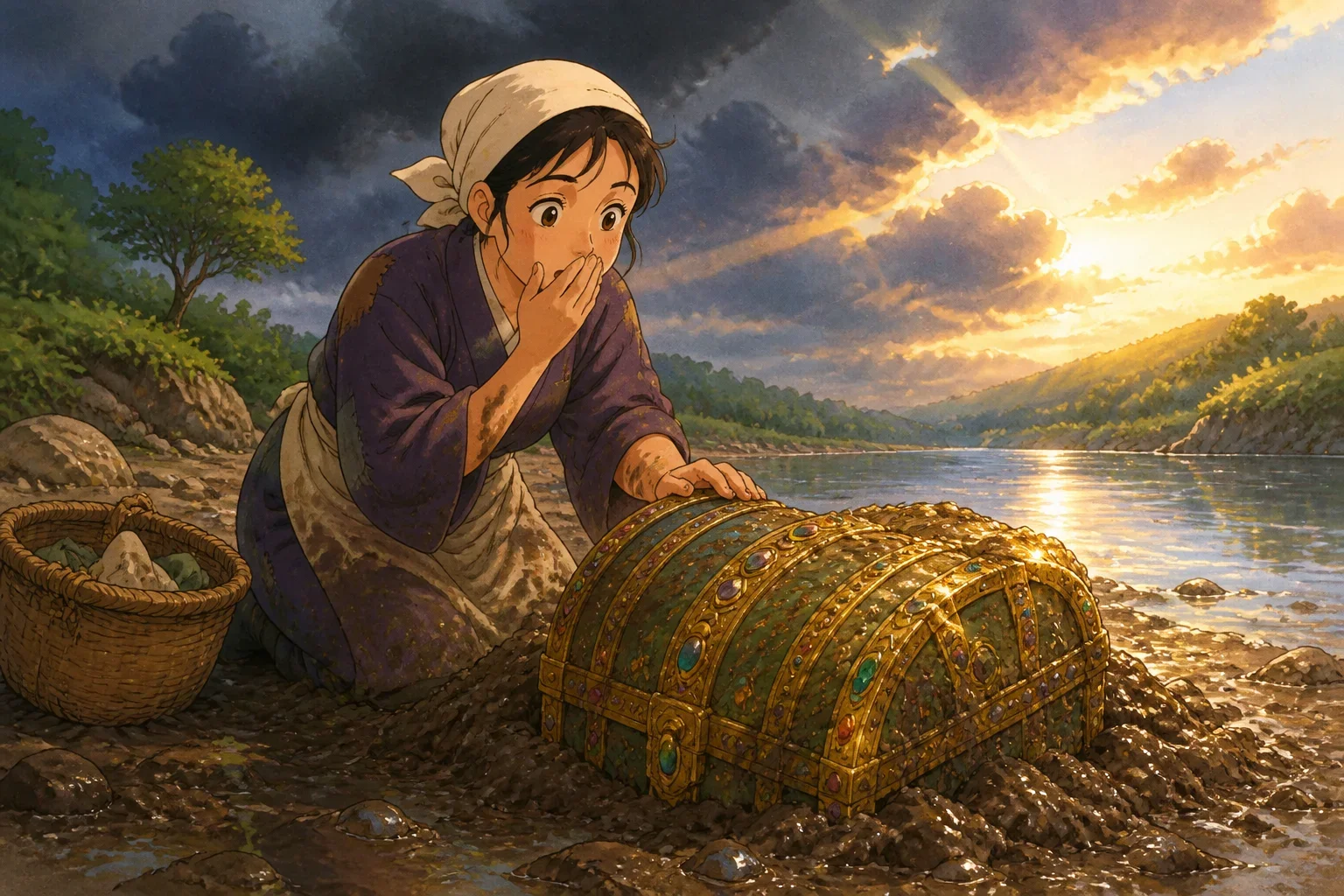
The Honest Widow and the Lost Treasure Story| A Moral Tale
The Honest Widow and the Lost Treasure On the edge of a small village, where willow trees leaned over a silver river…

Honest Woodcutter and the Magic Basket | Moral Story on Kindness
The Honest Woodcutter and the Magic Basket On the edge of Willow Creek, where the river flashed like silver ribbons and…

The Dog and His Reflection Story: A Short Moral Tale
The Dog and His Reflection On a warm afternoon in a little village, a hungry dog trotted along the dusty road with a…

The Fox and the Crow: A Clever Aesop Fable for Kids
The Fox and the Crow On a warm golden afternoon, when the forest leaves shimmered like tiny green mirrors, a crow flew…

The Thirsty Crow Story: A Clever Aesop Fable for Kids
The Thirsty Crow The sun hung over the fields like a golden fire, and by midday even the wind seemed too tired to move.…

The Fox and the Grapes Story: Aesop’s Famous Moral Tale
The Fox and the Grapes On a hot afternoon, when the fields shimmered and even the crickets sounded sleepy, a hungry fox…
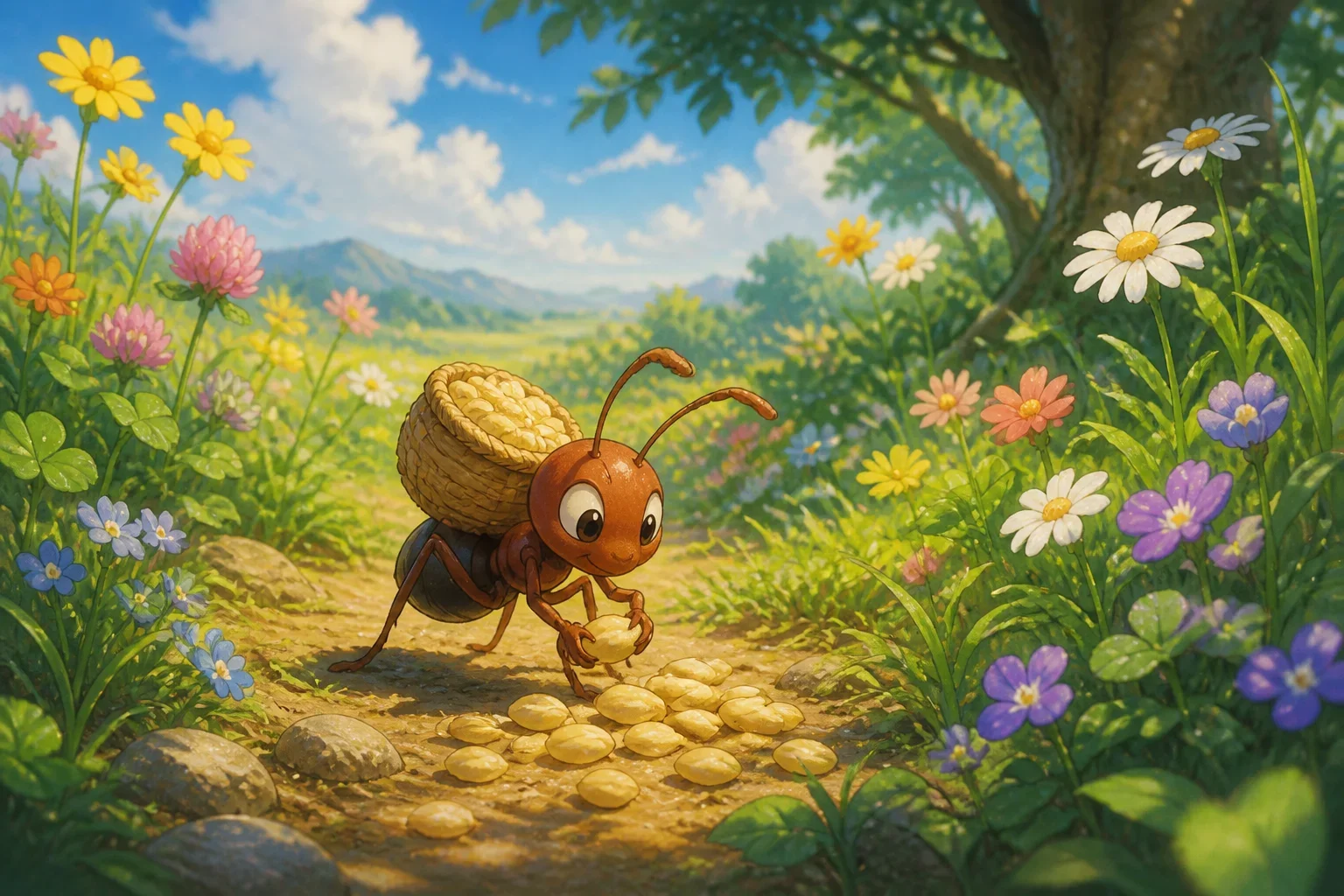
Ant and Grasshopper Story for Kids: A Famous Aesop Fable
The Ant and the Grasshopper On the brightest edge of summer, when the meadow hummed like a song, a tiny ant hurried…
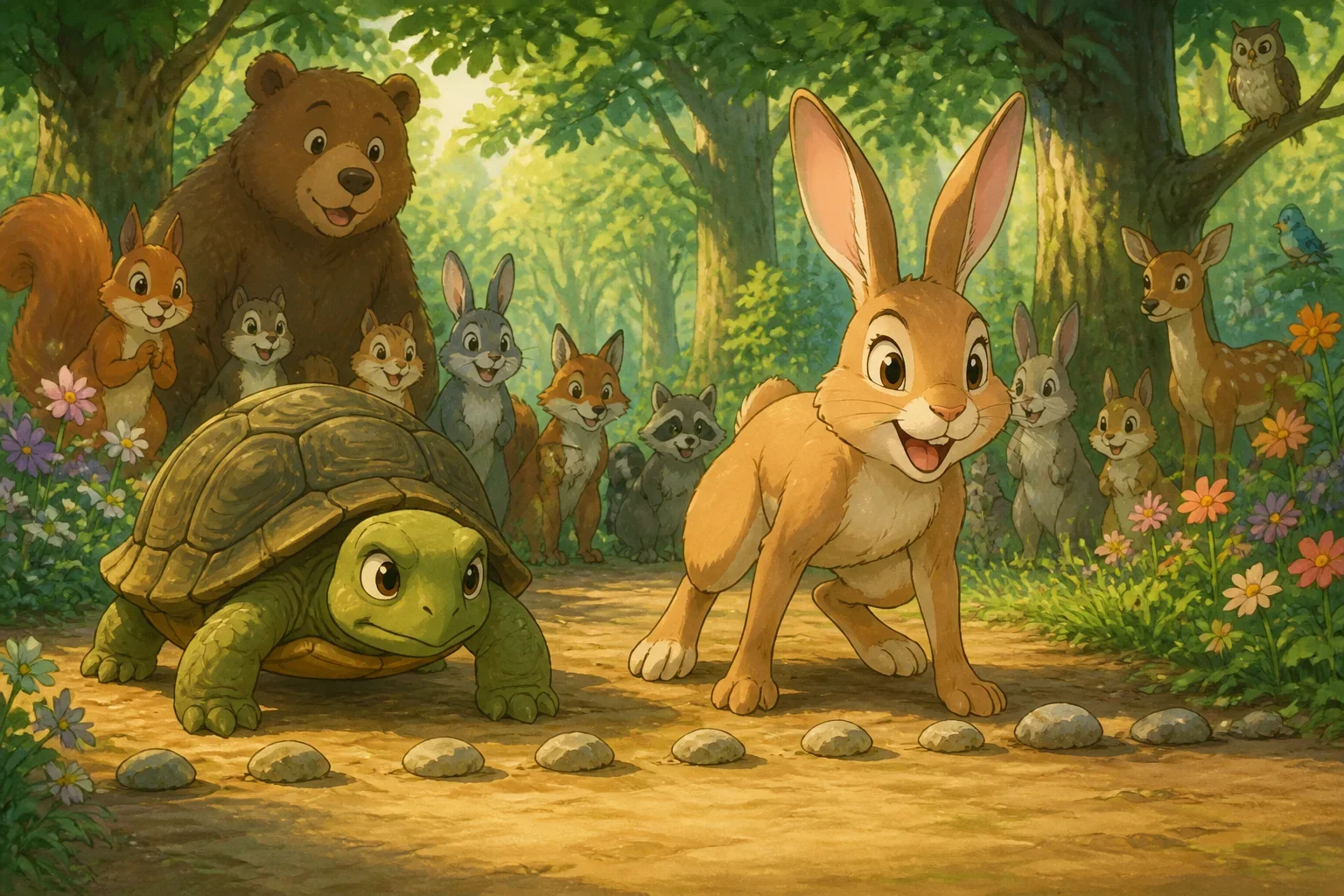
The Tortoise and the Hare Story: Slow and Steady Wins
The Tortoise and the Hare On the edge of a green woodland, where clover scented the breeze and bees hummed over…

Goose That Laid the Golden Eggs | Aesop Moral on Greed
The Goose That Laid the Golden Eggs On the edge of a quiet village, where smoke curled from chimney tops each evening…
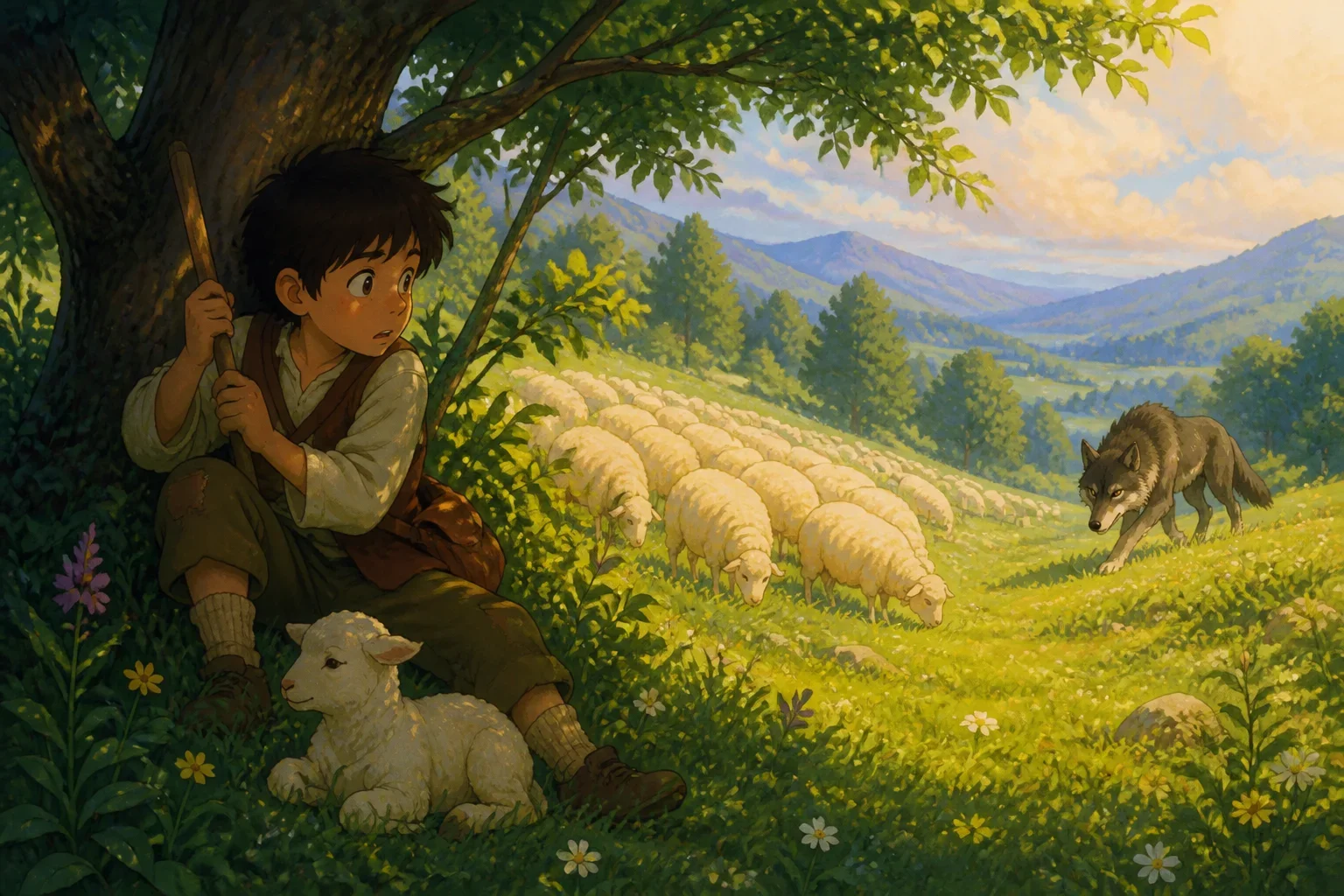
The Boy Who Cried Wolf Story| A Tale About Honesty
The Boy Who Cried Wolf: A Powerful Moral Story for Kids High on a green hillside above a quiet village, a shepherd boy…
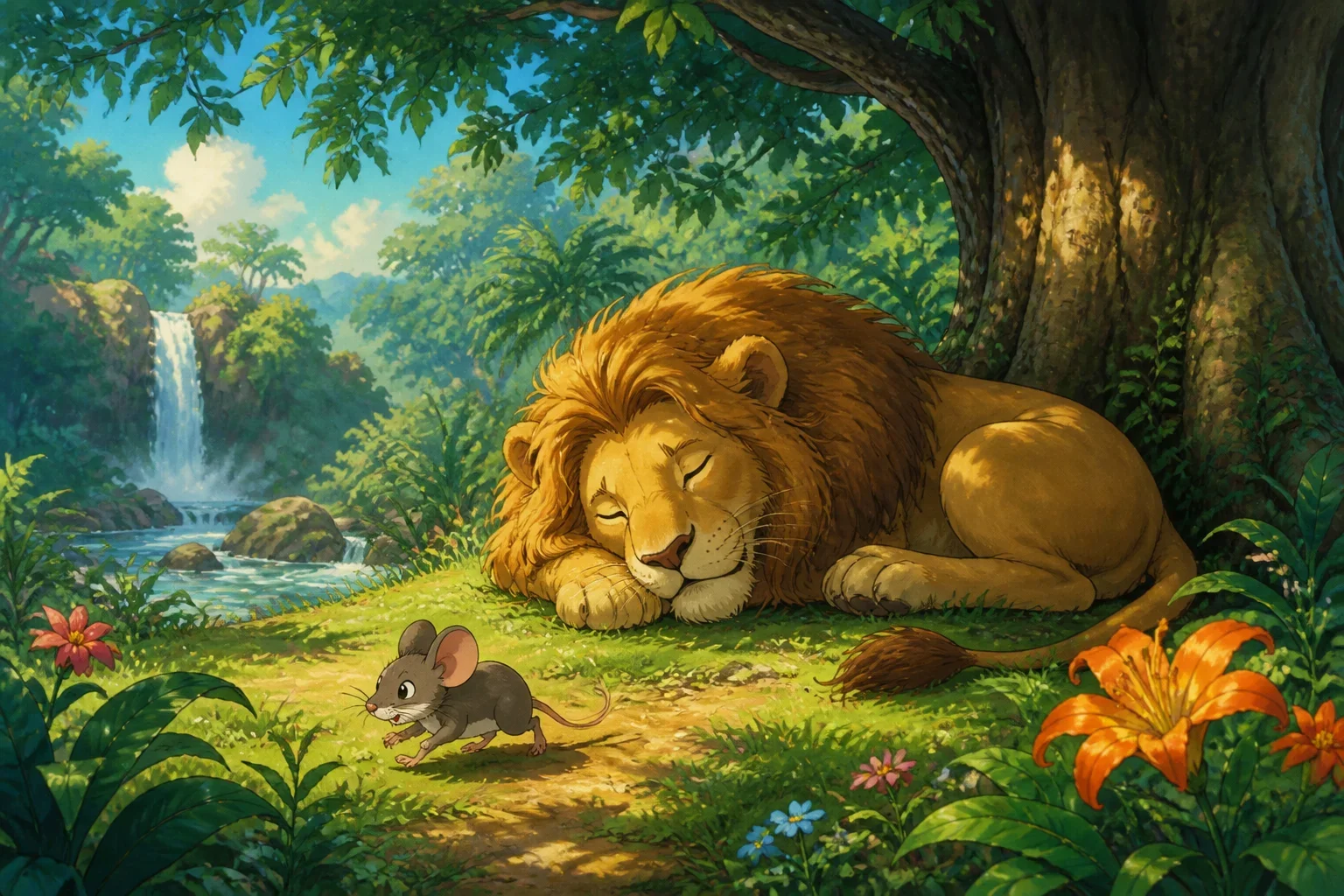
The Lion and the Mouse Story: A Gentle Act, a Great Rescue
The Lion and the Mouse Story In the hottest part of the afternoon, when even the parrots had stopped chattering and the…
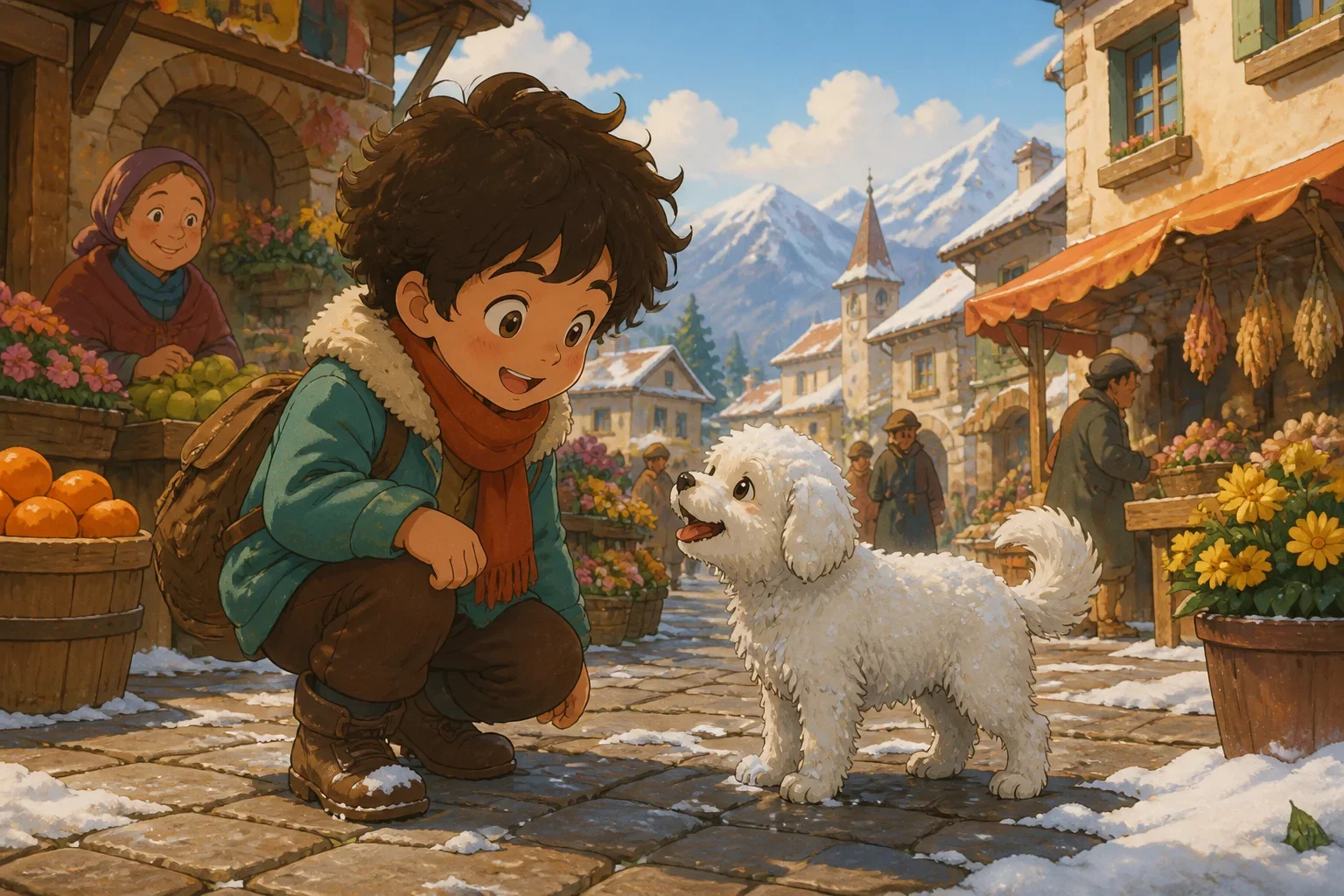
Loyal Dog in the Rain: A Moral Story About Loyalty
The Loyal Dog in the Rain The rain began with a whisper. It tapped lightly on the windows of Timmy’s cottage, then…
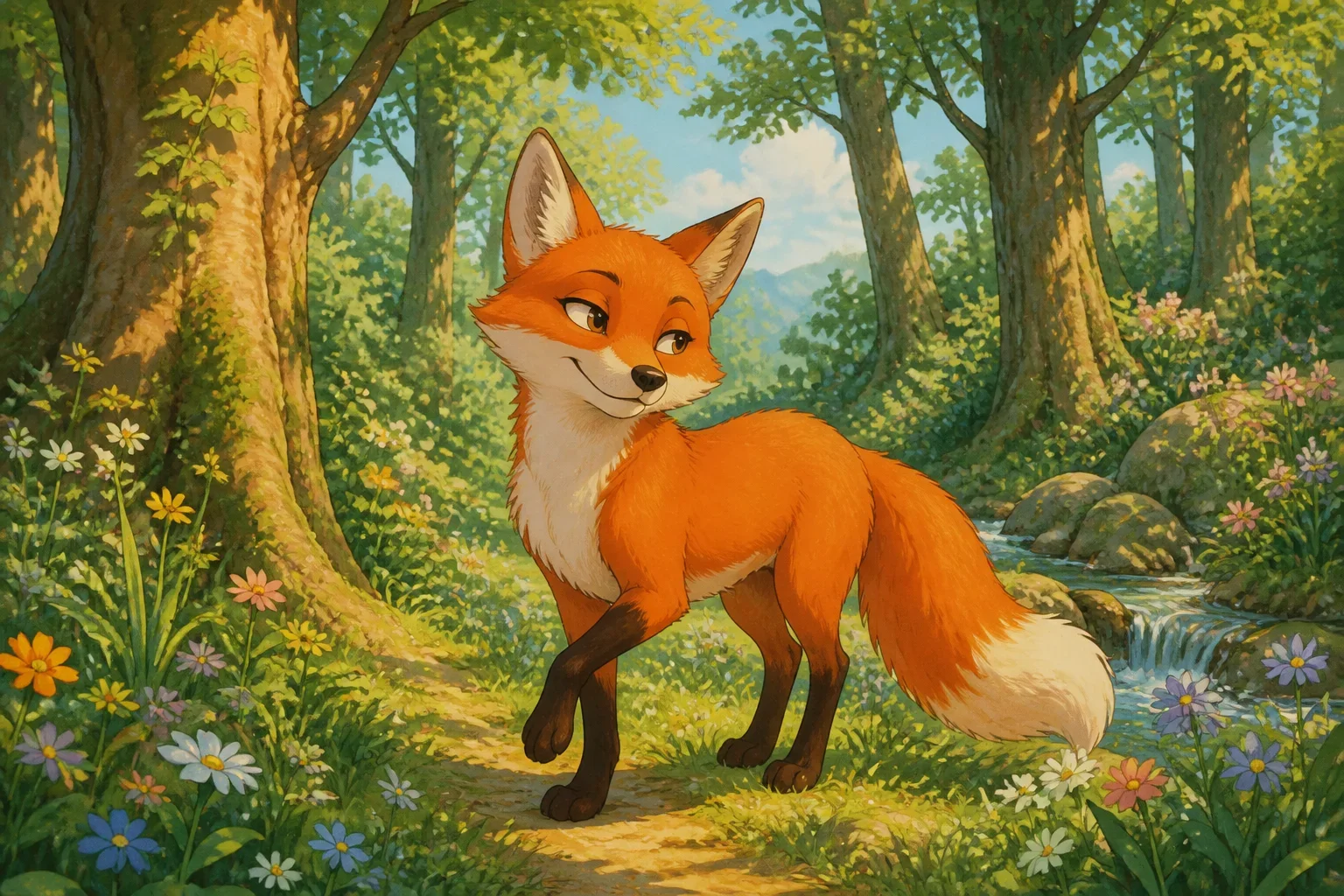
Felix the Greedy Fox | Moral Story About Sharing
Felix the Greedy Fox In the greenest corner of Whimsy Forest, where fern leaves curled like little fists and sunbeams…
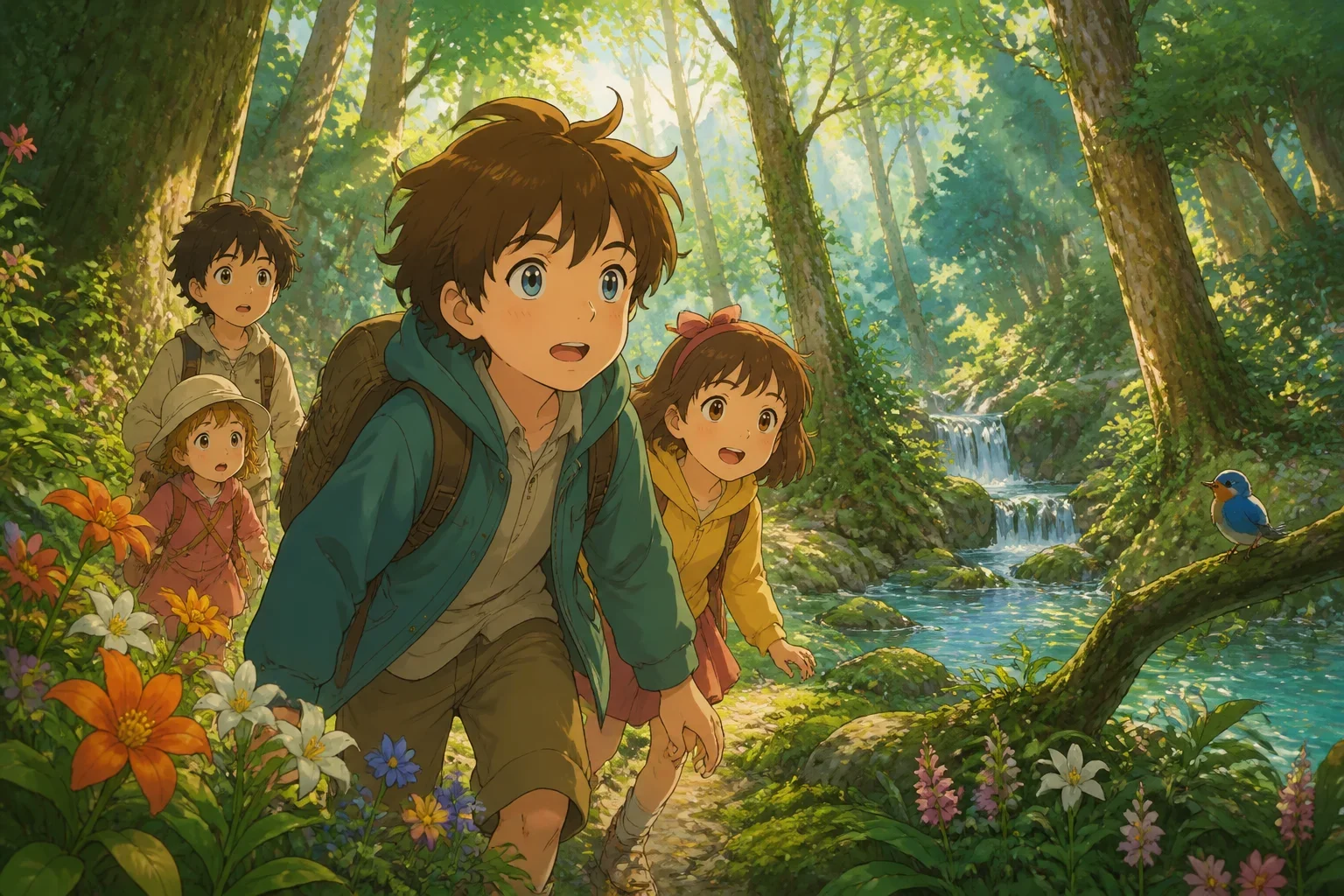
Boy Who Learned Honesty| A Magical Honesty Story for Kids
The Boy Who Learned Honesty the Hard Way Mark was the kind of boy who could make a whole group laugh before breakfast.…

The Two Crabs Story: A Moral Tale About Acceptance and Being Yourself
The Two Crabs When the tide slipped out each evening, the beach became a shining world of tiny wonders. Pools of…
The Spendthrift and the Swallow Story: Think Before You Act
The Spendthrift and the Swallow There was once a young man who loved spending money as if his purse could never grow…
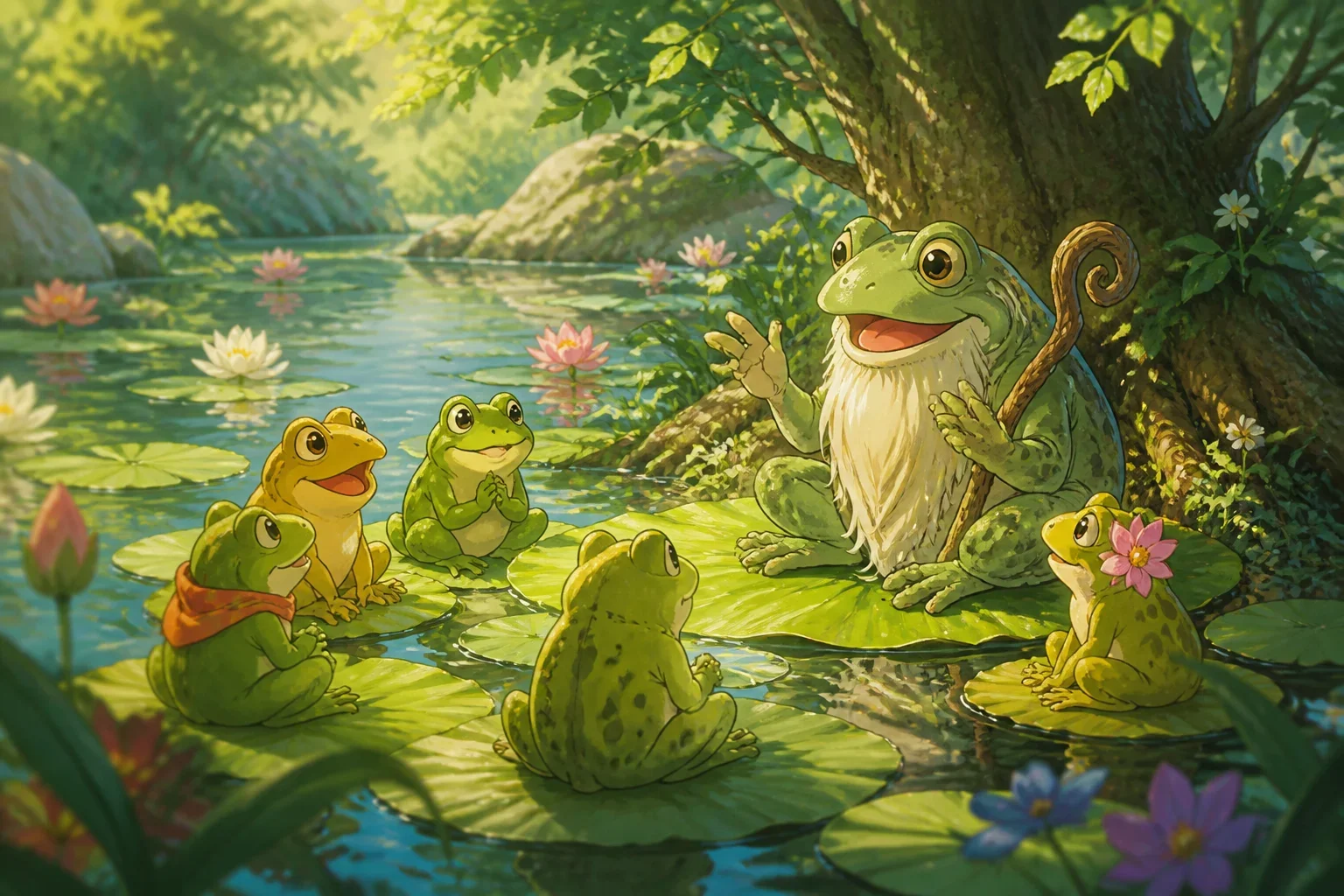
Frogs Who Wanted a King: A Memorable Aesop Fable for Kids
The Frogs Who Wanted a King On the edge of a quiet marsh, where dragonflies stitched silver lines through the air and…
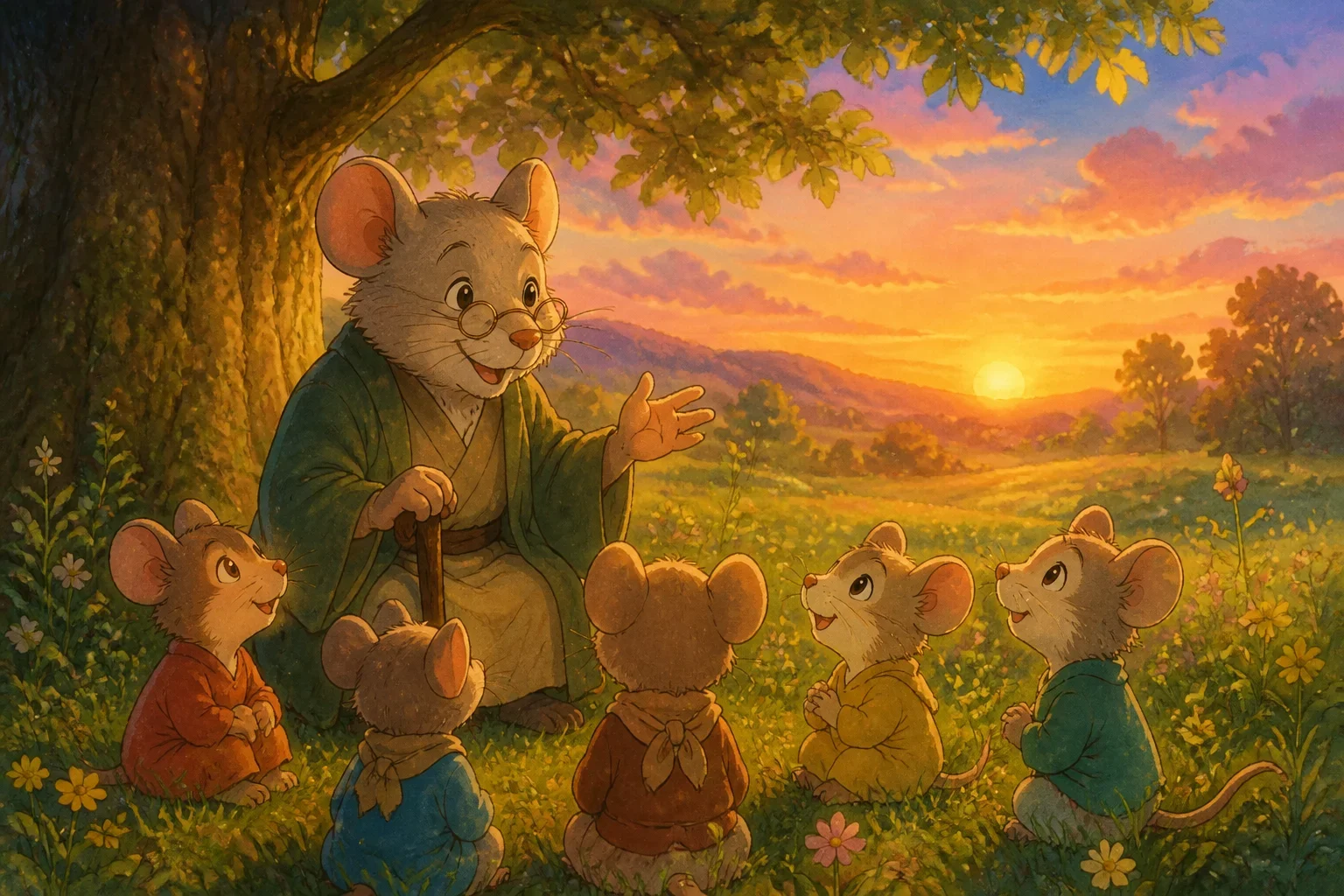
The Clever Cat and the Mice | Moral Story About Trust
The Clever Cat and the Mice: A Lesson in Trust and Caution On the edge of a cheerful village, where laundry flapped on…

The Ass in the Lion’s Skin: A Moral Story About Being Yourself
The Ass in the Lion’s Skin On the edge of a golden field, where tall grass swayed like waves and crickets sang in the…
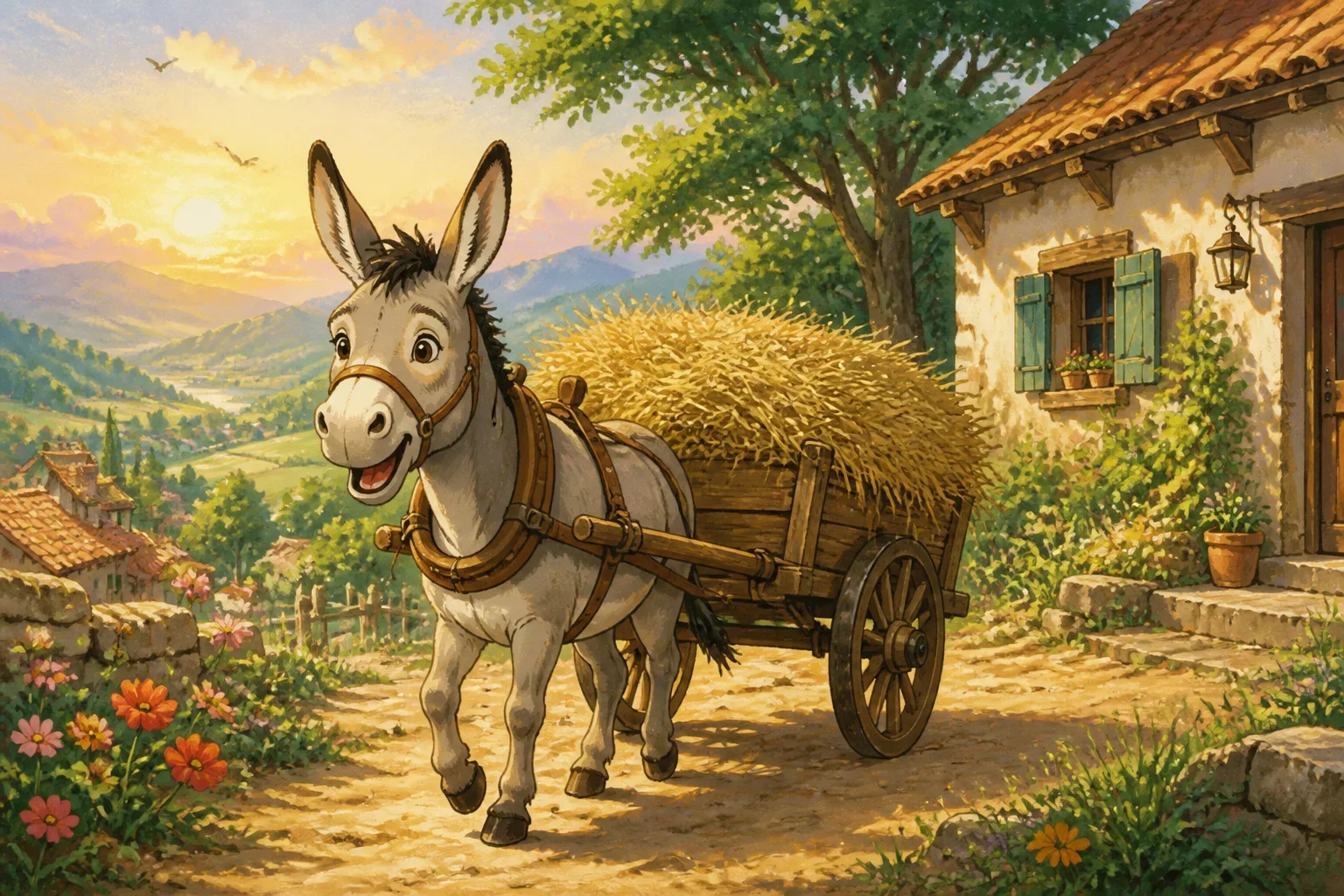
Ass and His Masters: A Classic Aesop Story for Kids
The Ass and His Masters In a dusty little village at the edge of wide brown fields, there lived an ass who was never…
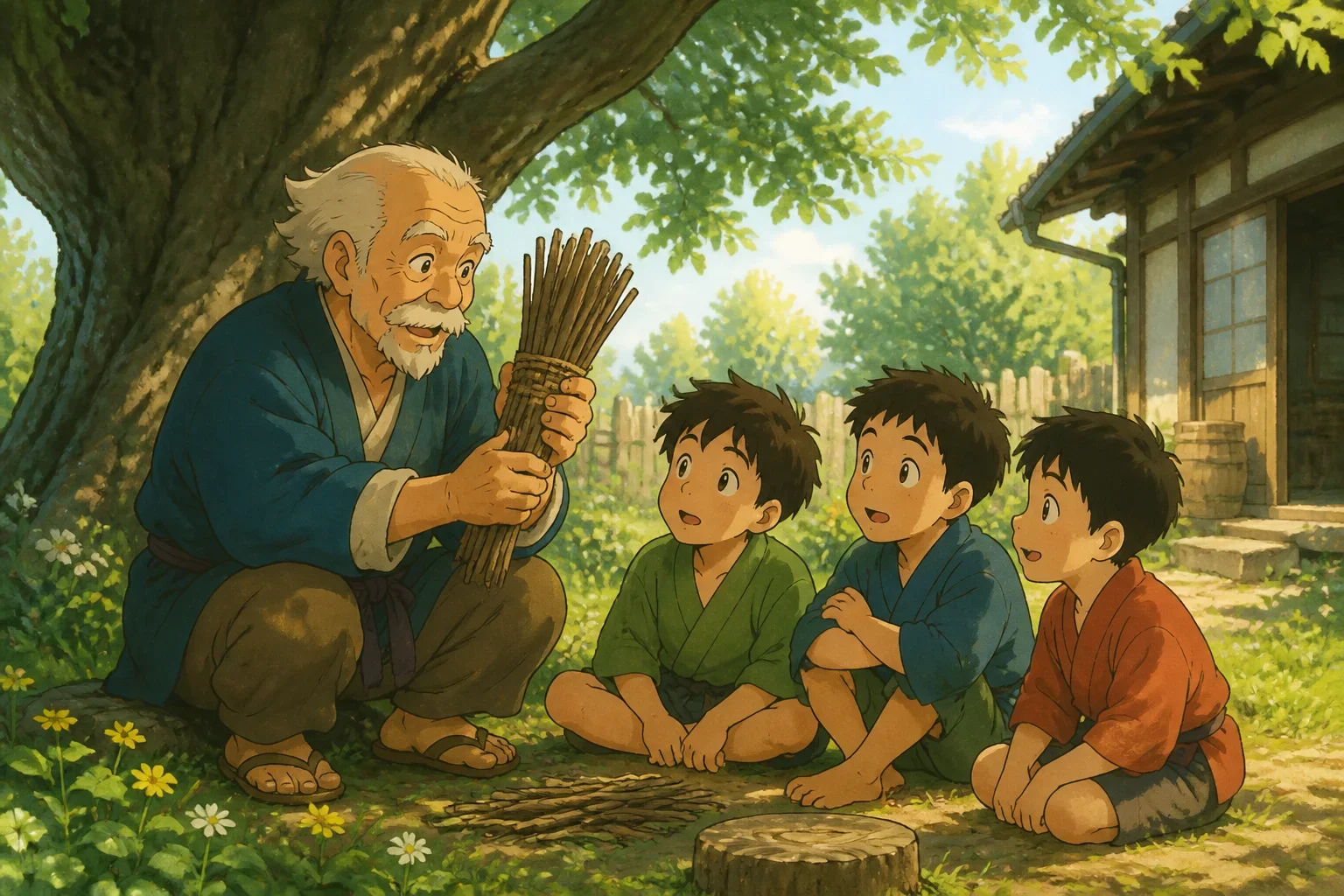
The Bundle of Sticks | Fable About Unity in Strength
The Bundle of Sticks: A Heartwarming Story About Unity and Strength On the edge of a quiet village, where smoke curled…
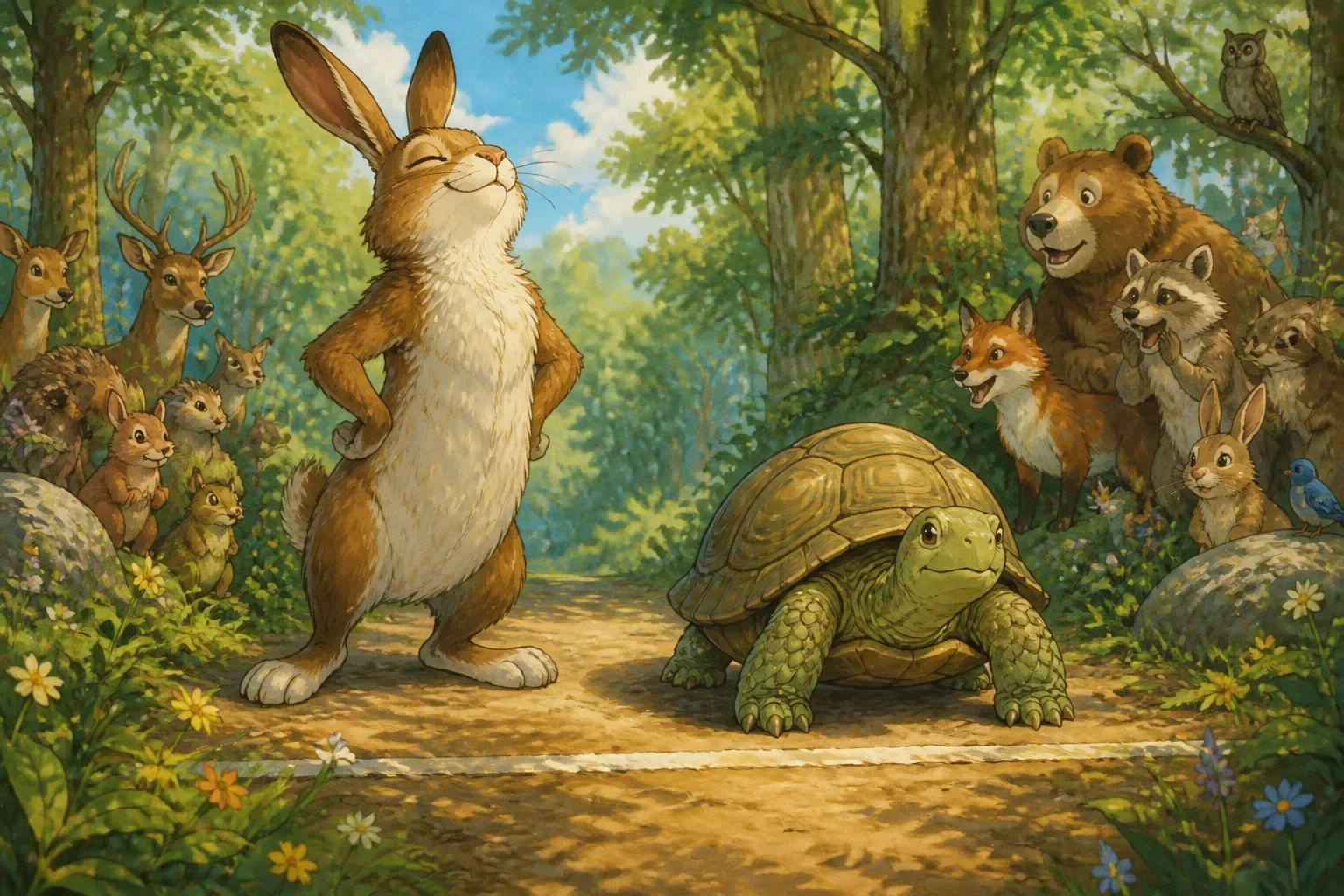
The Tortoise and the Hare Moral Story: An Aesop Fable
The Tortoise and the Hare On the edge of a sunlit meadow, where daisies nodded in the breeze and dragonflies skimmed…

The Fox and the Sour Grapes Story: Aesop’s Moral Tale
The Fox and the Sour Grapes On a hot afternoon, when even the wind seemed too sleepy to move, a hungry fox wandered…
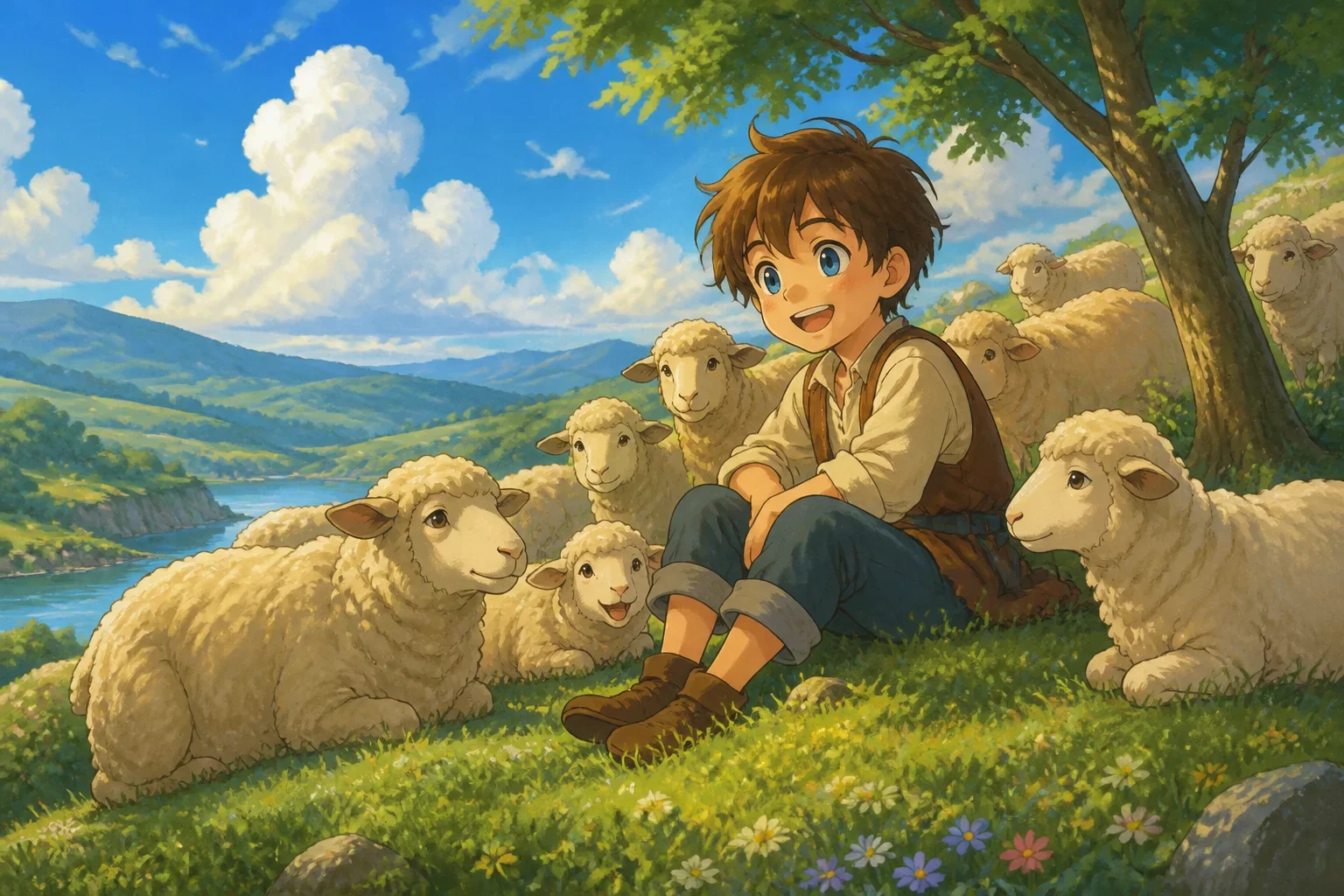
The Boy Who Cried Wolf Story for Kids About Honesty
The Boy Who Cried Wolf On the edge of a quiet village, where the hills rolled like green blankets and the wind combed…
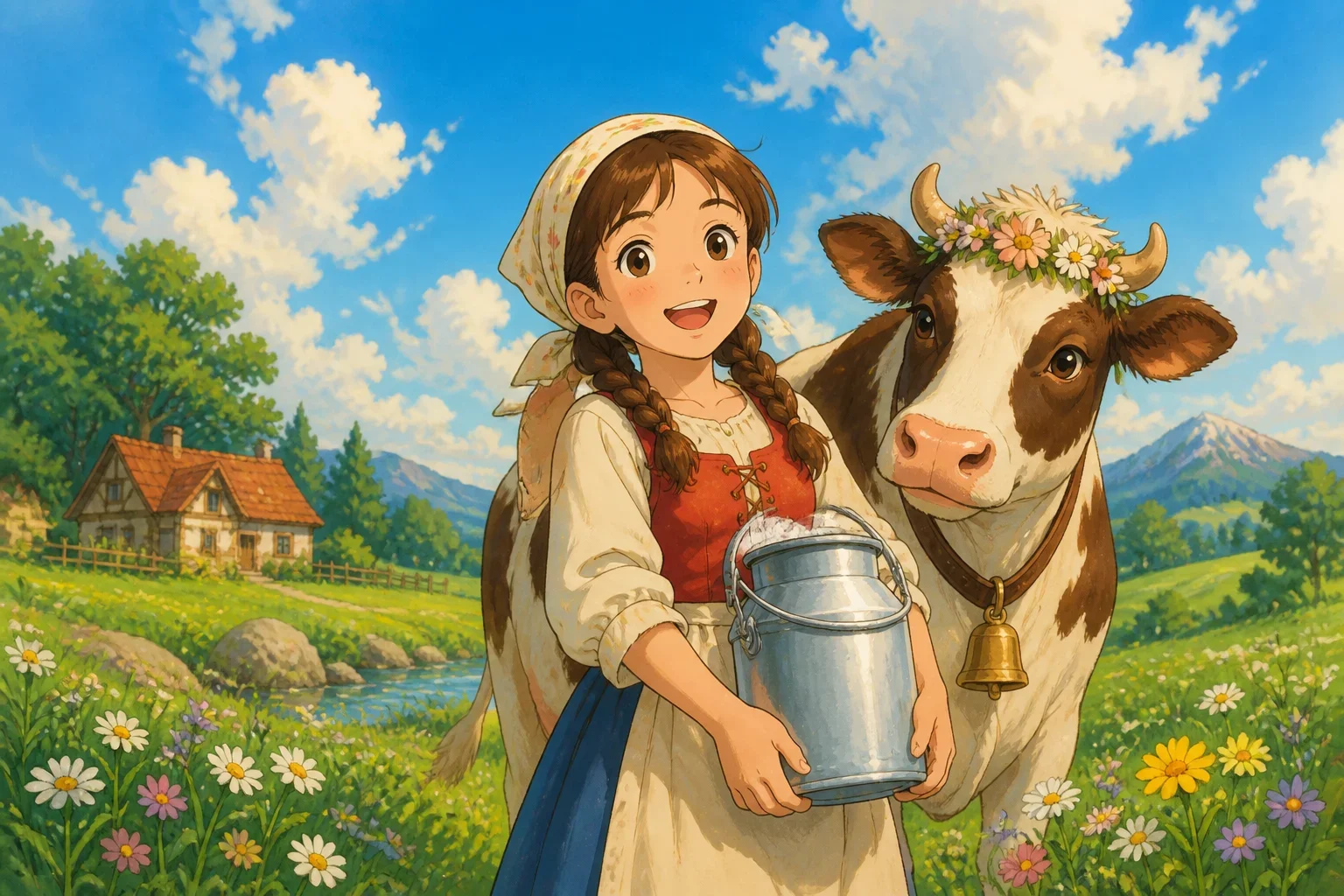
The Milkmaid and Her Pail | Moral on Focus and Dreams
The Milkmaid and Her Pail Patty balanced the brimming pail on her head and stepped carefully onto the dusty village…

The Loyal Dog Max: A Heartwarming Friendship Story for Kids
The Loyal Dog Max On the edge of a small, peaceful town stood a little yellow house with a crooked fence, a vegetable…

Compassionate Teacher | School Moral Story About Kindness
The Compassionate Teacher On the first Monday of the school year, Maplewood Middle School buzzed like a beehive.…
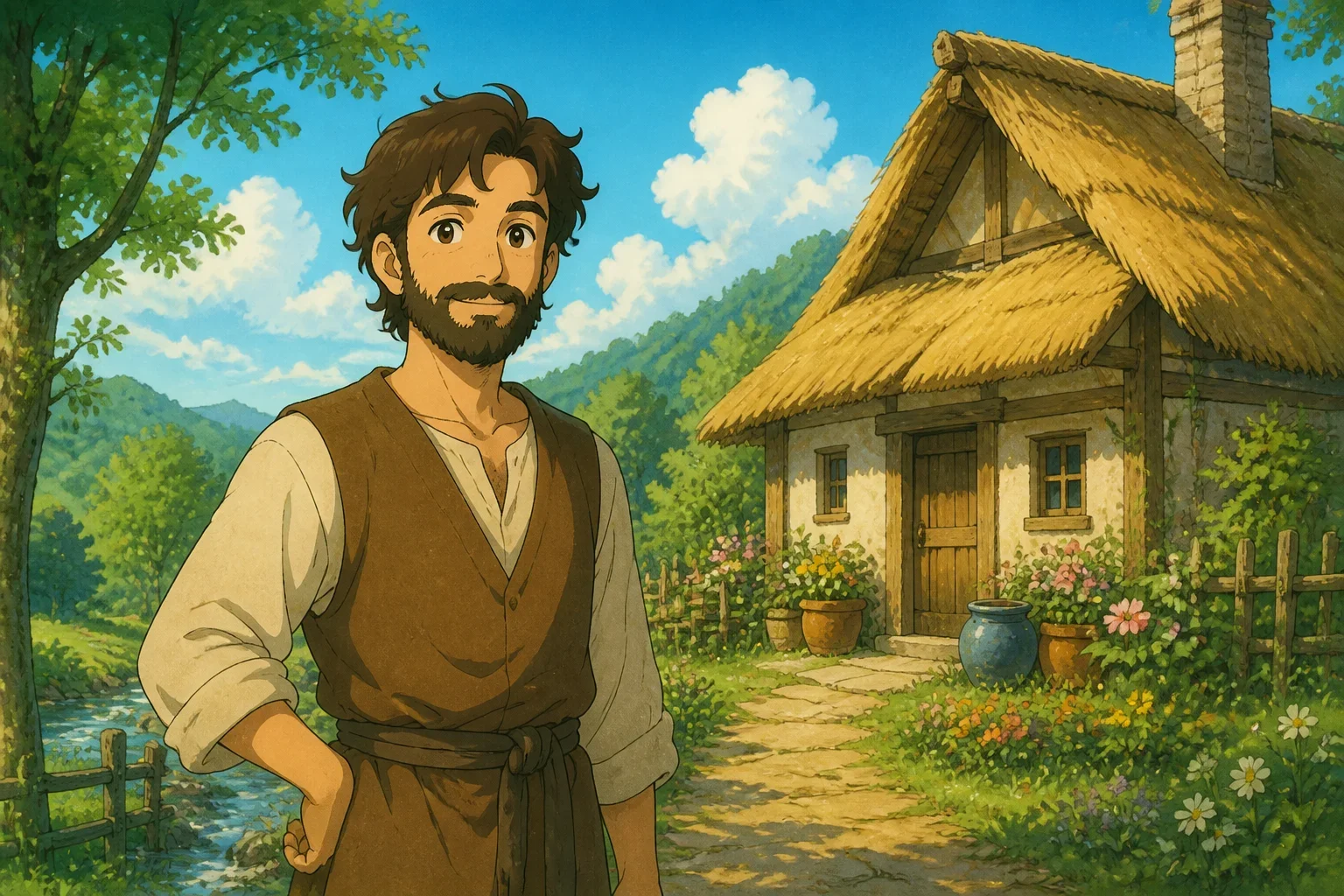
The Honest Woodcutter | Moral Tale About Honesty
The Honest Woodcutter: A Moral Story About Honesty, Hard Work, and Wisdom At the edge of a quiet village, where the…
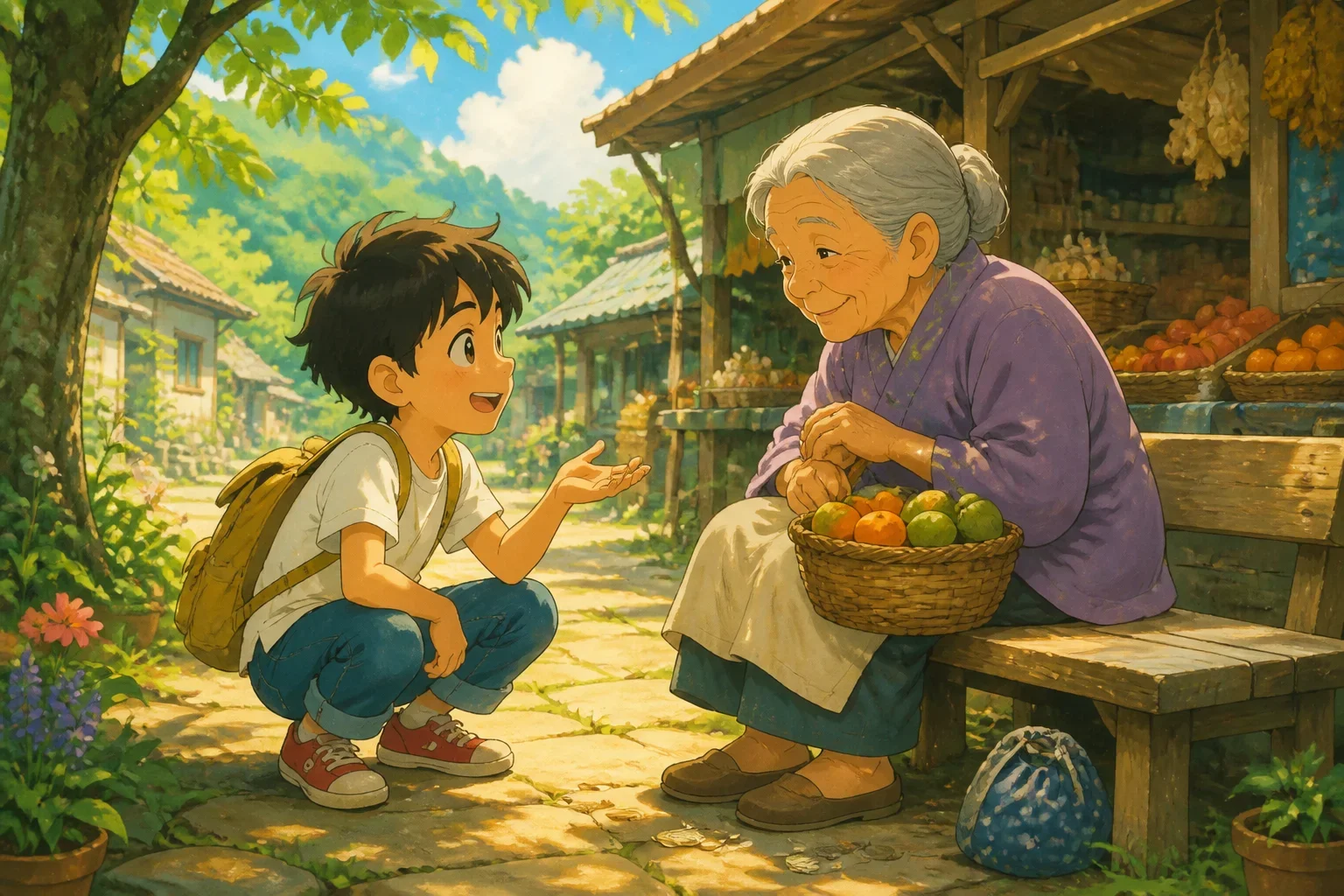
Jack and the Lost Coins: An Honest Bedtime Story for Kids
Jack and the Lost Coins On the edge of a quiet village, where white geese waddled across dusty lanes and sunflowers…
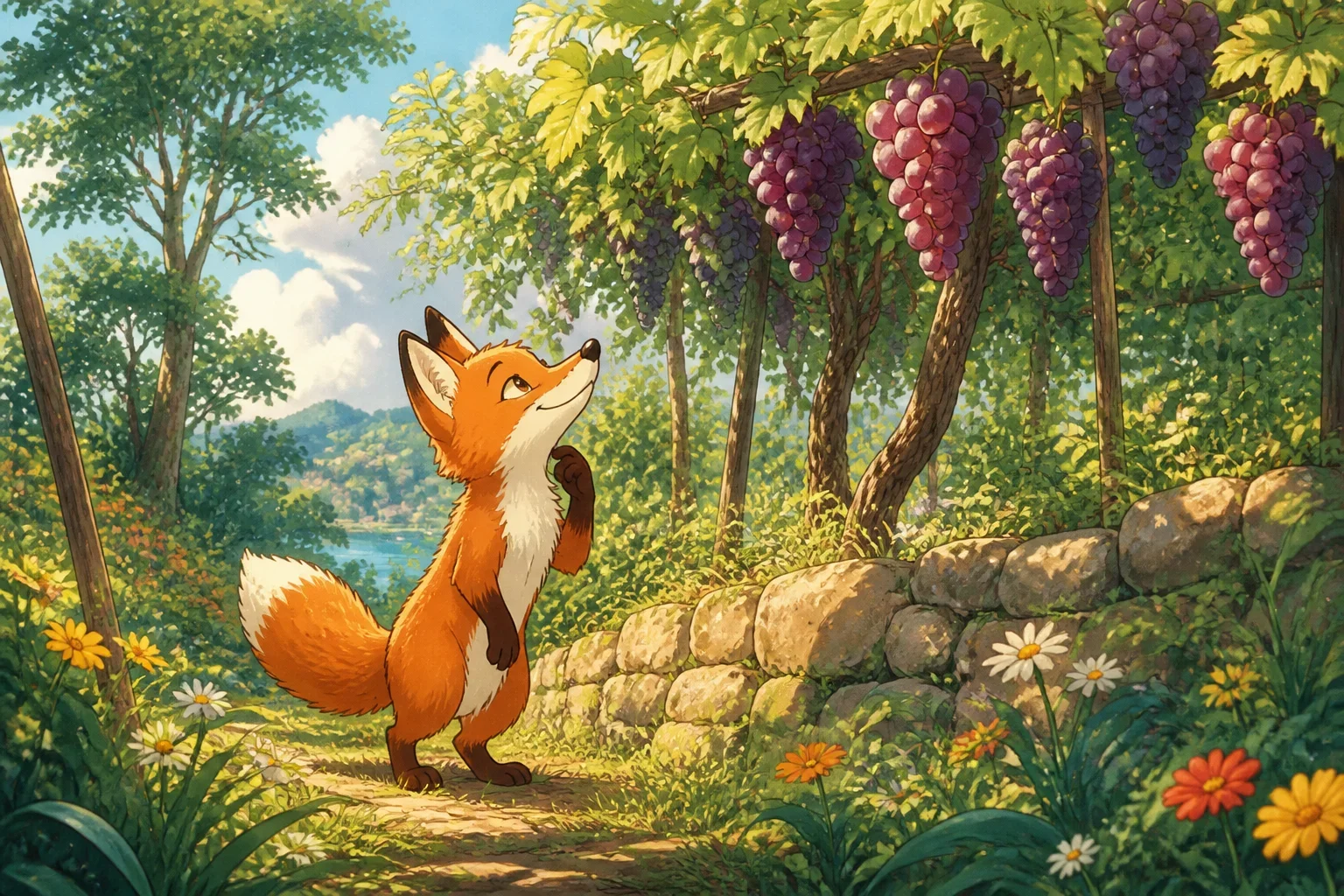
Fox and Grapes Story for Kids: The Famous Sour Grapes Moral
The Fox and the Grapes On a hot afternoon, when even the wind seemed too sleepy to move, a hungry fox came padding…
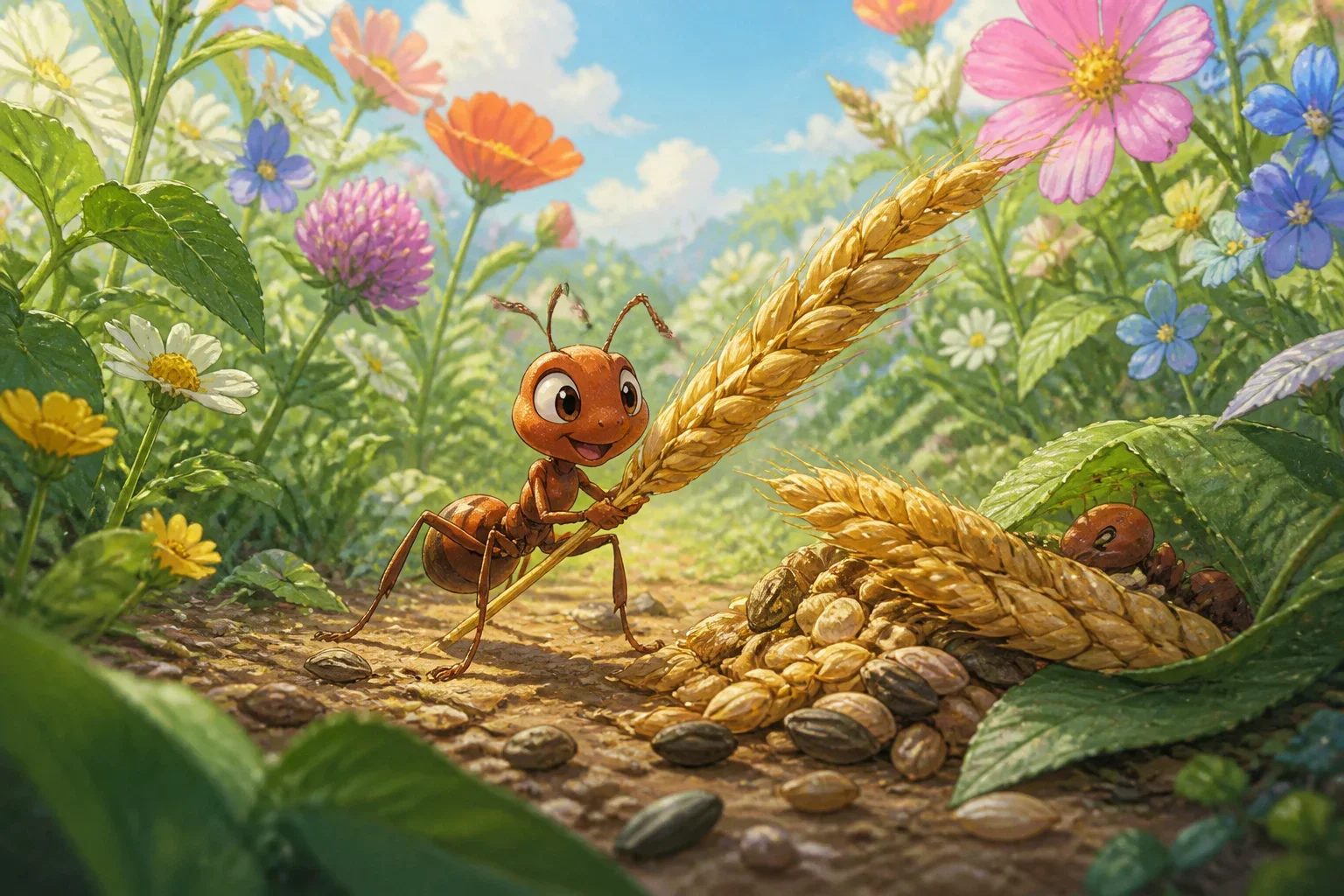
The Ant and the Grasshopper Story for Kids About Hard Work
The Ant and the Grasshopper On the brightest edge of summer, when the meadow shimmered like green silk and the air…
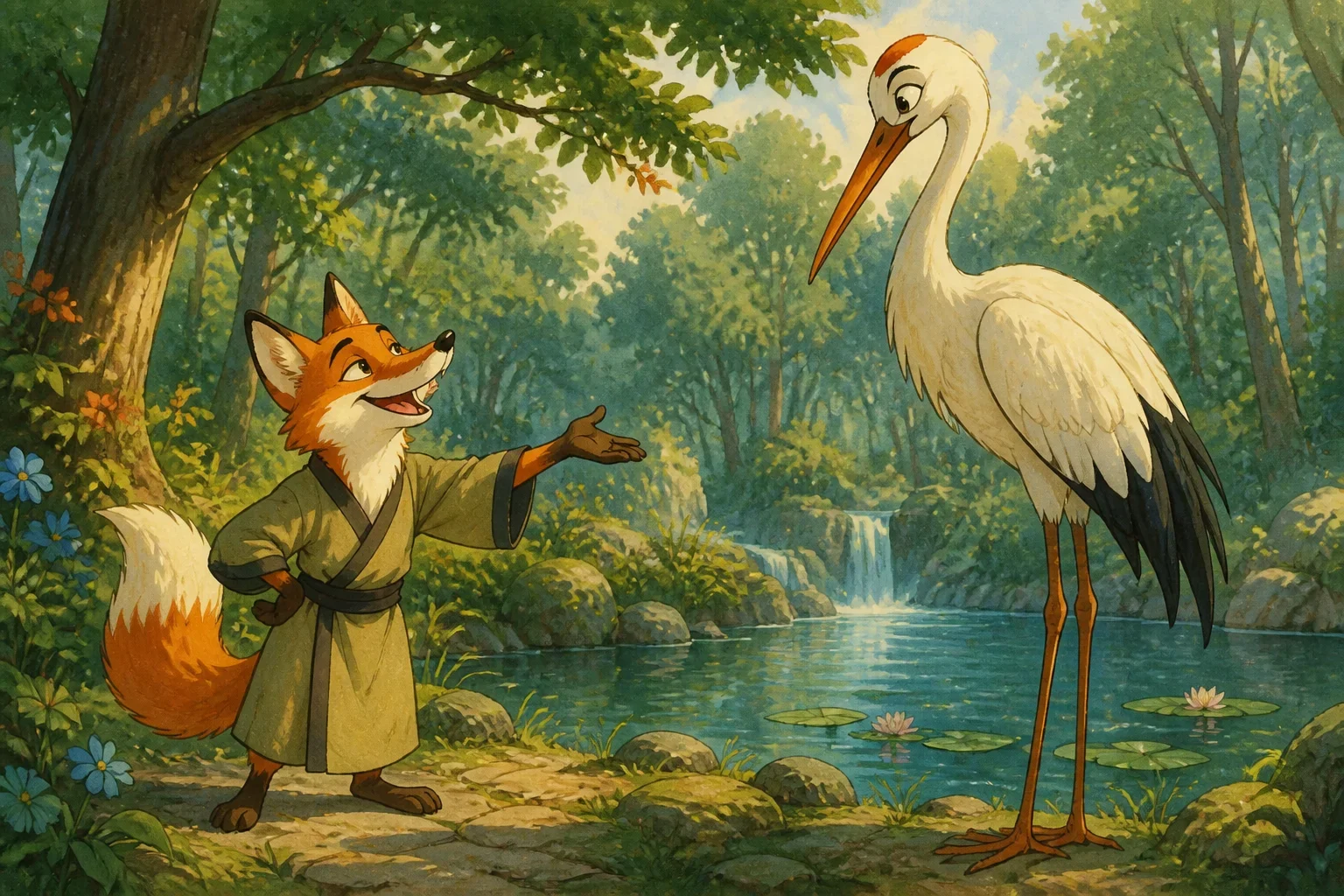
The Fox and the Stork Story: A Moral Tale About Fairness
The Fox and the Stork In a bright green forest, where dragonflies skimmed over the pond and tall reeds whispered in the…
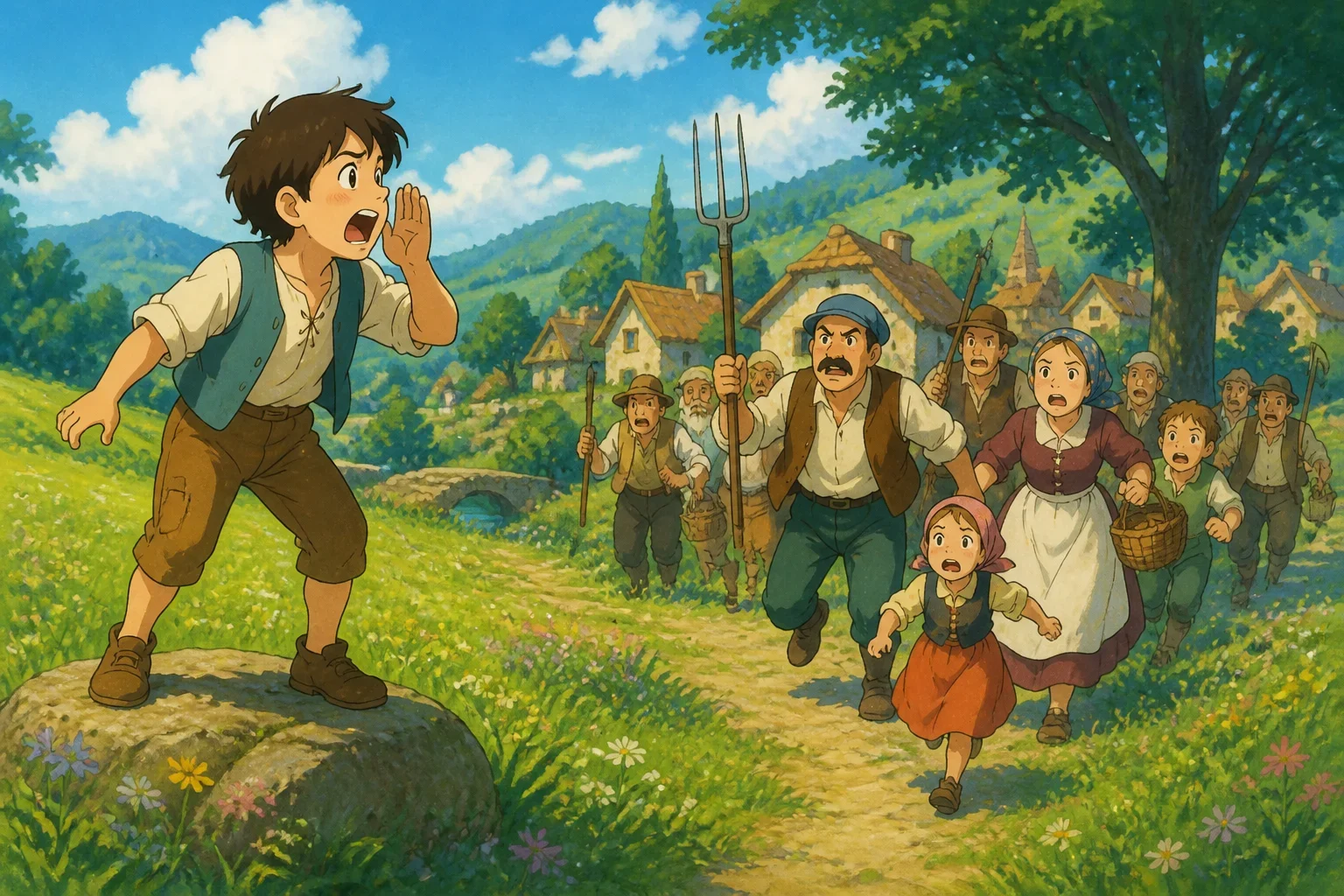
The Boy Who Cried Wolf: A Classic Moral Story About Honesty
The Boy Who Cried Wolf On the edge of a quiet village, where the fields rolled out like green blankets and the wind…

Slow and Steady Wins Story: The Tortoise and the Rabbit
Slow and Steady Wins the Race On the edge of a bright green forest, where dew sparkled on clover leaves and birds…
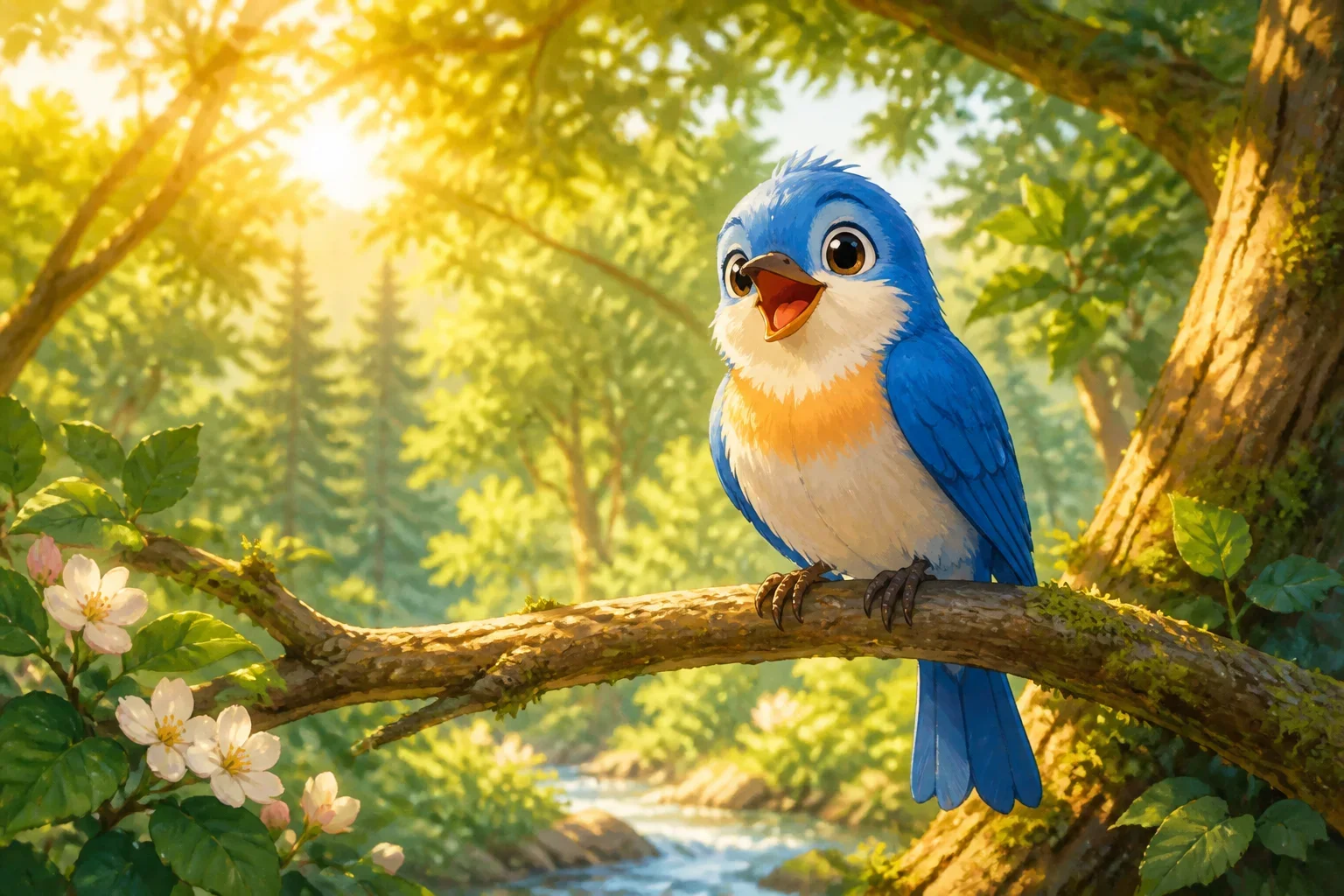
Joy of Sharing: Bella Bird and Sammy Squirrel’s Sweet Forest
The Joy of Sharing On the edge of a bright green forest, where dew sparkled like tiny diamonds on the grass, lived a…
Classroom guides
All blog articles →Lesson ideas and resources for educators—paired with short moral stories for class.
10 Short Moral Stories for Kids Every Kindergarten Teacher Needs
Discover ten delightful short moral stories every kindergarten teacher should know—perfect for circle time and fostering values like kindness, honesty, and sharing.
10 Quick 2-Minute Moral Stories Perfect for School Morning Assembly
Start your school day with these 10 quick, impactful moral stories—each takes just two minutes and comes with a clear message for assembly.
3 Teamwork Stories for Kids: Achieving Big Goals Together
Discover three inspiring teamwork stories for kids that teach valuable lessons about collaboration, sharing talents, and achieving big goals together through engaging narratives.
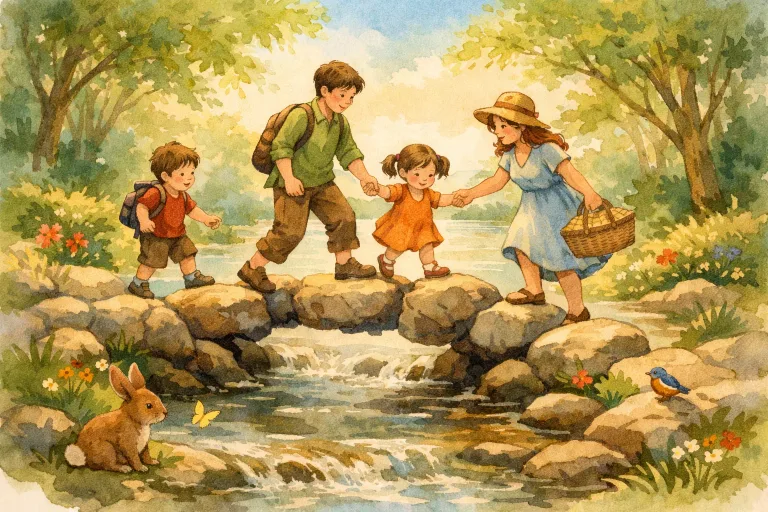
5 Cooperation Stories for Kids: Teamwork & Working Together
Discover five inspiring cooperation stories for kids that highlight the power of teamwork, sharing, and working together to achieve great goals. Perfect for classroom and family lessons.
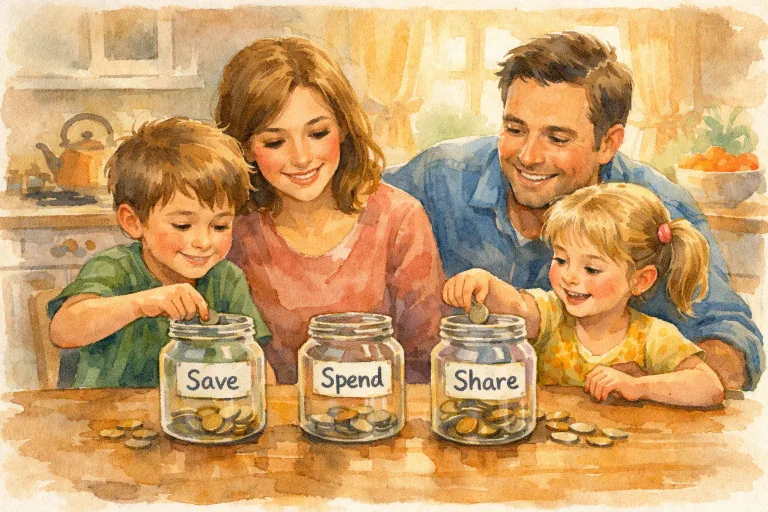
Piggy Bank Lessons: 5 Stories That Teach Kids Money Management
Discover five engaging stories that make money management simple and meaningful for children, teaching saving, wise spending, and generosity through age-appropriate storytelling.
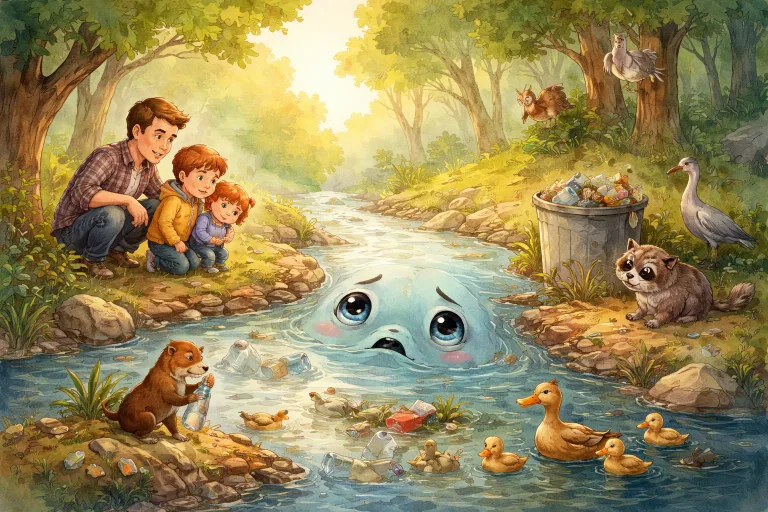
5 Environmental Stories for Kids: Respecting Nature & Planet
Ripple the river and her friends teach kids that small actions like picking up trash and recycling help protect water, animals, and our planet’s health.
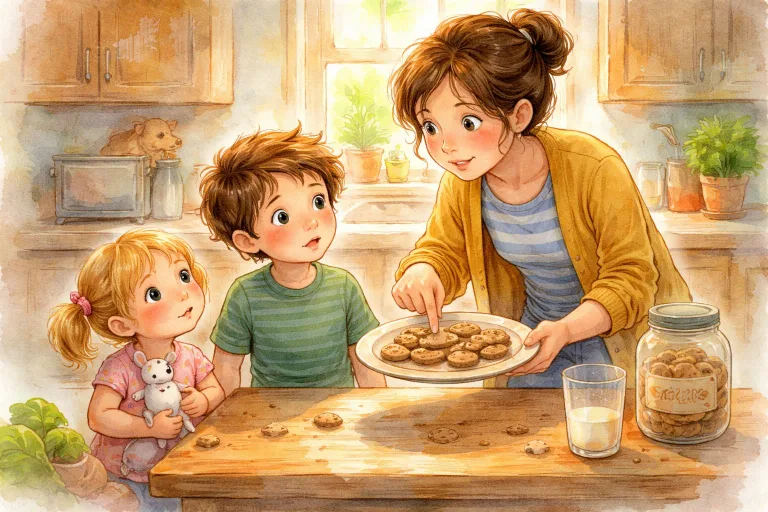
7 Cause and Effect Stories for Kids: Actions Have Consequences
Lilly took a cookie without asking, realizing her actions affected trust. Honesty helps keep relationships strong and teaches responsibility.

3 Common Sense Stories for Kids: Practical Everyday Judgment
Teaching children practical everyday judgment through stories helps them make safe, honest, and responsible choices, fostering life skills for the future.
Explore more on this topic
Hand-picked links to stories, guides, and collections already on the site.
From this collection
- School assembly stories
Quick reads for whole-school moments.
- Stories for teachers category
Lesson-adjacent articles and lists.
- Educational stories category
Teaching ideas and story pairings.
- Honesty stories for kids
Works well for integrity units.
Frequently asked questions
- How long should a classroom moral story take?
Most short tales fit a five- to fifteen-minute slot including discussion. Assembly versions can be shorter; literature blocks can include reread for analysis.
- Are these stories aligned to a specific curriculum?
They are general moral and character-education texts, not tied to one national standard. You map them to your SEL or literacy objectives locally.
- What is the difference between teacher guides and classroom stories?
Guides offer lesson ideas and context. Classroom stories are student-facing narratives selected for this hub—use both, but do not treat them as the same content type.
- Can I use these stories for anti-bullying discussions?
Yes. Empathy and standing up for others appear in many plots. Pair fiction with articles such as anti-bullying stories when you want structured prompts.
- How does this hub differ from the kids audience page?
The kids hub curates family-friendly reading. The teacher hub lists stories chosen for instructional use—discussion depth, classroom tone, and moral clarity.
Kids Activity Zone
Free coloring pages, puzzles, word games, and mazes — great for home or classroom.
Explore activities →