
The Group Chat Trap: A Short Story About Cyberbullying and Online Kindness
The Group Chat Trap
Maya's phone buzzed on the kitchen counter, lighting up with a new notification. She glanced at the screen, nervous excitement fluttering in her stomach as she read the message:
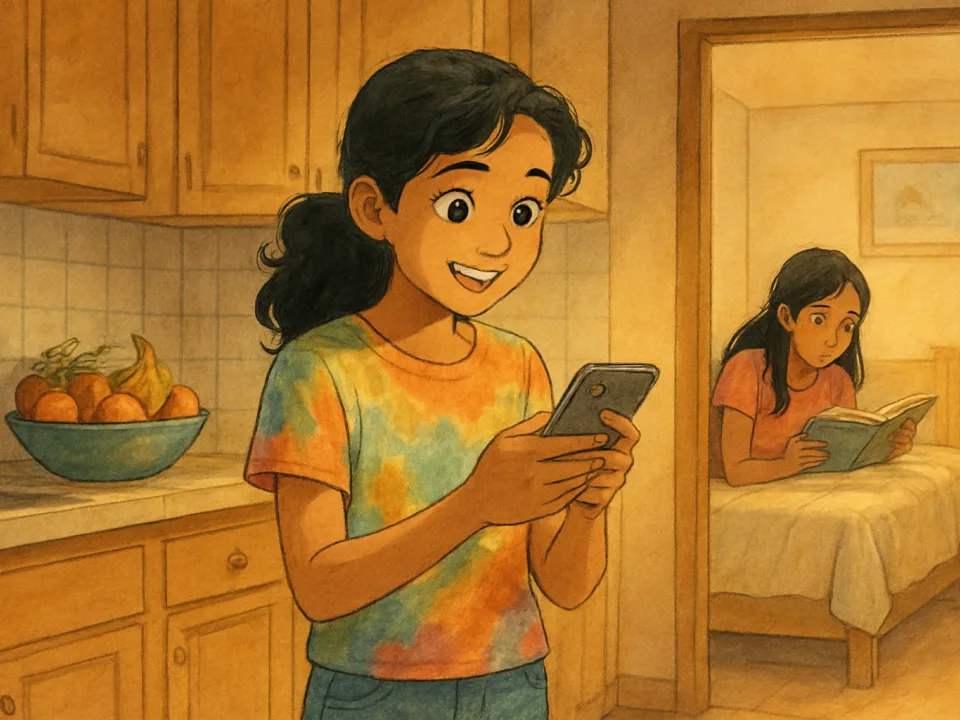
You’ve been added to ‘7B Squad 🎉’!
Maya was in seventh grade at Oakview Middle School, and, like most kids her age, she spent plenty of time texting and scrolling after homework was done. But this was the big group chat—dozens of classmates, including the most popular kids in school. For a split second, Maya imagined what it would be like to finally belong.
She ran to tell her older sister Nina, who was sprawled on her bed reading. “Nina! I’m in. Look!”
Nina smiled. “Just be yourself, okay? And remember, group chats can get… weird.”
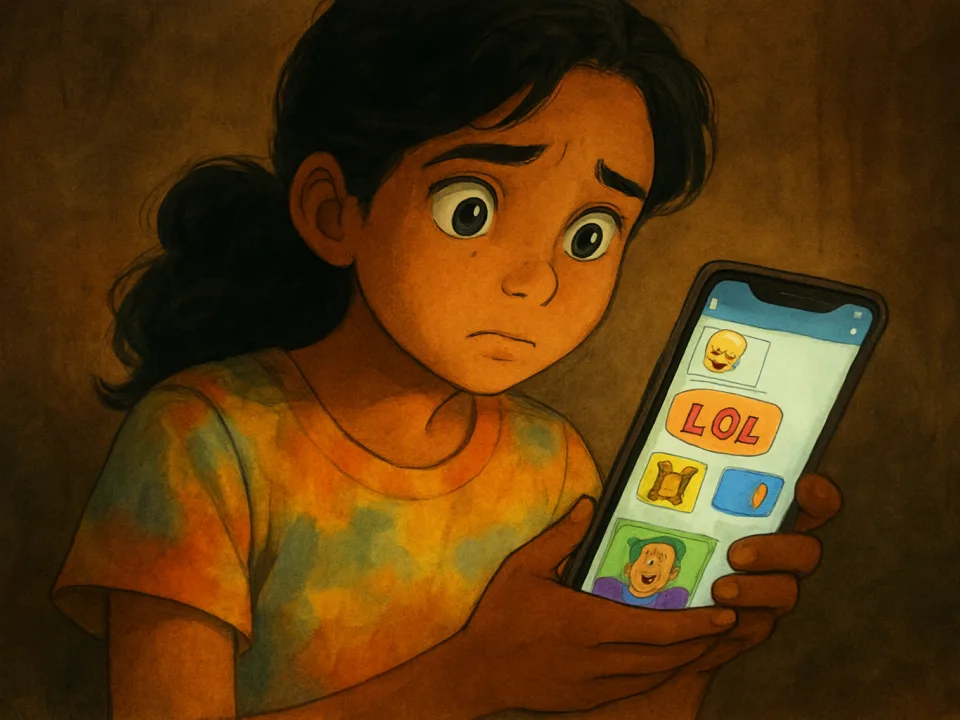
Maya nodded, already typing her first hello into the chat. The messages were flying fast—jokes, funny memes, and endless lines of emojis. It felt exciting to be included, and Maya giggled at a particularly goofy picture someone posted of their cat wearing sunglasses. She liked the post and sent a string of laughing emojis.
But as the evening went on, Maya watched as the group chat’s tone shifted. The jokes started to get mean, focusing on some classmates who weren’t in the group. One message popped up from Zoe, the group’s unofficial leader:
Zoe: Did you guys see Liam’s shirt today? 😂 OMG who wears neon green like that?
A flurry of replies followed, some laughing, some piling on with more rude comments. Maya’s heart sank. Liam was quiet, a little different, and one of the few kids who always smiled at her in the hallway.
She scrolled past the comments, unsure what to do. Should she defend him? Should she leave the chat? She remembered her sister’s warning—things could get weird.
Later that night, Maya’s own name lit up in a message. Her stomach dropped:
Zoe: And Maya’s finally here! Welcome 😂 Don’t send us too many cat pics, okay?
A couple of kids laughed, some just sent more emojis, but Maya felt a prickly flush rise in her cheeks. Was that a real welcome, or… something else?
Maya typed, then deleted, and typed again. She finally managed a weak, “Haha, I’ll try!”
That night, Maya tossed and turned. The group chat buzzed until midnight, each message feeling heavier than the last. She thought about Liam, about herself, and about how quickly the jokes had become something different. She wanted to do the right thing, but what was that?
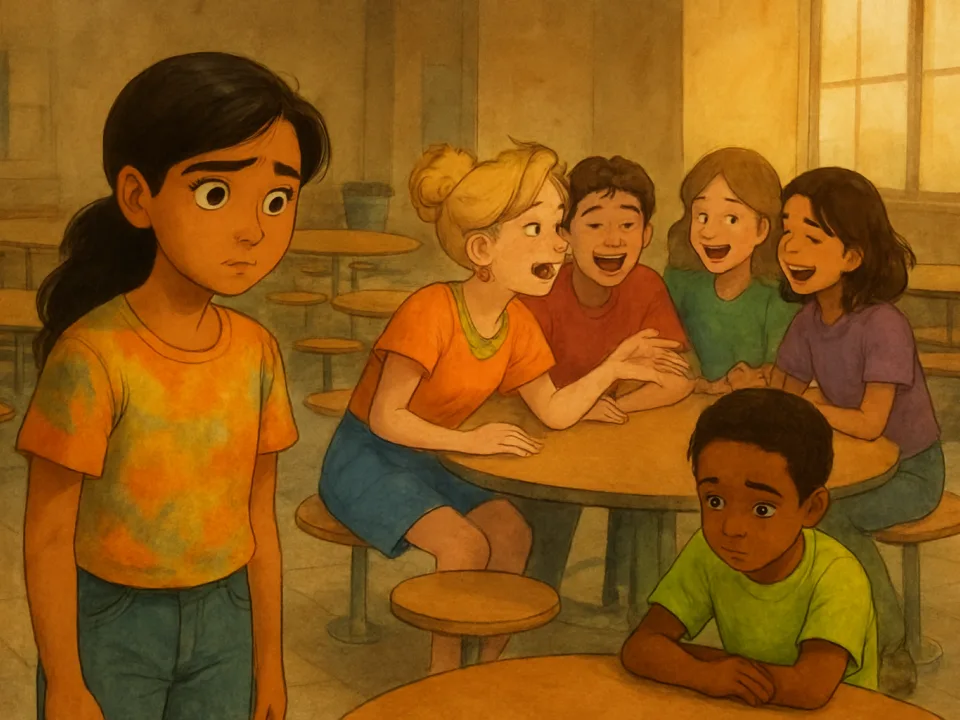
The next day at school, Maya found herself glancing at Liam in the cafeteria. He was sitting alone, as usual, poking at his lunch. Maya remembered every mean comment from the night before, guilt gnawing at her. Should she say something? Would it even make a difference?
During lunch, Maya sat with her usual group. Zoe was in full storyteller mode, retelling the group chat’s highlights, making everyone laugh. But when she brought up Liam’s shirt again, Maya shifted uncomfortably in her seat.
“He probably just likes bright colors,” Maya mumbled, almost hoping no one would hear.
Zoe rolled her eyes. “Yeah, but it’s so weird. Whatever.”
Later that day, a new message pinged in the group chat.
Zoe: Let’s make a ‘worst shirts’ meme! LOL
Pictures from Google started pouring in, but then someone uploaded a blurry photo of Liam in his neon shirt. Maya's heart hammered. She watched as comments rolled in—some laughing, some just sending LOLs. One person posted a clown emoji.
Maya’s fingers hovered over her keyboard. Her chest felt tight. This wasn’t funny anymore. She remembered her mom saying, “If you’re not part of the solution, you’re part of the problem.”
She took a shaky breath and typed:
Maya: Guys, this isn’t cool. I don’t think we should make fun of Liam or anyone else like this.
There was a long pause in the chat. The emoji train stopped. For a moment, Maya felt like she could hear her own heartbeat.
Jess: Yeah, idk, it’s kind of mean.
Ava: Yeah. Liam’s nice.
A few more kids quietly agreed. Zoe sent a single eye-roll emoji but didn’t say anything else for a while.
Maya set her phone down, shaken but proud. She knew standing up wasn’t easy. She wondered what would happen tomorrow—would Zoe be mad, would everyone turn on her? She tried to calm her racing thoughts.
The next morning, Maya walked into school expecting the worst. But things were… quieter. Zoe didn’t mention the group chat during lunch, and more kids seemed to be talking about movies and weekend plans than gossiping.
At the end of the day, Maya found a folded note in her locker: “Thank you for sticking up for me. –Liam.”
Maya smiled to herself, feeling a new kind of confidence. She realized that courage didn’t always mean being loud; sometimes, it meant being brave in small ways, even if your voice shook.
That night, Maya’s phone buzzed again. This time, it was a private message from Ava.
Ava: Hey Maya, that was really brave what you did today. I think you’re right. Group chat should be fun, not mean.
Maya replied, “Thanks. I just remembered how it would feel if it were me.”
Ava sent a heart emoji. “Want to start a pet pic thread instead?”
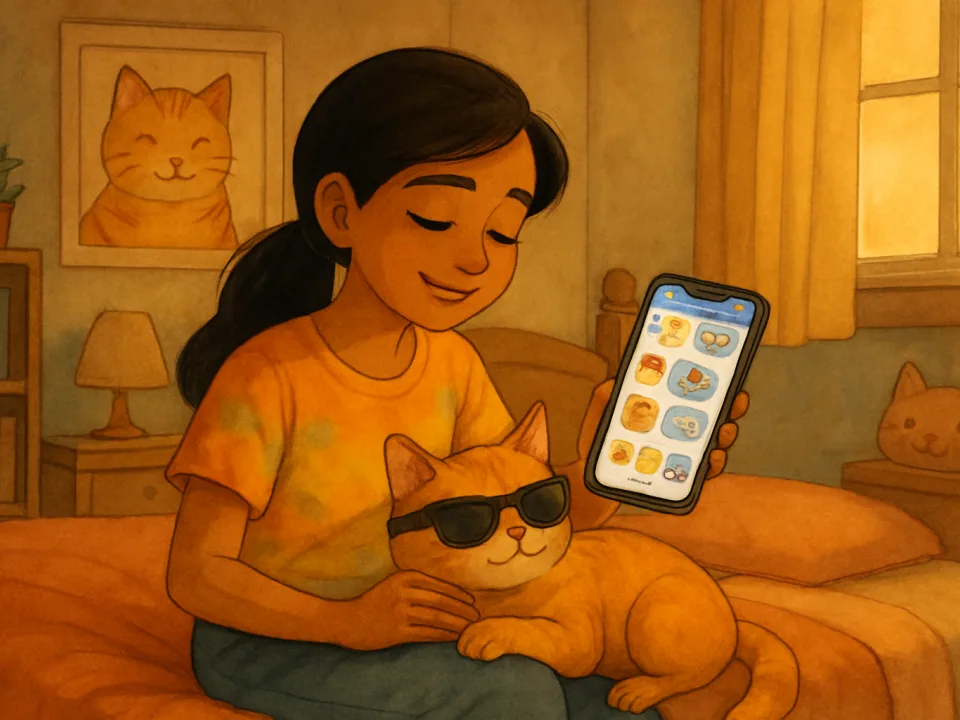
Maya grinned and uploaded a picture of her cat, Felix, in sunglasses. The chat soon filled with pet photos and laughter—the kind that didn’t hurt anyone.
By the end of the week, the group chat’s mood had changed. People were still joking and sharing memes, but Maya noticed everyone was a little more careful, a little kinder. And when someone made a rude comment about a classmate, someone else—sometimes Maya, sometimes Jess or Ava—would call it out.
Maya learned that online, just like in real life, her choices mattered. One kind voice could make a difference, even if it felt scary. And in the end, kindness was the best trend of all.
Moral of the Story
Standing up to cyberbullying takes courage, but even small acts of kindness and honesty can change the way others act online. Being brave enough to speak up might just inspire others to do the same, making digital spaces safer and kinder for everyone.
Key Takeaways for Kids
- Jokes that hurt others are never okay, even online.
- Standing up to cyberbullying can help others find their courage too.
- It’s important to treat people with kindness, both in person and on screens.
- Group chats should be a place for fun, not cruelty.
Why This Story Matters
In a world where so much of our social life takes place online, it’s easy for lines to blur and for people to forget there are real feelings behind the screens. This story shows that one person’s kindness can shift an entire group’s attitude, reminding us all to be brave, compassionate digital citizens—because the right choice, no matter how small, always matters.
Related Stories
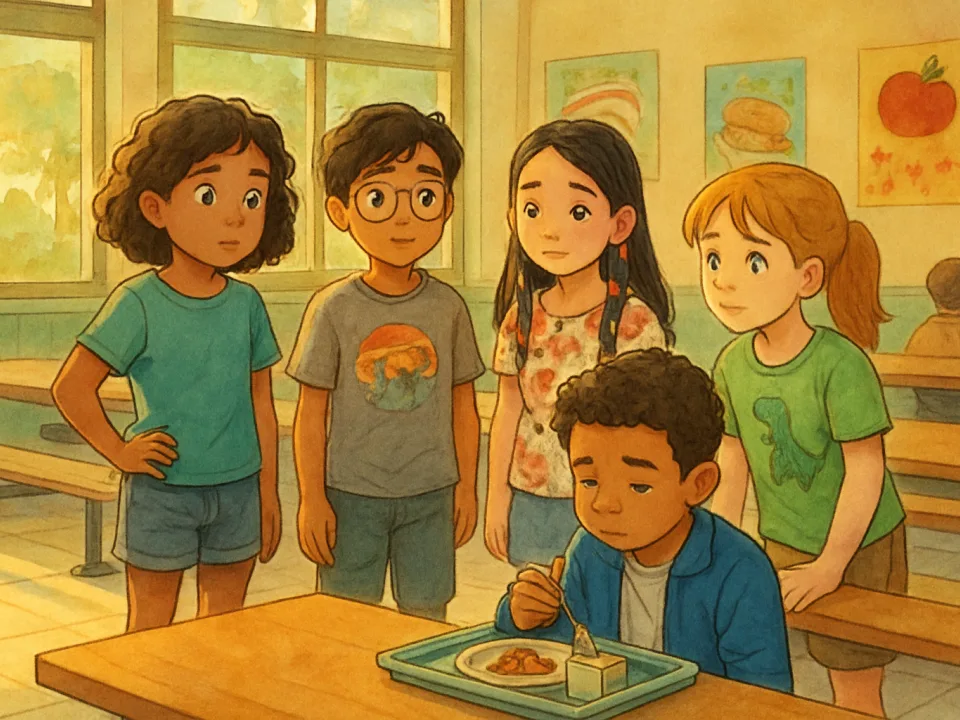
The Quiet Seat at Lunch: A Moral Story About Including the New Kid at School
The Quiet Seat at Lunch On the first Monday of May, the cafeteria at Maple Lane Elementary buzzed like a beehive.…
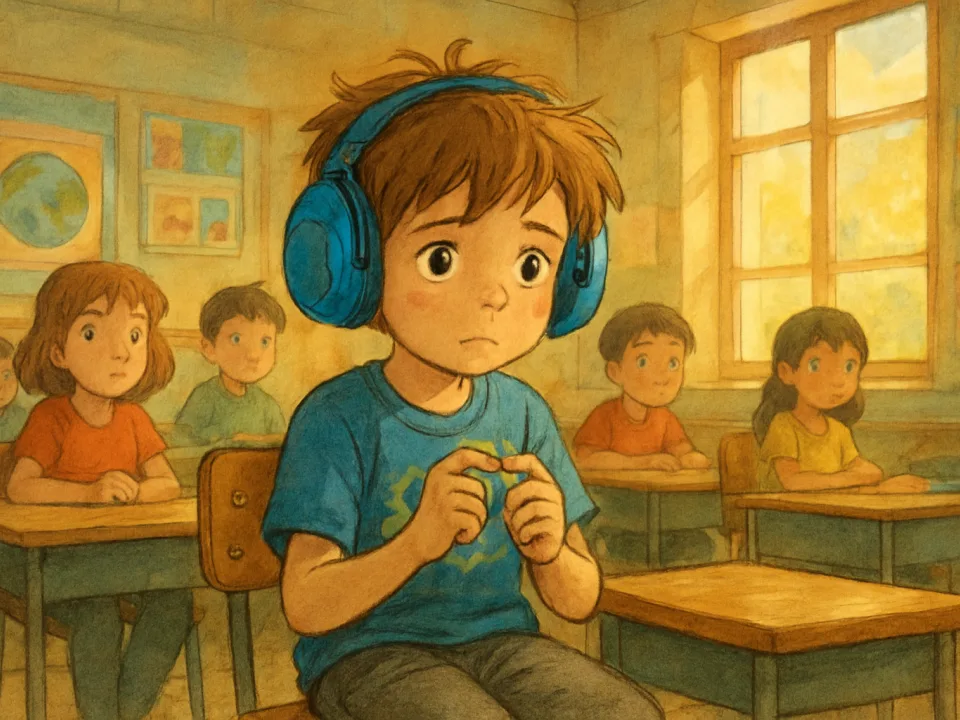
The Noise-Canceling Headphones: A Classroom Story About Autism, Empathy, and Kindness
The Noise-Canceling Headphones Lucas Miller loved the quiet. At home, he could read on his bed for hours, his window…
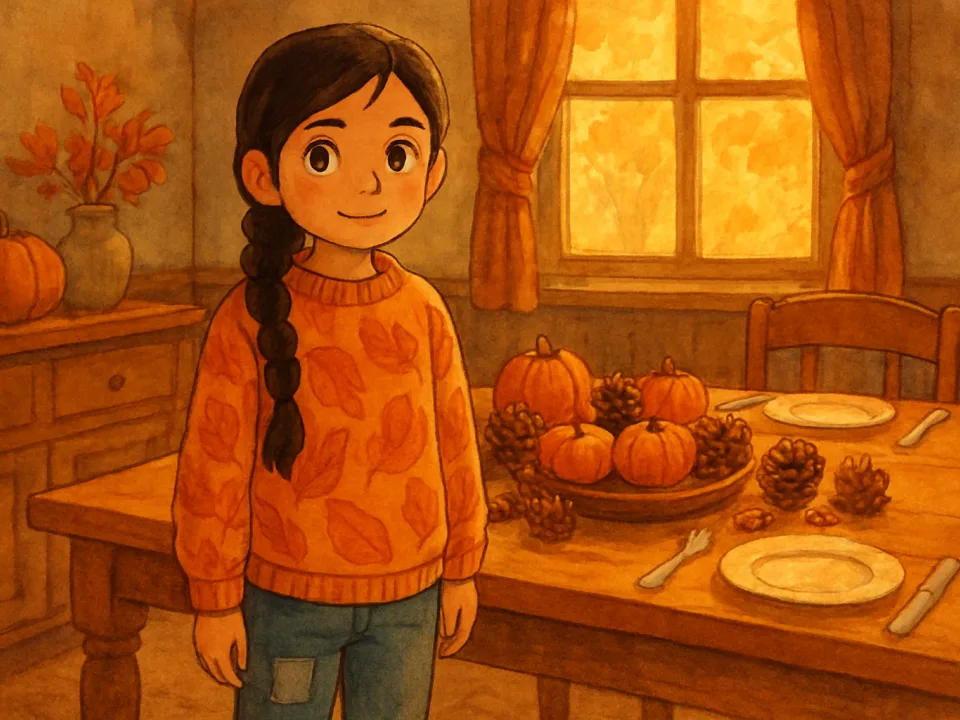
The Empty Chair at Harvest Dinner: A Thanksgiving Story About Gratitude and Inclusion
The Empty Chair at Harvest Dinner The golden leaves rustled outside the windows of the Peterson home, swirling across…
The Different Lunchbox: A Short Story Celebrating Cultural Differences and Respect
The Different Lunchbox Mia Chen always loved her lunchbox. It was bright red with swirling golden dragons painted on…
One Mean Comment: A Short Story About Digital Empathy and Thinking Before Posting
One Mean Comment: A Short Story About Digital Empathy and Thinking Before Posting Maya Alvarez sat at the corner desk…
Standing Beside Liam: A Moral Story About Standing Up to a School Bully
Standing Beside Liam: A Moral Story About Standing Up to a School Bully Liam always kept to himself. He sat at the edge…