
The Different Lunchbox: A Short Story Celebrating Cultural Differences and Respect
The Different Lunchbox
Mia Chen always loved her lunchbox. It was bright red with swirling golden dragons painted on the lid, a gift from her grandmother who lived far away in Taiwan. Every morning, Mia’s mother would fill it with foods she grew up eating: steamed dumplings, sticky rice balls wrapped in bamboo leaves, juicy lychees, and a small cup of green tea. Some days, Mia missed peanut butter sandwiches or pizza slices like her classmates had, but she always felt warm inside when she saw her special lunchbox waiting for her.
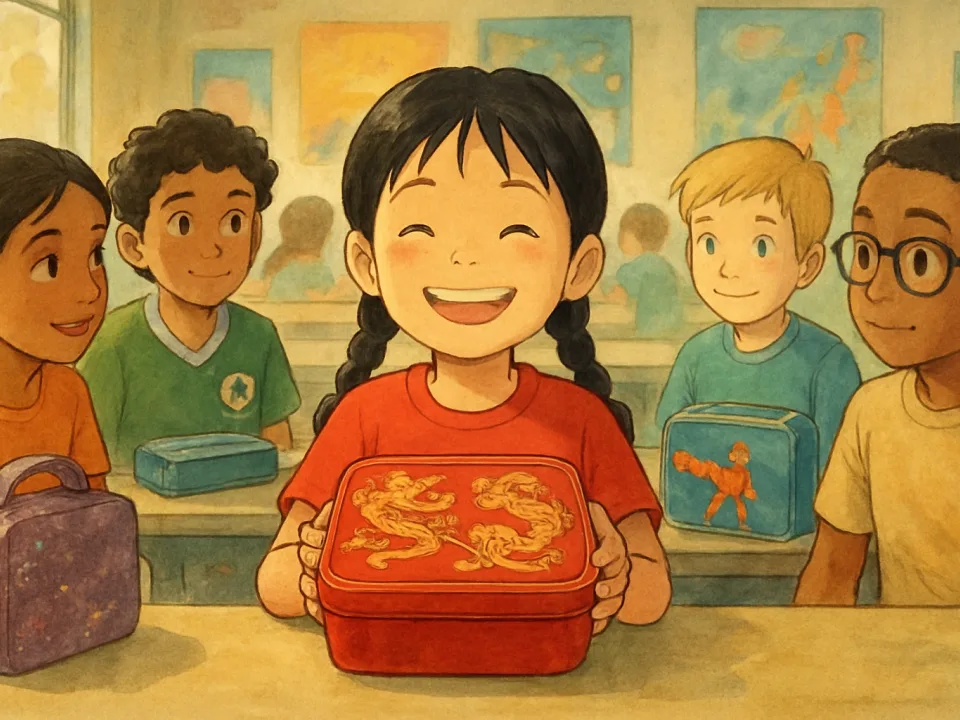
On the first Monday after spring break, Mia carefully set her lunchbox on the cafeteria table. The clatter of trays and chatter usually made her feel invisible. She always sat at the end of the table, quietly unpacking her food, watching her classmates laugh and swap cookies. This day, everything changed.
A group of her classmates, led by Lily, slid onto the bench beside Mia. Lily had a sparkly, unicorn-print lunch bag and a big, friendly smile. She eyed Mia’s lunchbox with curiosity.
“Wow, your lunchbox is so cool! Where’d you get it?” Lily asked, leaning in to admire the golden dragons.
Mia smiled shyly. “My grandma gave it to me. She sent it from Taiwan.”
Ali, who always brought cheese sandwiches and carrot sticks, leaned closer. “What’s inside?”
Mia hesitated. She remembered last year when someone made a face at her seaweed snacks and called them ‘stinky leaves.’ But today, Lily seemed genuinely interested. Mia slowly lifted the lid, her hands trembling just a bit.
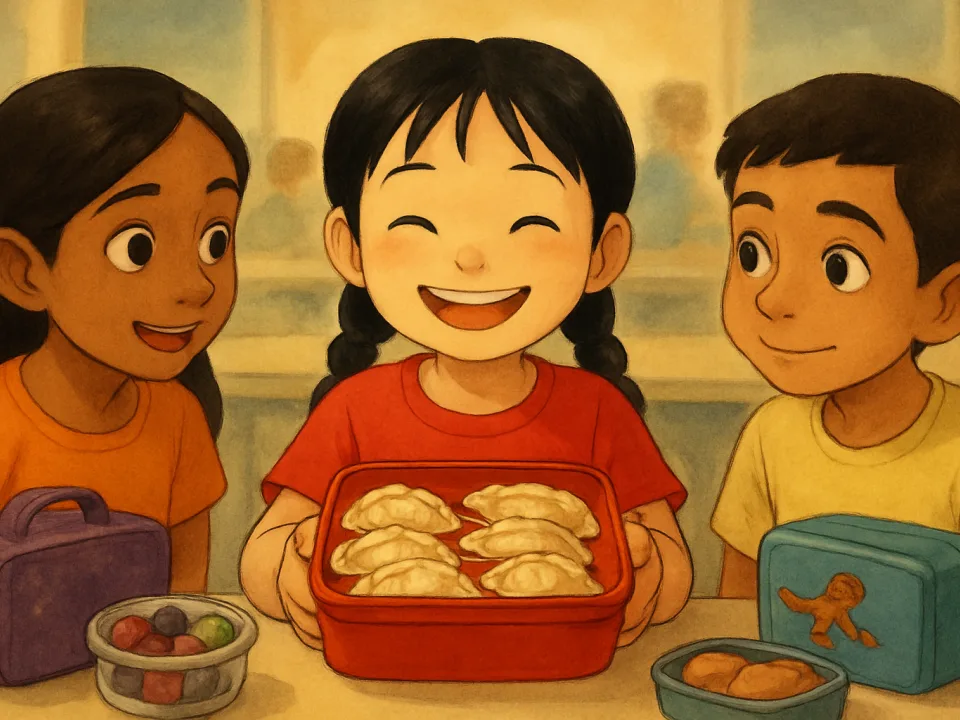
The delicious scent of dumplings drifted up. Her classmates crowded around. Some wrinkled their noses in confusion, but others looked curious.
“Are those… squishy cookies?” Max asked, poking a rice ball with the tip of his finger.
Mia giggled. “No, that’s a zongzi—it’s rice wrapped in bamboo leaves. And these are dumplings.” She picked one up, showing the pleated edges. “My mom made them with pork and cabbage.”
Lily grinned. “Can I try one?”
Mia’s eyes widened. She’d never shared her lunch before, afraid someone might laugh. But Lily’s smile was so open and kind that Mia gently placed a dumpling on Lily’s plate.
Lily took a careful bite, then her eyes went wide. “This is amazing! Why don’t we have these all the time?”
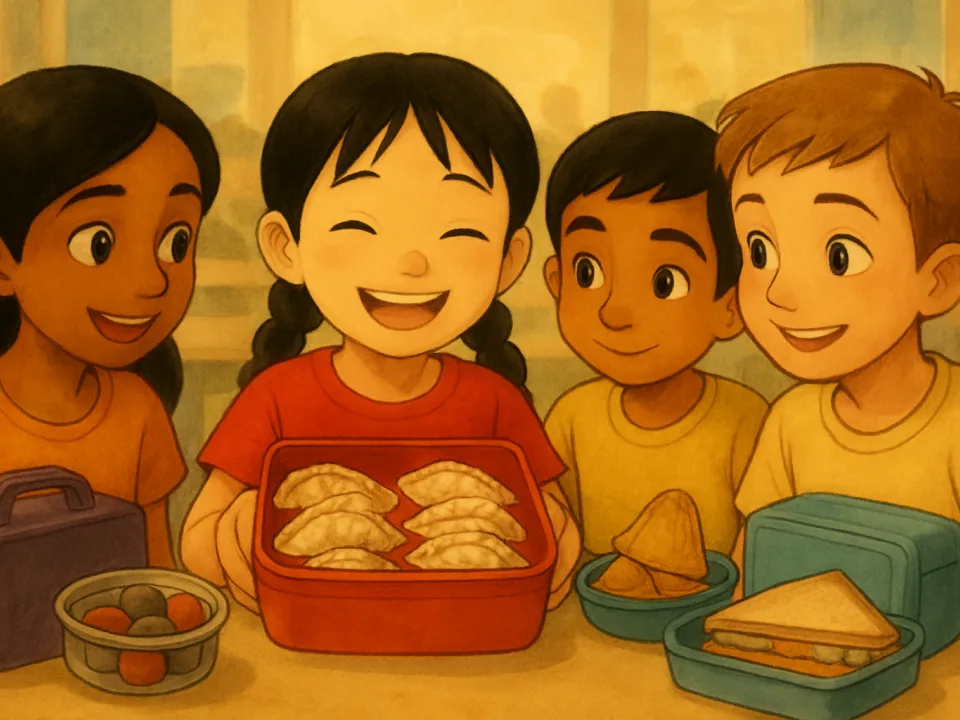
Max and Ali both wanted a taste. Mia smiled, passing out the rest of her dumplings and a few lychees. She watched as her friends’ faces changed from cautious to delighted.
“Hey, these are really sweet!” Ali said, peeling a lychee. “I thought they’d be sour.”
Soon, other kids from the table were peeking over. Even Ben, who Mia knew sometimes made rude jokes, was curious. “What’s that green drink?” he asked, pointing to the cup of green tea.
Mia explained, “It’s tea. My mom says it’s good for you. Do you want to try a sip?”
Ben shrugged. “Why not?” He took a careful sip and made a face. “It’s… different. But kind of nice.”
The lunch bell rang, and Mia packed up her lunchbox, her cheeks warm with happiness. She glanced at Lily, who grinned back. For the first time ever, Mia felt proud that her lunch was different.
That afternoon, as Mia walked home with her mother, she couldn’t stop talking. “Everyone tried the dumplings, Mama! Even Ben drank the tea.”
Her mom’s eyes sparkled. “See, Mia? Sometimes people are just waiting for a chance to understand something new.”
The next day, something surprising happened. When Mia reached her table, she found Lily unpacking a foil container. “My grandma made samosas,” Lily boasted. “She’s from India. Want to try one?”
Mia’s eyes sparkled with curiosity. The samosas were golden and warm, filled with spicy potatoes and peas.
Ali brought hummus and pita. Max brought pierogi, stuffed with potatoes and cheese from his Polish family. Ben brought a peanut butter sandwich, but this time, he asked Mia, “Can I have a lychee again?”
Lunch became the best part of Mia’s day. The kids shared stories about their families and the foods they loved. They laughed at the odd snacks (Max didn’t like the seaweed, but Mia found pierogi tasty) and learned new words in Mandarin, Hindi, and Polish.
One day, Ben surprised everyone by asking, “Mia, how do you say hello in Mandarin?”
Mia smiled. “Ni hao!”
“Ni hao,” Ben repeated carefully, and everyone giggled.
The group even started to swap lunchbox decorations. Max brought stickers of Polish folk art, Lily shared shiny beads from a festival in India, and Ali drew a picture of his family’s olive tree. Soon, Mia’s lunchbox was decorated with tiny stickers and doodles from all her friends, each one a memory of something they had shared.
One sunny day, their teacher, Mrs. Santos, noticed the group sharing food.
She smiled, “Looks like we have our own lunchbox festival! What are you all up to?”
Lily piped up, “We’re trading foods from home! Did you know Mia’s grandma sent her lunchbox from Taiwan? And Ali’s hummus is awesome!”
Mrs. Santos nodded. “Food can tell wonderful stories about where we come from. Has anyone learned something surprising?”
Max raised his hand. “I thought dumplings were weird, but now they’re my favorite!”
Ali chimed in, “I used to think my hummus was boring, but now everyone wants to try it!”
Mia shared, “I was scared people would think my food was gross, but now I feel happy to share.”
Mrs. Santos beamed at her students. “That’s the magic of respect. When we try to understand each other, we find new friends—and flavors!”
From then on, Mia became known for her fabulous lunchbox and her generosity. She didn’t feel strange anymore. Instead, she felt lucky to show her friends a piece of her family’s world every day.
Some days, the cafeteria table was a patchwork of colors and smells. Mia and her friends would trade bites and stories. “My mom says samosas are for special holidays,” Lily explained, passing around her grandma’s recipe. “But I think every day can be a holiday!”
Ali brought dates stuffed with walnuts for Ramadan. “Try one,” he said. “It’s sweet but good for you!”
Max brought his grandma’s cabbage rolls. “She makes them every Sunday,” he said proudly.
Even Ben, who rarely tried anything new, started asking Mia about Taiwan. He wanted to learn a few words in Mandarin. Soon, the group planned a class event: Everyone would bring a dish from home and tell a story about it. The tables filled with colorful plates, each representing a different family.
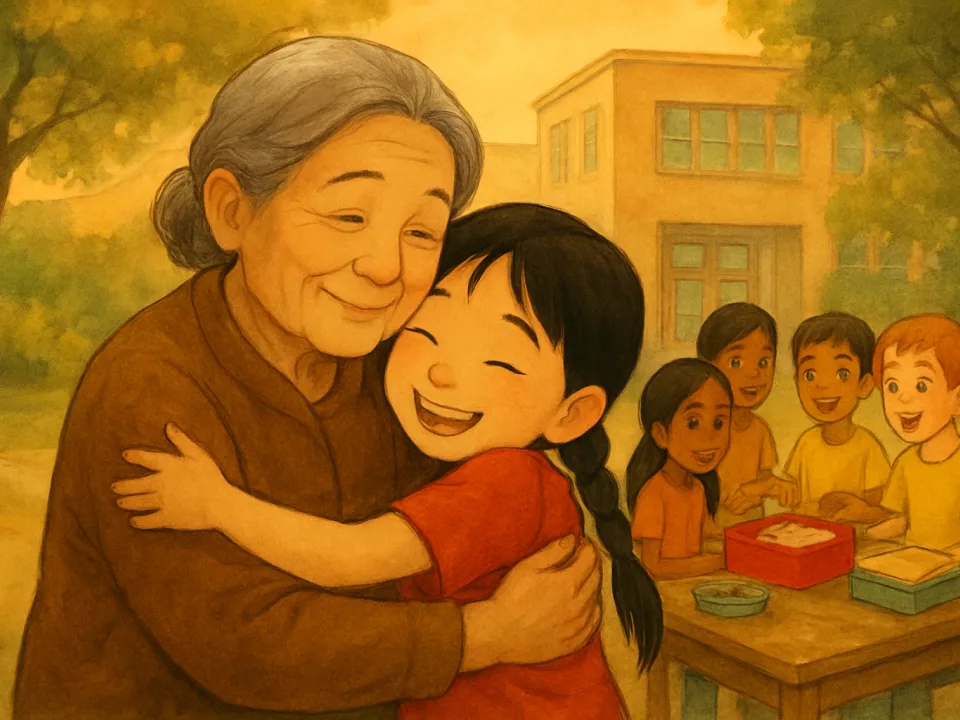
When Mia’s grandma visited for the first time, she watched as Mia and her friends passed around dumplings and pierogi, samosas and sandwiches—each child excited to learn, taste, and share.
That afternoon, Mia hugged her grandma and whispered, “Thank you for my lunchbox. It helped me make so many friends.”
Her grandma smiled, her eyes crinkling with pride. “When you share what’s different, you make the world brighter, Mia.”
That night, as Mia tucked her lunchbox away for the next day, she thought about all she had learned: about food, about friendship, and about the courage to be herself. She knew that every time she opened her lunchbox, she was sharing not just a meal, but a story—a story of family, tradition, and the joy of discovering something new with friends.

Related Stories
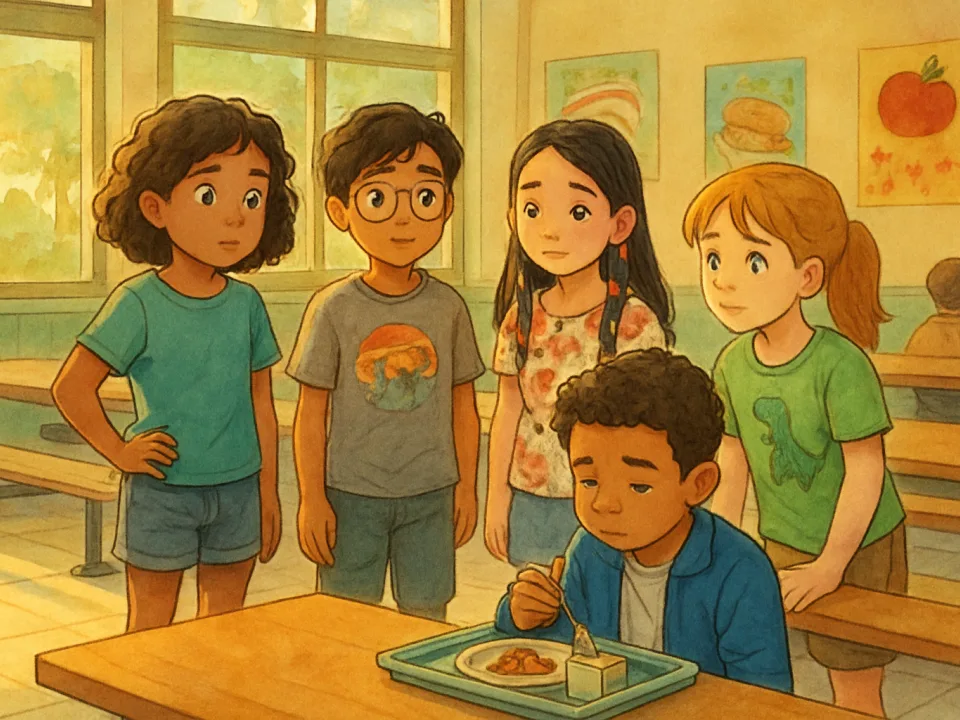
The Quiet Seat at Lunch: A Moral Story About Including the New Kid at School
The Quiet Seat at Lunch On the first Monday of May, the cafeteria at Maple Lane Elementary buzzed like a beehive.…
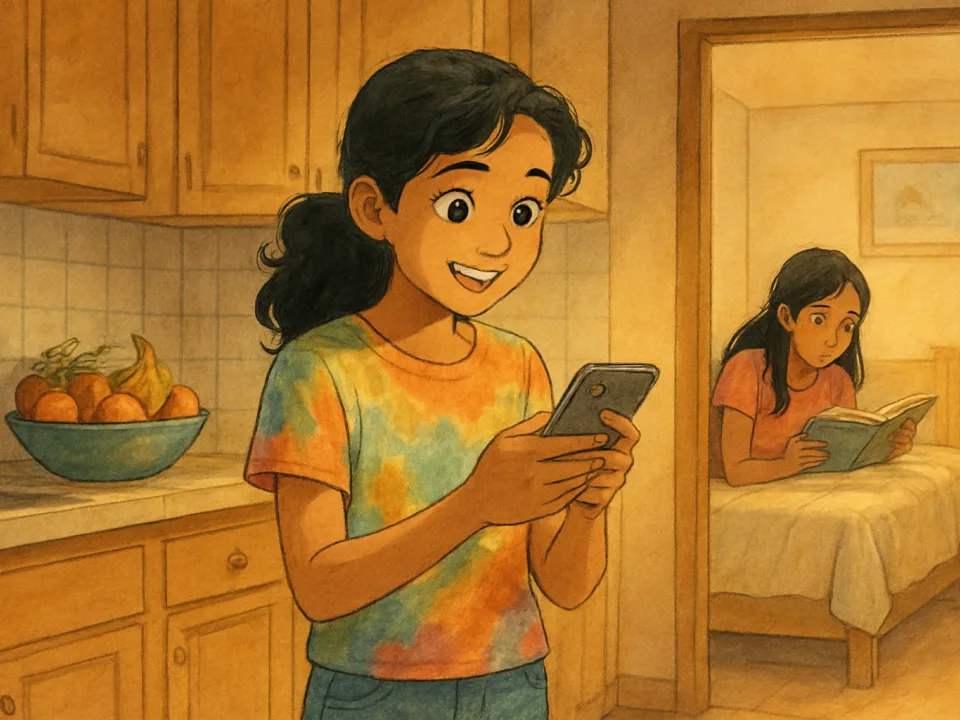
The Group Chat Trap: A Short Story About Cyberbullying and Online Kindness
The Group Chat Trap Maya's phone buzzed on the kitchen counter, lighting up with a new notification. She glanced at the…
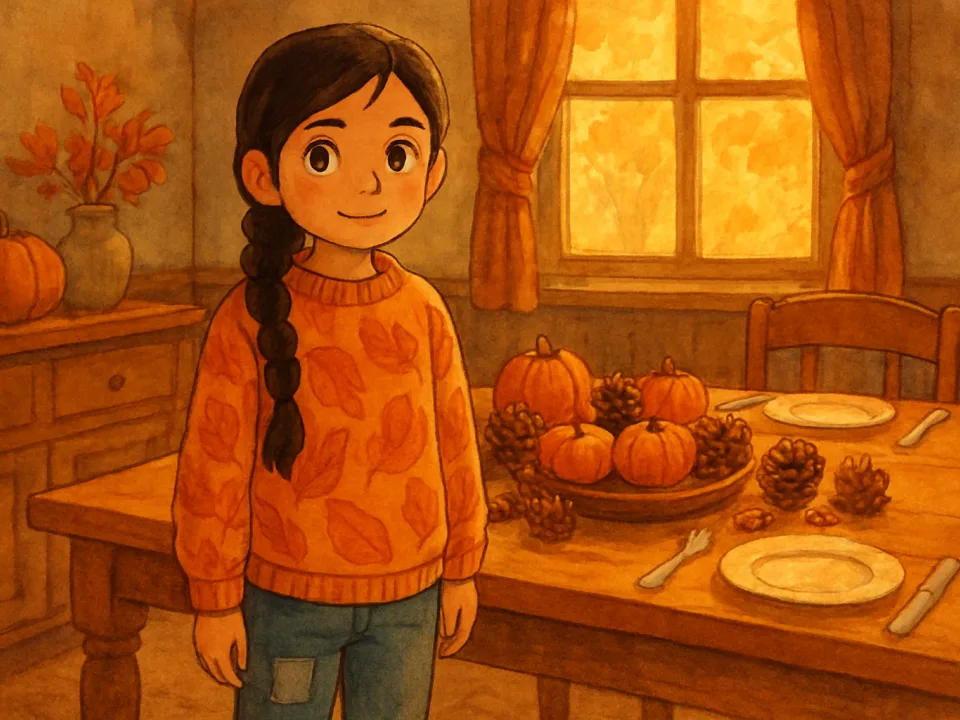
The Empty Chair at Harvest Dinner: A Thanksgiving Story About Gratitude and Inclusion
The Empty Chair at Harvest Dinner The golden leaves rustled outside the windows of the Peterson home, swirling across…
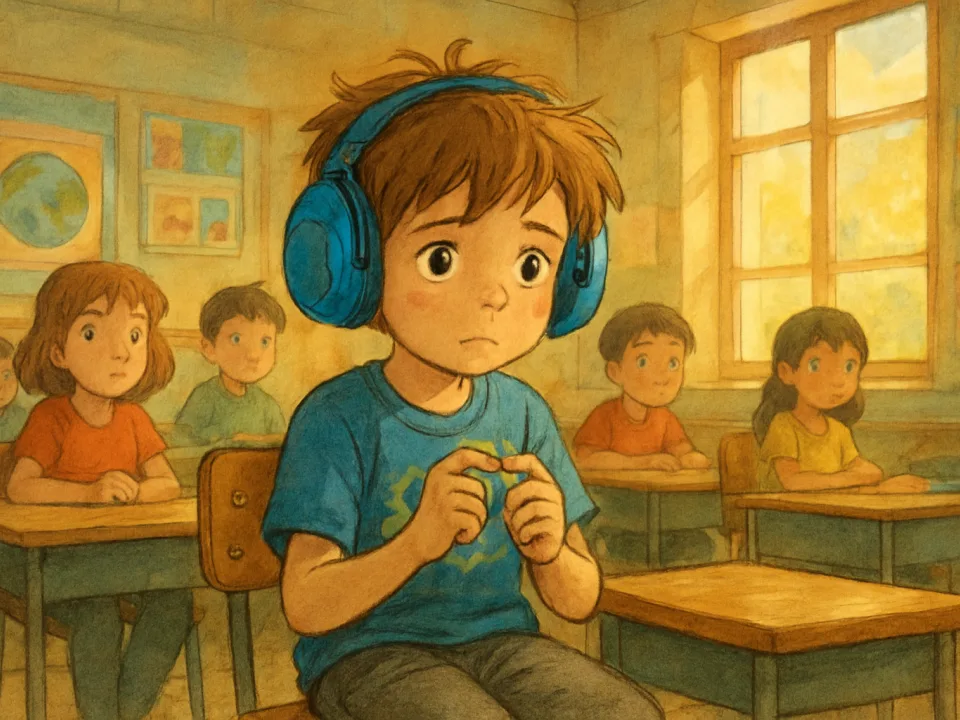
The Noise-Canceling Headphones: A Classroom Story About Autism, Empathy, and Kindness
The Noise-Canceling Headphones Lucas Miller loved the quiet. At home, he could read on his bed for hours, his window…
The Pumpkin Porch Light: A Friendly Halloween Moral Story About Welcoming Neighbors
The Pumpkin Porch Light October’s wind danced with swirling leaves on Maple Lane, painting the sidewalks gold and…

One Mean Comment: A Short Story About Digital Empathy and Thinking Before Posting
One Mean Comment: A Short Story About Digital Empathy and Thinking Before Posting Maya Alvarez sat at the corner desk…