
3 Respect Stories for Kids: Manners, Politeness & Dignity
Teaching children about respect is essential for nurturing kind, considerate, and well-mannered individuals. Respect isn’t just about using polite words; it’s about honoring others' feelings, valuing differences, and showing dignity to everyone we meet—be it family, friends, or strangers.
In this article, you'll find three engaging stories that illustrate the importance of respect in everyday life. Each tale offers a clear moral lesson and discussion prompts to help children understand why respecting others matters, how to demonstrate respect, and how respectful behavior can create a harmonious community.
Why Respect Matters
Respect builds trust, promotes kindness, and creates a positive environment both at home and in school. When children learn to treat others with consideration, they grow into adults who foster peace and understanding in the world. Stories are a wonderful way to teach these values because they connect moral lessons with relatable characters and situations.
Let's explore these stories and develop ways to talk about respect with your children or students.
Table of Contents
- Story 1: The Respectful Child and the New Student
- Story 2: The Teacher’s Dignity
- Story 3: The Family Dinner Manners
- [Practical Takeaways]
- [Conclusion]
Story 1: The Respectful Child and the New Student
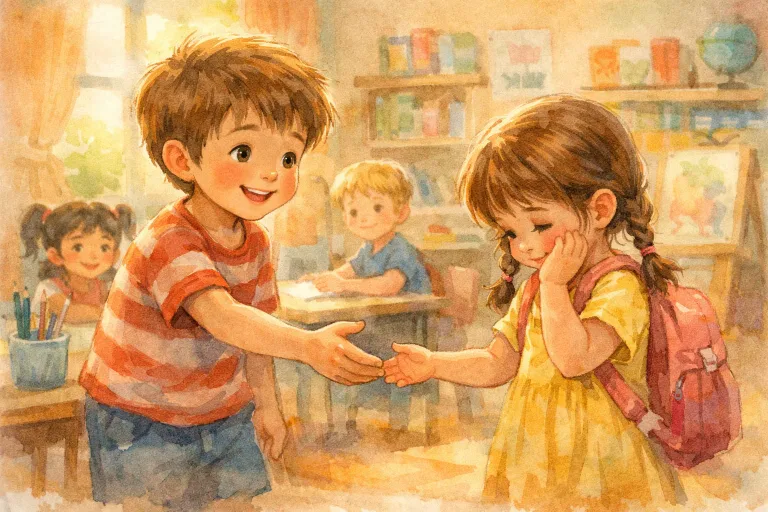
Once in a small town, there was a boy named Sam who loved to help his classmates. One day, a new student named Lina arrived at their school. She looked shy and a little nervous. The other children ignored her, but Sam decided to approach her.
Sam greeted Lina with a warm smile and asked if she needed help finding her classroom. When Lina hesitated, Sam patiently explained and even offered to sit with her during lunch. Over time, Lina felt more comfortable, and she was grateful for Sam’s kindness.
One afternoon, during a class project, Sam shared his ideas respectfully, listening carefully to others’ opinions. His classmates noticed how respectful and considerate he was, setting a good example for everyone.
Moral: Respect involves kindness and consideration for others, especially those who are new or different.
Talk About It:
-
Why do you think Sam was kind to Lina?
-
How can showing respect change the way we treat others?
-
Can you think of a time when being respectful helped you or someone else?
Story 2: The Teacher’s Dignity
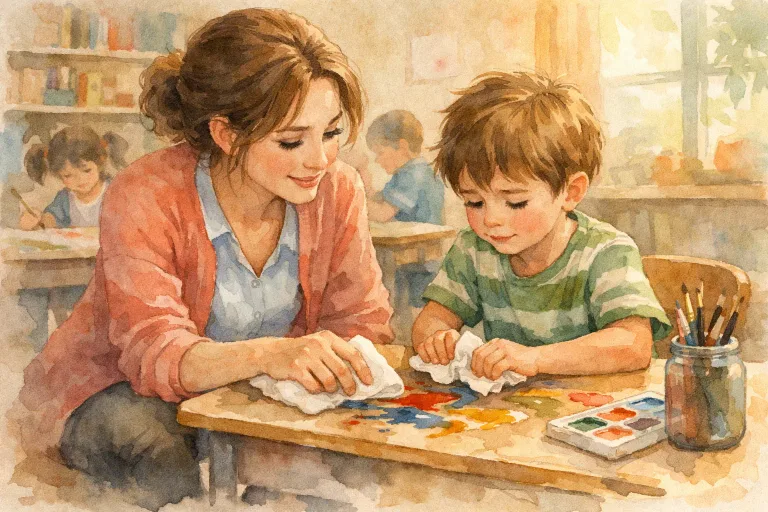
Mrs. Patel was a beloved teacher who always treated her students with respect and dignity. One day, a student named Raj accidentally spilled paint on her desk. Instead of scolding him, Mrs. Patel calmly helped him clean up and gently reminded him to be careful.
Later, during a parent-teacher meeting, Raj’s parents praised Mrs. Patel for her patience and respectfulness. She explained that every child deserves to be treated with kindness, even when mistakes happen.
The next day, Raj was extra careful and even helped his classmates. He learned that respecting others, especially authority figures like teachers, creates a positive environment for everyone.
Moral: Showing dignity and respect in our actions encourages others to do the same.
Talk About It:
-
Why is it important for teachers to treat students with respect?
-
How does respecting authority figures affect our daily life?
-
Have you ever been treated with dignity that made you feel good?
Story 3: The Family Dinner Manners
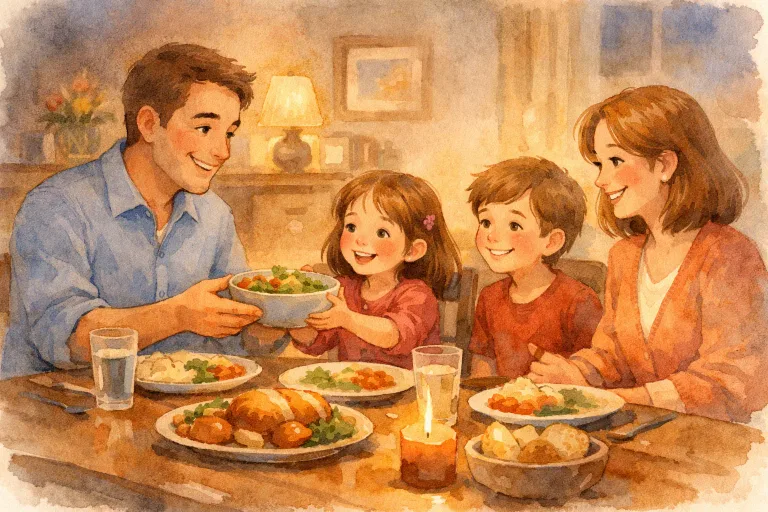
Every evening, the Kumar family gathered for dinner. One night, their daughter Priya was tempted to interrupt her parents or speak loudly. Her parents gently reminded her to wait until everyone finished talking and to use polite words.
Priya listened carefully and practiced good manners. She learned that respecting family members by listening patiently and speaking politely makes dinner time more pleasant for everyone.
The next day at school, Priya used her manners when talking to her friends and teachers. She realized that showing respect through manners helps build trust and strong relationships.
Moral: Good manners and respectful speech create harmony at home and everywhere else.
Talk About It:
-
Why are manners important during family meals?
-
How can polite words show respect to others?
-
What are some manners you can practice at school or with friends?
Practical Takeaways
- Teach children that respect is about kindness, listening, and dignity.
- Use stories to illustrate how respectful actions impact others positively.
- Encourage children to practice manners at home, school, and in the community.
- Reinforce the idea that everyone deserves respect, regardless of age or status.
Conclusion
Respect is a vital value that shapes how children grow and interact with others. Through simple stories and everyday practice, children learn to be polite, considerate, and kind. These qualities help them develop strong relationships and become respectful citizens.
Remember, teaching respect is a continuous journey that begins with small acts of kindness and understanding. Use stories like these to inspire meaningful conversations and nurture respectful behavior.
For more stories that promote moral values, explore our collection of moral stories about respect and teaching kids manners through stories. Together, we can help children grow into respectful and compassionate individuals.
Continue Exploring Moral Stories
Discover animated moral stories, browse by category, or find age-appropriate reads for your family.
You May Also Like
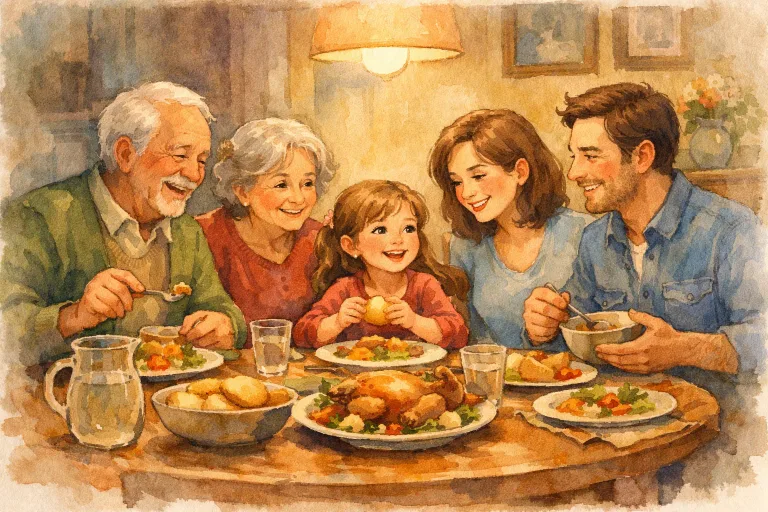
The Bond of Love: 5 Touching Family Moral Stories About Parents
Discover five touching family moral stories about parents, highlighting love, sacrifice, and the unbreakable bond between parents and children.
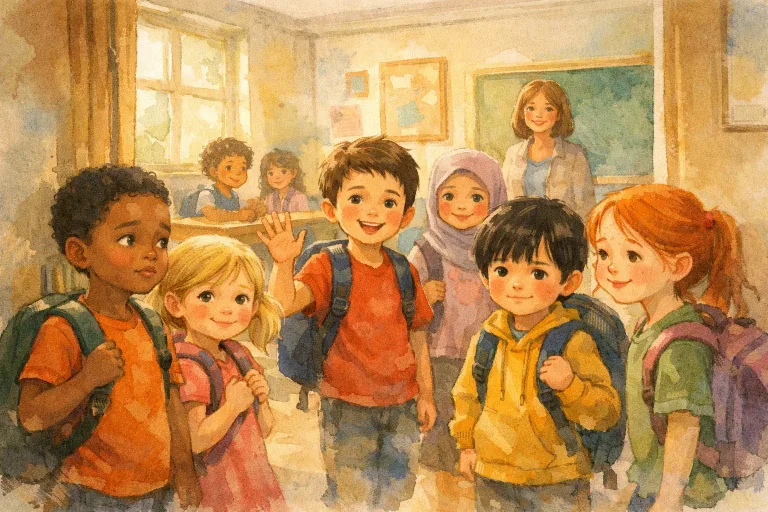
First Day Jitters: 5 Back-to-School Stories About Making New Friends
Ease first-day nerves with five back-to-school stories about making new friends, building confidence, and finding courage in new classrooms.
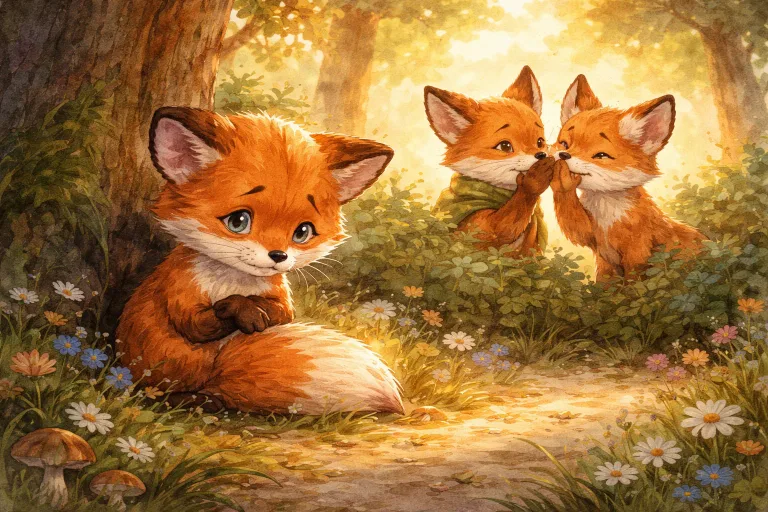
5 Betrayal Stories for Kids: Understanding Trust & Loyalty
Felix betrayed Sammy by hiding a feather and spreading secrets, learning that honesty and loyalty build true friendship, avoiding loneliness and hurt feelings.
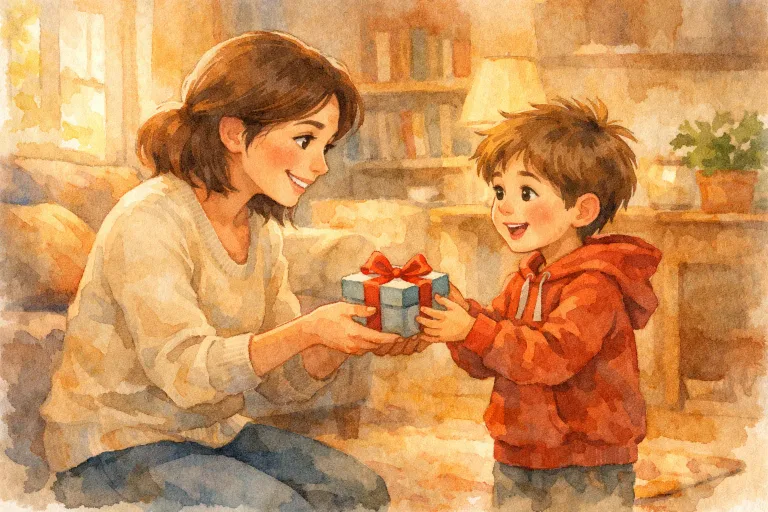
7 Stories About Respecting Parents: Honoring Mom & Dad
Discover 7 heartfelt stories that teach children the importance of respecting and honoring their parents. Foster gratitude, kindness, and family values today!