
10 Short Moral Stories for Kids Every Kindergarten Teacher Needs
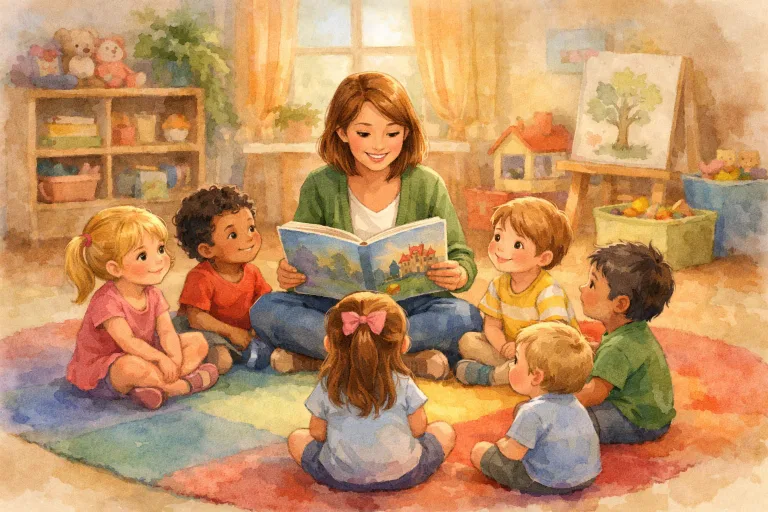
Sharing stories with a moral is one of the most powerful ways kindergarten teachers can nurture empathy, social skills, and values in the classroom. Whether used during circle time, quiet reading, or as part of a classroom routine, short moral stories help little learners understand right from wrong in a gentle, memorable way.
In this article, you'll find ten tried-and-true short moral stories for kindergarten, each with a clear lesson, vocabulary level notes, and teacher tips for discussion. These stories are perfect for teachers seeking classroom-ready tales that inspire kindness, honesty, courage, and friendship.
Table of Contents
- Why Moral Stories Matter in Kindergarten
- How to Use Moral Stories in the Classroom
- 10 Short Moral Stories for Kindergarten
- The Lion and the Mouse (Traditional)
- The Rainbow Crayons
- The Honest Little Rabbit
- The Lost Mitten
- The Sharing Squirrel
- The Kindness Seeds
- The Boy Who Cried Wolf (Traditional)
- The Helpful Ant
- The Two Friends and the Bear (Traditional)
- The Thankful Turtle
- Tips for Storytime Success
- Printable Story and Comprehension Questions
- Further Reading and Resources
Why Moral Stories Matter in Kindergarten
Kindergarteners are at a magical age for stories. They are developing language, imagination, and a sense of self. But they're also exploring how to be a friend, what it means to be honest, and how to work as part of a group.
Short moral stories offer gentle guidance. Through simple plots and relatable characters (often animals or everyday children), these tales:
- Teach important values like kindness, honesty, empathy, and sharing
- Help children understand consequences in a safe, non-threatening way
- Support language and listening skills
- Create opportunities for classroom discussion
- Foster a love of reading and storytelling
How to Use Moral Stories in the Classroom
Circle Time Favorites
Most kindergarten classes include a daily or weekly story time. Moral stories are perfect for these moments. Choose tales that are short (2–5 minutes) and feature clear, relatable situations.
Discussion and Reflection
After the story, invite children to share their thoughts. Ask questions like:
- What happened in the story?
- How did the character feel?
- What would you do?
- What lesson did we learn?
Role Play and Activities
Many stories lend themselves to simple dramatizations, puppets, or drawing activities. Reinforcing the story through play helps children internalize the message.
Vocabulary and Comprehension
Pause to explain new words and concepts. For example, if a story uses the word "generous," ask if anyone knows what it means, or act it out together.
10 Short Moral Stories for Kindergarten
Below you'll find a mix of classic fables and original tales, each with a simple moral. You may also find more animal-themed stories in The Ultimate List of Animal Moral Stories Your Kids Will Love and Animal Stories for Kids.
1. The Lion and the Mouse (Traditional, Aesop’s Fable)
Vocabulary Level: Simple
Summary: A mighty lion spares a tiny mouse. Later, the mouse returns the favor by freeing the lion from a hunter’s net.
Moral: Even small friends can help in big ways.
Teacher Tip: Great for teaching about kindness, gratitude, and how everyone has value.
2. The Rainbow Crayons (Original)
Vocabulary Level: Simple, color words
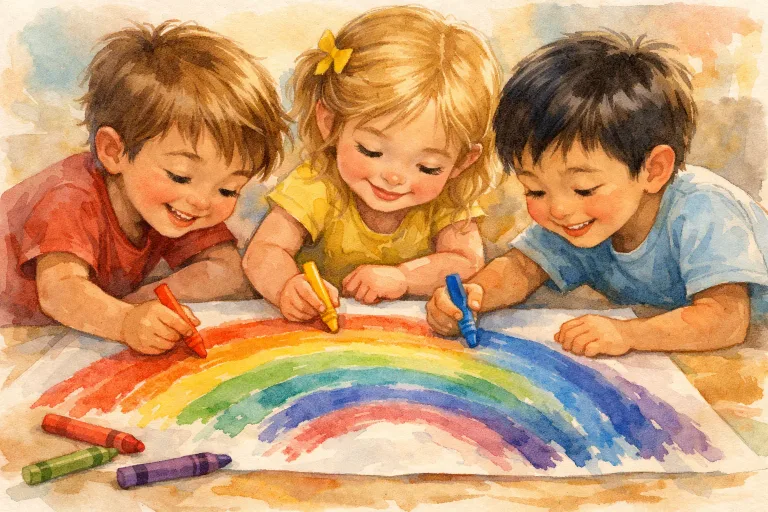
Summary: Each crayon in the box wants to be the most important. When they try to draw alone, their pictures look dull. But when they work together, they create a beautiful rainbow.
Moral: Working together makes things better.
Teacher Tip: Bring a box of crayons and let children draw their own rainbow picture after the story. Discuss teamwork.
3. The Honest Little Rabbit (Original)
Vocabulary Level: Simple, honesty words
Summary: Lily Rabbit finds a shiny marble on the playground. She wants to keep it, but she remembers her teacher’s rule to always tell the truth. Lily returns the marble to her friend.
Moral: Honesty is always the best choice.
Teacher Tip: Use this story to spark a conversation about honesty and returning things that don’t belong to us. For more, see 5 Short Stories About Honesty That Will Stop Your Child From Lying.
4. The Lost Mitten (Original)
Vocabulary Level: Simple, winter clothing
Summary: Max loses his mitten in the snow. He feels sad, but when he asks his classmates for help, they all look together and find it.
Moral: Friends help each other.
Teacher Tip: Act out searching for the mitten as a group, or use a real mitten as a prop.
5. The Sharing Squirrel (Original)
Vocabulary Level: Simple
Summary: Squeaky the squirrel gathers nuts for winter. When he sees his friend Chipper is hungry, Squeaky shares his food.
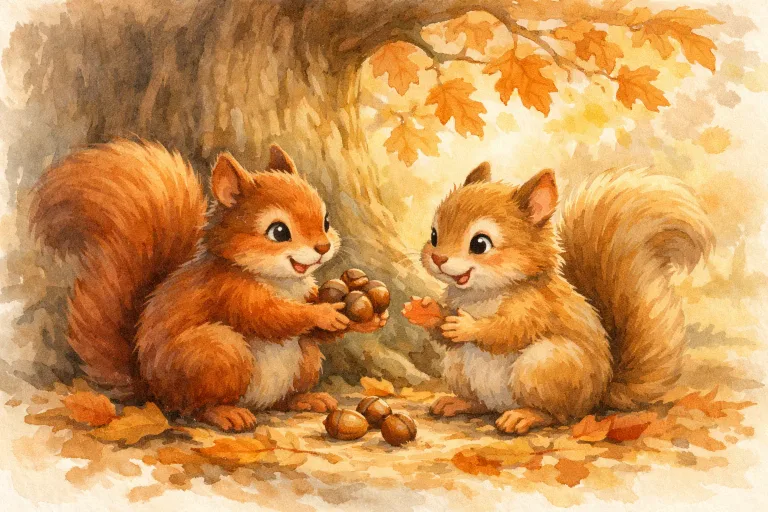
Moral: Sharing brings happiness to everyone.
Teacher Tip: Excellent for circle time during snack or before lunch. Connect to lessons about generosity and friendship. For more on sharing, check Stories About Sharing for Toddlers.
6. The Kindness Seeds (Original)
Vocabulary Level: Simple, nature words
Summary: A little girl plants seeds and waters them every day. As the seeds grow into flowers, she shares their beauty with her neighbors.
Moral: Small acts of kindness can grow into something beautiful.
Teacher Tip: This story pairs well with a classroom planting project or kindness chart. Explore more kindness tales in Kindness Moral Stories and Random Acts of Kindness: 7 Short Stories That Inspire Empathy.
7. The Boy Who Cried Wolf (Traditional, Adapted)
Vocabulary Level: Simple, farm/animal words
Summary: A boy keeps tricking villagers by calling “Wolf!” when there is no wolf. When a real wolf appears, no one believes him.
Moral: If you tell lies, people won’t trust you.
Teacher Tip: Use puppets or simple props to act out the story. Reinforce the importance of telling the truth.
8. The Helpful Ant (Original)
Vocabulary Level: Simple, insect words
Summary: Anna the ant sees her friend struggling to carry a crumb. She offers to help, and together they succeed.
Moral: Helping others makes work easier and more fun.
Teacher Tip: Let children pair up for a simple "ant teamwork" game, carrying objects together.
9. The Two Friends and the Bear (Traditional, Adapted)
Vocabulary Level: Simple, friendship words
Summary: Two friends walk through the woods. When a bear appears, one friend climbs a tree and leaves the other behind. The bear leaves, and the friend learns who his true friend is.
Moral: True friends stand by each other.
Teacher Tip: After the story, discuss what makes a good friend. Explore more in Friendship Moral Stories.
10. The Thankful Turtle (Original)
Vocabulary Level: Simple, gratitude words
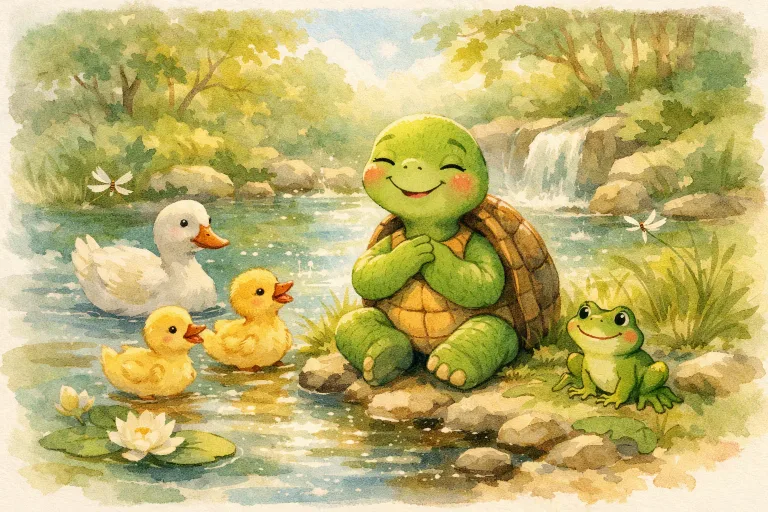
Summary: Toby the turtle feels grumpy until he remembers all the things he’s grateful for: his shell, his friends, his pond. Suddenly, he feels happy again.
Moral: Being thankful makes us happier.
Teacher Tip: Start a classroom gratitude jar or list. For more gratitude-focused tales, try Thankful Hearts: 7 Beautiful Thanksgiving Stories for Children.
Tips for Storytime Success
- Keep it short and sweet: Young children have short attention spans. Choose stories that can be read aloud in 2–5 minutes.
- Use props or puppets: Simple visuals help engage listeners.
- Encourage participation: Pause to ask questions, make predictions, or act out parts.
- Repeat key morals: Reinforcing the lesson helps children remember.
- Connect to real life: Relate the story to classroom experiences or children’s lives.
Printable Story and Comprehension Questions
The Sharing Squirrel (Printable Story)
The Sharing Squirrel
Squeaky the squirrel loved to gather nuts. Every day, he searched the forest for the shiniest acorns and the biggest walnuts. One chilly afternoon, Squeaky saw his friend Chipper looking sad and hungry.
Squeaky remembered how happy he felt after a good meal. He scampered over and offered Chipper some of his precious nuts.
Chipper’s eyes lit up. “Thank you, Squeaky! You’re a good friend.” The two friends munched together, warm and happy under the big oak tree.
Moral: Sharing brings happiness to everyone.
Comprehension Questions:
- What did Squeaky like to collect?
- Why was Chipper sad?
- How did Squeaky help his friend?
- How did the friends feel after sharing?
- What is the lesson of the story?

Further Reading and Resources
- Find more quick tales in 10 Quick 2-Minute Moral Stories Perfect for School Morning Assembly
- Explore Bedtime Stories for Kids for gentle, calming tales
- Try Easy Reading: 10 Simple English Moral Stories for ESL Learners for language learners
- For hands-on printable resources, visit Free Downloads: 5 Printable Moral Stories With Comprehension Questions
Kindergarten is the perfect time to plant the seeds of good character. With these short moral stories, you’ll inspire your students to be kinder, more honest, and better friends—all while building a lifelong love of stories. Happy storytelling!
Continue Exploring Moral Stories
Discover animated moral stories, browse by category, or find age-appropriate reads for your family.
You May Also Like
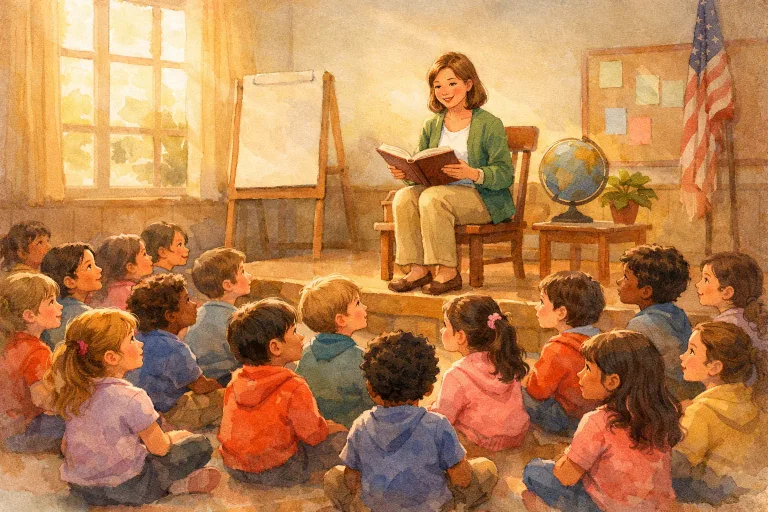
10 Quick 2-Minute Moral Stories Perfect for School Morning Assembly
Start your school day with these 10 quick, impactful moral stories—each takes just two minutes and comes with a clear message for assembly.
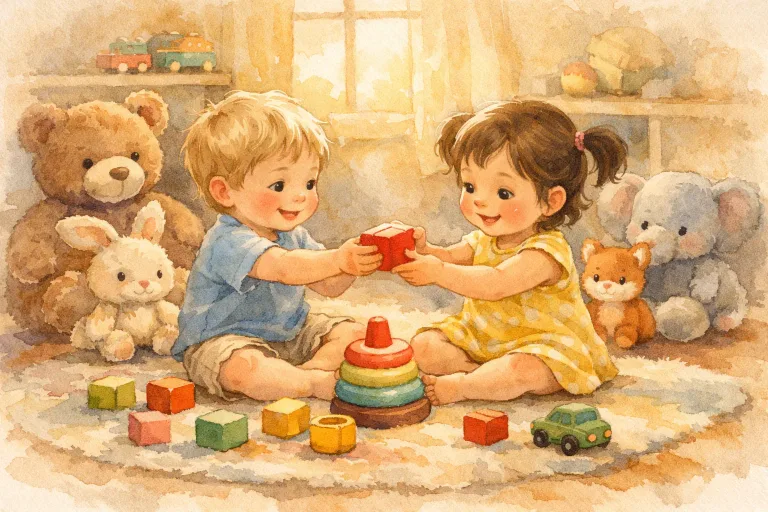
7 Simple Stories About Sharing to Teach Your Toddler Kindness
Teach your toddler kindness and empathy with these seven gentle, easy-to-understand stories about sharing, perfect for family read-aloud time.
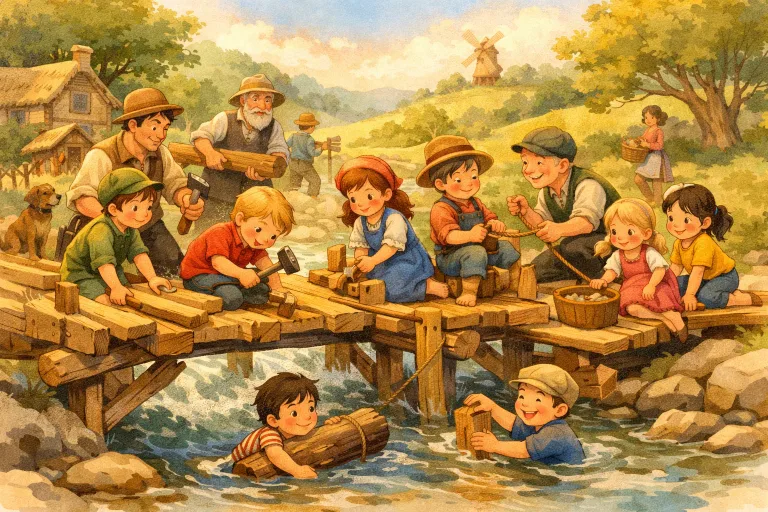
3 Teamwork Stories for Kids: Achieving Big Goals Together
Discover three inspiring teamwork stories for kids that teach valuable lessons about collaboration, sharing talents, and achieving big goals together through engaging narratives.
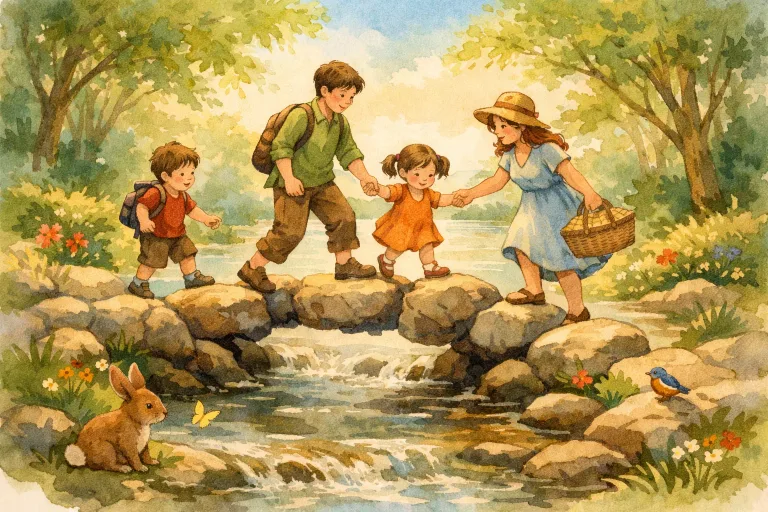
5 Cooperation Stories for Kids: Teamwork & Working Together
Discover five inspiring cooperation stories for kids that highlight the power of teamwork, sharing, and working together to achieve great goals. Perfect for classroom and family lessons.