
7 Simple Stories About Sharing to Teach Your Toddler Kindness
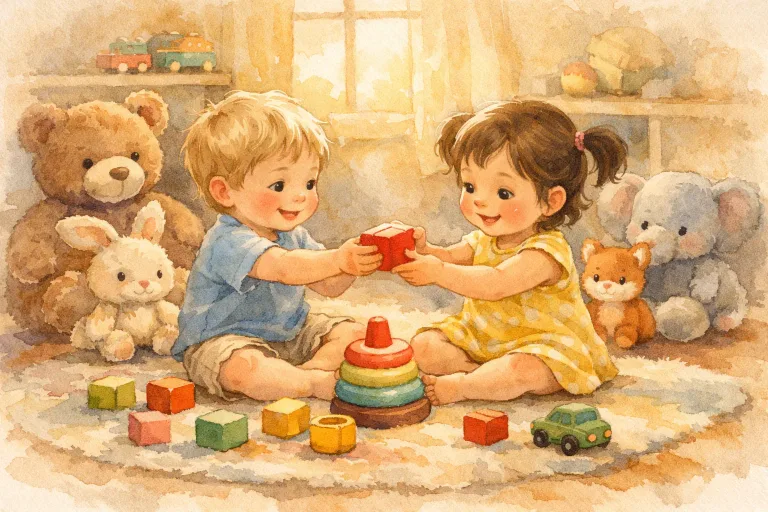
Welcome to a world where little acts of sharing spark big lessons in kindness! Sharing doesn’t come naturally to most toddlers. In fact, it’s perfectly normal for young children to be protective of their toys, snacks, and special treasures. Yet, with gentle storytelling, we can help toddlers start to understand the joy and importance of sharing with others.
This article brings you seven simple, sweet stories about sharing—each crafted to be just right for toddlers. Alongside each story, you’ll find tips for reading aloud and ideas for talking about kindness in everyday play.
Table of Contents
- Why Is Sharing So Hard for Toddlers?
- How Stories Help Toddlers Learn to Share
- 7 Simple Stories About Sharing
- Tips for Reading Sharing Stories Aloud
- Simple Questions to Spark Kindness Conversations
- More Moral Stories That Teach Kindness
Why Is Sharing So Hard for Toddlers?
Sharing is a huge milestone for young children. Toddlers are in the early stages of developing a sense of self and what belongs to them. Their brains are busy learning about ownership and boundaries—which means sharing can feel uncomfortable, confusing, or even scary!
Common reasons toddlers struggle with sharing:
- They are still learning about empathy—understanding how others feel.
- Their sense of ownership is developing; “Mine!” is a powerful feeling.
- Waiting and turn-taking are new skills and can be tough.
- Sharing may feel like losing something precious.
It’s important to remember that these struggles are normal. Gentle guidance, lots of patience, and positive stories can help toddlers learn to share at their own pace.
How Stories Help Toddlers Learn to Share
Stories are magical for toddlers. When they hear about characters sharing and being kind, they begin to see that sharing isn’t about losing—it’s about connecting and making friends. Simple moral stories provide safe, imaginary practice for real-life situations.
Stories help by:
- Modeling positive sharing behaviors.
- Allowing children to see how characters feel before and after sharing.
- Providing talking points for parents and teachers.
- Turning tricky situations into playful, memorable learning moments.
7 Simple Stories About Sharing
Below, you’ll find seven easy-to-read stories about sharing. Each one includes a toddler-friendly plot, a moral, and parent read-aloud ideas. These stories can be read at bedtime, circle time, or anytime sharing needs a gentle nudge!
1. The Colorful Crayons
Story:
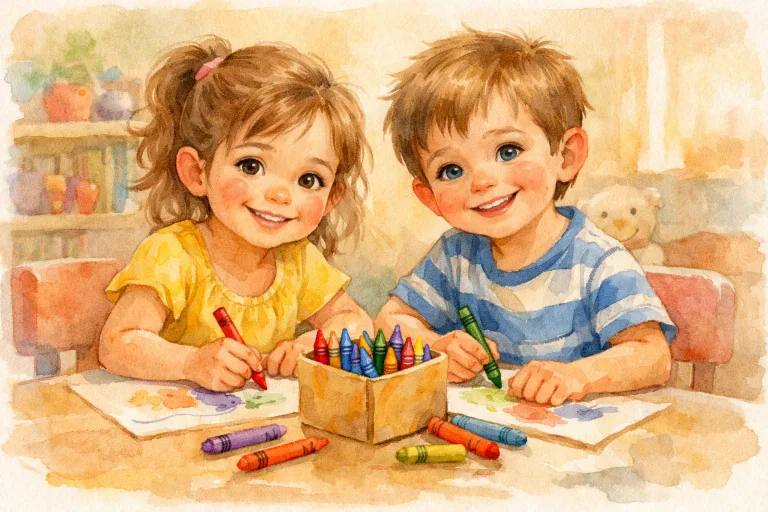
Maya loved her big box of crayons. She liked to use ALL the colors for her drawings. One day, her friend Leo wanted to draw with her. Maya didn’t want to share—what if he broke her favorite purple crayon? But when she saw Leo’s sad face, Maya remembered how happy it felt when someone shared with her. She handed Leo the blue crayon. Soon, their drawings filled the table and laughter filled the room. Sharing her crayons made art time double the fun!
Moral: Sharing makes playtime brighter—for everyone.
Read-aloud tip: Use different voices for Maya and Leo. Ask, “How do you think Maya feels when she sees Leo’s face?”
2. Bella Bird and Sammy Squirrel’s Sweet Forest
Adapted from: Joy of Sharing: Bella Bird and Sammy Squirrel’s Sweet Forest
Story:
Bella Bird found a bush full of juicy berries. She wanted to eat them all herself! But when she saw her friend Sammy Squirrel looking hungry, she invited him to share. They each enjoyed half, and the berries tasted even sweeter together. Bella learned that sharing with a friend turned a simple snack into a special memory.
Moral: Shared treats are sweeter.
Read-aloud tip: Point to the characters as you read, and encourage your toddler to pretend to pick berries and offer them to you or a friend.
3. The Empty Lunch Box
Adapted from: Empty Lunch Box: A Kindness Story for Kids About Sharing and
Story:
At preschool, Max opened his lunch box and found it empty—he had forgotten his lunch! His classmates noticed. One by one, they offered him a bit of their food. Max got a piece of apple, half a sandwich, and a couple of grapes. He felt happy and cared for. The next day, Max remembered to bring an extra snack to share with a friend who might need it.
Moral: Sharing helps everyone feel included and loved.
Read-aloud tip: Pause and ask, “How do you think Max felt? Would you share your snack if a friend forgot theirs?”
4. The Block Tower
Story:
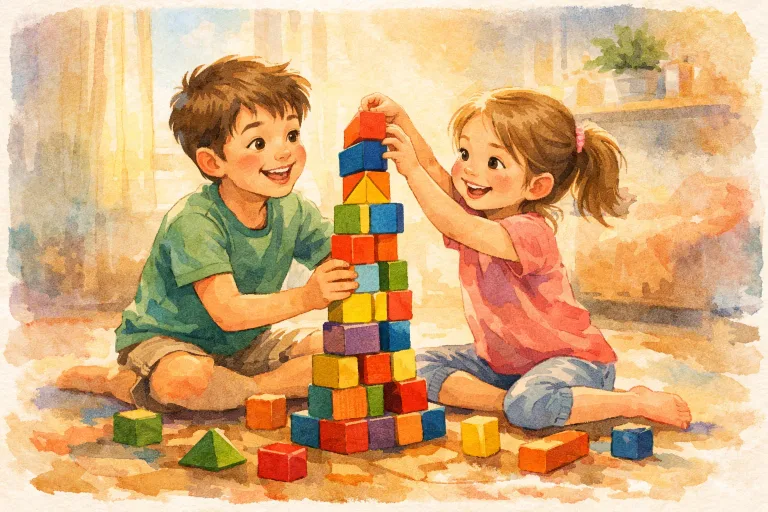
Lila built a tall tower with her blocks. Her brother, Jonah, wanted to add a block too. Lila said, “No, it’s mine!” But when her tower wobbled, Jonah held it steady. Lila smiled and said, “Let’s build it together.” With two sets of hands, their tower grew even taller. Lila learned that sharing can make things stronger and more fun!
Moral: Sharing helps us build better things—together.
Read-aloud tip: While reading, use building motions and ask your toddler, “Can you help steady the tower?”
5. The Baker’s Kindness
Adapted from: The Baker’s Kindness: A Gentle Story for Kids About Sharing
Story:
In a cozy village, a baker made warm, yummy bread. One snowy day, a child came in—she had no money, but her tummy rumbled. The baker offered her a loaf with a smile. Soon, other villagers saw the baker’s kindness and began sharing their bread too. The village became a warmer, happier place because everyone shared what they had.
Moral: Kindness grows when we share with others.
Read-aloud tip: Pretend to knead dough and share slices with stuffed animals or dolls as you read.
6. Rosie and the Red Ball
Story:
Rosie had a shiny red ball. She loved to bounce it high! When Timmy asked to play, Rosie felt unsure—what if Timmy didn’t give it back? But Timmy waited patiently, and Rosie decided to try. They took turns bouncing the ball, and Rosie saw that playing together was even more fun than playing alone. When it was time to go, Timmy handed the ball back and said, “Thank you for sharing!”
Moral: Sharing builds trust and happy friendships.
Read-aloud tip: Use a ball or an imaginary one as a prop. Take turns rolling or bouncing it as you read.
7. Sharing at the Picnic
Story:
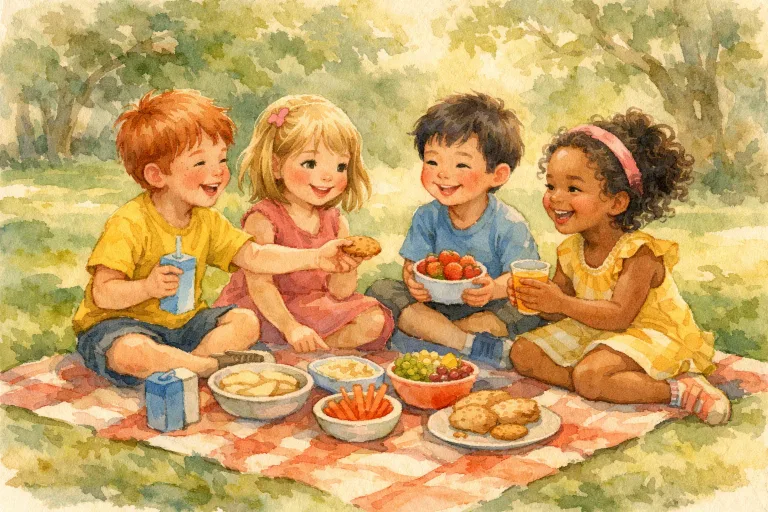
At the park, the children brought toys and snacks for a picnic. Mia had a tiny teddy, and Lucas brought a big truck. At first, each played alone. But soon, they noticed it was more fun to swap toys, trade snacks, and play together. When it was time to go home, everyone agreed: Sharing made their picnic the best ever.
Moral: Sharing brings everyone together in friendship and fun.
Read-aloud tip: Set up a pretend picnic with your toddler’s toys and practice sharing snacks and toys with you or siblings.
Tips for Reading Sharing Stories Aloud
- Keep it cozy: Toddlers love stories best when they’re snuggled up close to you.
- Use props: Stuffed animals, toy blocks, or play food help little ones act out the stories.
- Pause for feelings: Ask how characters might feel before and after sharing.
- Celebrate small steps: Praise any attempts your toddler makes to share during or after the story.
- Repeat often: Toddlers need to hear stories many times to learn from them. Repetition builds understanding.
Simple Questions to Spark Kindness Conversations
Use these questions after reading to help toddlers think about sharing:
- How did the characters feel before and after they shared?
- What would you do if you were Maya/Max/Lila?
- How do you feel when someone shares with you?
- Can we think of something to share right now?
Making sharing a part of daily routines—like snack time, playtime, or story time—helps children practice kindness in real life.
More Moral Stories That Teach Kindness
Looking for more ways to nurture empathy and kindness? Explore these gentle, toddler-friendly stories:
- Random Acts of Kindness: 7 Short Stories That Inspire Empathy
- Kindness Moral Stories
- How to Teach Empathy: 5 Powerful Anti-Bullying Stories for Kids
- How to Say Thank You: 7 Beautiful Stories That Teach Kids Gratitude
Stories are the heart of gentle learning. Whenever you share one with your toddler, you’re planting the seeds of kindness, joy, and friendship—one tiny tale at a time.
Continue Exploring Moral Stories
Discover animated moral stories, browse by category, or find age-appropriate reads for your family.
You May Also Like
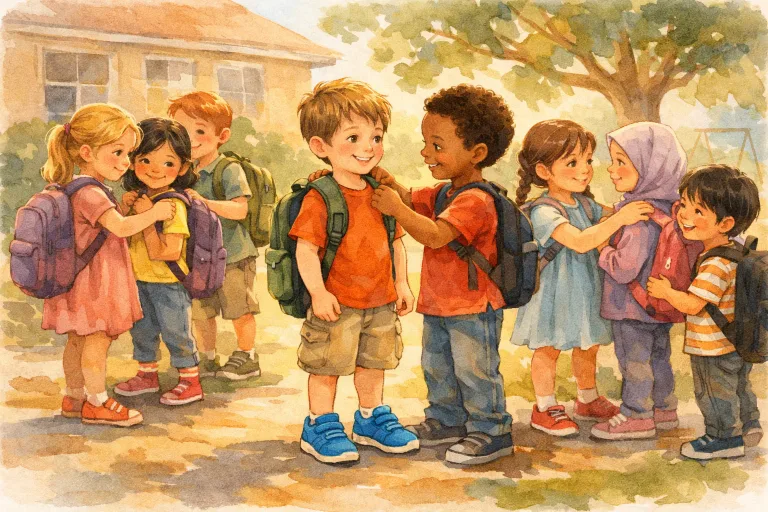
How to Teach Empathy: 5 Powerful Anti-Bullying Stories for Kids
Empathy can be taught. Use these five anti-bullying stories to help children understand kindness, inclusion, and the courage to stand up for others.
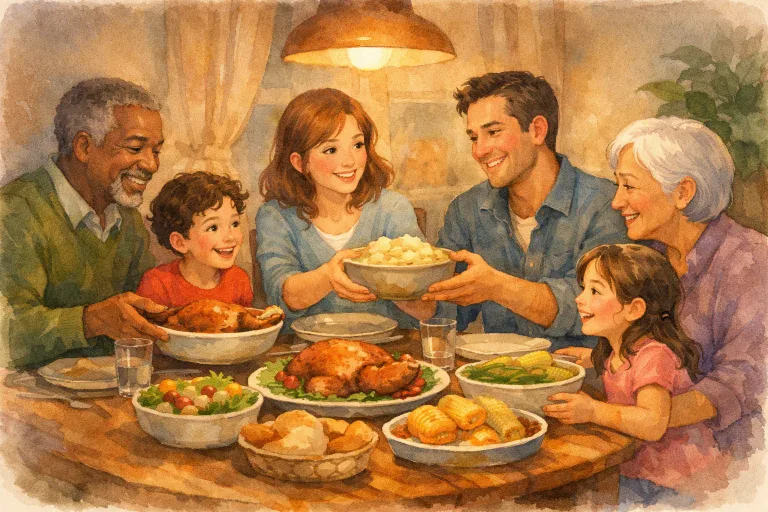
How to Say Thank You: 7 Beautiful Stories That Teach Kids Gratitude
Discover seven heartwarming moral stories that teach children the beauty of gratitude and thankfulness, along with simple family habits to nurture appreciation every day.

5 Acceptance Stories for Kids: Embracing Differences & Diversity
Fluffy the colorful cloud teaches children that embracing differences can bring beauty, help others, and foster kindness in a diverse world.
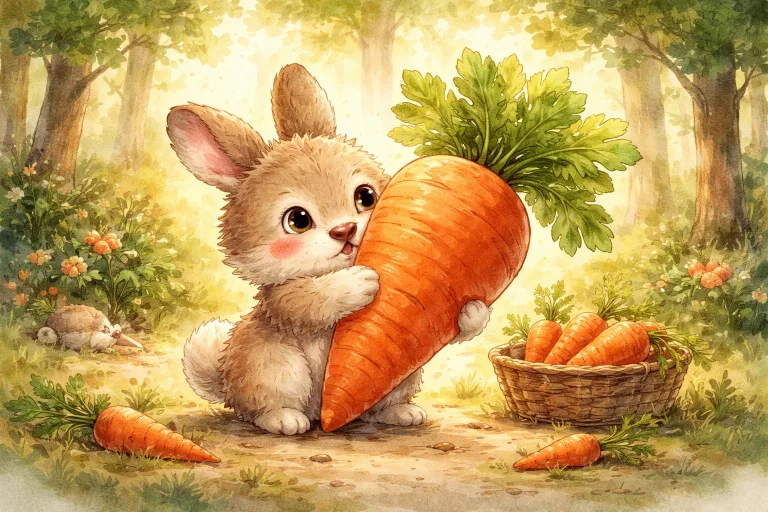
4 Selfishness Stories for Kids: Thinking Beyond Yourself
Benny refused to share his carrot, but after realizing sharing brings happiness, he offers pieces to friends, learning that kindness builds true friendship.