
4 Selfishness Stories for Kids: Thinking Beyond Yourself
Children are naturally curious and often eager to learn about the world around them. One important lesson they need to grasp is understanding how their actions affect others. Stories are a wonderful way to teach kids about moral values like sharing, kindness, and compassion. In this article, we will explore four engaging stories that highlight the pitfalls of selfishness and the benefits of thinking beyond oneself. These tales aim to help young readers develop empathy and learn the importance of putting others’ needs before their own in a gentle, memorable way.
By understanding the consequences of selfish behavior through stories, children can better appreciate why kindness, sharing, and caring matter. These stories serve as powerful tools for parents and educators to foster moral development and encourage children to grow into considerate individuals. For more ideas on teaching these important values, check out our 8 Sharing Stories for Kids: Learning Generosity Through Tales, which offers additional inspiring stories about giving and sharing.
Why Selfishness Matters
Selfishness might seem harmless in small doses — grabbing the biggest slice of cake or keeping all the toys to oneself. However, when children act only in their own interest without regard for others, it can lead to loneliness, conflicts, and damaged friendships. Teaching kids about the importance of thinking beyond themselves helps foster social skills, cooperation, and empathy. Selfish behaviors can hinder their ability to develop meaningful relationships and understand the feelings of others.
Understanding why selfishness matters is crucial because it shapes how children behave in social settings and influences their character as they grow older. Stories that highlight the effects of selfishness and contrast them with acts of kindness can help children see the value of sharing, caring, and working together. For example, exploring 5 Generosity Stories for Kids: Short Tales on Giving & Sharing can deepen their understanding of the positive outcomes that come from caring for others.
8 Sharing Stories for Kids: Learning Generosity Through Tales · 5 Generosity Stories for Kids: Short Tales on Giving & Sharing · 7 Simple Stories About Sharing to Teach Your Toddler Kindness · 3 Kindness Stories for Kids That Teach Empathy & Helping Others
Table of Contents
- Story 1: The Girl Who Would Not Share
- Story 2: The Boy Who Learned to Give
- Story 3: The Greedy Crow and the Golden Nuts
- Story 4: The Selfish Lion and the Helpful Animals
The Importance of Sharing: Stories about Selfishness for Kids, Parents, and Teachers
Introduction
Selfishness can sometimes be like a wall that keeps us from making friends, sharing joy, or helping others. While it's natural to care about ourselves, excessive selfishness can make others feel left out and lonely. Teaching children about the importance of sharing and caring helps them become kind and considerate people. Through stories, children can see how selfishness affects everyone around them—and how sharing and kindness can make the world brighter.
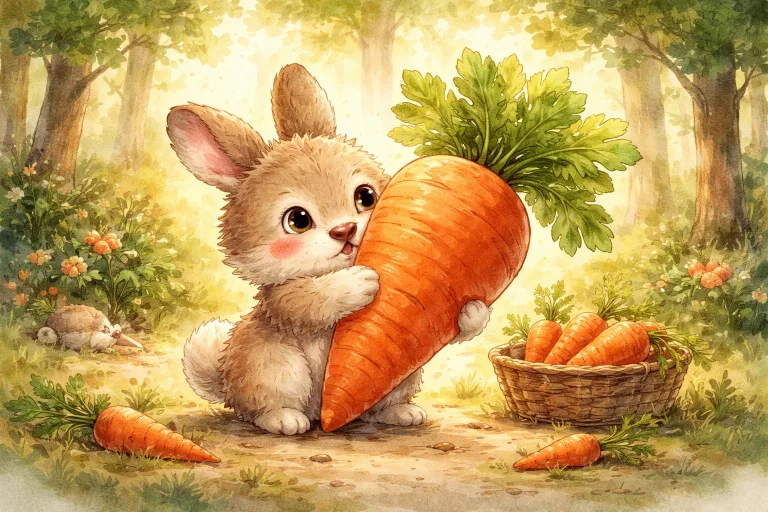
Story 1: The Greedy Bunny and the Big Carrot
Once upon a time in a lush green meadow, there lived a little bunny named Benny. Benny loved carrots more than anything. One day, he found the biggest, juiciest carrot he had ever seen. It was so big that Benny thought, "This carrot is mine! I don’t want to share it with anyone."
Benny grabbed the carrot and started munching happily. But soon, other animals came by—Maggie the mouse, Tommy the turtle, and Sammy the squirrel. They saw Benny with the big carrot and asked, “Can we share it, Benny? It looks delicious!”
But Benny just shook his head. “No! It’s mine. I found it first!” he said stubbornly.
The other animals looked sad. They wanted to share the carrot, but Benny wouldn’t let them. As Benny kept eating, he noticed that his friends were leaving, feeling upset. Soon, Benny was all alone, with no one to share the carrot with.
Later, an old wise owl told Benny, “Sharing makes everyone happy, Benny. When you share your food or toys, your friends will want to be with you. But if you’re selfish, you’ll end up lonely.”
Benny thought for a moment. He realized that sharing the carrot could make his friends smile. So, he offered a piece to each animal. They all cheered and enjoyed the tasty carrot together.
From that day on, Benny understood that sharing was much better than being selfish. It brought him happiness, and he made many new friends.
Moral: Sharing with others brings true happiness and friendship.
Talk About It
- Why do you think Benny was happy after sharing his carrot?
- How do you feel when someone shares with you?
- Can you think of a time when sharing made you happy?
Story 2: The Little Cloud’s Big Wish
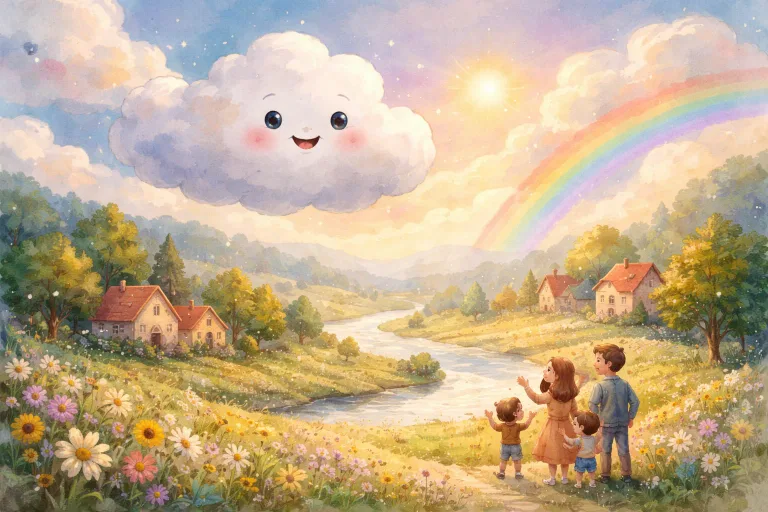
In a bright blue sky, high above a bustling town, floated a tiny cloud named Puffy. Puffy loved to drift lazily and watch the world below. But he was often very focused on what he wanted — he dreamed of becoming the biggest, fluffiest cloud anyone had ever seen. Every day, Puffy would look around and think, “If only I could get bigger and bigger, everyone would notice me!”
One morning, Puffy saw a big, dark cloud gathering in the sky. It looked powerful and grand, and Puffy wished he could be just as huge. As the cloud grew larger, it started blocking out the sun, making the town below darker. People and animals looked up and fanned their faces, seeking the sunlight they missed. Puffy watched and thought, That big cloud is so important. If I were that big, everyone would know me.
But Puffy didn’t notice what was happening below. He was too busy wishing for himself. He didn’t think about how the darkness affected the children playing outside or the farmer working in his fields. The dark cloud kept growing, taking over more space in the sky. Soon, no sunlight reached the town, making everyone sad and uncomfortable.
Then, Puffy saw a tiny bird trying to catch a bug. The bird was struggling because the shadow of the big cloud blocked the sun, making it harder to find food. Puffy felt a little tug in his fluffy heart. He realized that his desire to be the biggest cloud was selfish. If he kept growing, he would make things worse for everyone around him.
Feeling a bit guilty, Puffy slowly drifted away from the dark cloud. As he did, the big cloud began to shrink, and the sun shone brightly again. The children cheered and the animals danced happily. Puffy learned that being selfish — only thinking about himself and what he wanted — could hurt others. Instead, sharing space and being considerate can bring happiness to everyone.
Moral: Putting others first and sharing what we have can make the world a brighter, happier place.
Talk About It:
- Why do you think Puffy’s wish to be the biggest cloud was selfish?
- How do you feel when someone only thinks about themselves, like Puffy did?
- What can you do when you see someone feeling left out or upset because of someone else’s actions?
Story 3: The Little Fox and the Sharing Tree
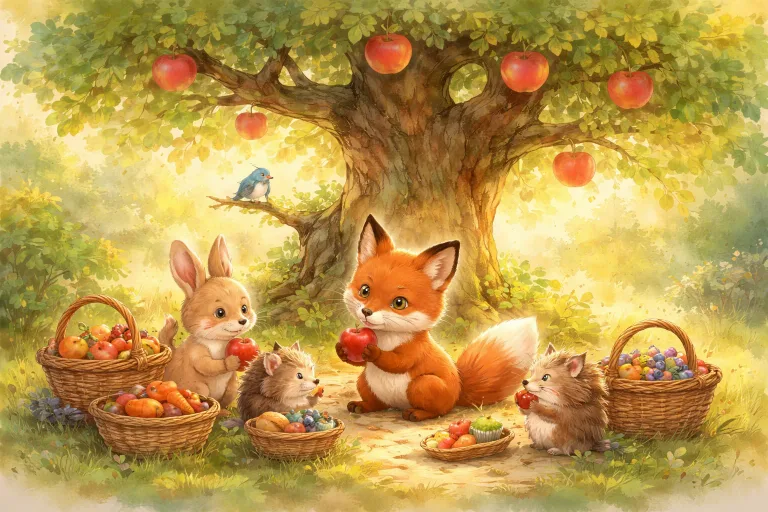
Once upon a time, in a lush green forest, there was a little fox named Felix. Felix was clever and swift, but he had one problem — he loved to keep everything to himself. Whenever the other animals found tasty berries or soft leaves to rest on, Felix would quickly gather as much as he could and hide it away, never sharing with anyone. “This is mine,” he’d say, tucking a shiny pebble into his little pouch or hiding a stash of berries in a hollow tree.
One bright morning, Felix discovered a tall, magnificent Sharing Tree. Its branches were filled with juicy fruits and sweet nuts. Felix’s eyes sparkled at the sight, but he immediately thought, “These are mine now. I don’t want to share them.”
As the days went by, more animals came to enjoy the Sharing Tree. The wise old owl, the busy squirrels, and even the shy deer would come to eat the delicious treats. Felix, however, refused to share. He ate alone, hoarding his bounty and feeling proud of how clever he was to keep everything for himself.
But one day, a gentle rain began to fall. The fruits on the Sharing Tree became wet and heavy, threatening to drop to the ground. The animals worried they might lose the food they needed to survive the cold winter ahead. Felix looked around and saw his friends sharing what they had gathered: some passed around nuts, others helped each other reach the ripest apples, and everyone worked together to protect the tree’s bounty.
As Felix watched, he realized something important. When animals share, they not only help each other survive, but they also make the forest a happier place. Felix felt a twinge of guilt — he had been so selfish, wanting everything for himself. Slowly, he approached the other animals and offered some of his hidden berries. To his surprise, they welcomed him with smiles and thanked him.
From that day on, Felix understood that sharing brought more happiness than keeping everything to himself. He learned that selfishness might make him feel proud for a moment, but kindness and sharing made the forest a friendly, joyful place for everyone.
Moral: True happiness comes from sharing what we have with others, not hoarding it all for ourselves.
Talk About It
- Why do you think Felix wanted to keep everything for himself? How would you feel if you were in his place?
- Have you ever shared something with a friend or family member and felt happy about it?
- What are some ways we can share more with others in our daily lives?
Story 4: The Selfish Squirrel and the Acorn Treasure
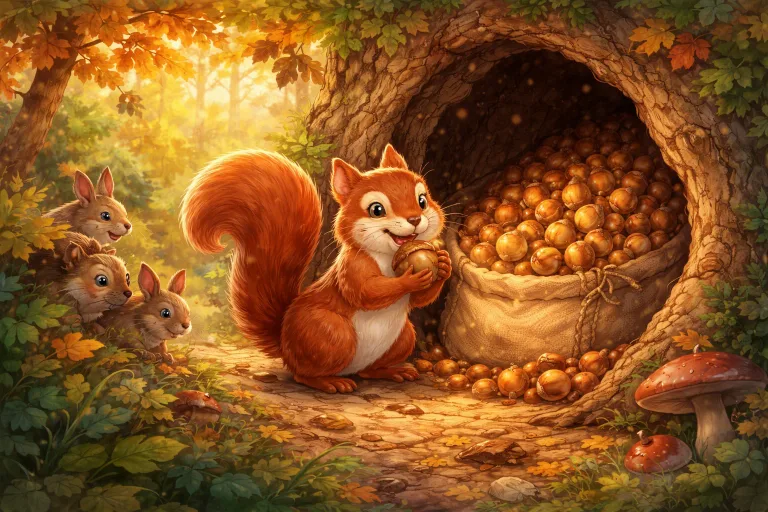
Once upon a time in a lush green forest, there lived a young squirrel named Sammy. Sammy loved collecting acorns more than anything else in the world. He would scurry across the forest floor, grabbing the biggest, shiniest acorns he could find, hiding them in his secret stash deep within the branches of a tall oak tree.
Sammy was very proud of his collection. He kept telling all the other animals, "My acorns are mine! I don’t want to share because I might run out someday. If I share, I won’t have enough for myself." Sometimes, Sammy would see other animals like Benny the Bunny or Lily the Little Bird searching for food, but he refused to share even a single acorn.
One cold winter day, the animals faced a scarcity of food. The snow covered the forest, making it hard for everyone to find enough to eat. Benny the Bunny was hungry and shivering. Lily the Little Bird's wings were tired from flying long distances searching for berries. Sammy noticed their plight but thought, “This is my treasure. I don’t want to give away any acorns now, even if they are cold and hungry.”
As days passed, Sammy’s stash of acorns grew, but he began to feel lonely and cold himself. His tail drooped, and he felt a strange ache in his chest. Meanwhile, Benny, Lily, and many other animals were suffering from hunger. Seeing their suffering, Sammy finally remembered an old lesson his grandmother squirrel once told him: "Sharing your food makes everyone happier, including yourself."
That day, Sammy gathered all his acorns and took them to his friends. He shared his treasure, telling them, “Please take some. I realize that sharing makes us all stronger and happier, especially during hard times.” The animals cheered and danced around him, thankful for Sammy’s kindness. From that day on, Sammy understood that selfishness might seem safe at first, but true happiness comes from sharing and caring for others.
Moral: Being selfish might seem good at first, but sharing with others brings happiness and friendship in the long run.
Talk About It
- Why do you think Sammy was hesitant to share his acorns at first?
- How did Sammy feel after he decided to share with his friends?
- Can you think of a time when sharing made you feel happy? Why?
Practical Takeaways
- Sharing helps build friendships.
- Being selfish might give you something temporarily but can make you lonely in the long run.
- Always think about how others feel; sharing can make everyone happier.
- Practice sharing your toys, snacks, and time with others.
- Selfishness can hinder children's social development by making it harder for them to form meaningful relationships.
- Teaching kids to think beyond themselves helps develop empathy, kindness, and generosity.
- Sharing stories that illustrate the consequences of selfish behaviors can effectively teach children about the importance of caring for others.
- Encourage conversations about feelings and perspectives to foster understanding and reduce selfish tendencies.
- Reinforcing positive behaviors through stories about generosity and kindness can inspire children to act considerately.
- Recognize that selfishness often stems from a lack of awareness; guiding kids gently helps them see the impact of their actions.
Conclusion
Stories about selfishness show us that caring for others creates happiness that lasts far longer than possessions. Teaching children to share and be considerate helps them grow into kind adults who understand the importance of community and friendship. Remember, a little sharing can make a big difference!
Continue Exploring Moral Stories
Discover animated moral stories, browse by category, or find age-appropriate reads for your family.
You May Also Like
8 Sharing Stories for Kids: Learning Generosity Through Tales
Discover 8 heartwarming sharing stories for kids that teach the importance of generosity, kindness, and caring through engaging tales perfect for bedtime or classroom discussions.
5 Generosity Stories for Kids: Short Tales on Giving & Sharing
Explore 5 heartwarming generosity stories for kids that teach the joy of sharing and giving. Short tales full of morals to inspire kindness and compassion.
3 Kindness Stories for Kids That Teach Empathy & Helping Others
Discover three heartfelt kindness stories for kids that teach empathy, sharing, and helping others through engaging tales and meaningful lessons.

How to Say Thank You: 7 Beautiful Stories That Teach Kids Gratitude
Discover seven heartwarming moral stories that teach children the beauty of gratitude and thankfulness, along with simple family habits to nurture appreciation every day.