
5 Short Stories About Honesty That Will Stop Your Child From Lying
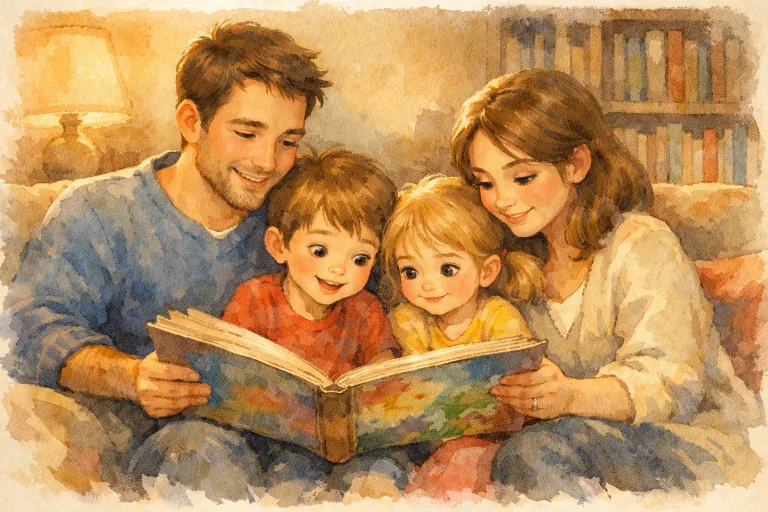
Honesty is one of the most important values we can teach our children. Yet, every parent knows that even the best kids sometimes tell lies—often out of fear, confusion, or a wish to avoid getting in trouble. How can we help our children understand why telling the truth matters, and give them the courage to be honest, even when it’s hard?
Short moral stories about honesty are a time-tested way to begin these important conversations. Through relatable characters and gentle lessons, stories let children see the consequences of lying and the rewards of telling the truth. This article shares five powerful honesty stories—each with a retelling, a clear moral, and practical prompts to help you talk about truthfulness at home. We’ll also offer real-life tips for responding when kids lie, so you can nurture honesty without shame or fear.
Why Honesty Stories Matter for Kids
Stories have a special way of reaching children’s hearts. When kids hear about others facing tricky situations, they can imagine what they might do—and begin to understand why honesty builds trust. Moral stories about telling the truth offer natural, gentle opportunities to talk about values without lectures or scolding.
Reading these stories together can help:
- Normalize conversations about honesty and lying
- Show kids that everyone faces temptations to lie
- Offer safe ways to talk about mistakes
- Teach that making a wrong choice doesn’t mean you’re a bad person, but a chance to learn and grow
For more classic honesty tales, see our Honesty Moral Stories collection or try The Integrity Test: 5 Real-Life Historical Stories of True Honesty for inspirational true accounts.
Table of Contents
- The Boy Who Cried Wolf (Traditional Retelling)
- The Honest Woodcutter (Traditional Retelling)
- The Emperor’s New Clothes (Traditional Retelling)
- Jack and the Lost Coins (Original Story)
- The Broken Trophy (Original Story)
- How to Respond When Kids Lie
- More Honesty Stories to Read Together
The Boy Who Cried Wolf (Traditional Retelling)
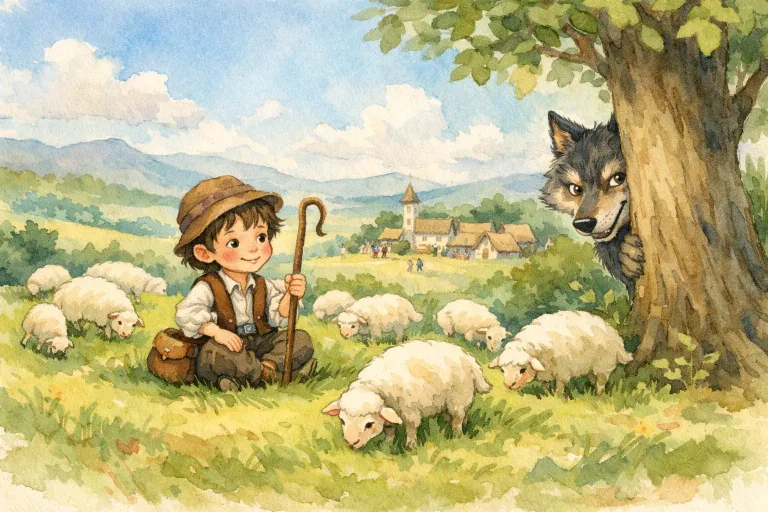
Once upon a time, a young shepherd boy grew bored watching his flock of sheep on a hill outside his village. Seeking excitement, he decided to play a trick. “Wolf! Wolf!” he shouted, running to the village in pretend panic, claiming a wolf was attacking his sheep.
The villagers rushed up the hill to help, only to find the sheep safe and no wolf in sight. The boy laughed at their confusion.
A few days later, the boy pulled the same trick. Again, the villagers raced up the hill but found nothing was wrong. Angry and tired, they warned him not to play such tricks.
But one evening, a real wolf appeared and threatened the sheep. Terrified, the boy cried, “Wolf! Wolf!” even louder than before. But this time, the villagers didn’t believe him. The wolf chased away the sheep, and the boy learned the hard way how important it is to always tell the truth.
Moral: If you lie, people may not believe you when you tell the truth.
Talk About It:
- Why did the villagers stop believing the boy?
- How do you think the boy felt when nobody helped him?
- What might have happened if he had always told the truth?
Read the full story: The Boy Who Cried Wolf Story for Kids About Honesty
The Honest Woodcutter (Traditional Retelling)
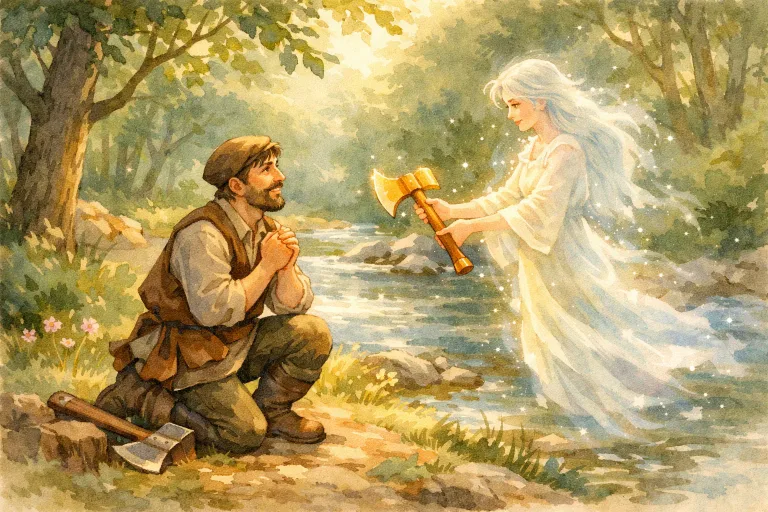
A hardworking woodcutter was chopping wood by a river when his axe slipped from his hands and fell into the deep water. The poor man sat and cried, knowing he could not afford a new axe.
Suddenly, a kind spirit appeared and asked why he was upset. The woodcutter explained his trouble. The spirit dove into the river and emerged holding a gleaming golden axe.
“Is this your axe?” the spirit asked.
The woodcutter shook his head. “No, that’s not mine.”
The spirit disappeared again, returning with a shining silver axe. “Is this your axe?”
Again, the woodcutter replied, “No, that isn’t mine.”
A third time, the spirit brought up the old, worn iron axe. “Is this your axe?”
Overjoyed, the woodcutter said, “Yes! That’s my axe!”
Impressed by his honesty, the spirit gave him all three axes as a reward.
Moral: Honesty brings its own rewards.
Talk About It:
- Why do you think the woodcutter told the truth instead of taking the gold or silver axe?
- How did the spirit reward his honesty?
- Would you have made the same choice?
Explore more: The Honest Woodcutter Story: A Moral Tale About Honesty and
The Emperor’s New Clothes (Traditional Retelling)
Long ago, an emperor loved wearing new clothes so much that he hired two clever strangers to make him the finest suit. These tricksters pretended to weave magical cloth that was invisible to anyone who was foolish or unfit for their job.
When the emperor and his ministers inspected the cloth, they saw nothing—but no one wanted to admit it, afraid of seeming unworthy. So, they all praised the invisible clothes.
At last, the emperor paraded through the city wearing ‘the suit.’ The people cheered, pretending they saw beautiful garments—until a small child cried out, “But he isn’t wearing any clothes!” Only then did everyone admit the truth.
Moral: Sometimes telling the truth takes courage, but it can help others see clearly.
Talk About It:
- Why didn’t the adults tell the emperor the truth?
- How did the child’s honesty help the whole crowd?
- Have you ever been afraid to speak up?
Read more in our collection: The Emperor’s New Clothes Story: A Moral Tale About Honesty
Jack and the Lost Coins (Original Story)
Jack was cleaning his room when he found a small purse filled with coins under the bed. He knew it wasn’t his—it must belong to his older sister, Mia. Jack wanted to keep the coins for a toy he had been wishing for, but deep down, he knew that would be wrong.
He thought for a while, then decided to tell Mia about the purse. Mia was so happy to have her coins back, and she hugged Jack. Their mother overheard and praised Jack for being honest, saying, “I trust you even more now because you told the truth.”
Jack realized that being honest felt even better than buying a new toy.
Moral: Telling the truth helps people trust you.
Talk About It:
- What do you think would have happened if Jack had kept the coins?
- Why did Jack feel good about his choice?
- Has someone trusted you because you told the truth?
Try this bedtime tale: Jack and the Lost Coins: An Honest Bedtime Story for Kids
The Broken Trophy (Original Story)
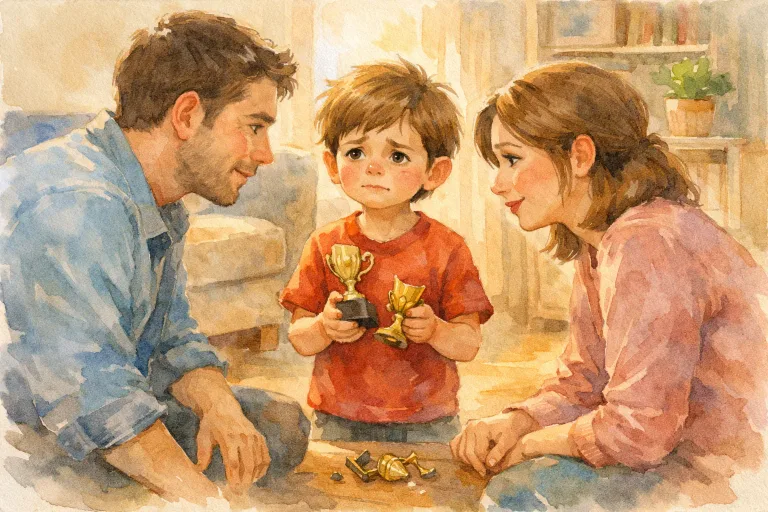
Sara had been admiring her brother’s shiny soccer trophy on his desk. She reached up to look at it more closely, but it slipped from her hands and crashed to the floor, breaking in two.
Sara’s heart raced. She was afraid her brother would be angry and her parents disappointed. She considered pretending she didn’t know what happened, but her stomach hurt from guilt.
That evening, Sara decided to tell her family the truth about the accident. Her brother was sad, but he appreciated her honesty. Her parents thanked her for telling the truth and helped Sara fix the trophy as best they could. Together, they forgave her, and Sara learned that admitting a mistake is the first step to making things right.
Moral: Admitting your mistakes shows responsibility and helps others trust you.
Talk About It:
- Why was it hard for Sara to tell the truth?
- How did her family react?
- What would you have done in her place?
Read a similar story: Broken Trophy: A Moral Story About Mistakes, Forgiveness
How to Respond When Kids Lie
It’s normal for children to test boundaries by telling little lies, especially when they’re scared of getting in trouble. As parents or teachers, our reactions can shape how comfortable kids feel telling the truth in the future. Here’s how to encourage honesty without shaming:
1. Stay Calm and Listen
If you catch your child in a lie, avoid yelling or harsh punishment. Instead, calmly ask them to share what happened. Let them know you value the truth—even if it’s hard to hear.
2. Explain the Consequences
Help your child understand how lies can break trust. Use gentle questions: “How do you think Mia would feel if you kept her coins?”
3. Praise Honesty, Even When Mistakes Happen
When your child admits a lie or a mistake, focus on the courage it took to be truthful. “I’m glad you told me. That was brave.”
4. Model Honesty Yourself
Let children see you admitting mistakes and telling the truth, even in small ways (“I made a mistake on the shopping list—let me fix it”).
5. Make It Safe to Tell the Truth
If kids face only anger or punishment, they’ll hide the truth. Emphasize that telling the truth is always the right choice, and that everyone makes mistakes.
More Honesty Stories to Read Together
For more engaging tales about truthfulness and integrity, explore these favorites:
- The Boy Who Learned Honesty the Hard Way
- Boasting Traveler: A Moral Story About Honesty and Humility
- The Necklace Story: A Powerful Moral Tale About Honesty and
- Honesty Moral Stories (full collection)
And for true accounts, see The Integrity Test: 5 Real-Life Historical Stories of True Honesty.

Printable: Short Story & Honesty Discussion Questions
Story:
Jack was cleaning his room when he found a small purse filled with coins under the bed. It wasn’t his—it must belong to his older sister, Mia. Jack wanted to keep the coins for a toy, but he decided to tell Mia about the purse. Mia was happy to have her coins back, and their mother praised Jack’s honesty, saying, “I trust you even more now because you told the truth.”
Comprehension & Discussion Questions:
- Why did Jack want to keep the coins?
- What choice did Jack make?
- How did Mia and their mother respond to Jack’s honesty?
- What might have happened if Jack had chosen to keep the purse?
- Have you ever had to make a difficult choice between right and wrong?
Honesty is not just a rule—it’s a habit built through trust, practice, and loving support. By sharing these stories and having gentle conversations, you can help your child grow into someone who values truthfulness, even when it’s tough.
Continue Exploring Moral Stories
Discover animated moral stories, browse by category, or find age-appropriate reads for your family.
You May Also Like
The Integrity Test: 5 Real-Life Historical Stories of True Honesty
Discover five true stories of honesty and integrity from history, retold for families and classrooms. Learn how real people shaped the world with truth and character.
10 Quick 2-Minute Moral Stories Perfect for School Morning Assembly
Start your school day with these 10 quick, impactful moral stories—each takes just two minutes and comes with a clear message for assembly.

4 Deceit Stories for Kids: The High Price of Lies & Tricks
Felix, a clever fox, tries to steal apples but learns honesty builds trust. Lies seem easy but can cause bigger problems and damage relationships over time.
6 Integrity Stories for Kids: Doing the Right Thing Always
Discover 6 inspiring integrity stories for kids that teach the importance of honesty, doing the right thing, and building character. Perfect for parents and teachers!