
The Integrity Test: 5 Real-Life Historical Stories of True Honesty
Honesty isn’t just a lesson in storybooks—it’s a value that has shaped the course of human history. Around the world, there are real stories of men and women whose honesty and integrity inspired those around them, changed communities, and sometimes, influenced nations. In this article, we explore five documented historical examples of honesty and integrity. Each story is carefully sourced or clarified as folklore, so parents, teachers, and students can learn and discuss what true honesty looks like in action.
Table of Contents
- Abraham Lincoln: “Honest Abe” — Fact vs. Folklore
- Sojourner Truth: Truth in Name and Deed
- The Legend of the George Washington Cherry Tree: Folklore vs. History
- Mahatma Gandhi: Integrity in Everyday Life
- The Honest Clerk: Laura Bridgman’s Return of the Lost Purse
- Why Historical Honesty Matters for Kids
- Continue Exploring More Honesty Stories
Abraham Lincoln: “Honest Abe” — Fact vs. Folklore
Abraham Lincoln’s reputation for honesty helped shape his legacy long before he became the 16th President of the United States. But how much of the “Honest Abe” image is based on fact, and how much is legend?
The Shopkeeper’s Mistake
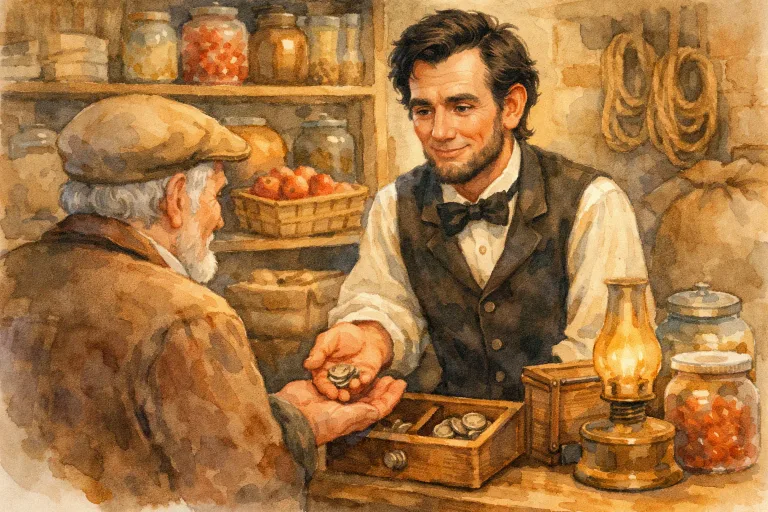
Historical records and early biographies recount how, in his twenties, Lincoln worked as a store clerk in New Salem, Illinois (1830s). He was known for his fairness and scrupulous honesty. One famous anecdote, included in William H. Herndon’s “Herndon’s Lincoln,” tells how Lincoln once discovered he’d shortchanged a customer by a few pennies. He walked several miles after closing up the store to return the money.
Why Did People Trust Him?
Lincoln’s honesty made him popular among townspeople. They trusted him to resolve disputes and tally accounts, and his reputation as a fair, upright man opened doors to public service. While the stories of walking miles to return pennies are sometimes embellished, there is little doubt—supported by accounts from friends and neighbors—that Lincoln’s integrity was genuine and influential.
"His honesty was above all suspicion." — John Stuart, Lincoln’s law partner
Fact, Not Folklore
Unlike some tales that drift into legend, Lincoln’s honest dealings as a young man are supported by multiple contemporaneous accounts. His integrity was not just an image, but a well-documented reality, helping him earn the moniker “Honest Abe.”
For more stories that explore the importance of honesty in daily life, see 5 Short Stories About Honesty That Will Stop Your Child From Lying.
Sojourner Truth: Truth in Name and Deed
Sojourner Truth, born Isabella Baumfree, was an American abolitionist and women’s rights activist in the 19th century. She is best remembered for her unwavering honesty—both in telling her own story and in fighting for the truth of others.
Speaking Truth to Power
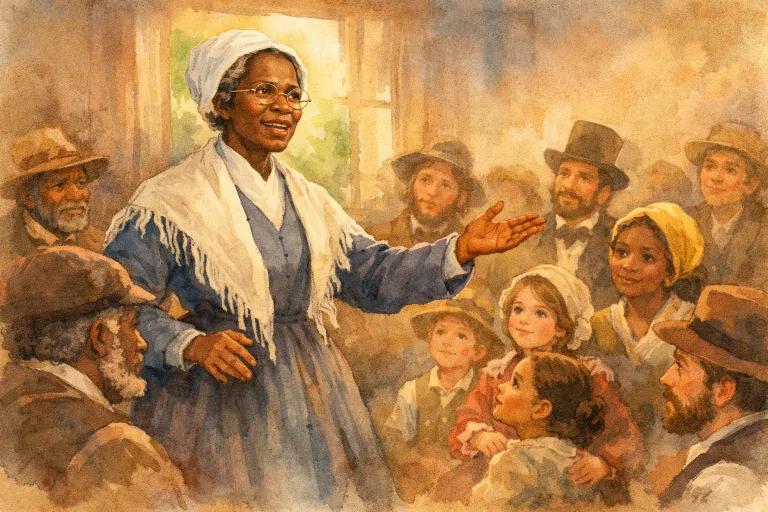
Sojourner Truth was born into slavery in New York in 1797. After escaping to freedom in 1826, she adopted the name “Sojourner Truth” to reflect her mission: spreading truth and justice. Truth became famous for her powerful speeches, such as the legendary “Ain’t I a Woman?” delivered in 1851 at the Women’s Convention in Akron, Ohio. She spoke candidly about difficult topics—slavery, gender, religion—regardless of public opinion or personal risk.
Integrity in Action
Perhaps the most striking example of her honesty was her testimony in legal battles. In 1828, she became the first Black woman to win a court case against a white man, successfully securing her son’s freedom from illegal enslavement. Her courage to stand up and speak the truth, despite great personal danger, changed the lives of her family and set a powerful example for others.
Documented Impact
Her actions are well-documented through court records, newspaper accounts, and her autobiography, "The Narrative of Sojourner Truth." Today, she remains a beacon of integrity—someone who lived her truth and inspired others to do the same.
To help children grasp the value of honesty in everyday challenges, you can share Boasting Traveler: A Moral Story About Honesty and Humility.
The Legend of the George Washington Cherry Tree: Folklore vs. History
George Washington, America’s first president, is associated with one of the most famous honesty stories of all time—the cherry tree. But is it true?
The Famous Tale
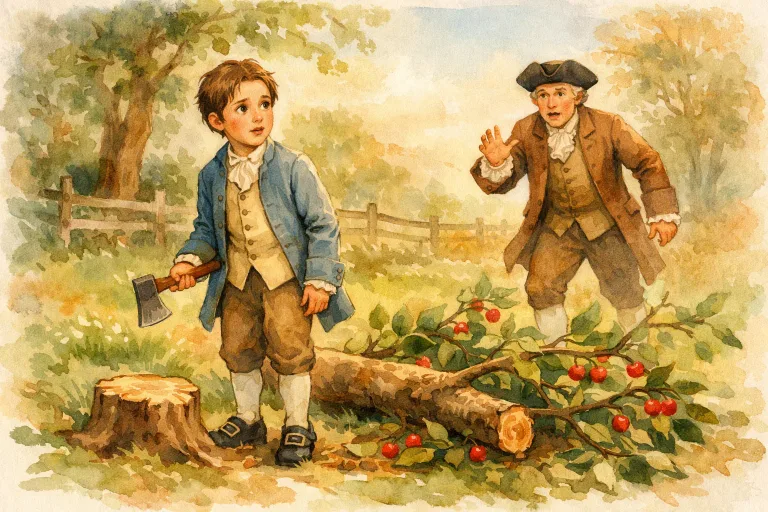
According to the legend, a young George Washington chopped down his father’s cherry tree. When confronted, he supposedly replied, "I cannot tell a lie…I did cut it with my hatchet." His father, moved by his son’s honesty, forgave him.
The Real History
The cherry tree story first appeared in Mason Locke Weems’s 1806 biography of Washington. Weems claimed it was told by an elderly friend of the family, but historians have found no contemporary evidence that this event actually happened. While Washington was undoubtedly respected for his character, the cherry tree story is considered folklore—a teaching tool, not a documented fact.
Why Does It Matter?
It’s important for children to know the difference between stories invented to teach a lesson and true historical events. The cherry tree tale works as a memorable fable about honesty, much like The Boy Who Cried Wolf Story for Kids About Honesty. But it’s not a real-life honesty story—it's a legend built to inspire.
For more on the difference between fables and history, visit Honesty Moral Stories.
Mahatma Gandhi: Integrity in Everyday Life
Mahatma Gandhi is celebrated worldwide as a leader of India’s independence movement—but his commitment to honesty was deeply rooted in everyday life, not just politics.
The Lost Ticket Incident
Gandhi’s autobiography, "The Story of My Experiments with Truth," details small but telling examples of integrity. One story recounts how, as a young lawyer in South Africa, Gandhi boarded a train without a valid ticket (due to a misunderstanding). When the conductor came, Gandhi immediately admitted his error and offered to purchase a ticket or pay a penalty. He could have tried to hide his mistake, but chose to be truthful, even when it meant inconvenience or embarrassment.
Admitting Mistakes
In another childhood incident, Gandhi confessed to his father that he had stolen a bit of gold from his brother’s armlet. He wrote his confession on a note, handed it to his father, and promised never to lie again. His honesty was met with forgiveness, which profoundly impacted Gandhi’s lifelong commitment to truth (“satya”) and nonviolence.
Documented Legacy
Gandhi’s careful self-reporting and transparent life, captured in his writings and by contemporaries, make his story one of the best-documented examples of personal and public honesty in modern history.
Explore tales inspired by real-life courage in the classroom with 10 Short Moral Stories for Kids Every Kindergarten Teacher Needs.
The Honest Clerk: Laura Bridgman’s Return of the Lost Purse
Laura Bridgman was the first deaf-blind American child to gain a significant education—well before Helen Keller. Her story, documented carefully by her teacher Dr. Samuel Gridley Howe, includes a moment of quiet but remarkable honesty.
The Story
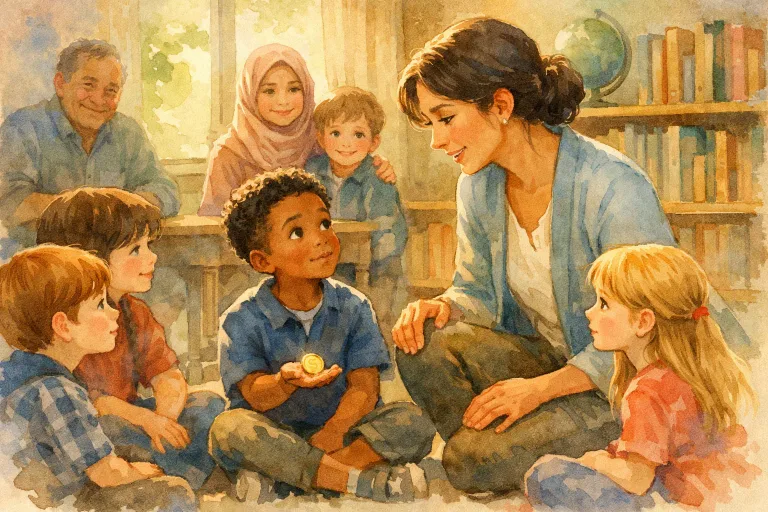
In the 1840s, Bridgman, living at the Perkins School for the Blind, was given a small purse of coins as a gift. Later, she discovered accidentally that the purse belonged to another student who had lost it. Despite her own poverty and disability, Laura returned the purse and coins to her teacher, explaining (through finger-spelling) that it was not hers. Howe and the school staff recorded this act, emphasizing her unshakeable sense of right and wrong.
Documented Example
Bridgman’s honesty, especially as a child with such significant challenges, was widely publicized and helped shift public attitude about what children with disabilities could achieve and contribute.
For a story inspired by similar moments of honesty in daily life, read Jack and the Lost Coins: An Honest Bedtime Story for Kids.
Why Historical Honesty Matters for Kids
So why do these stories matter? Learning about real-life honesty—rooted in fact, not just folklore—helps children see that honesty is possible, powerful, and often rewarded.
- Role Models: True accounts like Lincoln’s and Truth’s show that anyone, in any role, can make a difference with integrity.
- Critical Thinking: Comparing legends to actual events helps kids learn to question and seek the truth.
- Building Character: When honesty is shown to have real consequences, children are more likely to internalize it as a core value.
For further reading, the article Deep Life Lessons: 7 Thought-Provoking Short Stories with Morals for Adults offers even more perspective on how honesty shapes lives.

Continue Exploring More Honesty Stories
Whether you’re a parent, teacher, or lifelong learner, exploring a wide variety of honesty stories—real and legendary—can help children build character and understanding. Consider these collections for your next story time or classroom lesson:
- Honesty Moral Stories
- 5 Short Stories About Honesty That Will Stop Your Child From Lying
- The Honest Widow and the Lost Treasure Story
- Jack and the Lost Coins: An Honest Bedtime Story for Kids
Real-life honesty is more than a lesson—it’s a legacy we can all help to shape.
Continue Exploring Moral Stories
Discover animated moral stories, browse by category, or find age-appropriate reads for your family.
You May Also Like
5 Short Stories About Honesty That Will Stop Your Child From Lying
Help your child value honesty with five engaging short stories and practical tips for talking about truthfulness at home.
Deep Life Lessons: 7 Thought-Provoking Short Stories with Morals for Adults
Discover seven short moral stories for adults, each offering deep reflection on integrity, forgiveness, courage, and the true meaning of a purposeful life.

4 Deceit Stories for Kids: The High Price of Lies & Tricks
Felix, a clever fox, tries to steal apples but learns honesty builds trust. Lies seem easy but can cause bigger problems and damage relationships over time.
6 Integrity Stories for Kids: Doing the Right Thing Always
Discover 6 inspiring integrity stories for kids that teach the importance of honesty, doing the right thing, and building character. Perfect for parents and teachers!