
Deep Life Lessons: 7 Thought-Provoking Short Stories with Morals for Adults
Life often delivers its greatest lessons through moments of quiet reflection and seemingly simple stories. While many turn to moral tales for children, the depth and complexity of adulthood require a different touch—a chance to explore themes like integrity, forgiveness, meaning, and inner strength from a mature perspective. These seven thought-provoking short stories with morals for adults are crafted to spark self-examination and meaningful conversation. Each tale is followed by a brief reflection prompt, inviting you to pause and consider how the lesson might apply to your own journey.
Table of Contents
- The Letter Never Sent: On Unspoken Forgiveness
- The Stone in the Road: Courage in Small Acts
- The Broken Mug: Owning Our Mistakes
- The Clockmaker’s Secret: Purpose Beyond Routine
- The Lantern and the Wind: Letting Go of Control
- The Masked Friend: The Power of Authenticity
- The Empty Chair: The Quiet Importance of Presence
For more stories that inspire reflection, visit our Life Lessons Stories and Inspirational Short Stories categories.
The Letter Never Sent: On Unspoken Forgiveness
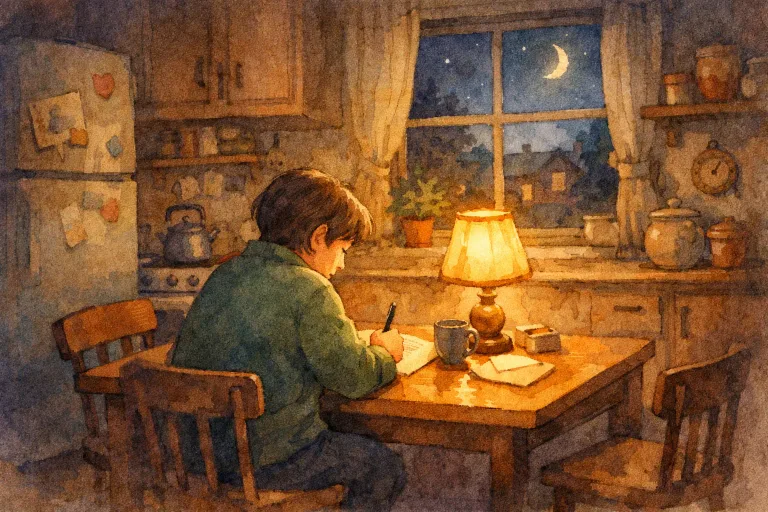
Late one night, Maya sat at her kitchen table beneath the soft hum of the refrigerator, a half-written letter before her. The letter was addressed to a friend she hadn’t spoken to in years—a friend with whom a misunderstanding had grown into a silent wall. She had started this letter many times, each draft crumpled and tossed away. Tonight, something compelled her to finish.
She wrote not to blame, but to share her own regrets, to express that she missed their laughter and the comfort they once found in one another’s company. She closed with a simple wish: “I hope wherever you are, life is gentle to you.”
Maya never sent the letter. Instead, she tucked it away in a drawer. Yet, something in her heart shifted. The act of putting forgiveness into words, even for no one’s eyes but her own, eased the weight she’d carried. The next morning, she found herself smiling at old memories, the anger faded.
Moral: Sometimes, forgiveness is a gift we give ourselves, freeing us from burdens the other person may never know we carried.
Reflection Prompt: Is there someone you need to forgive, even if only in your own heart? What small act could help you begin to let go?
The Stone in the Road: Courage in Small Acts
Once, in a quiet village, a large stone appeared in the center of the main road. All day, townsfolk grumbled as they found their path blocked, yet nobody made a move to clear it. Some walked around it, others complained to the mayor, but the stone remained.
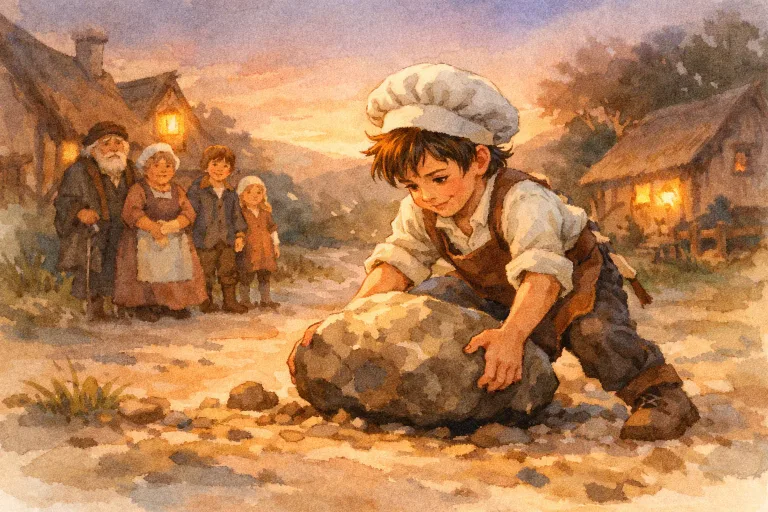
One evening, a young baker’s apprentice, tired from a long shift, came upon the stone. Instead of passing by, she set down her basket and tried to move it. Though it was heavy, she persisted, and with effort, managed to roll it aside. Beneath the stone, she discovered a small pouch of coins and a note: “For the one who cares enough to make the road easier for others.”
Moral: True courage often lies in the willingness to act when no one else will, especially when the deed appears small or thankless.
Reflection Prompt: What small, unnoticed problem in your daily life could you quietly solve for the benefit of others?
For more stories about honesty and integrity, explore The Integrity Test: 5 Real-Life Historical Stories of True Honesty.
The Broken Mug: Owning Our Mistakes
Elias cherished his old clay mug—a gift from a friend, its surface chipped but full of memories. One morning, in a rush, he accidentally knocked it from the table. It shattered on the floor. In a moment of panic, Elias considered sweeping up the pieces and pretending nothing happened, but guilt gnawed at him. Instead, he sent a message to his friend: “I broke the mug you gave me. I’m sorry. It was special, and I should have been more careful.”
His friend replied: “Things break. Memories don’t. Thank you for telling me. Let’s make new memories soon.”
Moral: Owning our mistakes—rather than hiding them—clears the way for honesty, healing, and deeper connection.
Reflection Prompt: Is there a mistake you’re avoiding? What honest step could you take to repair trust or make amends?
For more on the value of honesty, see 5 Short Stories About Honesty That Will Stop Your Child From Lying and reflect on how these lessons remain relevant at any age.
The Clockmaker’s Secret: Purpose Beyond Routine
For forty years, Mr. Lu repaired clocks in a tiny shop on Maple Lane. Every day was a pattern: open the shop, polish the glass, greet the same handful of customers. Neighbors wondered how he tolerated such monotony.

But to Mr. Lu, each clock was someone’s companion—witness to family dinners, to wakes and weddings, the keeper of countless private moments. He took time with each repair, imagining the secret histories ticking inside. When he retired, grateful customers filled the shop, each sharing a story about the clock he’d mended and what it had meant to them.
Moral: Even the most ordinary routines can carry quiet purpose when we choose to see the lives touched by our work.
Reflection Prompt: Where in your routine might there be hidden meaning or opportunities to brighten someone else’s day?
The Lantern and the Wind: Letting Go of Control
During a lantern festival, Priya released a delicate paper lantern into the night sky. She had drawn wishes for her family’s future—good health, success, safety. As the lantern lifted, a sudden gust of wind sent it veering away from the path she’d hoped.
For a moment, Priya felt disappointment. But then she realized that much like the lantern, life cannot always be guided by her plans. The lantern floated higher, out of sight, carried by forces beyond her control. She watched with acceptance, allowing herself to trust that not every wish needs to land where she expects.
Moral: Letting go of control can bring peace—sometimes, the outcomes we can’t predict turn out to be the most meaningful.
Reflection Prompt: What are you currently struggling to control? How might it feel to release your grip, even a little?
The Masked Friend: The Power of Authenticity
Rohan was admired for always saying the right thing at parties, for keeping conversations smooth and avoiding conflict. Yet, he felt increasingly unseen—as if everyone liked a mask he wore, not his true face.
One evening, a close friend confessed: “Sometimes, I’m afraid you don’t trust me with how you really feel.” Rohan hesitated, then shared his worries and dreams, his fears of being misunderstood. To his surprise, the conversation deepened their friendship, and he was met with understanding, not judgment.
Moral: True connection is only possible when we risk showing our real selves, even if it feels uncomfortable.
Reflection Prompt: Where do you find yourself hiding your true thoughts or feelings? What might happen if you risked being more authentic?
For more on gentle wisdom and respectful relationships, discover Confucius Moral Lessons: A Gentle Story About Respect.
The Empty Chair: The Quiet Importance of Presence

When his daughter was young, Daniel was often too busy for family dinners—work, messages, and calls filled his evenings. After years, he noticed a quiet sadness when his daughter set the table, always leaving an empty chair for him.
One evening, Daniel finished his work early and joined the meal. They talked, laughed, and lingered over dessert. The empty chair was no longer empty, and Daniel saw how a simple act of being present could heal old wounds.
Moral: Being truly present, even in ordinary moments, can be the most meaningful gift we give our loved ones.
Reflection Prompt: Is there someone who would benefit from your full presence today? What distractions could you set aside to share a genuine moment?
Bringing Life Lessons Into Everyday Practice
Stories are invitations to pause, reflect, and begin anew. Whether you’re seeking guidance during a crossroads or simply a moment of clarity, let these life lesson stories remind you that even small choices echo through the lives of others—and your own heart. For more, browse our growing library of Life Lessons Stories, or explore tales centered on Stories About Forgiveness and Inspirational Short Stories.

Related Reading for Further Inspiration
- Find quick, meaningful tales in 5-Minute Bedtime Stories With Morals: Quick Reads for Busy Parents
- Reflect on real-world examples in The Integrity Test: 5 Real-Life Historical Stories of True Honesty
- Explore classic parables with deeper meanings in Fairy Tales With Hidden Morals
- Dive deeper into wisdom with Inspirational Short Stories
May these stories offer you new perspective, gentle courage, and the comfort of shared human experience.
Continue Exploring Moral Stories
Discover animated moral stories, browse by category, or find age-appropriate reads for your family.
You May Also Like
The Integrity Test: 5 Real-Life Historical Stories of True Honesty
Discover five true stories of honesty and integrity from history, retold for families and classrooms. Learn how real people shaped the world with truth and character.
The Dark Truth: 5 Famous Fairy Tales with Surprising Hidden Morals
Explore the surprising hidden morals behind five famous fairy tales. Discover deeper lessons in classic stories perfect for curious families and thoughtful readers.

8 Materialism Stories for Kids: True Joy Beyond Money
Teaching children that true happiness comes from kindness, sharing, and inner virtues helps them develop resilience against materialism's pitfalls.
4 Moderation Stories for Kids: Finding Balance in Life
Learning to find balance in activities, food, and play helps kids develop self-control, happiness, and resilience for a healthy, joyful life.