
The Dark Truth: 5 Famous Fairy Tales with Surprising Hidden Morals
Fairy tales have captivated generations with their magical worlds and memorable characters. But beneath the surface, these stories often carry lessons that go far beyond the obvious. Many tales told to children for centuries were not just about happy endings or defeating villains—they held warnings, social commentary, and complex ideas wrapped in enchanting storytelling. Let’s take a fresh look at five of the most famous fairy tales, exploring both their traditional morals and the surprising, sometimes darker, lessons hidden within. Whether you’re a parent, teacher, or simply a curious reader, understanding the deeper meaning behind these tales can help children and adults alike appreciate the richness of classic storytelling.
Table of Contents
- Introduction: More Than Once Upon a Time
- Cinderella: Kindness or Compliance?
- Little Red Riding Hood: Stranger Danger and Beyond
- The Three Little Pigs: More Than Hard Work
- The Emperor’s New Clothes: Peer Pressure Exposed
- The Ugly Duckling: Self-Acceptance or Social Critique?
- How to Talk About These Tales as a Family
- Conclusion: The Lasting Power of Fairy Tale Morals
Introduction: More Than Once Upon a Time
Classic fairy tales endure for a reason—they resonate with readers of all ages. Many of us think we know the morals by heart: be kind, don’t talk to strangers, work hard. But behind the magic and the memorable endings, these stories were shaped by different cultures, historical moments, and storytellers’ intentions. Some versions are darker than modern retellings, some offer unexpected wisdom, and others challenge us to question our assumptions.
In this article, we’ll:
- Unpack the familiar surface morals
- Explore lesser-known, often surprising lessons
- Offer questions and prompts to spark deeper family discussions
If you love classic stories, you may also enjoy our curated selection of Fairy Tales for Kids, or discover how ancient fables still hold meaning in 10 Classic Aesop's Fables With Modern Morals for Today's Generation.
Cinderella: Kindness or Compliance?
The Familiar Tale
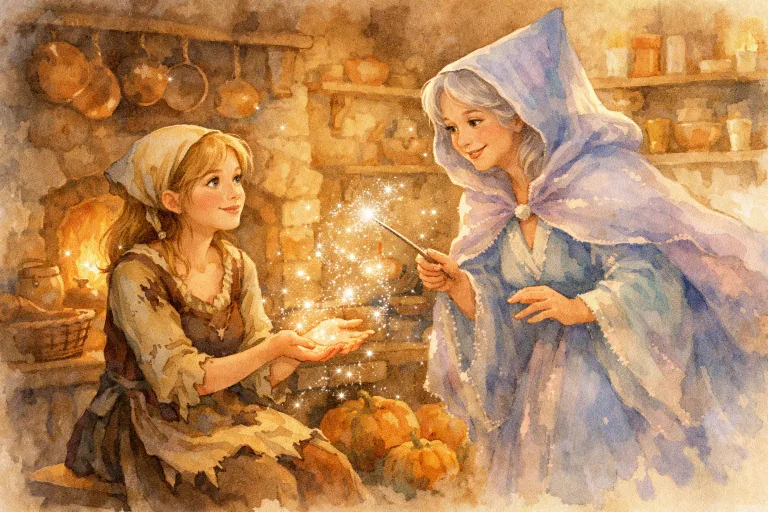
Most of us know Cinderella as the gentle girl who, despite cruelty from her stepmother and stepsisters, remains kind and is rewarded with a magical transformation. She attends the royal ball and, after losing her glass slipper, is found by the prince—her patience and goodness ultimately triumph.
The Traditional Moral
"If you are good and patient, good things will come to you." This is the version most often told to young children: a celebration of kindness, humility, and forgiveness.
The Hidden Lesson
But if we look deeper—especially at older European versions (like those by the Brothers Grimm or Charles Perrault)—other themes emerge:
- Enduring hardship in silence: Cinderella rarely stands up for herself, raising questions about the value of patience versus the risk of accepting mistreatment.
- The role of luck and outside help: Cinderella’s fate changes only thanks to magical intervention or, in some retellings, the help of others (like birds or a fairy godmother).
- The importance of recognizing inner worth: The prince recognizes Cinderella not by her personality, but by a lost shoe. What does this say about how society values appearance and status?
Surprising Moral
Sometimes, the world rewards those who look or act the part—not just those who are good at heart. This can be a prompt for discussion: should we simply wait for rescue, or should we advocate for ourselves?
Little Red Riding Hood: Stranger Danger and Beyond
The Familiar Tale
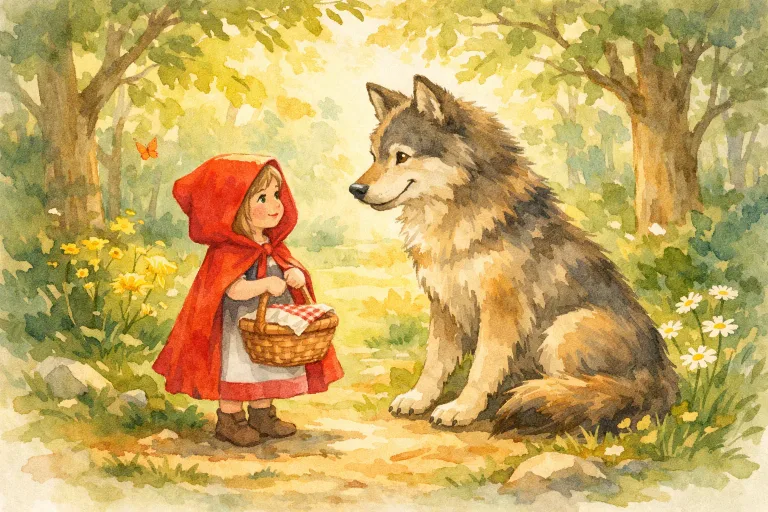
A young girl, wearing her signature red hood, travels through the woods to visit her grandmother. She meets a wolf who tricks her, eats her grandmother, and—depending on the version—either eats Little Red Riding Hood too or is foiled by a brave woodcutter who saves them both.
The Traditional Moral
"Don’t talk to strangers." For generations, this fairy tale served as a warning to children about the dangers lurking outside the safety of home.
The Hidden Lesson
The original French folktale by Charles Perrault is much grimmer: there is no rescue, and the wolf wins. It was a blunt warning about what could happen to children who disregarded instructions or underestimated danger.
But there’s more:
- Obedience versus independence: Should children always obey adults? Or is there a time for caution and critical thinking?
- Gendered warnings: Some historians note the story carried a message for young women about vulnerability and societal expectations—especially as Red is often portrayed as innocent and naïve.
- The unpredictability of the world: The woods symbolize growing up and facing challenges without guarantees of a happy ending.
Surprising Moral
Real dangers exist—and sometimes, even doing everything right isn’t enough. The tale encourages awareness, resilience, and open communication rather than fear alone.
Read a gentle retelling for kids in our collection: Fairy Tales for Kids.
The Three Little Pigs: More Than Hard Work
The Familiar Tale
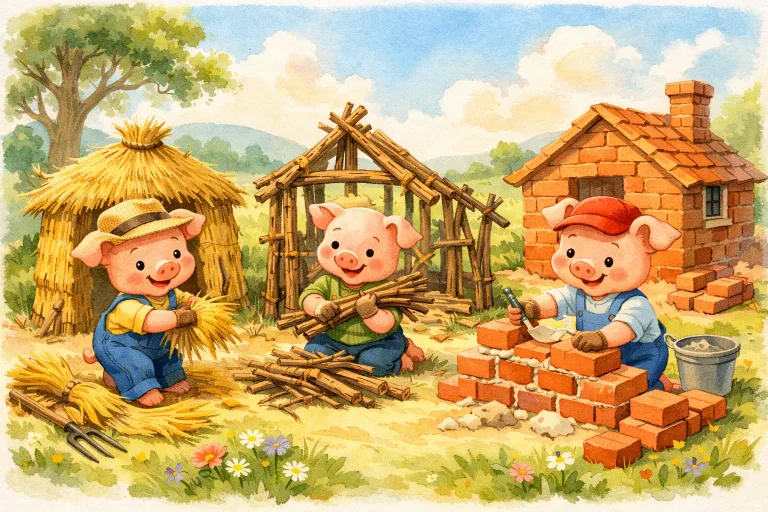
Three pig siblings build houses of straw, sticks, and bricks. The wolf easily blows down the first two houses, but can’t destroy the sturdy brick home. The pig who prepared carefully survives, while the others flee for safety.
The Traditional Moral
"Hard work and careful planning pay off." This story has been used for generations to encourage diligence, resourcefulness, and thinking ahead.
The Hidden Lesson
The less-discussed aspects include:
- Working together: In many modern retellings, the pigs help one another after the wolf attacks. In older versions, the less-prepared pigs are sometimes left out, raising questions about forgiveness and community.
- Survival and outsmarting danger: The wolf represents external threats—sometimes, cleverness and adaptability matter just as much as hard work.
- Individual versus collective good: Should the prepared pig share with the less-prepared, or is this a lesson in personal responsibility?
Surprising Moral
Sometimes we all need help, and sometimes society is stronger when the wise support the vulnerable.
Explore different retellings and discussion points in The Three Little Pigs Fairy Tale for Kids About Hard Work or The Three Little Pigs Moral Story on Hard Work and Planning.
The Emperor’s New Clothes: Peer Pressure Exposed
The Familiar Tale
An emperor obsessed with fashion is duped by swindlers who pretend to weave "invisible" clothes, claiming only the wise can see them. Fearing to seem foolish, no one admits they see nothing—until a child blurts out the truth.
The Traditional Moral
"Honesty is the best policy." The story highlights how honesty can cut through illusion and social pressure.
The Hidden Lesson
This Danish tale by Hans Christian Andersen is often seen as a parable about the folly of pride. But it also explores:
- The cost of conformity: Entire communities sometimes uphold a lie to avoid standing out.
- The power of a single voice: Real change often takes courage from someone willing to speak out.
- The vulnerability of leadership: Leaders can be isolated from reality by flattery and fear of criticism.
Surprising Moral
Even adults can be trapped by groupthink. The simple truth may be obvious—yet unspeakable—until someone dares to say it.
For a child-friendly version, see The Emperor’s New Clothes Story: A Moral Tale About Honesty.
The Ugly Duckling: Self-Acceptance or Social Critique?
The Familiar Tale
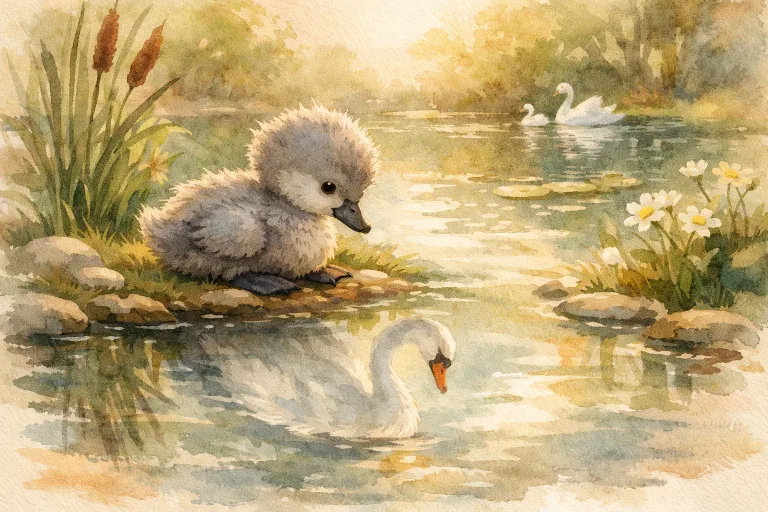
A homely duckling is mocked and shunned by other animals for not fitting in. After a difficult journey, he discovers he’s actually a beautiful swan, accepted by his own kind.
The Traditional Moral
"Don’t judge by appearances." The story encourages patience and hope for those who feel different or left out.
The Hidden Lesson
Hans Christian Andersen’s tale has autobiographical roots—he himself felt like an outsider. Other readings see:
- Social exclusion: The cruelty of the duckling’s peers reflects how societies treat outsiders.
- Transformation through suffering: Sometimes, growth comes only after hardship—yet, the story suggests value comes from being "special" all along.
- The longing for belonging: The happy ending comes only when the duckling finds "his people," raising questions about acceptance versus transformation.
Surprising Moral
True self-worth might not depend on external validation—but the desire to find a community where we belong is powerful and universal.
Read our adaptation: The Ugly Duckling Story: A Beautiful Tale of Belonging and.
How to Talk About These Tales as a Family
Fairy tales can be both comforting and complex. Here are some ways to encourage meaningful conversations with children:
- Ask open-ended questions: What do you think the lesson is? Do you agree with what the characters did?
- Compare versions: How is this story different from others you’ve read? What changed—and why?
- Link stories to real life: Have you ever seen someone act like the wolf, or the emperor? What would you do differently?
- Encourage empathy: Why do you think the "villain" acted that way? What would you say to Cinderella?
- Debate the morals: Is it fair that only the "beautiful" swan is accepted? Should the pigs share their safe house?
For more thought-provoking stories for older readers, see Thought-Provoking Moral Stories for Adults.
Conclusion: The Lasting Power of Fairy Tale Morals
Classic fairy tales are more than just bedtime stories—they are windows into human hopes, fears, and values. The hidden morals behind tales like Cinderella, Little Red Riding Hood, The Three Little Pigs, The Emperor’s New Clothes, and The Ugly Duckling invite us to look beyond the obvious, to ask questions, and to foster empathy and critical thinking.
Whether you’re rediscovering these stories for yourself or sharing them with a new generation, remember: the true magic of fairy tales lies not just in their happy endings, but in the rich, surprising lessons they offer along the way.
Explore more enchanting stories and their lessons in our Fairy Tales for Kids collection, and discover how fables from around the world continue to inspire at Ancient Wisdom: 7 Jataka Tales with Strong Morals for Family Reading.
Which fairy tale surprised you most? What hidden moral will you share with your family tonight?
Continue Exploring Moral Stories
Discover animated moral stories, browse by category, or find age-appropriate reads for your family.
You May Also Like
10 Classic Aesop's Fables With Modern Morals for Today's Generation
Discover ten classic Aesop's fables retold for today's kids, each with a modern moral that sparks discussion at home and in the classroom.
Deep Life Lessons: 7 Thought-Provoking Short Stories with Morals for Adults
Discover seven short moral stories for adults, each offering deep reflection on integrity, forgiveness, courage, and the true meaning of a purposeful life.
Ancient Wisdom: 7 Jataka Tales with Strong Morals for Family Reading
Discover seven timeless Jataka tales retold for families, each offering gentle Buddhist wisdom about kindness, compassion, and selflessness.
Wise Lessons: 5 Famous Panchatantra Stories Every Modern Child Must Read
Discover five classic Panchatantra stories every child should know! These ancient Indian tales offer timeless lessons about wisdom, friendship, and cleverness.