
10 Classic Aesop's Fables With Modern Morals for Today's Generation
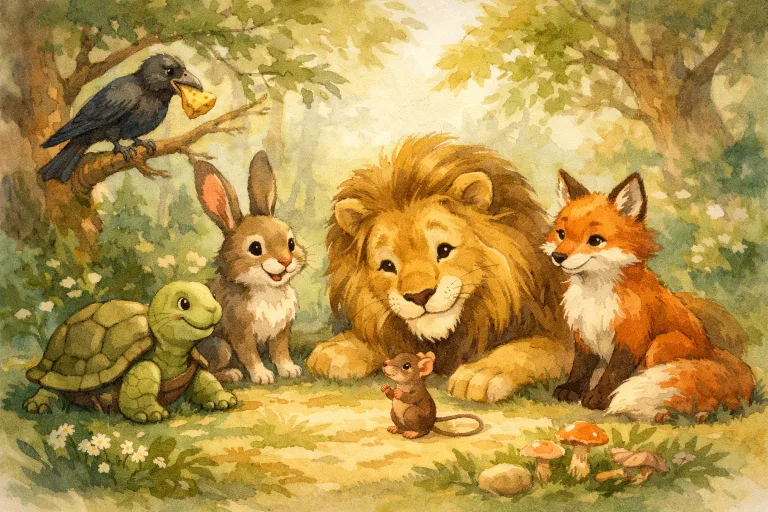
Aesop’s fables have traveled through centuries, carried by storytellers across continents. Their animal heroes and clever twists remain beloved by children and adults alike. But why do these simple tales endure? The answer is simple: their lessons still ring true. In today’s fast-paced, digital world, Aesop’s stories have new relevance. Let’s revisit ten classic Aesop’s fables, explore their traditional roots, and discover what they can teach us—and our kids—about modern life.
Table of Contents
- The Tortoise and the Hare
- The Ant and the Grasshopper
- The Fox and the Grapes
- The Lion and the Mouse
- The Boy Who Cried Wolf
- The Fox and the Crow
- The Goose That Laid the Golden Eggs
- The Fox and the Stork
- The Frogs Who Wanted a King
- The Thirsty Crow
Why Aesop’s Fables Still Matter
Aesop, a storyteller believed to have lived in ancient Greece over 2,500 years ago, created tales that use talking animals to reflect human strengths and weaknesses. Each story ends with a lesson, or moral. While the settings may seem old-fashioned, the fables' messages—about honesty, kindness, persistence, and wisdom—are more relevant than ever. Today’s children face unique challenges: information overload, social pressures, and the pull of instant gratification. Sharing these fables, and discussing their updated lessons, offers a gentle way to talk about big ideas.
For even more, explore our full Aesop's Fables with Morals library.
1. The Tortoise and the Hare
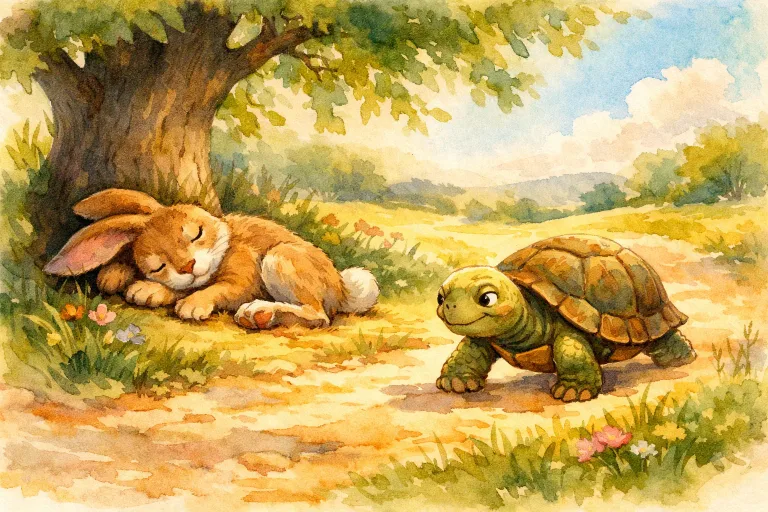
Traditional Retelling (Aesop): A speedy Hare makes fun of a slow Tortoise. Tired of the teasing, the Tortoise challenges the Hare to a race. Confident of his win, the Hare dashes ahead, then naps mid-race. The Tortoise plods along, steady and determined, eventually crossing the finish line first while the Hare sleeps.
Traditional Moral: Slow and steady wins the race.
Modern Moral: Consistency and focus matter more than showing off. In a world full of distractions, perseverance outshines talent alone.
Discussion Tip: Ask your child about a time they felt like the Tortoise or the Hare. Discuss how daily habits, even small ones, lead to lasting achievements.
Discover our full retelling: The Tortoise and the Hare Story: Slow and Steady Wins, or the Tortoise and the Hare Moral Story: An Aesop Fable.
2. The Ant and the Grasshopper
Traditional Retelling (Aesop): All summer, the Ant works hard, gathering food for winter. The Grasshopper sings and plays, scoffing at the Ant’s worries. When winter arrives, the Grasshopper is hungry and cold, while the Ant is safe and well-fed.
Traditional Moral: It’s best to prepare for the days of necessity.
Modern Moral: Balance fun with responsibility. Planning ahead helps us enjoy today and tomorrow.
Discussion Tip: How does your family balance chores with downtime? Encourage kids to share chores and celebrate together when tasks are done.
Enjoy our retellings: Ant and Grasshopper Story for Kids: A Famous Aesop Fable and The Ant and the Grasshopper Story for Kids About Hard Work.
3. The Fox and the Grapes
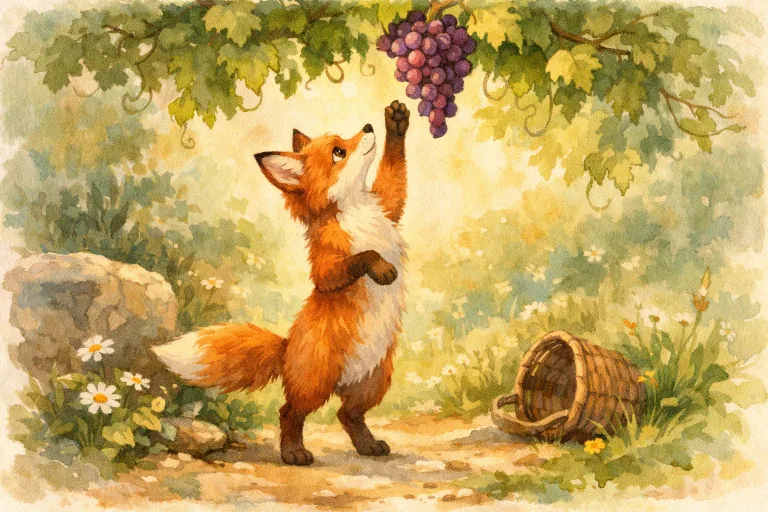
Traditional Retelling (Aesop): A hungry Fox spots delicious grapes hanging high on a vine. After many failed jumps, he walks away, muttering, “Those grapes are probably sour anyway.”
Traditional Moral: It’s easy to despise what you cannot have.
Modern Moral: Don’t pretend something isn’t worthwhile just because it’s hard to get. Learning to accept disappointment helps us grow.
Discussion Tip: Ask your child about a time they wanted something but couldn’t have it. How did they respond? Talk about healthy ways to handle frustration.
Read more: The Fox and the Grapes Story: Aesop’s Famous Moral Tale, Fox and Grapes Story for Kids: The Famous Sour Grapes Moral, or The Fox and the Sour Grapes Story: Aesop’s Moral Tale.
4. The Lion and the Mouse
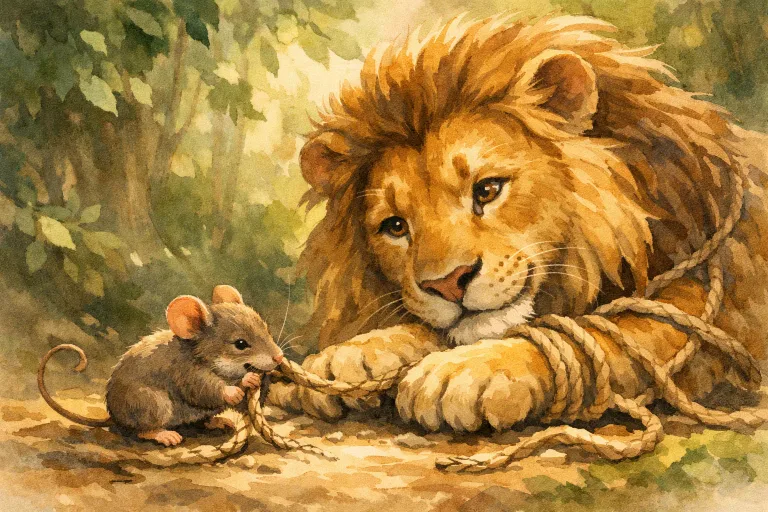
Traditional Retelling (Aesop): A mighty Lion spares a tiny Mouse who begs for mercy. Later, the Mouse repays the favor by gnawing through ropes that trap the Lion, setting him free.
Traditional Moral: Kindness is never wasted.
Modern Moral: Even small acts of kindness can have a big impact. Everyone, no matter how small, can make a difference.
Discussion Tip: Share stories about times your family has helped someone, or received help in return. What did you learn?
Find a gentle retelling: The Lion and the Mouse Story: A Gentle Act, a Great Rescue.
5. The Boy Who Cried Wolf
Traditional Retelling (Aesop): A young shepherd grows bored watching sheep, so he repeatedly shouts “Wolf!” to trick the villagers. When a wolf does appear, no one believes his cries, and the flock is lost.
Traditional Moral: Liars are not believed, even when they tell the truth.
Modern Moral: Building trust matters. Honesty helps friendships and communities thrive, while dishonesty damages relationships.
Discussion Tip: Talk about trust in your family or classroom. What does it mean to keep your word?
Compare versions: The Boy Who Cried Wolf: A Classic Moral Story About Honesty, The Boy Who Cried Wolf Story for Kids About Honesty, or The Boy Who Cried Wolf Story.
6. The Fox and the Crow
Traditional Retelling (Aesop): A Crow perches in a tree with a piece of cheese. A sly Fox flatters the Crow, convincing her to sing. The cheese drops, and the Fox snatches it up.
Traditional Moral: Beware of flattery.
Modern Moral: Don’t let compliments cloud your judgment. Think carefully before trusting empty praise, especially online.
Discussion Tip: Ask children about compliments they’ve received. Were they sincere? How do you tell the difference between true friends and those who want something?
Read: The Fox and the Crow: A Clever Aesop Fable for Kids.
7. The Goose That Laid the Golden Eggs
Traditional Retelling (Aesop): A farmer and his wife have a goose that lays a golden egg each day. Greedy for more, they kill the goose, only to find none inside. Now they have nothing.
Traditional Moral: Greed destroys the source of good.
Modern Moral: Be patient with progress. Quick fixes and greed often backfire—appreciate steady growth.
Discussion Tip: What does “enough” mean? Discuss gratitude and setting reasonable goals as a family.
Discover: The Goose That Laid the Golden Eggs Story: A Moral.
8. The Fox and the Stork
Traditional Retelling (Aesop): The Fox invites the Stork to a meal, serving soup in a shallow dish the Stork can’t eat from. Later, the Stork invites the Fox and serves food in a tall jar. The Fox can’t eat, and learns a lesson.
Traditional Moral: Treat others as you wish to be treated.
Modern Moral: Fairness means considering others’ needs, not just your own. Practice empathy in every interaction.
Discussion Tip: Brainstorm ways your family or class can include others and make fair choices.
Retelling: The Fox and the Stork Story: A Moral Tale About Fairness.
9. The Frogs Who Wanted a King
Traditional Retelling (Aesop): A group of Frogs complains to the gods about not having a king. They get a log, then a stork who devours them. The frogs realize their old life was better.
Traditional Moral: Be careful what you wish for.
Modern Moral: Appreciate what you have before seeking something new. Change isn’t always improvement.
Discussion Tip: Share examples of when wanting more didn't lead to happiness. What are you grateful for right now?
Read: Frogs Who Wanted a King: A Memorable Aesop Fable for Kids.
10. The Thirsty Crow
Traditional Retelling (Aesop): A thirsty Crow finds a nearly empty pitcher of water. Unable to reach the water, the Crow drops pebbles in until the water rises, and he can drink.
Traditional Moral: Where there’s a will, there’s a way.
Modern Moral: Solve problems creatively. Don’t give up—think outside the box!
Discussion Tip: Have a family “brainstorm” session to solve a small problem together.
Retelling: The Thirsty Crow Story: A Clever Aesop Fable for Kids.
Making Fables Part of Family and Classroom Life
Aesop’s stories invite discussion. After sharing a fable, ask:
- What lesson did the story teach?
- Can you think of a time this lesson was important in your life?
- How can we remember this lesson tomorrow?
If your family or class loves these classics, you might also enjoy our collections of animal moral stories for kids and famous Panchatantra stories for children.
More Timeless Wisdom
If you enjoyed exploring these Aesop tales with modern twists, continue your journey with:
- Aesop's Fables with Morals
- Animal Moral Stories for Kids
- Famous Panchatantra Stories Every Modern Child Must Read
- Ancient Wisdom: 7 Jataka Tales with Strong Morals for Family Reading
By revisiting these tales—and retelling them for today’s world—you’re helping the next generation grow wiser, kinder, and more resilient, one story at a time.
Continue Exploring Moral Stories
Discover animated moral stories, browse by category, or find age-appropriate reads for your family.
You May Also Like
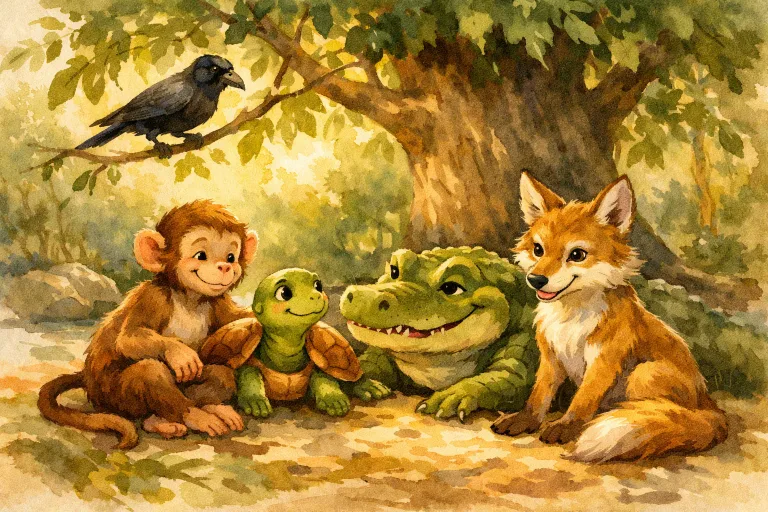
Wise Lessons: 5 Famous Panchatantra Stories Every Modern Child Must Read
Discover five classic Panchatantra stories every child should know! These ancient Indian tales offer timeless lessons about wisdom, friendship, and cleverness.
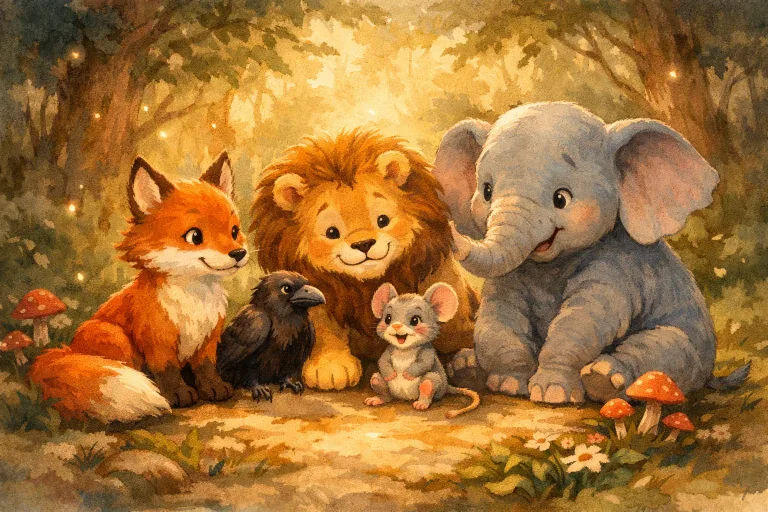
The Ultimate List of Animal Moral Stories Your Kids Will Love
Discover the ultimate list of animal moral stories for kids! From clever foxes to wise lions, these heartwarming tales teach values through lovable animal characters.
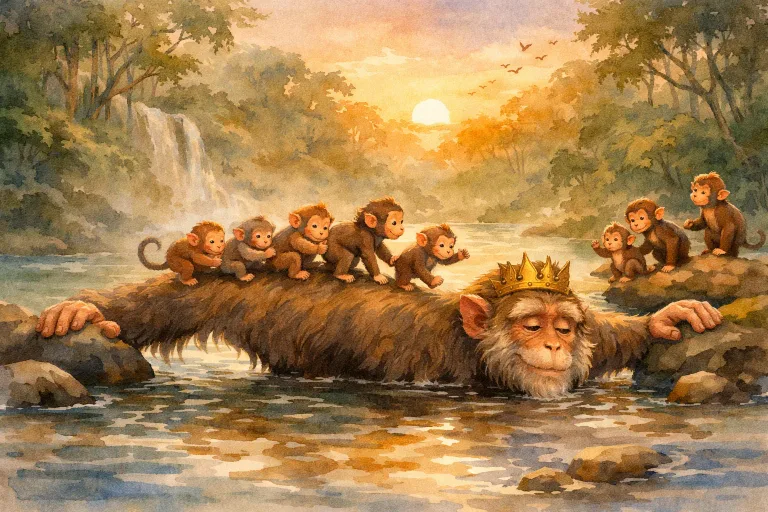
Ancient Wisdom: 7 Jataka Tales with Strong Morals for Family Reading
Discover seven timeless Jataka tales retold for families, each offering gentle Buddhist wisdom about kindness, compassion, and selflessness.
The Dark Truth: 5 Famous Fairy Tales with Surprising Hidden Morals
Explore the surprising hidden morals behind five famous fairy tales. Discover deeper lessons in classic stories perfect for curious families and thoughtful readers.