
The Goose That Laid Golden Eggs🥚
The Goose That Laid the Golden Eggs
On the edge of a quiet village, where smoke curled from chimney tops each evening and wheat fields shone like honey in the sun, lived a farmer and his wife in a small, weather-worn cottage.
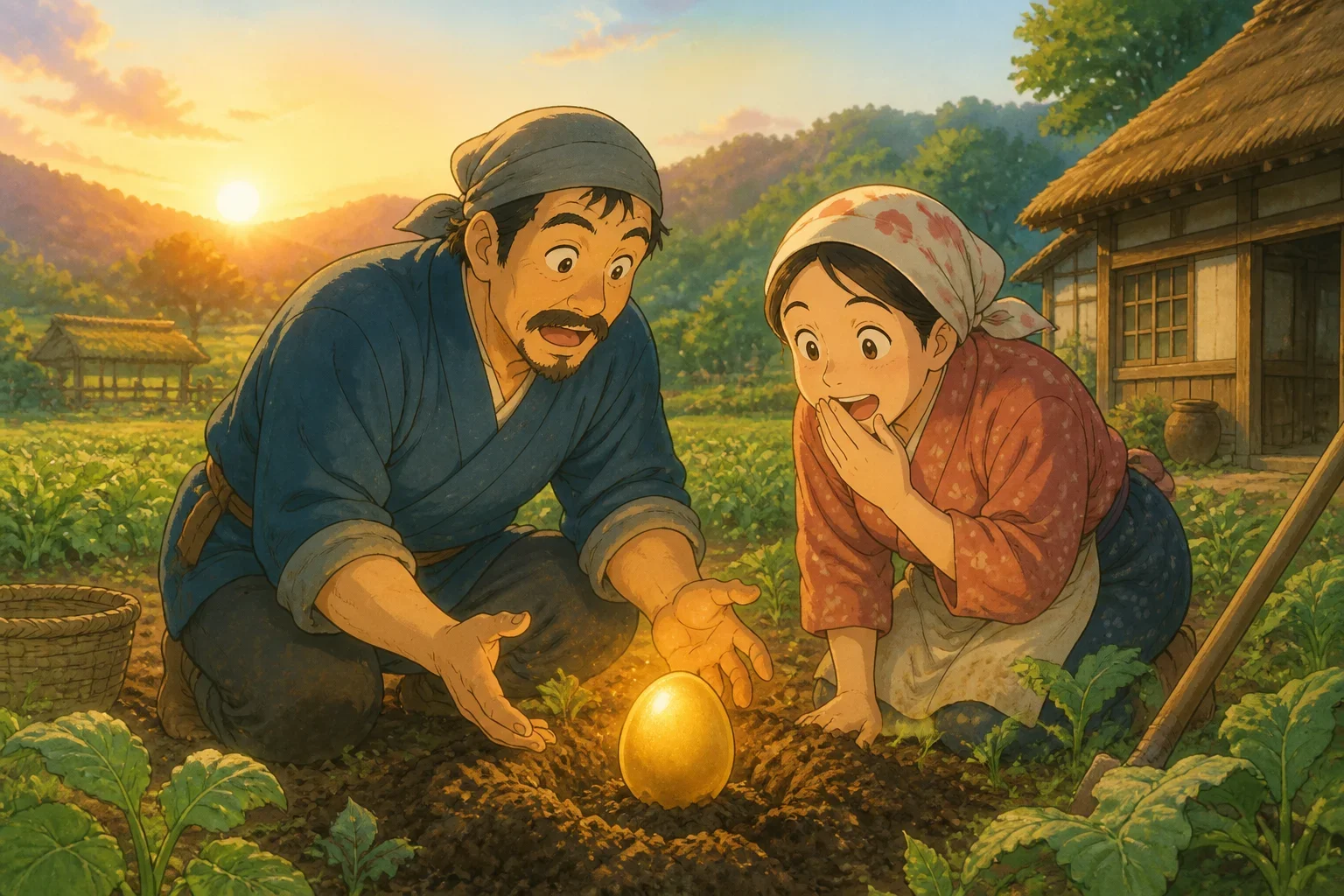
They were not lazy people. Their hands were rough from work, their shoes were patched, and their meals were simple. Still, they tried to be cheerful.
“We may not have much,” the farmer would say as he stacked firewood by the door, “but we have enough for today.”
His wife would smile and answer, “And tomorrow will take care of itself.”
In the yard behind their cottage waddled a plump white goose with bright black eyes and soft feathers that gleamed in the morning light. She was their favorite animal on the farm. She followed the farmer to the gate, nibbled at cabbage leaves, and gave a pleased little honk whenever his wife scattered grain.
Then one cold morning, something extraordinary happened.
The farmer went to the nest box expecting an ordinary egg for breakfast. Instead, he stopped so suddenly that his hat nearly fell off.
Inside the straw lay an egg of pure gold.
It glowed warmly in the dim light, smooth and shining like a tiny sun.
“Wife!” he shouted, clutching the nest box with both hands. “Come quickly! You must see this!”
His wife hurried outside, wiping flour from her hands. “What is all that noise?” she asked.
Then she saw the egg.
For a moment, neither of them spoke.
“Is it real?” she whispered.
The farmer turned it over carefully. It was heavy—far heavier than any egg should have been.
They took it to a goldsmith in the village, and when he tested it, his eyes widened.
“Real gold,” he said. “Every bit of it.”
The couple could hardly believe their luck.
They sold the egg and, for the first time in many years, bought things they truly needed—fresh bread, a warm blanket, sturdy boots, and seed for the field.
The next morning, the goose laid another golden egg.
And the morning after that, another.
Soon their little cottage changed. The roof was repaired. The pantry stayed full. The farmer no longer worried through the night about winter. His wife hummed while cooking supper. They even began to laugh more.
At first, they were deeply grateful.
“What a blessing this goose is,” said the wife, stroking the bird’s feathers.
“We must take very good care of her,” said the farmer.
But blessings, if not guarded with wisdom, can awaken dangerous thoughts.
As the days passed, the couple began to count their gold more often than their joys.
One evening, the farmer spread coins across the table and said, “Just think—one egg a day. Only one. It is wonderful, yes... but also slow.”
His wife looked up. “Slow?”
“Yes,” he said, leaning closer. “If the goose lays golden eggs, then surely she must be full of gold inside. Why should we wait day after day?”
His wife did not answer at once.
The candle flickered between them.
Outside, the goose gave a soft, sleepy honk from the yard.
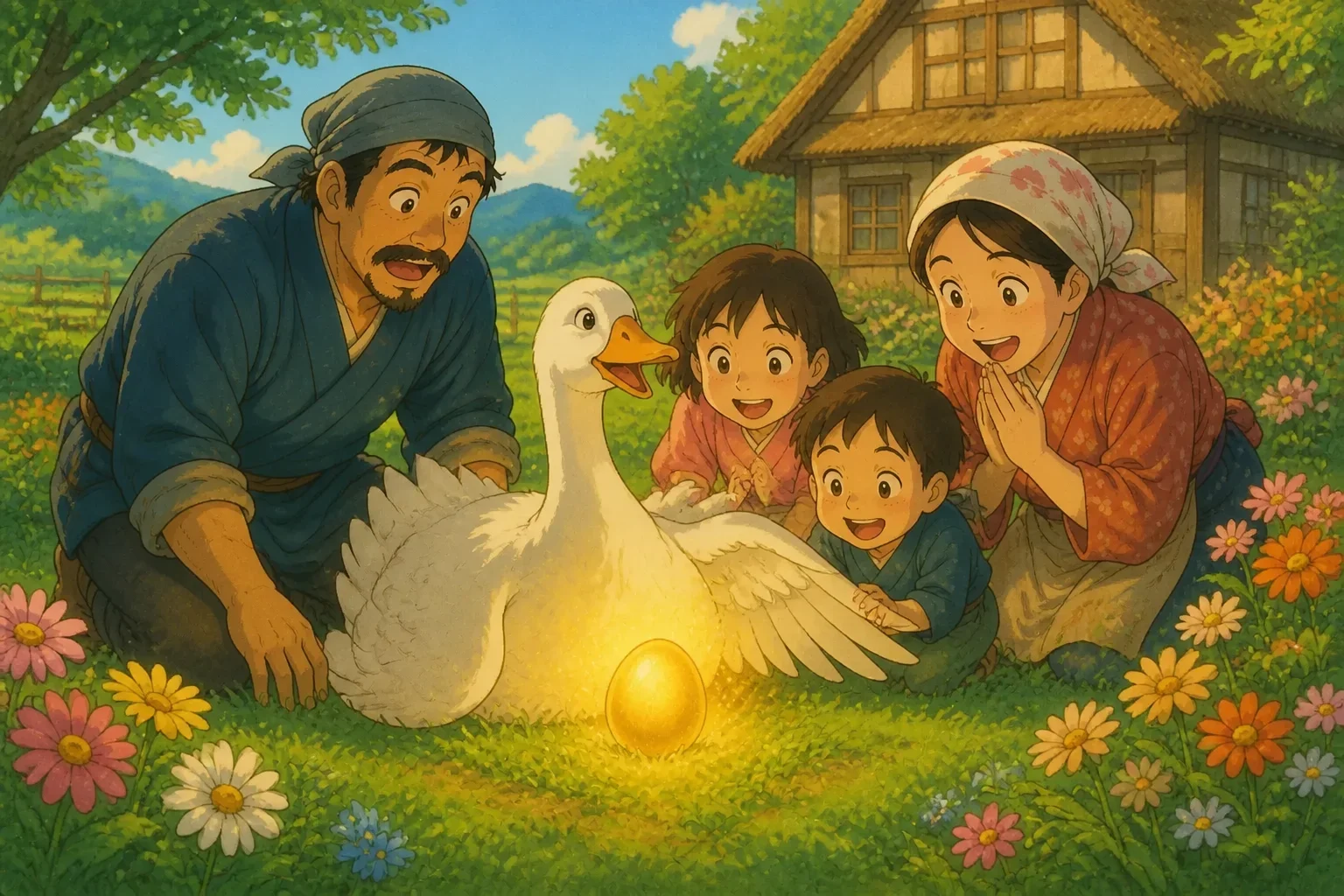
At last the wife said quietly, “If all the gold is inside her, we could have it now.”
The farmer’s heart beat faster. The idea, once spoken aloud, grew larger and more tempting.
They began to dream wild dreams.
A grand house.
Silk clothes.
Servants.
A life with no waiting, no work, no worry.
By bedtime, gratitude had vanished. In its place stood greed.
That night neither of them slept well.
In the morning, the goose came toward them as she always did, innocent and trusting.
For one brief moment, the farmer hesitated.
“She has given us so much already,” he murmured.
But greed is a loud voice. It pushed aside kindness, patience, and common sense.
So they did a terrible thing.
And when it was over, they looked inside the goose—expecting treasure, expecting heaps of gold, expecting all their wishes at once.
But there was nothing.
Nothing except an ordinary goose, just like any other.
The room fell silent.
The farmer stared in disbelief.
His wife covered her mouth with trembling hands.
Their miracle was gone.
No more golden eggs.
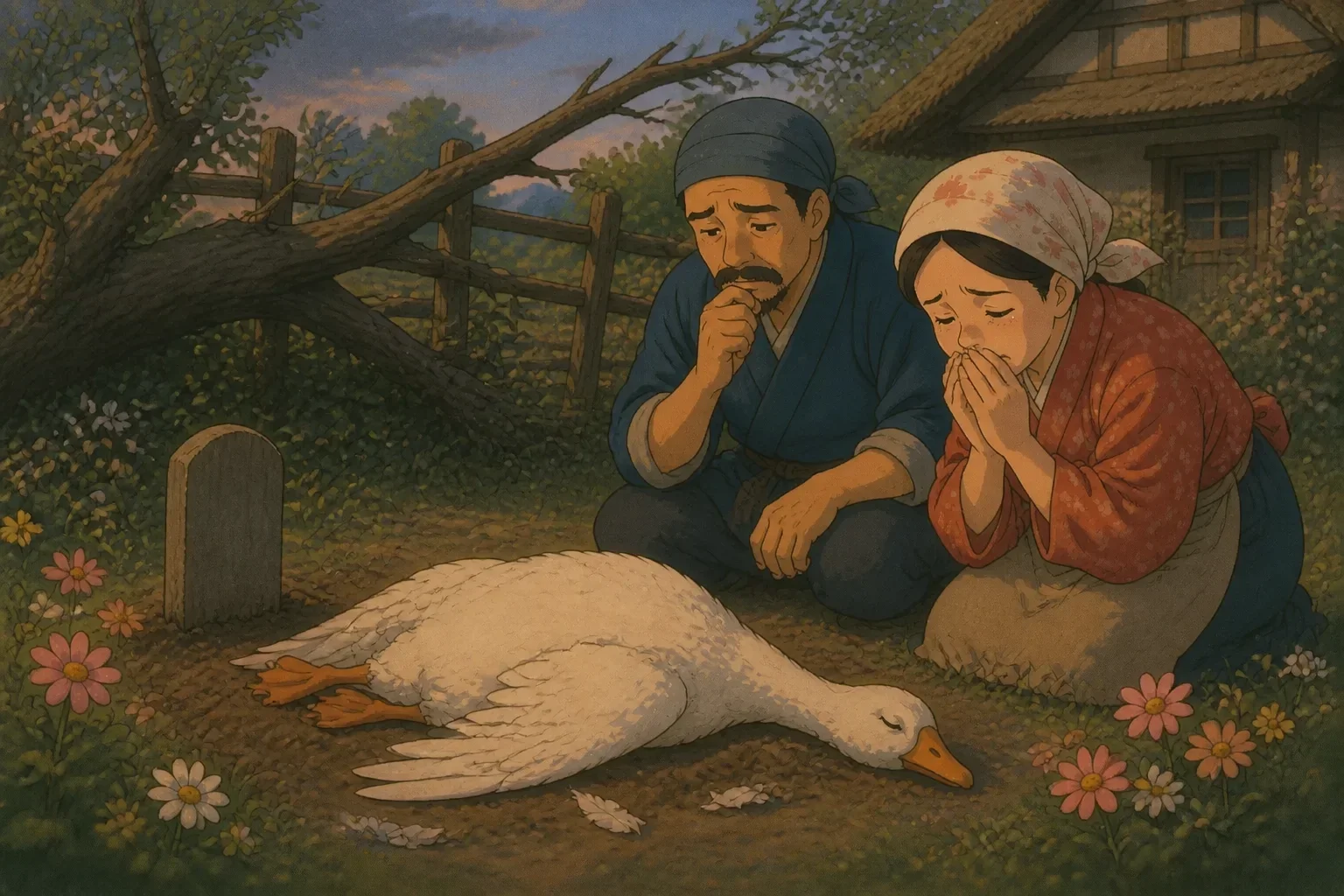
No more daily gift.
No more chance to choose patience over greed.
At last, the farmer sank into a chair. “What have we done?” he whispered.
His wife began to cry. “We had enough,” she said. “We truly had enough.”
And that was the hardest part of all.
They had not lost their fortune because they were poor.
They had lost it because they wanted too much, too quickly.
From then on, the couple returned to their old life of work. Their cottage was quieter than before, and every morning the empty nest reminded them of the foolish choice they had made.
They never forgot the lesson.
Whenever neighbors complained that good things came too slowly, the farmer would shake his head and say, “Take care not to ruin a blessing by demanding too much from it.”
And his wife would add softly, “Be thankful for what comes in time.”
That is why people still tell this old tale today.
Because sometimes the wish to have everything at once can make us lose even what we already have.
Key Takeaways for Kids
- Greed can make people act foolishly.
- Good things are often worth waiting for.
- Gratitude helps us enjoy what we already have.
- Acting in haste can lead to painful regret.
- Wanting more and more can make us lose something precious.
Moral of the Story
Greed can destroy the very thing that brings us happiness.
Why This Moral Story Still Matters
This classic children's moral story remains powerful because kids and adults both understand the feeling of wanting more right away. The Goose That Laid the Golden Eggs teaches an important lesson about patience, gratitude, and self-control in a simple, memorable way. It is a wonderful bedtime story for kids, a classroom read-aloud, and one of Aesop’s most famous fables for teaching values.
If you enjoy moral stories for kids, this tale is a timeless reminder that wisdom often means appreciating what we have instead of rushing for more.

Watch the Animated Story
Watch on YouTube
Related Stories
The Fox and the Crow: A Clever Aesop Fable for Kids
The Fox and the Crow On a warm golden afternoon, when the forest leaves shimmered like tiny green mirrors, a crow flew…
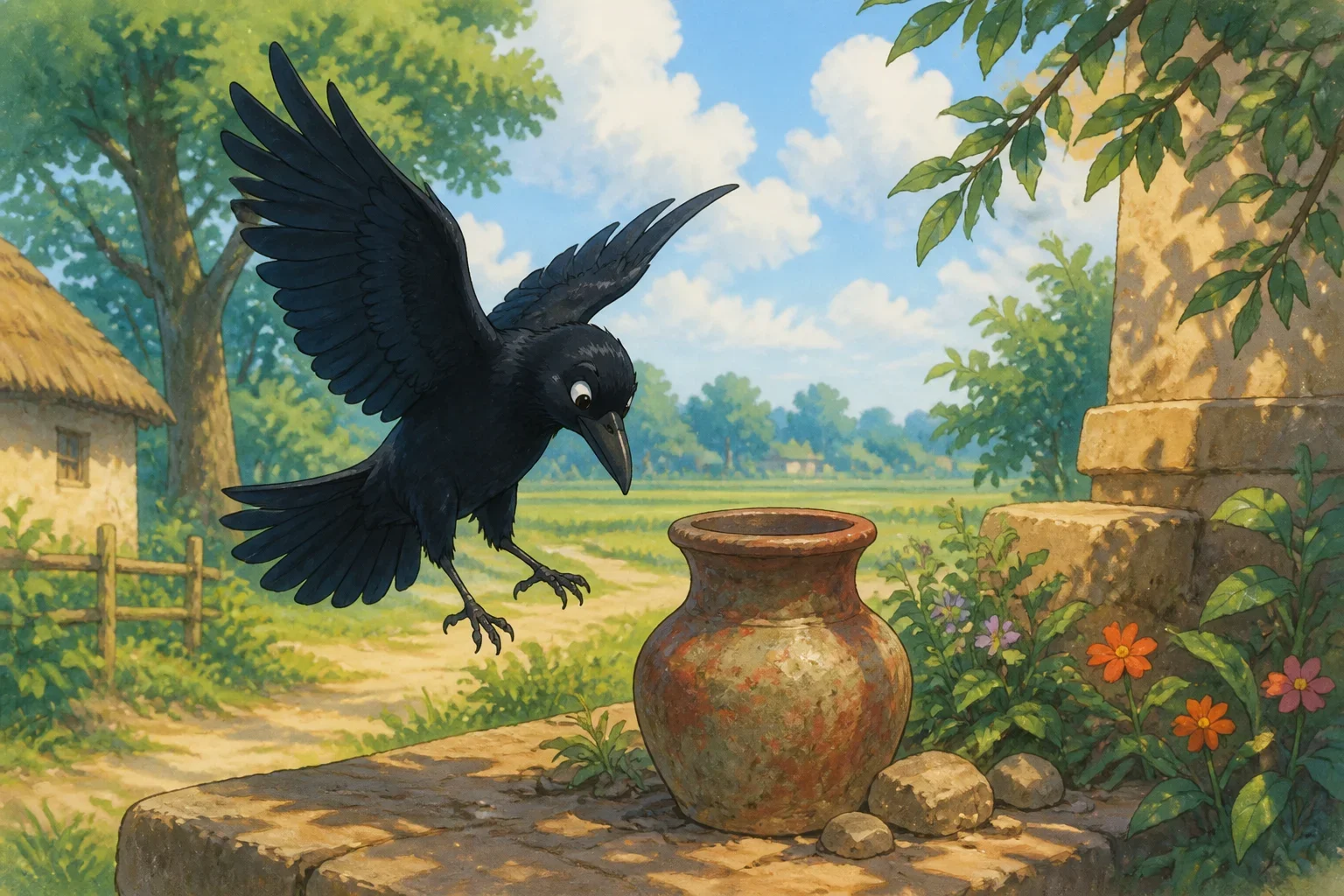
The Thirsty Crow Story: A Clever Aesop Fable for Kids
The Thirsty Crow The sun hung over the fields like a golden fire, and by midday even the wind seemed too tired to move.…

The Fox and the Grapes Story: Aesop’s Famous Moral Tale
The Fox and the Grapes On a hot afternoon, when the fields shimmered and even the crickets sounded sleepy, a hungry fox…
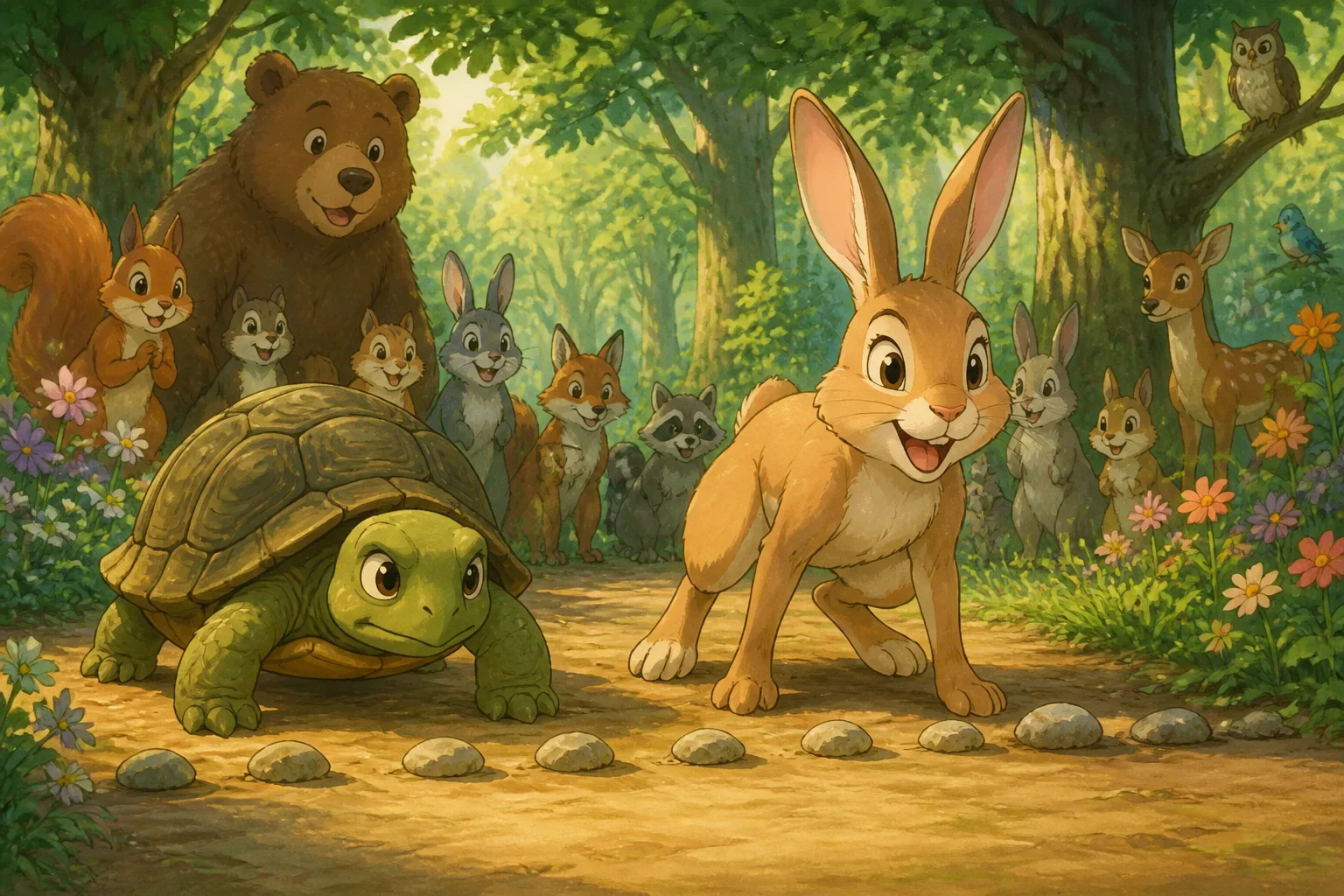
The Tortoise and the Hare Story: Slow and Steady Wins
The Tortoise and the Hare On the edge of a green woodland, where clover scented the breeze and bees hummed over…
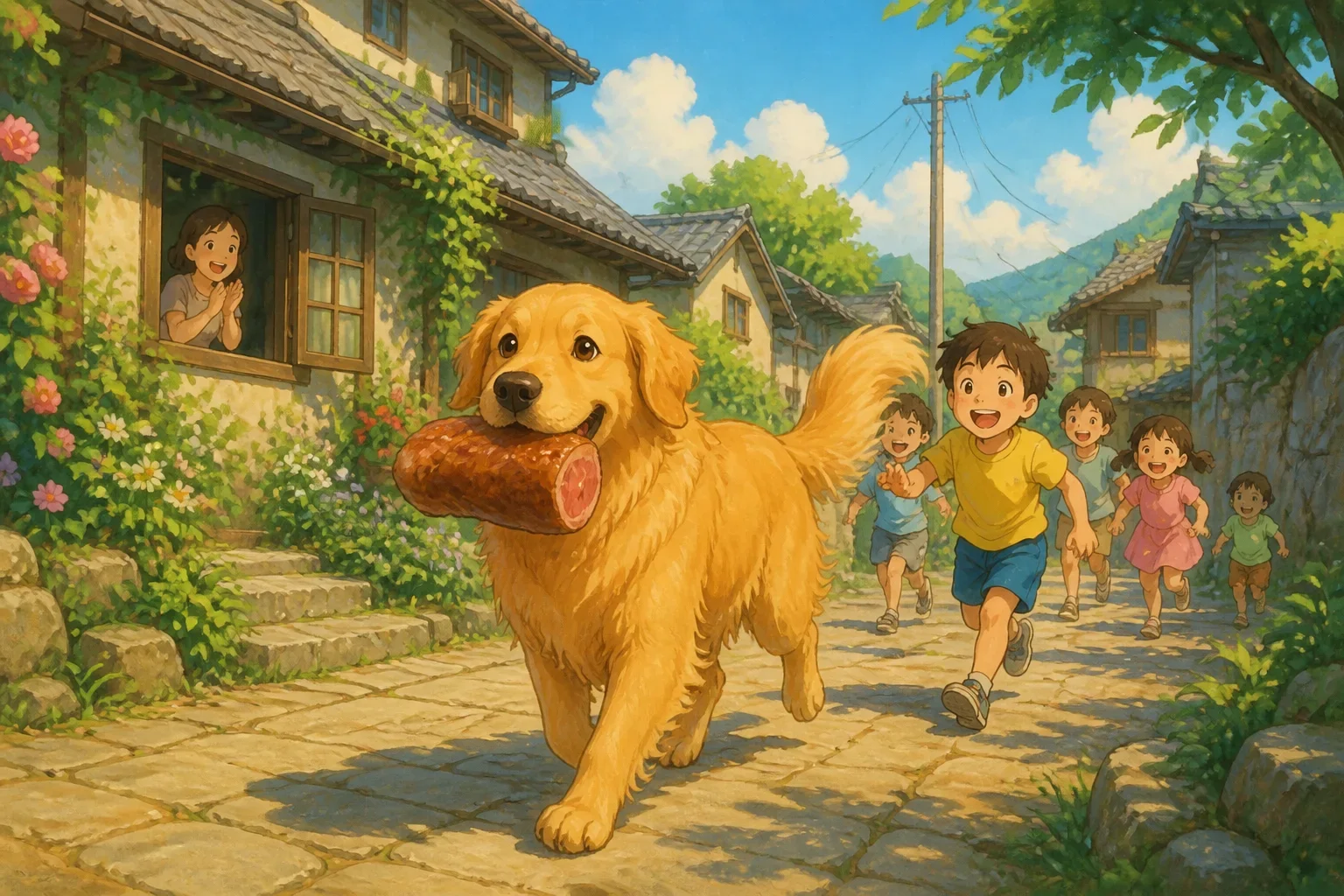
The Dog and His Reflection Story: A Short Moral Tale
The Dog and His Reflection On a warm afternoon in a little village, a hungry dog trotted along the dusty road with a…
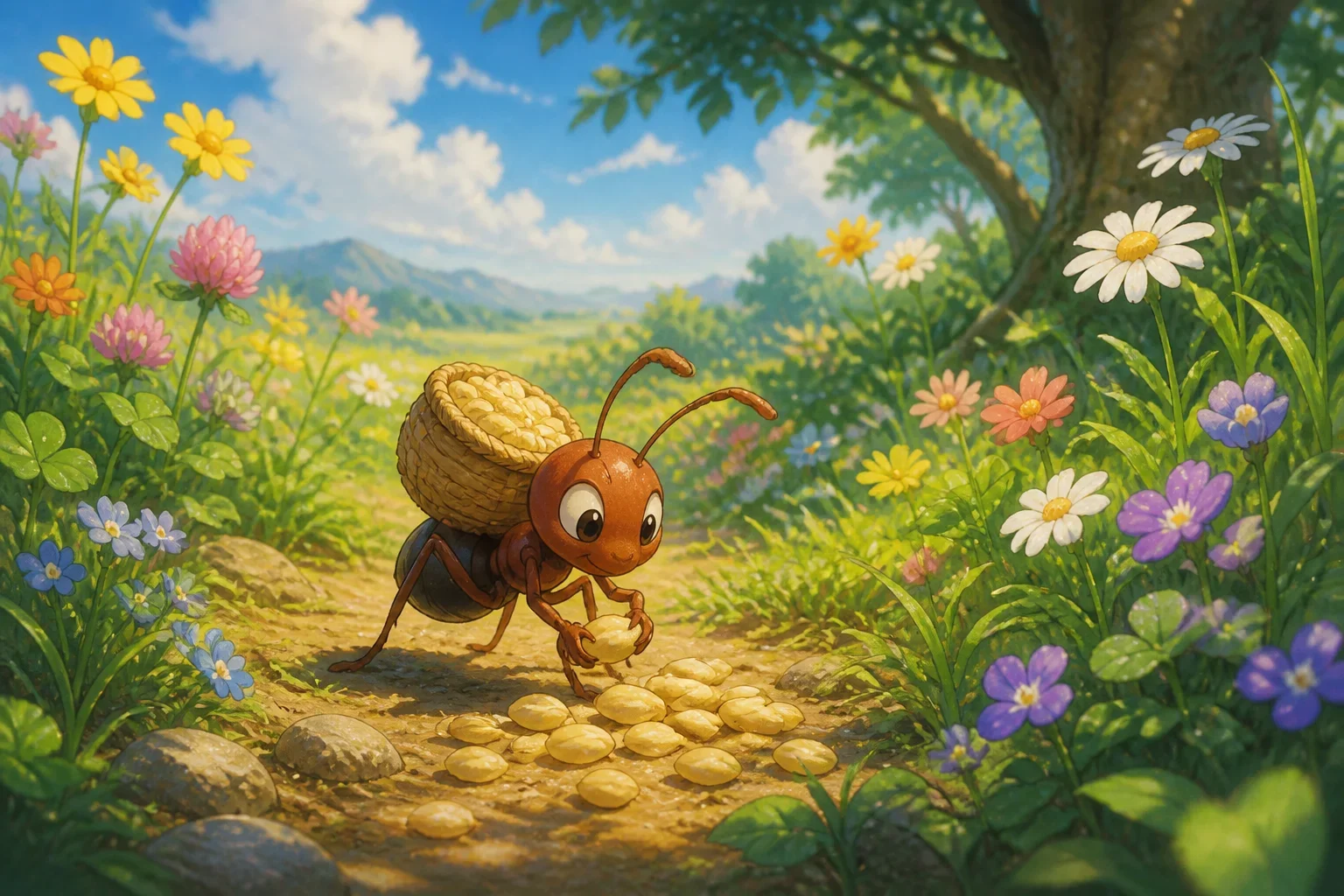
Ant and Grasshopper Story for Kids: A Famous Aesop Fable
The Ant and the Grasshopper On the brightest edge of summer, when the meadow hummed like a song, a tiny ant hurried…