
The Thirsty Crow
The Thirsty Crow
The sun hung over the fields like a golden fire, and by midday even the wind seemed too tired to move.
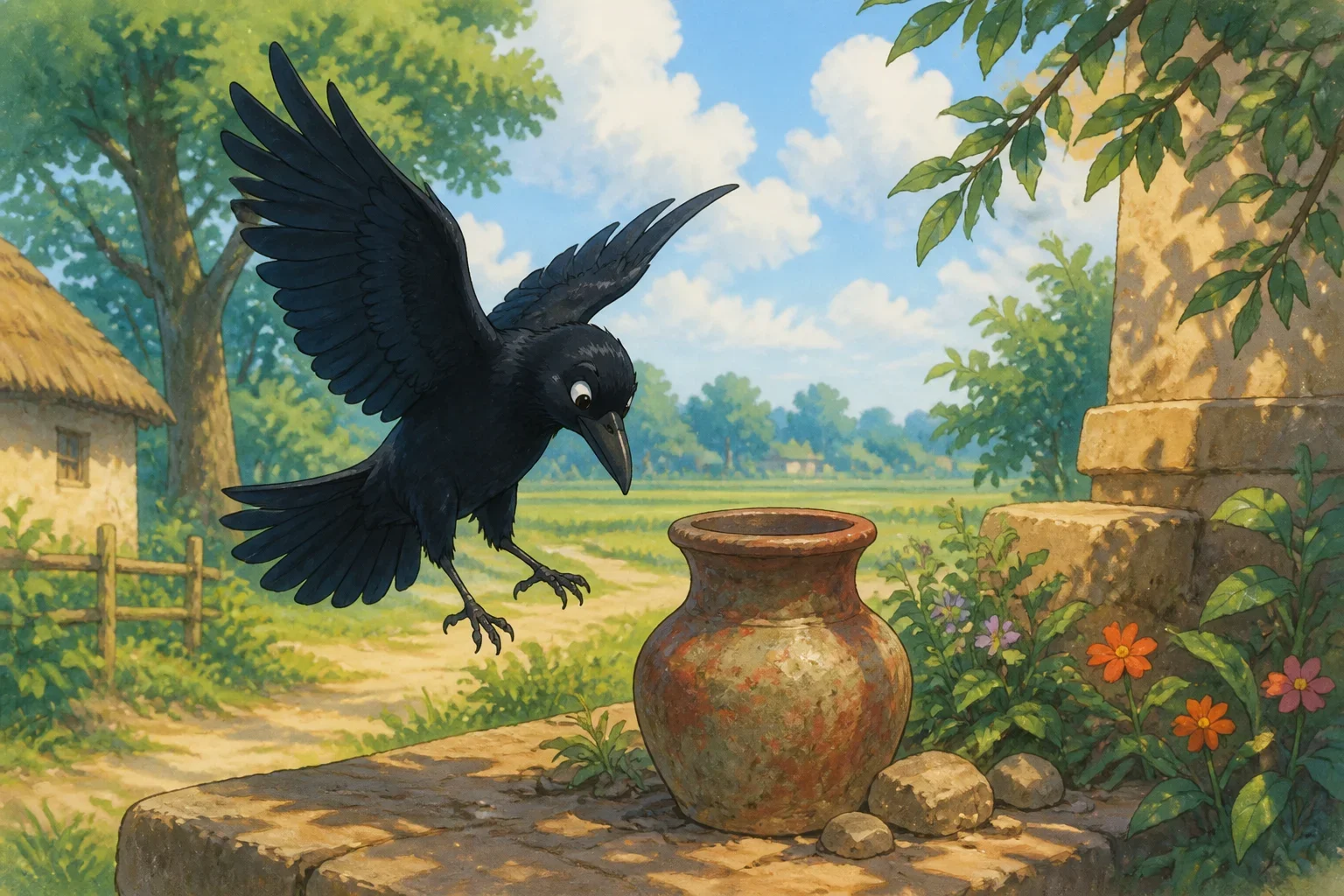
High above the dusty village, a crow flapped his wings more slowly than usual. His name was Corwin, and today his throat felt as dry as straw.
"Water," he croaked softly. "I only need a little water."
He flew over gardens, fences, and quiet farm paths. He peered into a birdbath—empty. He circled above a stream bed—dry. He checked a puddle near the road—gone.
The heat pressed down on him, and for a moment Corwin felt his hope shrinking.
But Corwin was not the sort of bird to give up easily.
He landed on an old fence post and looked around carefully. Beyond a patch of tall grass, something caught the light.
A pitcher.
It stood near a tree, dusty and forgotten, with a narrow neck and a round belly. Corwin fluttered down at once.
He leaned over the rim and looked inside.
There was water at the bottom.
His heart leaped.
Then it sank.
The water was far too low.
Corwin pushed his beak in as far as he could. Not enough. He tipped his head sideways. Still not enough. He braced his feet and tried to shove the pitcher over, but it was heavy and would not budge.
He hopped back and stared at it.
"So close," he muttered. "So very close."
For a few long moments, he felt cross and tired. It would have been easy to flap away in frustration.
But instead, Corwin grew still.
He looked at the pitcher. He looked at the ground. He looked at the little stones scattered in the dust.
Then his bright eyes gleamed.
"If I cannot reach the water," he said, "perhaps I can make the water reach me."
That was a strange idea. A bold idea. But Corwin decided it was worth trying.
He picked up one small pebble in his beak and dropped it into the pitcher.
Plink.
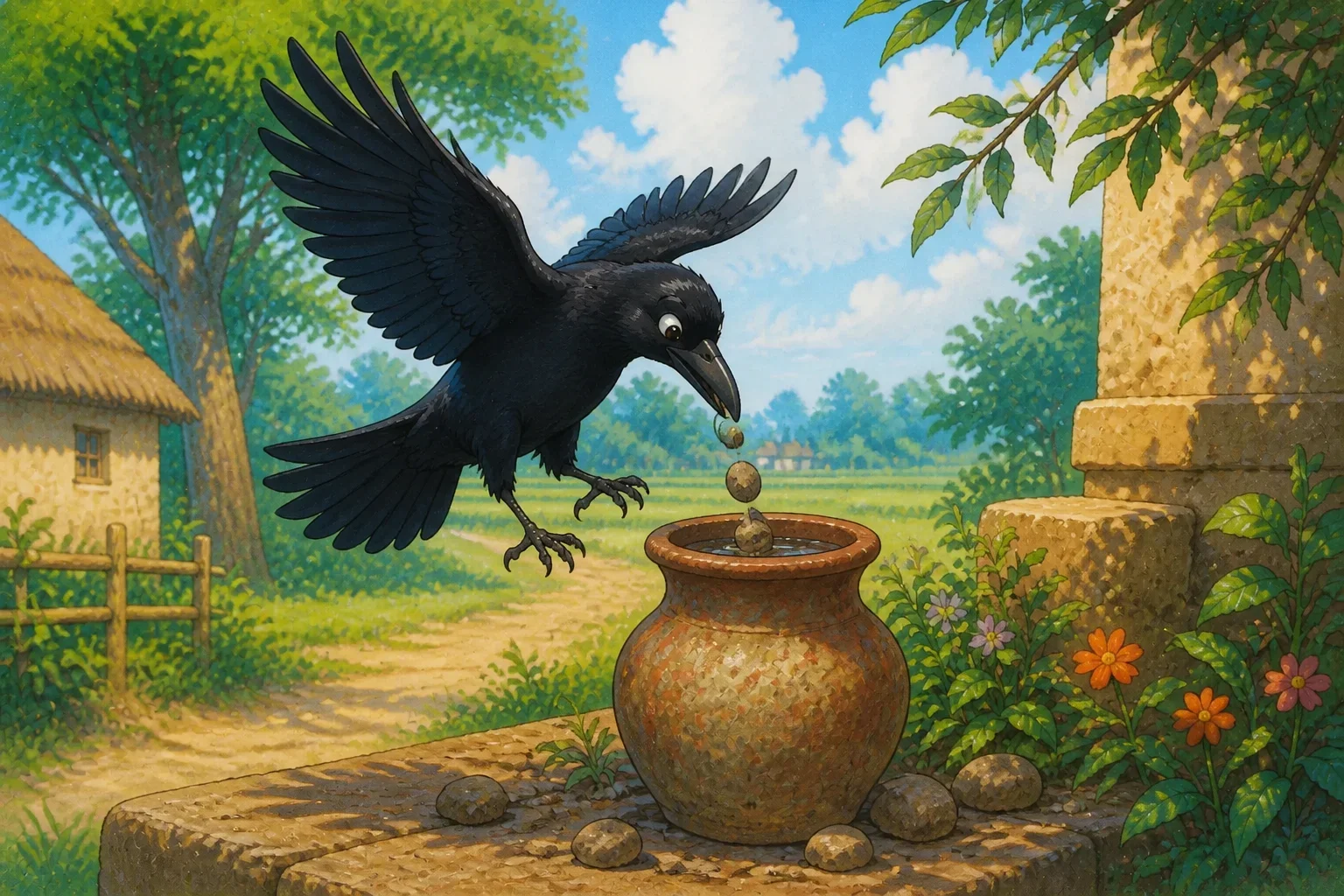
The water trembled.
He dropped in another.
Plink. Plunk.
And another.
At first, nothing seemed to happen.
Corwin wiped his beak against his wing and glanced into the pitcher again. Had the water moved at all? Maybe only a little.
He could have stopped then.
Instead, he fetched more pebbles.
One by one, he carried them across the dry ground. Some were smooth and gray. Some were speckled brown. Some were so tiny he had to choose carefully. Each time he dropped one into the pitcher, the water rose the smallest bit.
The work was slow.
The sun was still hot.
Corwin grew tired.
But now he had hope, and hope gave strength to his wings.
"A little more," he told himself. "Just a little more."
Soon the soft sounds from the pitcher changed. The pebbles sank deeper, and the water climbed higher.
Corwin flew up to the rim and peeked inside.
This time, he gave an excited caw.
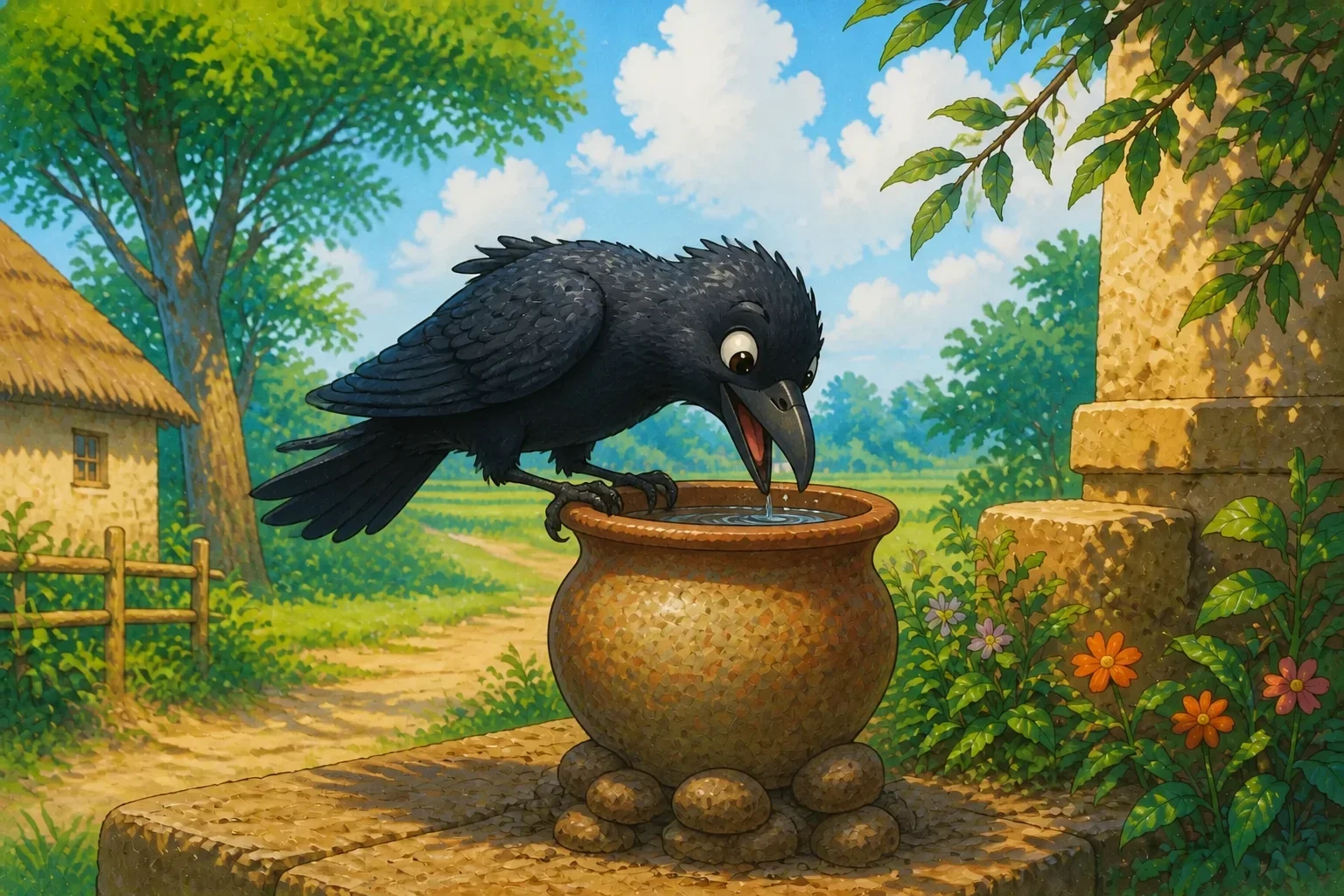
The water was near enough.
He lowered his beak.
At last—cool, clear water touched his tongue.
He drank deeply, slowly, gratefully. It was the sweetest water he had ever tasted, not because it was special, but because he had earned it with patience and clever thinking.
When he had finished, Corwin stood tall on the pitcher’s rim. The hot day no longer felt quite so heavy.
He looked at the pebbles below and gave a proud little nod.
"A hard problem," he said, "does not always need more strength. Sometimes it needs a better idea."
Then, refreshed and cheerful, he spread his wings and rose into the bright blue sky.
And from that day on, whenever the other birds complained that something was impossible, Corwin had a story to tell.
Why This Story Stays With Children
This classic Aesop fable for kids is memorable because the crow does not win by force or luck. He wins by staying calm, thinking carefully, and trying one small step at a time. Children easily understand the feeling of facing a problem that seems too big at first—and the joy of solving it.
Key Takeaways for Kids
- Don’t give up too quickly: A problem may have a solution even when it looks impossible.
- Use your brain: Clever thinking can be more powerful than strength.
- Be patient: Small efforts can lead to big results.
- Stay calm: Good ideas often come when we stop and think.
Moral of the Story
With patience, intelligence, and persistence, even a difficult problem can be solved.

Watch the Animated Story
Watch on YouTube
Related Stories
The Fox and the Crow: A Clever Aesop Fable for Kids
The Fox and the Crow On a warm golden afternoon, when the forest leaves shimmered like tiny green mirrors, a crow flew…
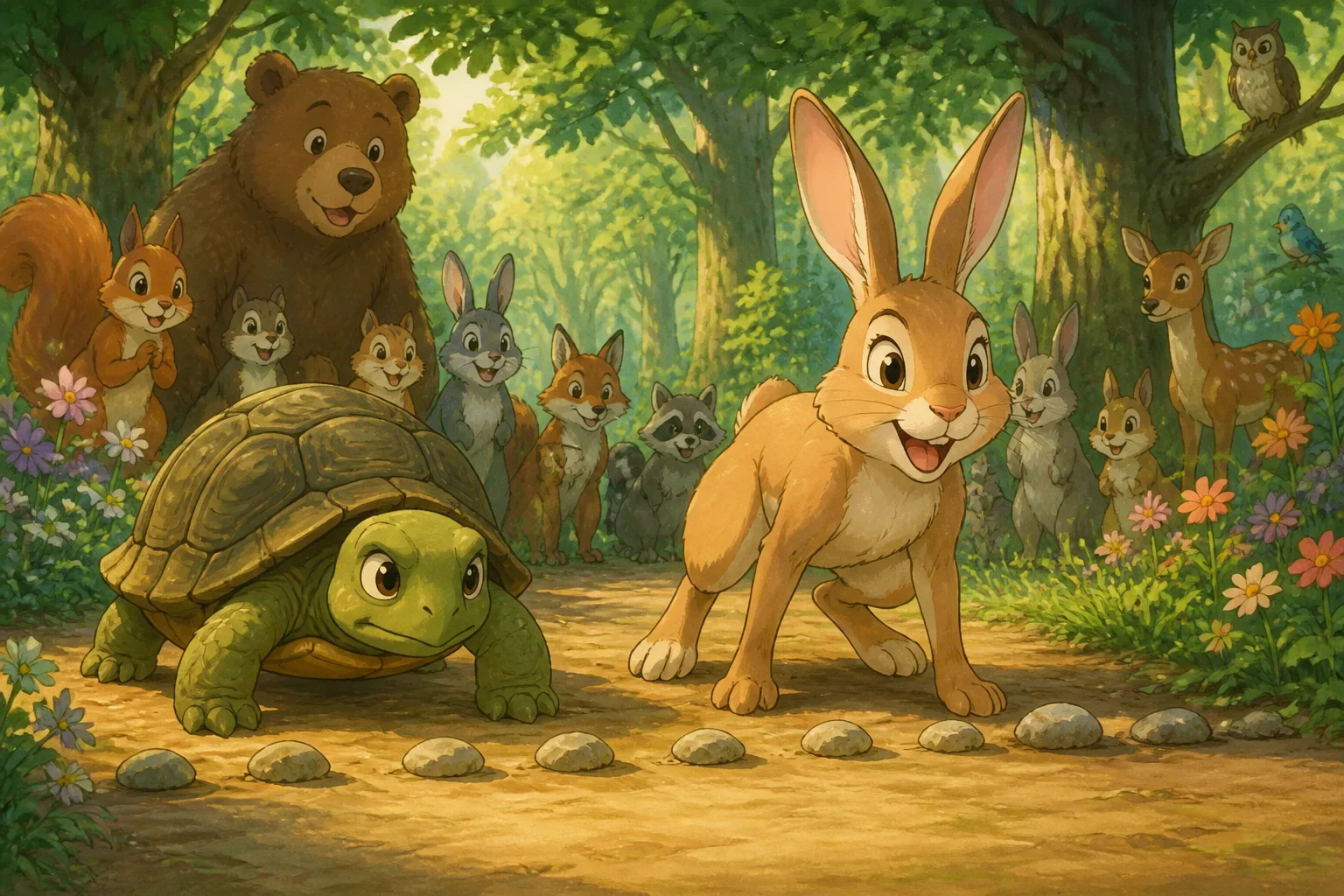
The Tortoise and the Hare Story: Slow and Steady Wins
The Tortoise and the Hare On the edge of a green woodland, where clover scented the breeze and bees hummed over…
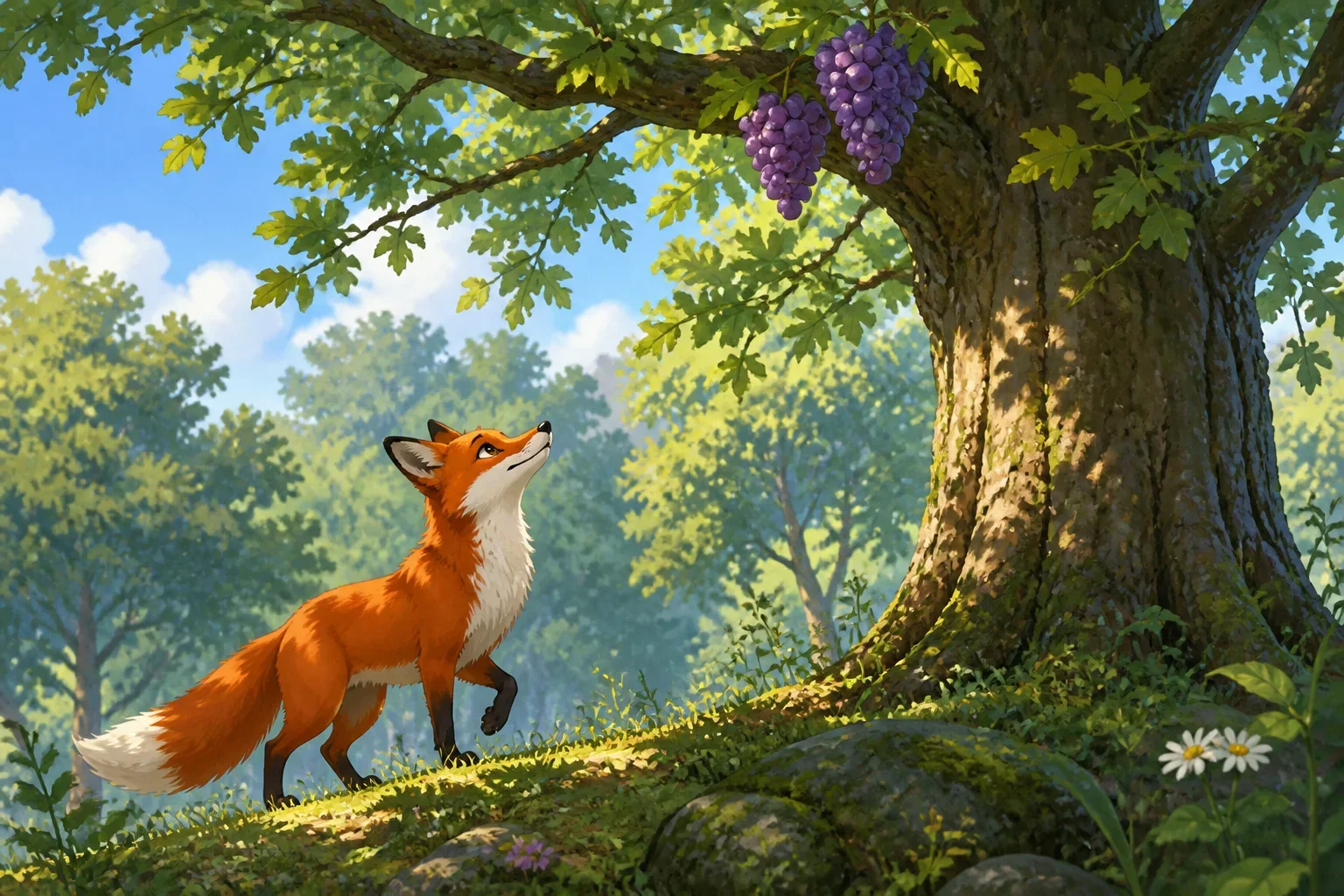
The Fox and the Grapes Story: Aesop’s Famous Moral Tale
The Fox and the Grapes On a hot afternoon, when the fields shimmered and even the crickets sounded sleepy, a hungry fox…
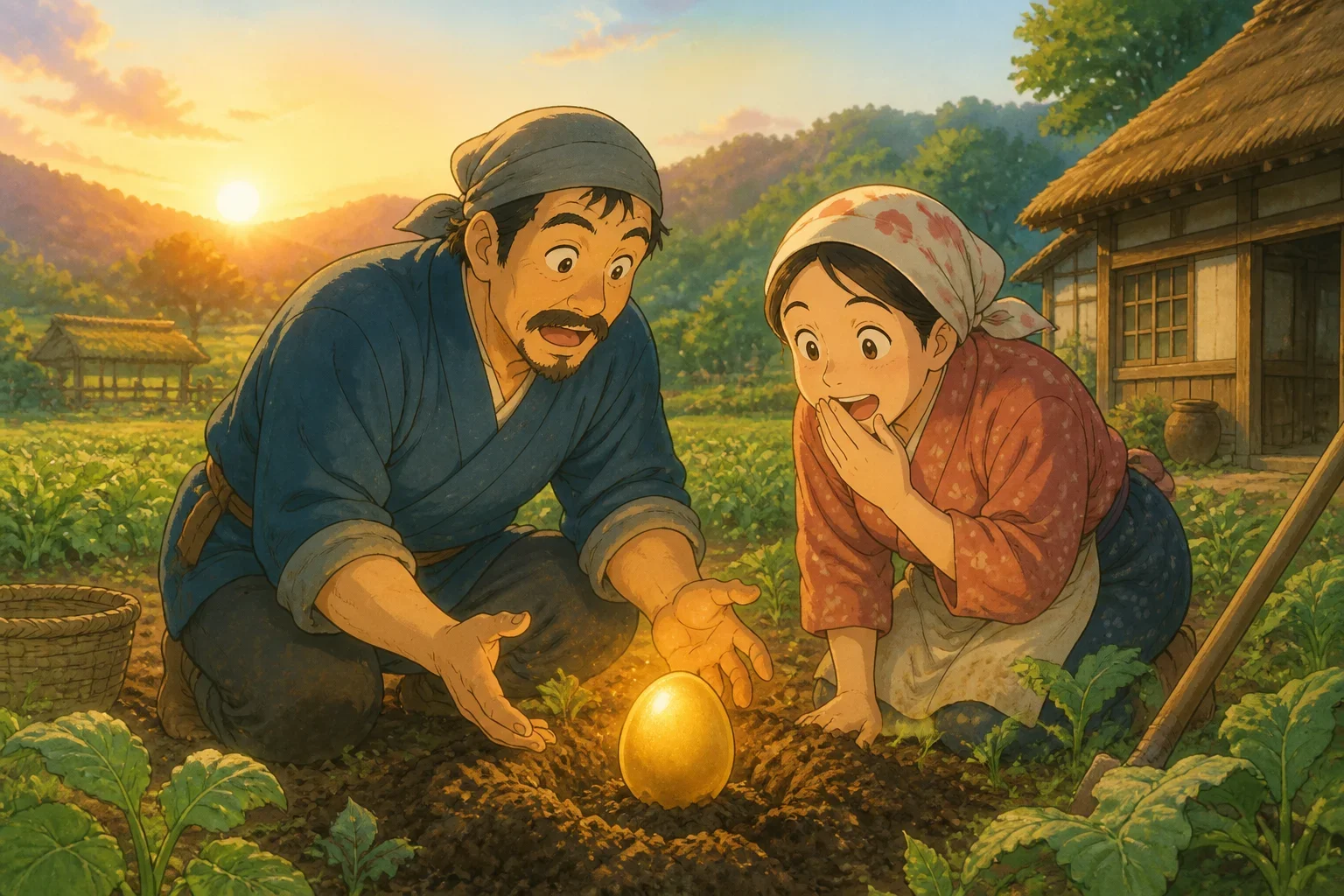
Goose That Laid the Golden Eggs | Aesop Moral on Greed
The Goose That Laid the Golden Eggs On the edge of a quiet village, where smoke curled from chimney tops each evening…