
Ancient Wisdom: 7 Jataka Tales with Strong Morals for Family Reading
The Jataka tales are ancient Buddhist stories, cherished for centuries across Asia. These traditional tales are more than just entertaining animal adventures—they’re gentle guides, exploring universal values like kindness, wisdom, selflessness, and forgiveness. Rooted in the folklore and religious heritage of Buddhism, the Jataka tales were originally told to teach moral lessons through the imagined past lives of the Buddha, often depicted as animals or wise humans.
Today, families around the world can draw inspiration from these stories, finding valuable life lessons that still ring true. In this article, you’ll find seven carefully retold Jataka tales, each with a clear moral, ideal for family reading. These are not religious sermons, but timeless stories for reflection and discussion.
Table of Contents
- About the Jataka Tales
- Why Read Jataka Tales as a Family?
- 7 Jataka Tales with Strong Morals
- Talking About Morals: Family Discussion Tips
- More Classic Tales & Moral Stories
About the Jataka Tales
The Jataka tales form a vast collection of stories found in Buddhist literature, dating back over two thousand years. Each story describes a previous life of the Buddha—sometimes as a prince, often as an animal—demonstrating qualities like compassion, truthfulness, and generosity.
Though these tales originate in Buddhist religious texts, they became popular folk stories across India, Sri Lanka, Thailand, and beyond. Their universal messages mean that children and parents of all backgrounds can enjoy and reflect on them together.
Note: The stories below are respectful, accessible retellings of ancient Buddhist folklore. They are not meant as religious instruction, but as opportunities for family bonding and gentle moral reflection.
Why Read Jataka Tales as a Family?
- Shared Wisdom: These tales invite children and adults to explore important values side by side.
- Animal Adventures: Many Jataka stories feature clever, brave, or kind animal characters, making them delightful for younger readers.
- Universal Morals: Themes like honesty, forgiveness, and selflessness transcend cultures and eras.
- Storytelling Tradition: Reading together keeps oral storytelling alive, encouraging children to ask questions and share thoughts.
For more on the benefits of classic stories, see Stories About Compassion and Life Lessons Stories.
7 Jataka Tales with Strong Morals
Below are seven adapted retellings from the Jataka tradition. Each story ends with a clear, simple moral to spark family conversations.
1. The Monkey King’s Bridge
Traditional Jataka Tale (Adapted Retelling)
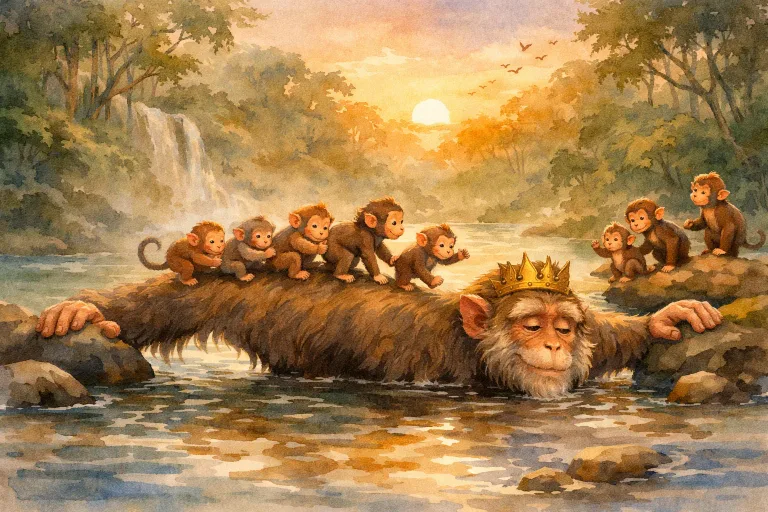
In a lush forest by the banks of a wide, rushing river, a troop of monkeys lived under the wise and caring leadership of their Monkey King. The monkeys loved the sweet mangoes that grew on a tree near the river. But one day, a king and his soldiers arrived, hungry for the fruit and ready to capture the monkeys.
The Monkey King quickly thought of a plan. He stretched his body across the river, forming a living bridge with his arms and tail. One by one, his troop safely crossed over his back to the other side. When the last monkey reached safety, the Monkey King, exhausted, fell into the water. The human king, moved by this act of selflessness, ordered his soldiers to rescue the brave Monkey King and care for him.
Moral: True leaders put others before themselves and show selfless courage.
2. The Golden Deer
Traditional Jataka Tale (Adapted Retelling)
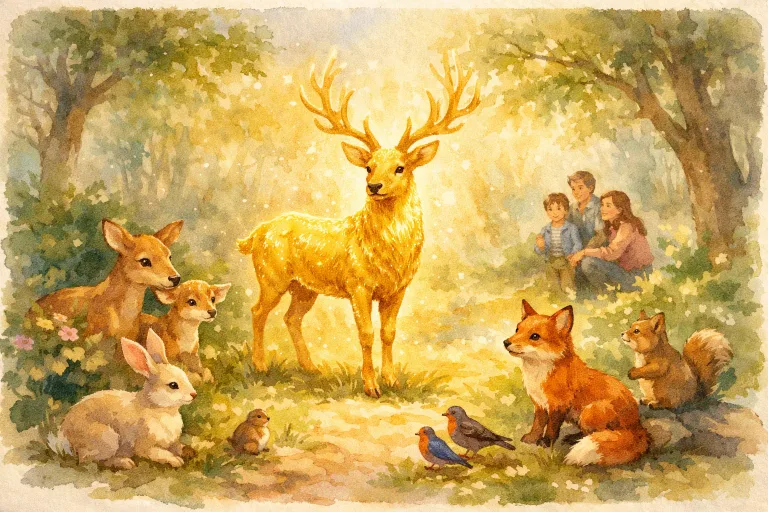
Long ago, a beautiful golden deer lived in the forest near the king’s palace. One day, a hunter set a trap, and the queen, while walking, fell into it. The golden deer heard her cries and gently freed her, asking only that she keep his existence a secret.
Later, the king announced a reward for anyone who could show him the golden deer. The queen, tempted by the reward, revealed the deer’s secret. When the king’s men surrounded the golden deer, he stood calmly before them. Instead of fleeing, he pleaded for mercy—not for himself, but for all the animals of the forest.
The king was so impressed by the deer’s wisdom and compassion that he set him free and promised to protect all animals in his kingdom.
Moral: True compassion means caring for others, even when facing danger ourselves.
3. The Wise Quail and the Net
Traditional Jataka Tale (Adapted Retelling)
A flock of quails lived together in an open field, led by an old, wise quail. Every day, a hunter came with his net, and every day, the quails were caught. The wise quail taught them a trick: “When the net falls, we must all fly together and carry it away.”
The next day, when the net dropped, the quails lifted it together and escaped. But soon, quarrels began among the quails. When they argued, the hunter saw his chance, and this time, the quails could not work together. The net caught them all.
Moral: Unity and cooperation help us overcome great challenges, but quarrels make us weak.
4. The Selfless Elephant
Traditional Jataka Tale (Adapted Retelling)
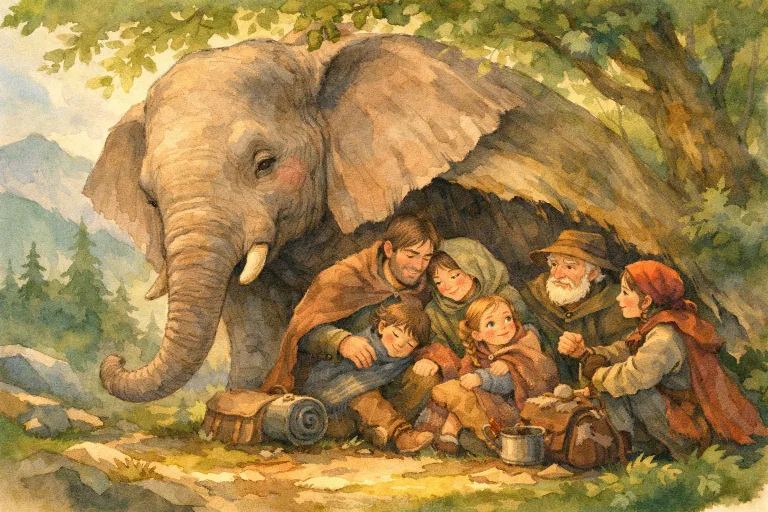
Deep in a mountainous forest, a noble elephant lived with his herd. One day, he heard desperate cries in the woods and discovered a group of lost travelers. The forest was dense, and the travelers were hungry and cold.
The kind elephant led them to safety, breaking branches for shelter and finding fruits for food. When the travelers were still hungry, the elephant quietly offered himself so they would not starve. The travelers, moved by his selflessness, refused his sacrifice and promised to honor such kindness forever.
Moral: True generosity means thinking of others’ needs before your own.
5. The Brave Parrot
Traditional Jataka Tale (Adapted Retelling)
A small parrot lived in a forest that caught fire. As flames spread, the parrot soaked its wings in the river and flew over the fire, shaking drops of water to save its home. The other animals and even the forest spirit laughed at the parrot’s tiny efforts.
But the parrot refused to give up. Moved by its courage, the spirit of the forest turned the rain clouds loose, and the fire was put out. The little parrot’s bravery saved the forest.
Moral: Even small efforts can make a huge difference when we act bravely and persistently.
6. The Patient Buffalo
Traditional Jataka Tale (Adapted Retelling)
A mighty buffalo grazed peacefully in a meadow, while a mischievous monkey teased him day and night—pulling his tail, throwing sticks, and shouting insults. Yet, the buffalo never became angry. Another animal asked, “Why do you tolerate this?”
The buffalo replied, “Why should I let anger spoil my peace? The monkey’s mischief harms only himself, not me.”
Moral: Patience and self-control keep us calm when others try to upset us.
7. The Banyan Deer
Traditional Jataka Tale (Adapted Retelling)
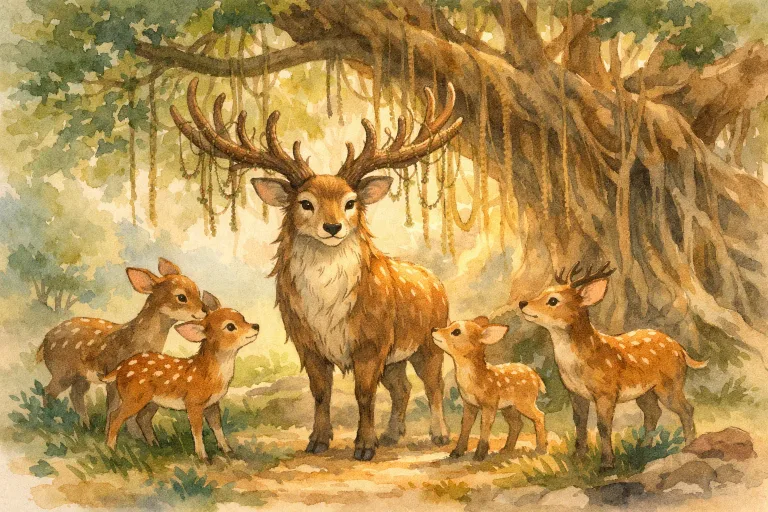
Two herds of deer lived in a royal park, led by the wise Banyan Deer and the proud Branch Deer. The king loved hunting, so each herd agreed to send one deer a day to the palace for a quick, painless end. One day, a pregnant doe was chosen. The Branch Deer refused to spare her, but the Banyan Deer volunteered to take her place.
The king was astonished by the Banyan Deer’s compassion and ordered that no more deer be killed. From that day, all the animals in the park lived in peace.
Moral: Compassion for others’ suffering is the highest kindness.
Talking About Morals: Family Discussion Tips
Jataka stories are best enjoyed through conversation. Here are some ideas to deepen your family’s experience:
- Ask Open Questions:
- What would you have done in the monkey king’s place?
- Why is cooperation important, as in the quail story?
- Can you think of a time when you showed patience like the buffalo?
- Connect to Everyday Life: Relate the morals to school, friendships, or family moments.
- Draw or Act Out Scenes: Younger children love drawing their favorite characters or acting out animal adventures together.
- Encourage Retelling: Let children retell the stories in their own words or invent new endings.
For more family-friendly discussion prompts, see 5-Minute Bedtime Stories With Morals: Quick Reads for Busy Parents and 10 Short Moral Stories for Kids Every Kindergarten Teacher Needs.
More Classic Tales & Moral Stories
If your family enjoyed these Jataka tales, you might also love:
- Wise Lessons: 5 Famous Panchatantra Stories Every Modern Child Must Read — More ancient Indian fables with animal heroes.
- Stories About Compassion — Heartwarming tales that inspire kindness.
- The Ultimate List of Animal Moral Stories Your Kids Will Love — Animal adventures with gentle life lessons.
- Stories for Children Age 7–10 — A curated selection for primary school readers.
Jataka tales remind us that courage, compassion, and wisdom are qualities anyone can nurture, no matter their size or circumstance. Happy storytelling!
Continue Exploring Moral Stories
Discover animated moral stories, browse by category, or find age-appropriate reads for your family.
You May Also Like
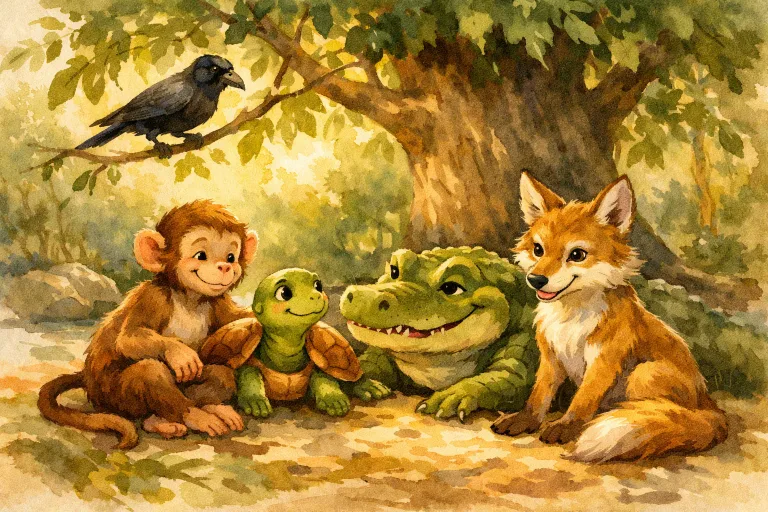
Wise Lessons: 5 Famous Panchatantra Stories Every Modern Child Must Read
Discover five classic Panchatantra stories every child should know! These ancient Indian tales offer timeless lessons about wisdom, friendship, and cleverness.
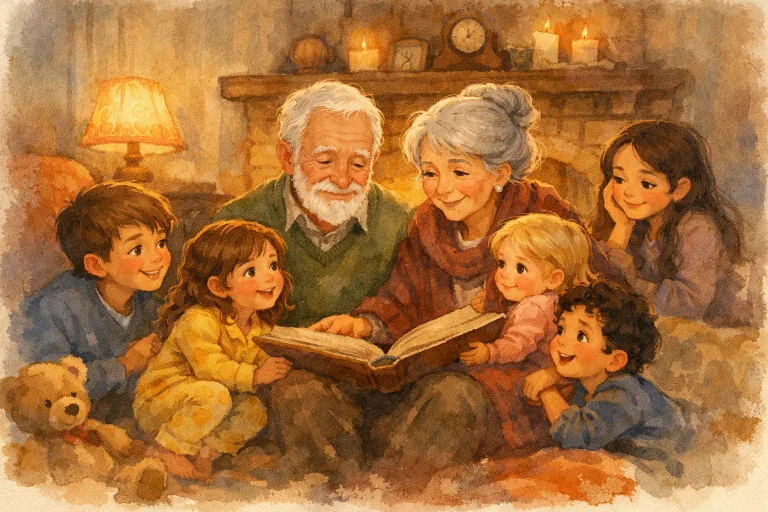
Grandparents' Wisdom: 7 Traditional Oral Stories Passed Down Through Generations
Discover seven traditional oral stories cherished by grandparents worldwide—and how families can keep oral storytelling alive for new generations.
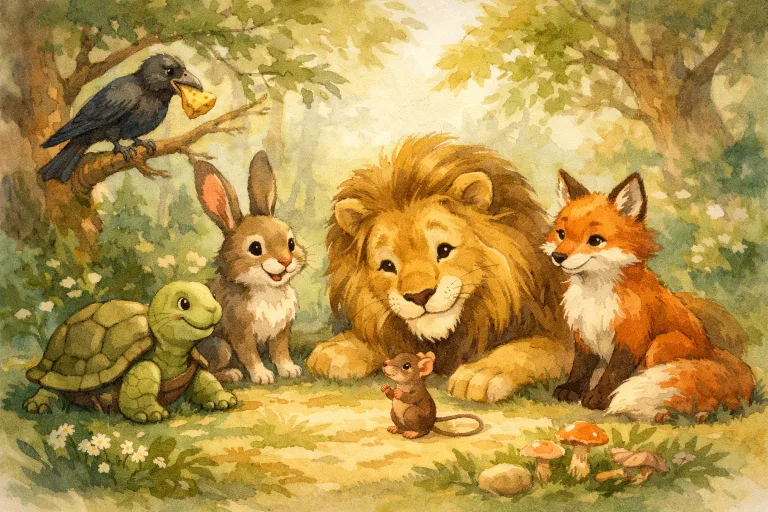
10 Classic Aesop's Fables With Modern Morals for Today's Generation
Discover ten classic Aesop's fables retold for today's kids, each with a modern moral that sparks discussion at home and in the classroom.
The Dark Truth: 5 Famous Fairy Tales with Surprising Hidden Morals
Explore the surprising hidden morals behind five famous fairy tales. Discover deeper lessons in classic stories perfect for curious families and thoughtful readers.