
Grandparents' Wisdom: 7 Traditional Oral Stories Passed Down Through Generations
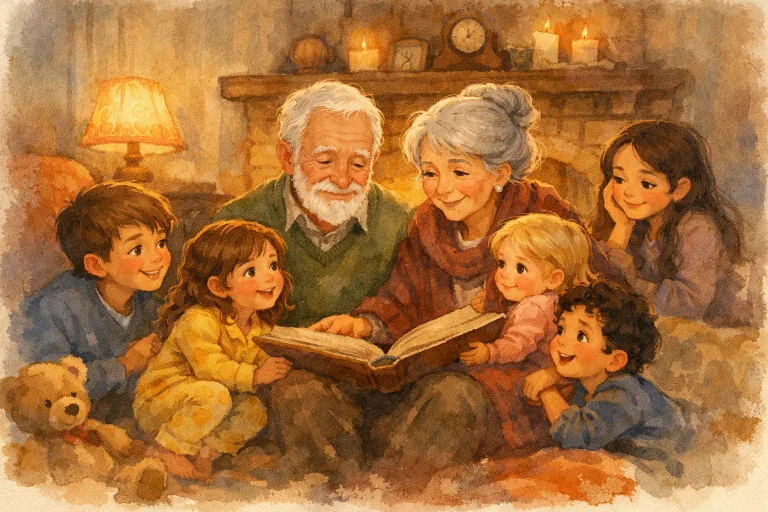
Family gatherings often come alive with the magic of stories. For centuries, grandparents have been storytellers—knitting together memories, lessons, and laughter through tales told by heart. These traditional oral stories from grandparents are woven into the fabric of many cultures, carrying wisdom, humor, and values across generations. In this article, we’ll explore seven classic story types perfect for sharing aloud, the deep value of oral storytelling for families, and tips for keeping this beautiful tradition vibrant in your own home.
Table of Contents
- The Timeless Value of Grandparent Storytelling
- 7 Traditional Oral Stories Passed Down Through Generations
- Why Oral Storytelling Matters for Families
- Tips for Grandparents and Parents: Keeping Storytelling Alive
- Further Reading: Family Stories and More
The Timeless Value of Grandparent Storytelling
There’s something uniquely comforting about the sound of a grandparent’s voice sharing a story passed down from their own childhood. These stories are more than entertainment—they’re bridges to our past, filled with values and lessons that help shape our understanding of right and wrong.
Oral storytelling for families is a gentle, low-tech way to bond, spark imagination, and pass on cultural wisdom. Grandparents, with their vast life experience, often instinctively know which tales will delight, challenge, or comfort young listeners.
7 Traditional Oral Stories Passed Down Through Generations
Below are seven time-honored types of oral stories, each with a sample retelling suitable for sharing aloud. Adapt them to your own family’s traditions or let them inspire new tales grounded in your heritage.
1. The Clever Animal (Aesop’s Fables)
Type: Traditional, adapted from Aesop’s Fables
Theme: Cleverness, resourcefulness, wit over strength
Sample Story—The Fox and the Grapes:
Once upon a time, a hungry fox spotted a bunch of ripe, juicy grapes hanging high on a vine. The fox leapt and stretched, tried all his tricks, but no matter what he did, the grapes stayed out of reach. Tired and frustrated, the fox finally turned away, saying, “They’re probably sour anyway!”
Moral: It’s easy to despise what you cannot have.
Stories featuring clever animals—foxes, monkeys, rabbits—are a staple of traditional moral stories around the world. These tales are perfect for sparking laughter and reflection in children, showing that brains can sometimes outwit brawn.
For more animal-based lessons, explore The Ultimate List of Animal Moral Stories Your Kids Will Love for retellings from global folklore.
2. The Kind Grandmother’s Gift
Type: Family oral tradition, inspired folk tale
Theme: Kindness, generosity, gratitude
Sample Story—Grandma’s Special Cookies:
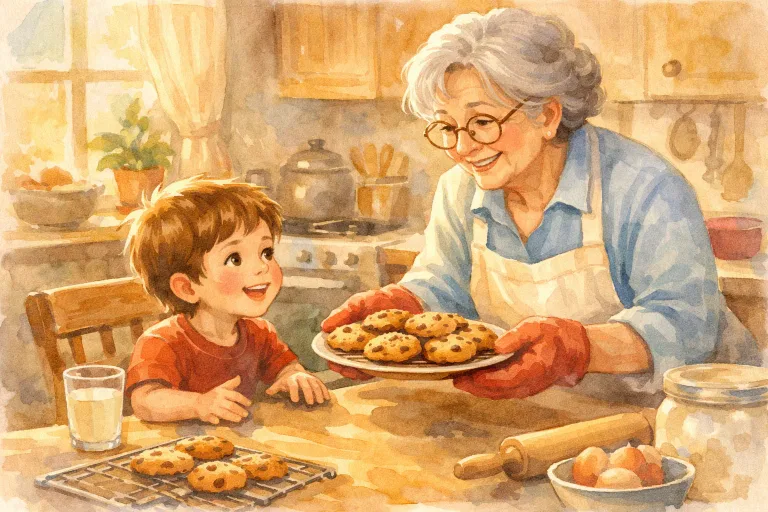
Every Sunday, little Anya visited her grandmother. Grandma always had a fresh batch of cookies ready, but she never ate them herself—she gave them to Anya, friends, and even the birds outside. When Anya asked why, Grandma smiled: “Sharing what you have makes your heart full, even when your hands are empty.”
One winter, when Anya brought cookies for a hungry neighbor, she finally understood: giving is its own sweet reward.
These stories, rooted in family experience, teach children about the quiet strength of kindness. If your family has its own version, don’t hesitate to retell it! (You might also like The Bond of Love: 5 Touching Family Moral Stories About Parents.)
3. The Honest Woodcutter (Panchatantra Variant)
Type: Traditional, adapted from Indian folktales
Theme: Honesty, integrity, reward for truthfulness
Sample Story—The Woodcutter’s Axe:
In a peaceful village, a poor woodcutter dropped his only axe into a river. Distraught, he wept at the riverbank. Suddenly, a kind spirit appeared, offering him a golden axe and then a silver one. The woodcutter refused both, saying honestly, “They’re not mine.” Impressed, the spirit returned his old axe—and gifted him the others for his honesty.
Moral: Honesty is always rewarded.
Honesty tales are a foundation of oral tradition, crossing cultures and continents. You can find similar stories in the Wise Lessons: 5 Famous Panchatantra Stories Every Modern Child Must Read collection.
4. The Tale of the Wise Judge
Type: Traditional, adapted world folktale
Theme: Wisdom, fairness, justice
Sample Story—The Farmer’s Dispute:
Two neighbors in a small village quarreled over a cow, both claiming ownership. The village judge listened carefully, then asked them simple questions. Realizing both could not be telling the truth, the judge observed how the cow reacted—walking to the one it truly knew. The judge decided fairly, teaching everyone the value of careful listening and observation.
Stories about wise judges or clever leaders are told in many cultures, illustrating how calm thinking and fairness can resolve even the most tangled problems.
See more about values like fairness in Life Lessons Stories.
5. The Friendship Pot
Type: Oral folk tale, family retelling
Theme: Friendship, sharing, community
Sample Story—The Never-Empty Pot:
In a mountain village, friends gathered each night to eat together. Every person brought a small gift for the pot—some rice, a carrot, a handful of beans. Somehow, the pot never ran empty, always feeding everyone with just enough for all. When one friend stopped contributing but kept eating, the pot began to shrink. They soon realized the magic was in sharing, not the pot itself.
Moral: Friendship grows when everyone gives a little.
Family and community stories like these teach children about the joy and responsibility of belonging. For more on friendship lessons, explore Friendship Moral Stories.
6. The Little Mouse’s Big Courage (Jataka Tale)
Type: Traditional, adapted from Jataka Tales
Theme: Courage, self-worth, inner strength
Sample Story—The Brave Little Mouse:
A timid mouse dreamed of being as brave as a lion. When the jungle caught fire, animals scattered in fear. The little mouse, forgetting his own fear, darted in and out, helping others escape. Afterward, the wise old lion declared, “Courage isn’t about size; it’s about heart.”
Classic stories like this one encourage even the youngest children to believe in themselves. See more ancient wisdom in Ancient Wisdom: 7 Jataka Tales with Strong Morals for Family Reading.
7. The Farmer’s Three Sons
Type: Global oral tradition, adapted variants
Theme: Hard work, unity, understanding true value
Sample Story—The Hidden Treasure:
An old farmer, worried about his quarrelsome sons, told them, “A treasure is buried in our fields.” After he passed away, the sons dug and toiled, but found only earth. Yet, their hard work led to a bountiful harvest. At last, they realized the true treasure was their labor and teamwork.
Moral: Hard work and unity are treasures in themselves.
This powerful story has been told in many cultures, with different details but the same enduring lesson.
Why Oral Storytelling Matters for Families
Oral storytelling for families is not just about entertainment. It develops:
- Language skills and vocabulary in children across ages
- Imagination and the ability to picture stories in the mind
- Family bonds—especially when stories reflect shared experiences
- Moral understanding through examples instead of lectures
Stories told aloud also build listening skills and patience—qualities crucial in today’s fast-paced world. (Parents of younger children can discover more age-appropriate tales in Stories for Children Age 3–6 and Stories for Children Age 7–10.)
Tips for Grandparents and Parents: Keeping Storytelling Alive
1. Start With Your Own Memories
Even a simple memory can become a captivating story. Did you have a favorite tradition, lesson, or funny mishap? Tell it!
2. Create a Storytelling Ritual
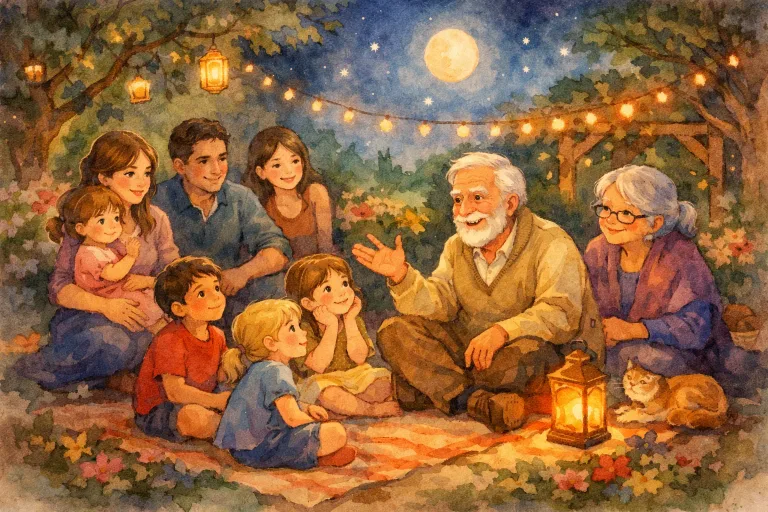
Make storytime a regular part of family gatherings or bedtime routines. Children come to anticipate and cherish the ritual.
3. Encourage Participation
Invite children to add endings, choose characters, or act out parts of the story. This turns listening into a lively family activity.
4. Blend Old and New
Share classic tales, then invite your family to invent their own, inspired by your favorite traditional moral stories.
5. Record or Write Down Family Stories
Preserve unique family stories so future generations can enjoy them too. You might even create a family storybook.
6. Explore Other Cultures’ Tales
Sharing stories from diverse backgrounds fosters empathy and a broader worldview. Resources like Easy Reading: 10 Simple English Moral Stories for ESL Learners offer accessible tales across cultures.
Further Reading: Family Stories and More
- Want more touching tales about family bonds? Visit Family Moral Stories, featuring stories inspired by real family life.
- Interested in print-and-play options? Try Free Downloads: 5 Printable Moral Stories With Comprehension Questions for easy sharing.
- If your family loves quick reads, 5-Minute Bedtime Stories With Morals: Quick Reads for Busy Parents has you covered for those cozy moments before lights out.
Oral storytelling is a living tradition. Every time you tell a story—even a small one—you’re weaving new threads into your family’s legacy. Whether you pass down a time-honored fable or make up a tale about a lost sock and a brave kitten, the wisdom and warmth you share matter most.

Tell Your Family Story
What stories do your grandparents tell? What tales would you like your children to remember? Let’s keep the tradition alive—one story, one night, one family at a time.
Continue Exploring Moral Stories
Discover animated moral stories, browse by category, or find age-appropriate reads for your family.
You May Also Like
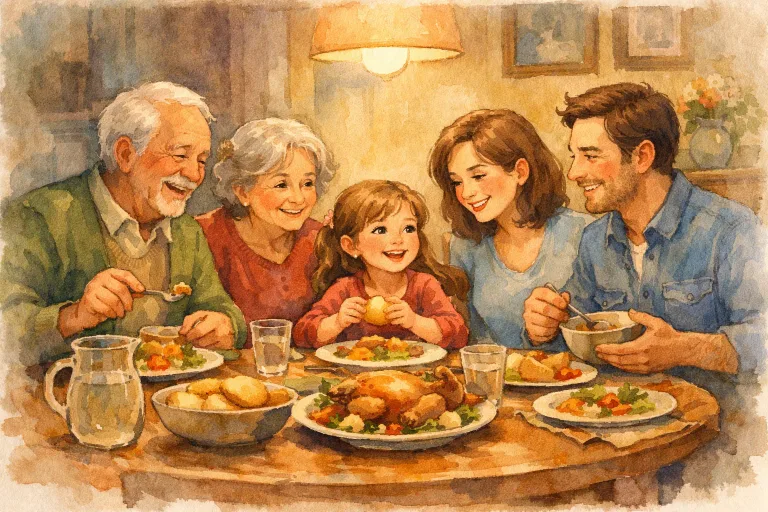
The Bond of Love: 5 Touching Family Moral Stories About Parents
Discover five touching family moral stories about parents, highlighting love, sacrifice, and the unbreakable bond between parents and children.

Ancient Wisdom: 7 Jataka Tales with Strong Morals for Family Reading
Discover seven timeless Jataka tales retold for families, each offering gentle Buddhist wisdom about kindness, compassion, and selflessness.
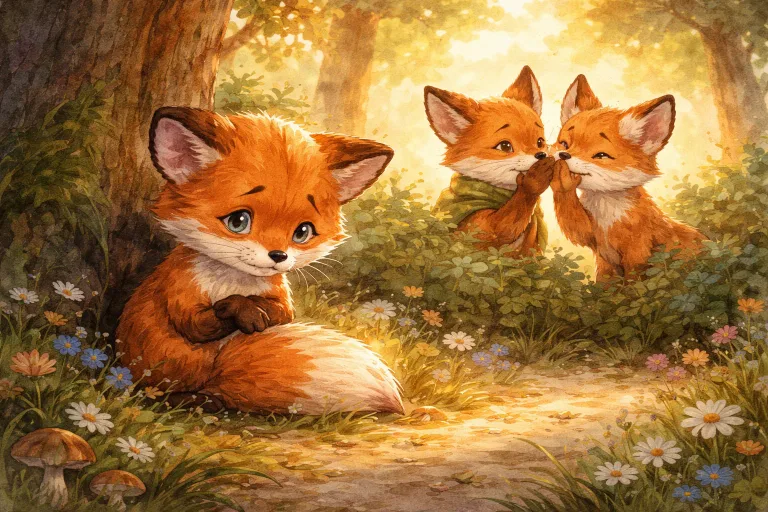
5 Betrayal Stories for Kids: Understanding Trust & Loyalty
Felix betrayed Sammy by hiding a feather and spreading secrets, learning that honesty and loyalty build true friendship, avoiding loneliness and hurt feelings.

7 Stories About Respecting Parents: Honoring Mom & Dad
Discover 7 heartfelt stories that teach children the importance of respecting and honoring their parents. Foster gratitude, kindness, and family values today!