
Easy Reading: 10 Simple English Moral Stories for ESL Learners
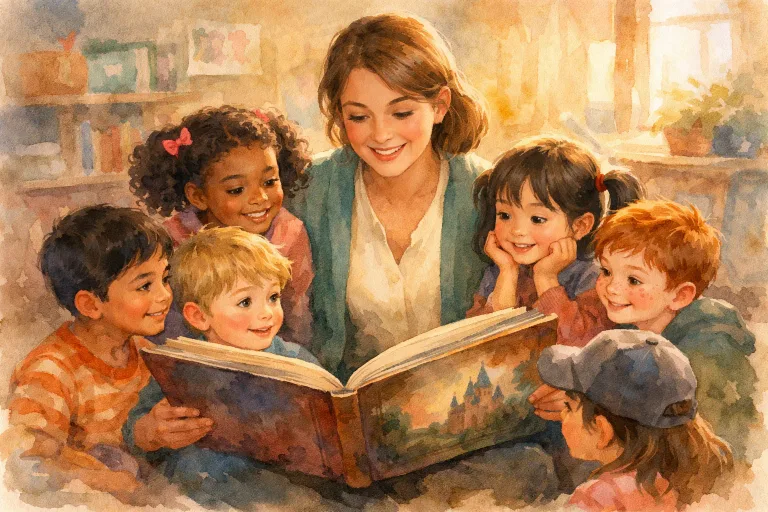
Learning English is more than memorizing words and grammar. Stories make language come alive! For English as a Second Language (ESL) learners, simple moral stories are a powerful way to build confidence, vocabulary, and understanding—while discovering important life lessons.
In this article, you’ll find ten carefully chosen, easy English stories with morals. Each tale uses simple sentences, clear vocabulary, and a gentle pace. Along the way, you’ll see reading level tips, vocabulary notes, and ideas on how to use each story in class or at home. Whether you’re a teacher, parent, or an ESL learner yourself, these stories will help you connect, reflect, and grow together.
Table of Contents
- Why Moral Stories Work for ESL Learners
- How to Use Simple Moral Stories in ESL Teaching
- 10 Simple English Moral Stories for ESL Learners
- Tips for ESL Learners: Understanding and Discussing Moral Stories
- Further Reading: More Story Resources
Why Moral Stories Work for ESL Learners
Stories have always been a bridge between cultures, ages, and languages. For those learning English, stories with morals offer unique advantages:
- Clear structure: Simple beginning, middle, and end help learners follow along.
- Familiar themes: Topics like honesty, kindness, and hard work are understood worldwide.
- Repetition: Key vocabulary and phrases are used several times.
- Emotional connection: Stories make lessons memorable and meaningful.
- Cultural insight: Learners discover how different cultures share values through tales.
By reading easy English stories with morals, ESL students build not just language skills, but also confidence and character.
How to Use Simple Moral Stories in ESL Teaching
Whether in a classroom or at home, moral stories can be adapted for every level. Here are some tips:
For Teachers
- Pre-teach key vocabulary: Introduce 3–5 new words before reading.
- Read aloud with expression: Model good pronunciation and intonation.
- Use visuals: Pictures help bring the story to life and aid understanding.
- Check comprehension: Ask simple questions (“Who was the story about?” “What happened?”).
- Discuss the moral: Let students share their own examples from life.
- Act it out: Role-play helps kinesthetic learners and builds speaking confidence.
For Parents and Families
- Read together daily: Even a few minutes a day builds skills.
- Pause and explain: Stop to clarify words or phrases.
- Connect to real life: “When did you help a friend?”
- Repeat favorites: Repetition helps language stick.
For printable stories and comprehension questions, see our guide: Free Downloads: 5 Printable Moral Stories With Comprehension Questions.
10 Simple English Moral Stories for ESL Learners
Each story below includes a reading level tip, vocabulary highlights, and a brief summary. Many are inspired by Aesop’s Fables or classic folk tales—proven favorites in ESL settings!
1. The Honest Woodcutter (Traditional/Adapted Retelling)
Reading Level: Beginner/Elementary
Summary: A poor woodcutter drops his axe in a river. An angel offers him gold and silver axes, but he chooses only his own. His honesty is rewarded.
Vocabulary: woodcutter, axe, river, angel, honest, reward
Moral: Honesty is the best policy.
Printable Version: Find printable questions and story here
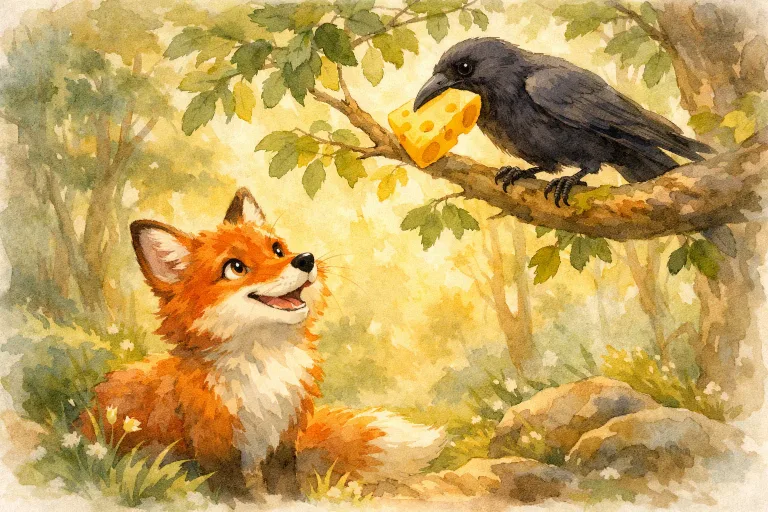
2. The Fox and the Crow (Traditional, Aesop)
Reading Level: Beginner/Elementary
Summary: A clever fox flatters a crow into dropping her cheese. The crow learns not to trust flattery.
Vocabulary: fox, crow, cheese, clever, flattery, trick
Moral: Beware of those who flatter you for their own gain.
Read the full story: The Fox and the Crow: A Clever Aesop Fable for Kids
3. The Thirsty Crow (Traditional, Aesop)
Reading Level: Beginner/Elementary
Summary: On a hot day, a thirsty crow finds a pitcher with little water. She drops pebbles into the pitcher, raising the water so she can drink.
Vocabulary: thirsty, crow, pitcher, pebbles, clever, solution
Moral: Think and work hard to solve problems.
Read the full story: The Thirsty Crow Story: A Clever Aesop Fable for Kids
4. The Lion and the Mouse (Traditional, Aesop)
Reading Level: Elementary
Summary: A small mouse helps a mighty lion escape from a hunter’s net. Even the smallest friend can be a great help.
Vocabulary: lion, mouse, hunter, trap, help, friend
Moral: Kindness is never wasted.
Related category: Kindness Moral Stories
5. The Ant and the Grasshopper (Traditional, Aesop)
Reading Level: Elementary
Summary: The hardworking ant prepares food for winter, while the grasshopper sings all summer. When winter comes, the grasshopper has nothing to eat.
Vocabulary: ant, grasshopper, summer, winter, work, prepare
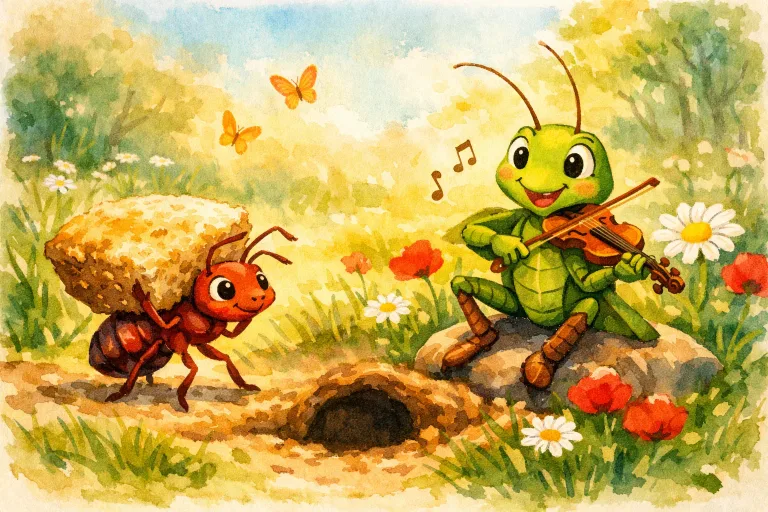
Moral: Work today for a better tomorrow.
Read the full story: Ant and Grasshopper Story for Kids: A Famous Aesop Fable
6. The Simple Life of Lila (Original/Modern Tale)
Reading Level: Elementary/Pre-Intermediate
Summary: Lila lives a simple, happy life with her family. She does not have many things, but she is content and kind. Her friends learn that happiness does not come from having more, but from being thankful and caring.
Vocabulary: simple, content, thankful, family, friends, happiness
Moral: Happiness comes from gratitude and caring, not things.
Read the full story: Simple Life of Lila: A Beautiful Moral Story for Kids
7. The Bundle of Sticks (Traditional, Aesop)
Reading Level: Elementary/Pre-Intermediate
Summary: A father shows his sons that a bundle of sticks is hard to break, but sticks alone are weak. Unity is strength.
Vocabulary: bundle, sticks, unity, strong, together, break
Moral: Together we are strong; divided we are weak.
For more on teamwork and unity: See Friendship Moral Stories
8. The Boy Who Cried Wolf (Traditional, Aesop)
Reading Level: Elementary/Pre-Intermediate
Summary: A boy plays tricks, lying about a wolf. When a real wolf comes, no one believes him.
Vocabulary: boy, wolf, lie, truth, believe, trust
Moral: If you lie, people will not trust you—even when you tell the truth.
Explore more: Honesty Moral Stories
9. The Fox and the Grapes (Traditional, Aesop)
Reading Level: Elementary
Summary: A hungry fox tries to reach some grapes but cannot. He walks away, saying they are probably sour.
Vocabulary: fox, grapes, hungry, reach, sour, pretend
Moral: It’s easy to dislike what you cannot have.
Read the full story: The Fox and the Grapes Story: Aesop’s Famous Moral Tale
10. The Golden Touch (Traditional/Adapted Retelling)
Reading Level: Pre-Intermediate

Summary: King Midas wishes that everything he touches turns to gold. Soon, he learns that too much desire can bring sadness, not happiness.
Vocabulary: king, gold, wish, touch, desire, happiness
Moral: Too much desire can lead to unhappiness.
Tips for ESL Learners: Understanding and Discussing Moral Stories
Reading is just the beginning! Here’s how students and teachers can get more from moral stories:
1. Vocabulary Building
- List new words from each story.
- Make simple sentences using them ("The fox is clever.").
- Use flashcards or matching games.
2. Comprehension Practice
- Answer basic questions ("Who? What? Where? Why?").
- Sequence events (“What happened first?”).
- Retell the story in your own words.
3. Discussion and Values
- What did you learn from the story?
- Can you think of a similar situation in your life?
- Do you agree with the moral? Why or why not?
4. Creative Extension
- Draw a scene from the story.
- Act out the tale with classmates or family.
- Write a new ending or a similar story using the same moral.
For more printable stories and questions, check out Free Downloads: 5 Printable Moral Stories With Comprehension Questions.
Further Reading: More Story Resources
If your learners enjoy these, there’s a world of easy English moral stories to explore! Here are some favorites:
- 10 Classic Aesop's Fables With Modern Morals for Today's Generation
- Ancient Wisdom: 7 Jataka Tales with Strong Morals for Family Reading
- The Ultimate List of Animal Moral Stories Your Kids Will Love
- 10 Short Moral Stories for Kids Every Kindergarten Teacher Needs
- 5-Minute Bedtime Stories With Morals: Quick Reads for Busy Parents
Want to listen on the go? Try these recommended pages and discover stories on YouTube for a fun, immersive experience: Road Trip Lifesavers: 10 Engaging Audio Moral Stories for Long Drives.
Conclusion
Simple English moral stories are a treasure for ESL learners and teachers. They offer more than vocabulary—they teach kindness, honesty, gratitude, and perseverance. With the right stories and a little guidance, learners of all ages can grow in language and life.
Happy reading, teaching, and sharing!
Continue Exploring Moral Stories
Discover animated moral stories, browse by category, or find age-appropriate reads for your family.
You May Also Like

10 Short Moral Stories for Kids Every Kindergarten Teacher Needs
Discover ten delightful short moral stories every kindergarten teacher should know—perfect for circle time and fostering values like kindness, honesty, and sharing.
10 Quick 2-Minute Moral Stories Perfect for School Morning Assembly
Start your school day with these 10 quick, impactful moral stories—each takes just two minutes and comes with a clear message for assembly.

Piggy Bank Lessons: 5 Stories That Teach Kids Money Management
Discover five engaging stories that make money management simple and meaningful for children, teaching saving, wise spending, and generosity through age-appropriate storytelling.
5 Environmental Stories for Kids: Respecting Nature & Planet
Ripple the river and her friends teach kids that small actions like picking up trash and recycling help protect water, animals, and our planet’s health.