
Living Life of Contentment - A Tale of a Simple Women
The Simple Life of Lila
On the edge of a quiet village, where the mornings smelled of wet earth and jasmine, stood a tiny cottage with a crooked wooden gate and a roof of golden straw. It belonged to Lila.
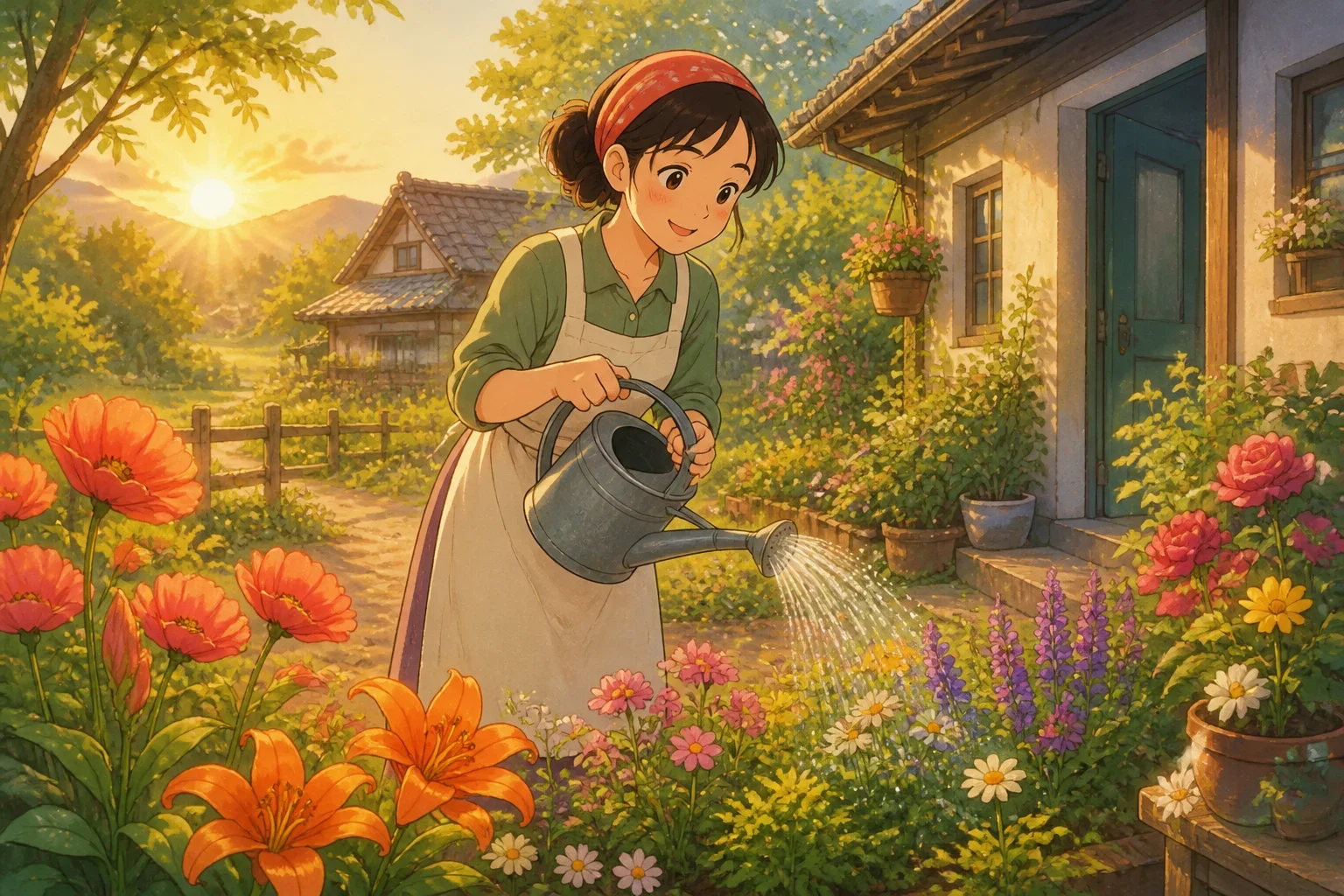
Lila was not rich. Her cottage had only one room, a clay stove, a wooden table polished smooth by years of use, and a little shelf lined with cups that did not match. But every window held a pot of bright flowers, and every corner of the house seemed to glow with warmth.
If you passed by at sunrise, you would hear her singing.
If you passed by at noon, you would see her in the garden, sleeves rolled up, hands dusted with soil, smiling at her marigolds as if they were old friends.
And if you passed by at night, you might catch the flicker of her lamp while she mended clothes, sipped mint tea, and thanked the day for its blessings.
Lila had very little, yet she was known as the happiest person in the village.
That puzzled many people.
"How can she be so cheerful?" some whispered.
"If I lived in that tiny house, I would be miserable," others said.
In the same village lived Mira, who always wished for prettier things, and Tom, who was forever comparing what he had with what others owned.
Mira wanted a dress with ribbons like the merchant’s daughter wore. Tom wanted a newer cart, stronger tools, and a bigger stall in the market.
No matter what they had, it never seemed enough.
One afternoon, the sun hung warm and sleepy in the sky. Lila sat on her porch with a cup of herbal tea, listening to bees buzz over the lavender. Just then, Mira and Tom walked by, both wearing long faces.
"I’m tired of wearing the same old dresses," Mira groaned. "At the market today, I saw the most beautiful blue one with silver trim. I can’t stop thinking about it."
Tom kicked a pebble down the path. "And my cart squeaks every time I push it. Rohan bought a new one last month. Everyone notices his stall first."
Lila looked at them kindly. "Come sit for a moment," she said.
They sat on the porch steps while Lila poured water into two cups.
"Tell me," she asked, "what did you notice on your way here?"
Mira blinked. "Notice?"
"Yes," said Lila. "What did you see?"
Tom shrugged. "The road. Chickens. Dust. Nothing special."
Lila smiled but said nothing. She stood and pointed toward her garden.
"I saw the first red rose open this morning," she said. "I heard a blackbird singing from the fig tree. I found that my mint has grown back after the rain. And look there—"
A line of tiny ants was carrying crumbs twice their size across a stone.
Mira and Tom leaned closer.
"They work hard," Lila said. "And they do not stop to complain that they are not butterflies."
Tom gave a small laugh.
Lila sat down again. "Wanting things is natural," she said gently. "But if we spend all our time staring at what we do not have, we become blind to what is already in our hands."
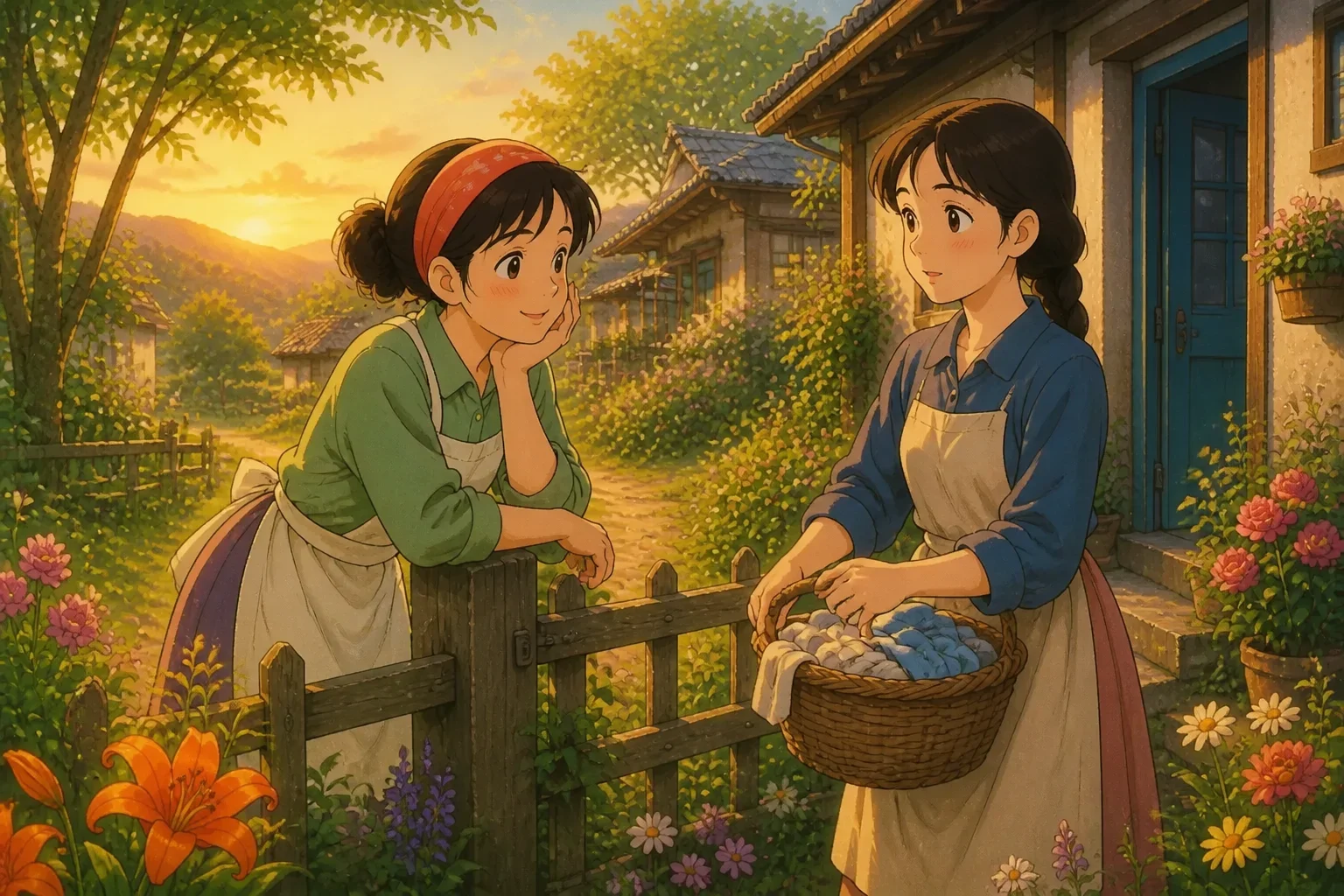
Mira folded her arms. "That is easy to say when you don’t mind simple things."
Lila nodded. "You’re right. It took me time to learn."
The two looked up in surprise.
"Once," Lila continued, "I thought happiness lived somewhere else—inside a finer house, softer blankets, prettier dishes, and a purse full of coins. I kept waiting to feel complete. But the more I chased after 'more,' the more restless I became. One day I realized I had rushed past a hundred joys while searching for one grand treasure."
She lifted her cup and breathed in the steam.
"Since then, I have tried to notice small gifts. Warm bread. A cool breeze. Work that keeps my hands busy. Neighbors to speak with. Seeds that become flowers. These are not little things. They are life itself."
Her words settled quietly between them.
Just then, a strong gust of wind swept through the porch. One of Tom’s market lists flew from his pocket and landed in Lila’s garden bed. Mira hurried after it and nearly stepped on a patch of tiny green shoots.
"Oh!" she cried. "I almost crushed these. What are they?"
"Beans," said Lila. "If I care for them well, they will climb the fence and feed me for weeks."
Mira stared at the fragile shoots. They looked so small, yet Lila spoke of them as if they were treasure.
Tom glanced at his own rough hands. "My cart does squeak," he said slowly, "but it still carries vegetables to market. My father built it with me. I suppose... I forget that part."
Lila’s eyes softened. "A repaired cart can carry pride with it. A handmade dress can carry your imagination. There is joy in creating, mending, and appreciating."
The next day, Mira visited the cloth seller—not to buy the expensive dress she had admired, but to choose a simple piece of blue fabric. She spent the evening sewing by lamplight. Her stitches were not perfect, and she had to redo one sleeve twice, but when she finished, she held up the dress and smiled in a way she had not smiled in a long time.
Tom, meanwhile, turned his cart upside down, tightened the wheels, replaced a cracked board, and rubbed oil into the wood until it gleamed. When he pushed it to market, it still squeaked a little, but now the sound made him grin.
Days passed.
Something changed.
Mira began noticing the color of the sunset on the well water. Tom began greeting the baker, the potter, and the shepherd instead of silently comparing himself to them. They still had wishes and plans, but those wishes no longer stole the joy from the present moment.
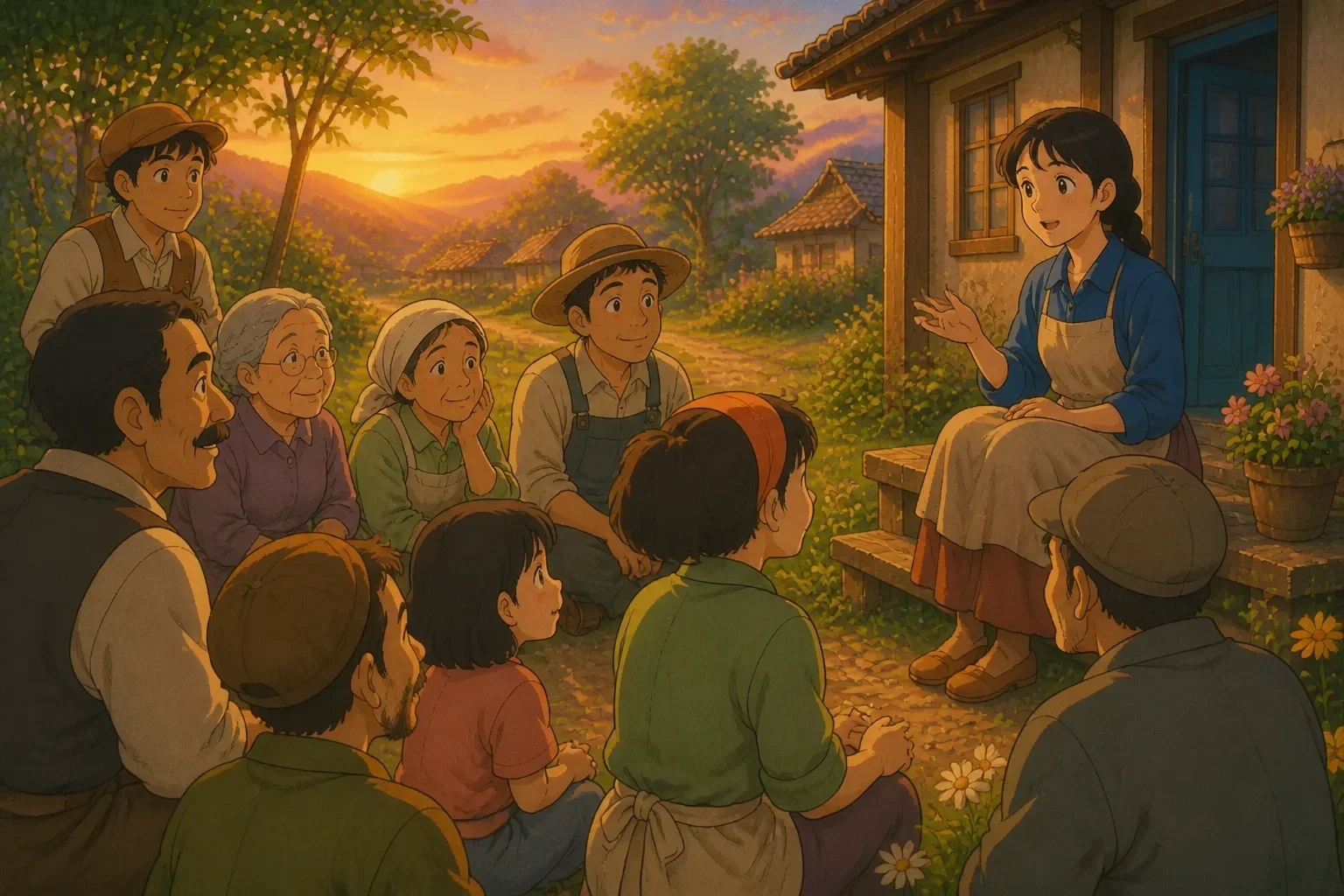
One evening, as the sky turned violet and the first stars blinked awake, Mira and Tom returned to Lila’s porch.
Mira twirled once in her blue dress. "It isn’t fancy," she said, "but I love it because I made it."
Tom patted his cart proudly. "And mine may not be new, but it is strong."
Lila laughed, a warm, bright laugh like wind chimes in a summer breeze.
"Then you have both found something precious," she said.
"What is that?" Tom asked.
Lila looked at the stars above them and then at the peaceful faces beside her.
"Enough," she said.
For a moment, no one spoke.
The village was quiet except for crickets singing in the grass and a kettle softly steaming inside the cottage.
And in that small, ordinary evening, Mira and Tom finally understood: real happiness had never been hiding in faraway riches. It had been waiting for them in gratitude, in effort, in friendship, and in the simple beauty of the life they already had.
Key Takeaways for Kids
- Happiness grows when we appreciate what we already have.
- Wanting more all the time can make us forget the good things in front of us.
- Making, repairing, and caring for things can bring pride and joy.
- Simple moments—like flowers blooming, sharing tea, or watching the sunset—can be deeply meaningful.
- Contentment does not mean giving up dreams; it means being thankful while working toward them.
Moral of the Story
True contentment comes from within. When we are grateful for the simple blessings in our lives, we discover a deeper and more lasting happiness.
Why This Contentment Story Matters
This gentle moral story for kids reminds children that happiness is not always found in new things or bigger possessions. Sometimes, the greatest joy comes from gratitude, creativity, and learning to see the beauty in everyday life. That is what makes Lila’s story such a meaningful bedtime story and a memorable lesson about simple living.

Watch the Animated Story
Watch on YouTube
Related Stories

King Midas and the Golden Touch Story: A Lesson About Greed
King Midas and the Golden Touch There once lived a king who had almost everything a person could wish for. His palace…

Buddhist Monk and the Teasing Boys | Kindness Moral Story
The Buddhist Monk and the Three Teasing Boys At the edge of a quiet village, where rice fields shimmered like green…
A Blessing in Disguise Story: The Farmer Who Found Hope
A Blessing in Disguise: The Farmer Who Found Hope After the Storm On the edge of a quiet village, where the fields…
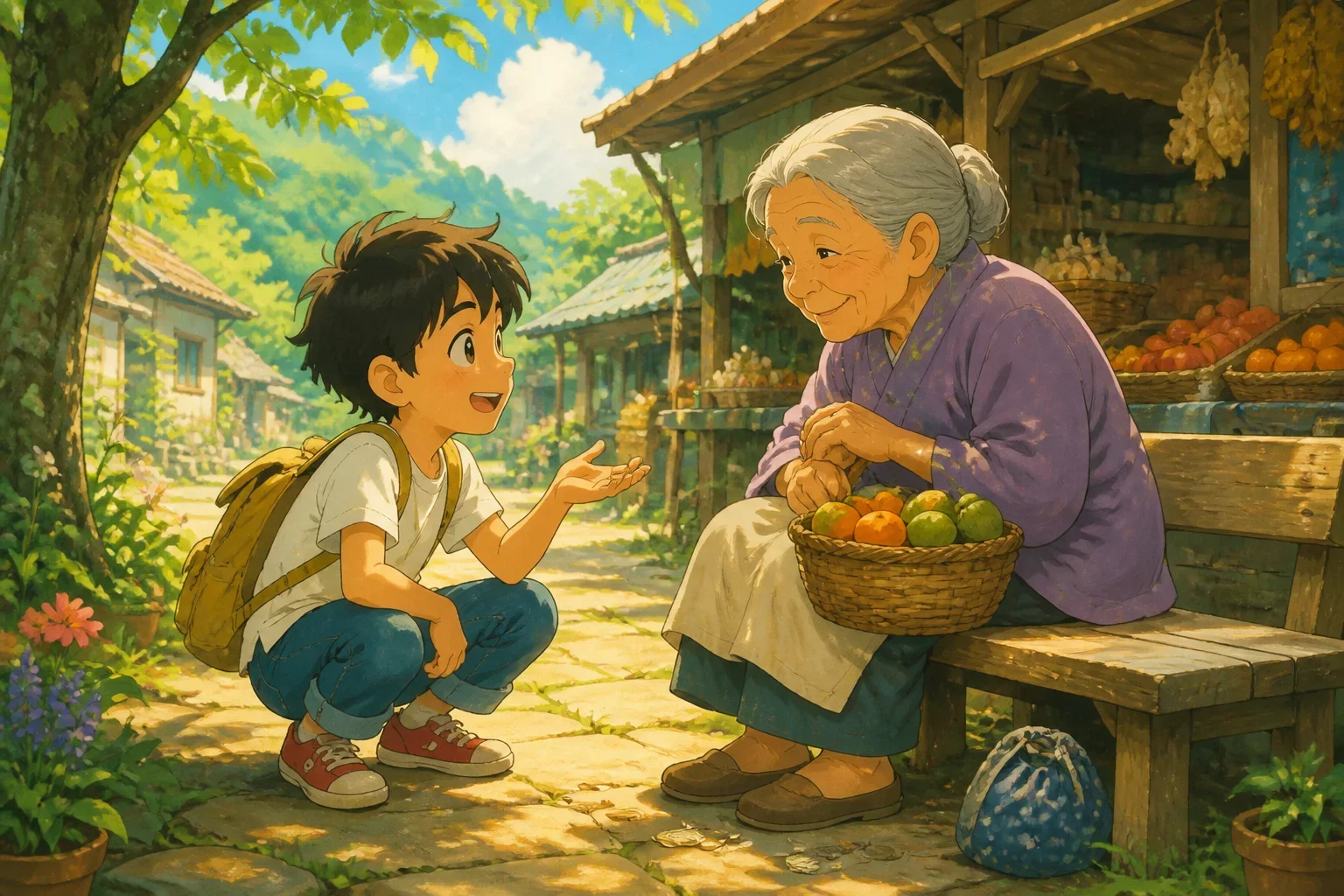
Jack and the Lost Coins: An Honest Bedtime Story for Kids
Jack and the Lost Coins On the edge of a quiet village, where white geese waddled across dusty lanes and sunflowers…
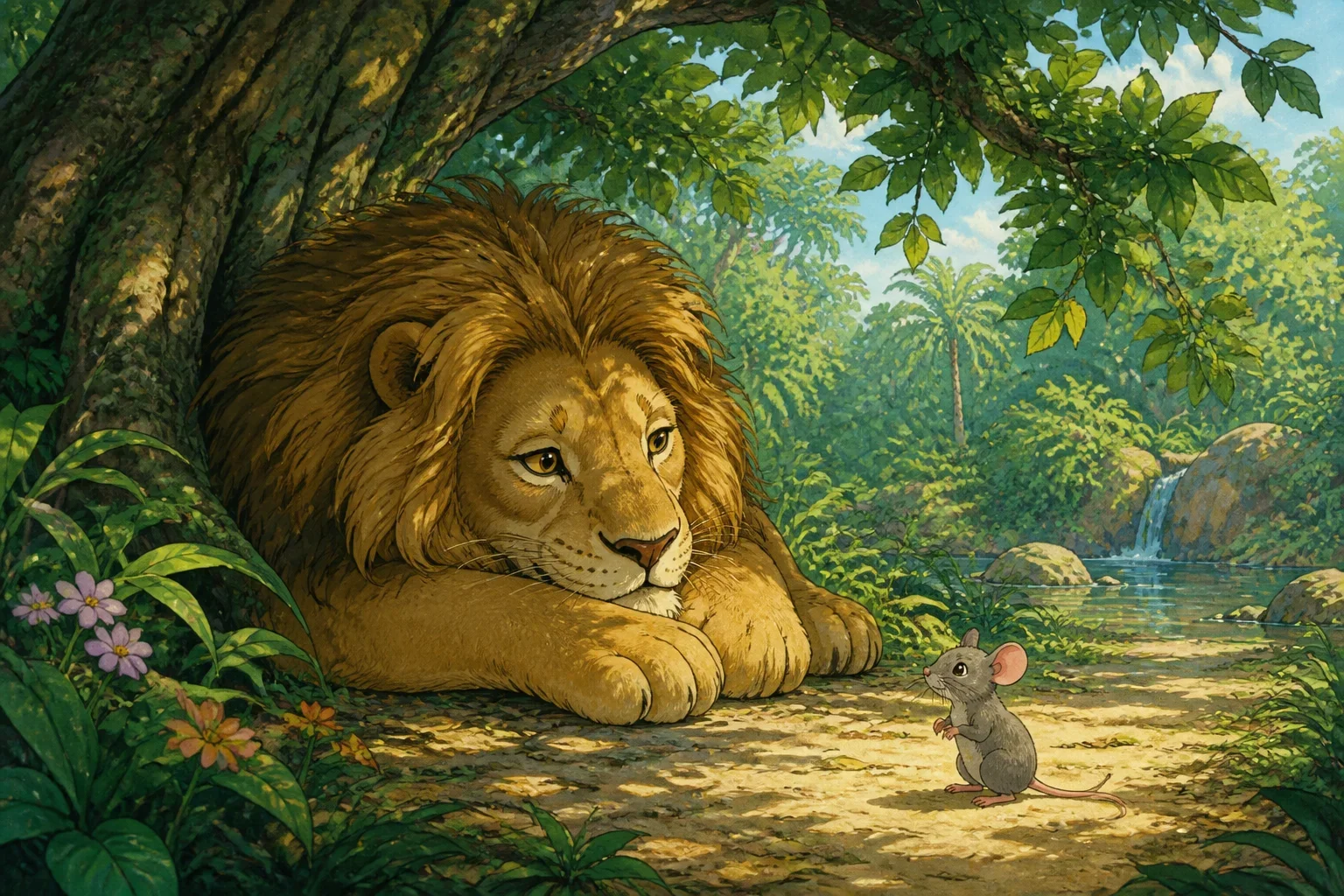
The Lion and the Mouse Story for Kids About the Power of
The Lion and the Mouse In the oldest part of the jungle, where tall trees wove a green roof over the earth and golden…
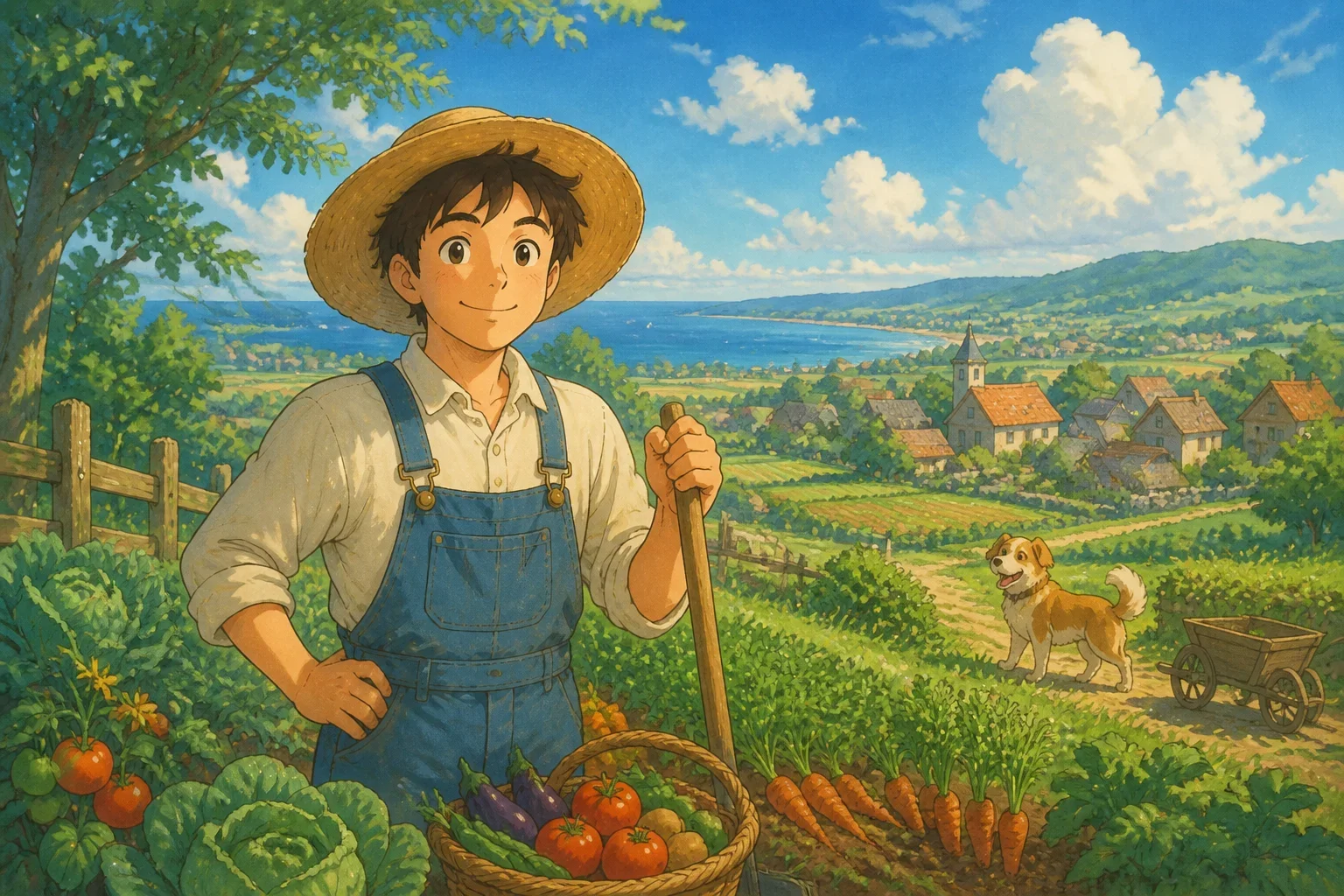
The Greedy Farmer Story: A Powerful Moral Tale About Greed
The Greedy Farmer In a quiet village wrapped in green hills, there lived a farmer named Thomas. He was not poor, and he…
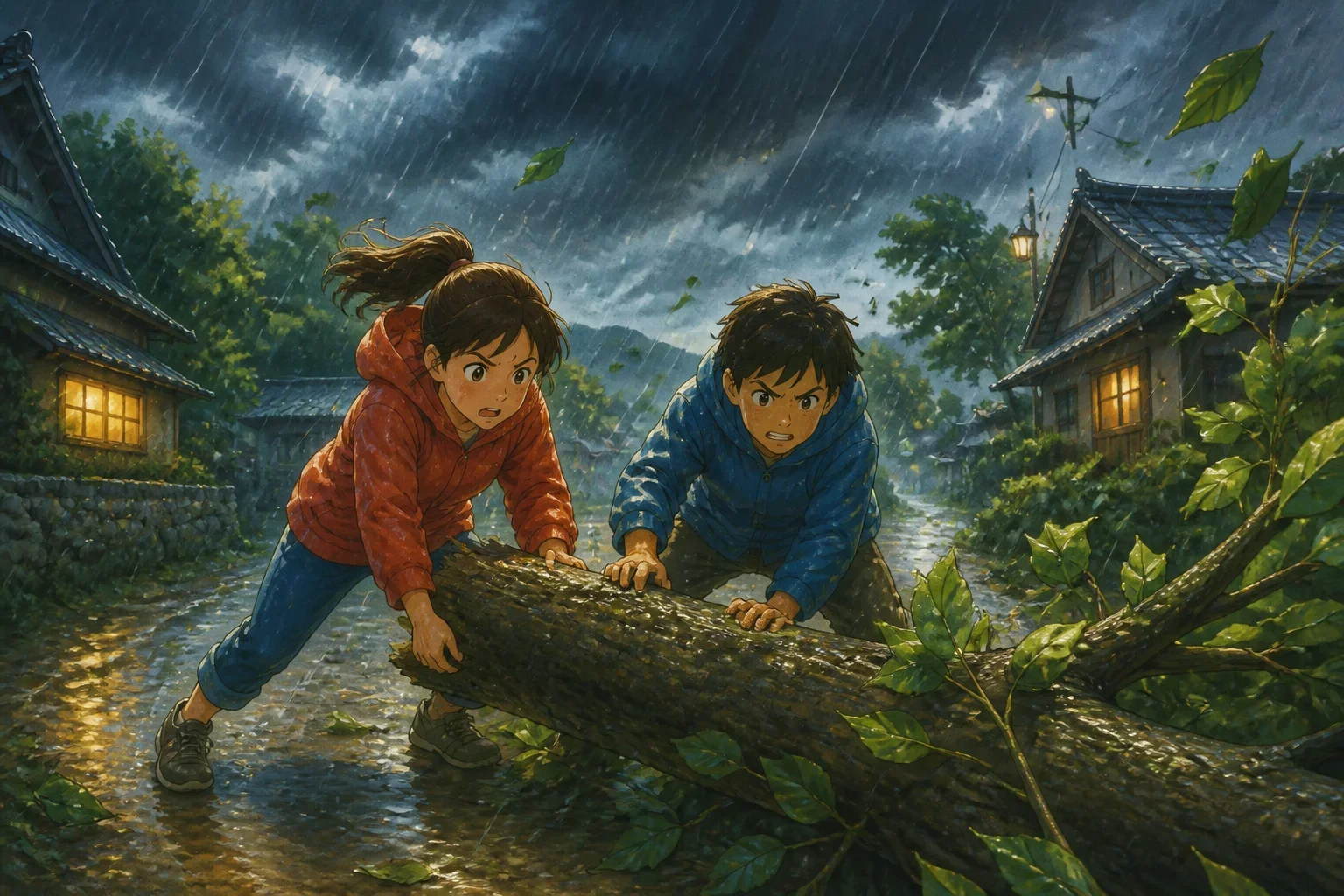
The Power of Forgiveness: A Short Moral Story for Kids
The Power of Forgiveness In a quiet village tucked between green hills and a silver stream, everyone knew James. He was…
Golden Goose Story: A Timeless Moral Story About Greed
The Goose That Laid the Golden Egg In a small village where mornings smelled of wet earth and warm bread, there lived a…