
8 Materialism Stories for Kids: True Joy Beyond Money

In our modern world, children are often exposed to the shiny allure of toys, gadgets, and endless shopping sprees. While these can seem exciting, they sometimes lead kids to believe that happiness comes solely from accumulating possessions. Teaching children the value of gratitude, generosity, and contentment can help them develop a healthy perspective on what truly matters in life. Through engaging stories, kids can learn that genuine joy isn’t found in material things but in relationships, kindness, and self-awareness.
Stories are powerful tools for moral lessons—they help children understand complex ideas in relatable ways. This collection of materialism stories aims to inspire kids to look beyond possessions and discover the happiness that comes from inner virtues. Whether it’s learning about the dangers of greed or finding joy in giving, these tales promote important life lessons in an entertaining manner. Dive into these stories to help your little ones grow into grateful and balanced individuals.
Why Materialism Matters
Materialism, or the emphasis on acquiring possessions, can impact children’s development in both positive and negative ways. While it’s natural for kids to be curious about toys and gadgets, an overemphasis on material wealth can lead to unrealistic expectations and a shallow sense of happiness. When children prioritize things over relationships and personal growth, they may struggle with feelings of emptiness or dissatisfaction. Teaching kids about moderation, contentment, and empathy helps them build resilience against the lure of excessive consumerism.
Understanding the importance of inner values over outer appearances nurtures emotional intelligence and moral character. Stories that highlight the pitfalls of greed, arrogance, and envy serve as gentle reminders that true fulfillment comes from kindness, gratitude, and sharing. By fostering these traits early, we help children develop a balanced outlook on life, encouraging them to find joy in simple pleasures and meaningful connections rather than material possessions.
- Story 1: Title
- Story 2: Title
- Story 3: Title
- Story 4: Title
- Story 5: Title
- Story 6: Title
- Story 7: Title
- Story 8: Title
For more moral stories, explore 3 Greed Stories for Kids: Moral Lessons on Wanting Too Much and 7 Contentment Stories for Kids: Finding Joy in What You Have.
Introduction
In today's world, material things often seem to take center stage—new toys, shiny gadgets, fashionable clothes. But what do those things truly bring us? Sometimes, in our pursuit of stuff, we forget what really matters: friendship, kindness, and happiness. Understanding materialism—the focus on accumulating possessions—can help children develop a healthy perspective on what truly brings joy and fulfillment.
Table of Contents
- The Glittering Wishlist
- The Toy That Didn’t Make Him Happy
- The Gift of Giving
- The Treasure in Friendship
- The Cost of the New Shoes
- The Hidden Happiness in Helping
- The Magic of Appreciation
- The Little Boy’s Big Lesson
Story 1: The Glittering Wishlist
Lila loved her bright, shiny things. Every day, she would stare at her collection of glittery toys, new clothes with sparkly sequins, and plastic jewelry that shimmered in the sunlight. She kept making a list of more things she wanted, dreaming of the latest dolls, gadgets, and accessories. Her room was filled with her treasures, but she often felt a little empty inside.
One day, her Grandma visited and noticed her daughter’s long list. She sat down beside Lila and gently said, “Do you think these things will make you happy forever?” Lila shrugged. Grandma smiled softly and told her a story about a beautiful, glowing star that shined brighter than anything else—yet, it wasn’t the star’s shine that mattered, but the light it shared with others.
Lila thought about this. She realized that her glittery toys only brought momentary joy, but sharing a smile or helping a friend brought lasting happiness. From that day, instead of wishing for more glitter, she started giving her toys to friends and helping her family. Her heart felt lighter and happier than ever before.
Moral: True happiness comes from sharing and caring, not just having shiny things.
Talk About It:
- Why do you think Lila felt empty even though she had many glittery toys?
- How can sharing with others make us happier than owning more things?
- What are some ways you can share your happiness with others?
Story 2: The Toy That Didn’t Make Him Happy
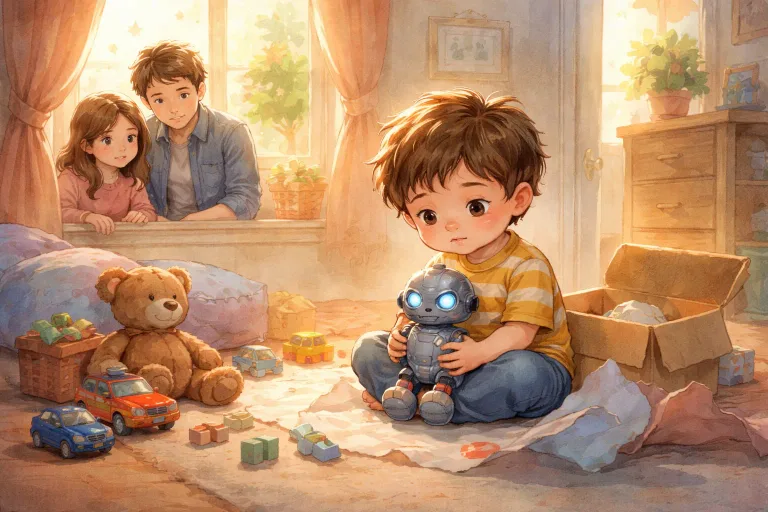
Tom loved collecting new toys. Every week, he added another action figure or video game to his shelves. One day, Tom’s friend Sarah gave him a simple handmade card for his birthday. Tom found himself more excited about the card than his newest toy.
He noticed that every time he played with his shiny new things, the fun was quick and temporary. But whenever Sarah’s card appeared, Tom felt warm and appreciated inside. Soon, Tom realized that the joy of giving and receiving kindness was worth more than any toy.
From then on, Tom focused less on getting new things and more on making others happy. He discovered that kindness and friendship brought him lasting joy.
Moral: Giving kindness and appreciating what you have is more fulfilling than collecting toys.
Talk About It:
- Why did Tom feel happier with Sarah’s card than with his toys?
- How does giving to others make us feel?
- What’s something kind you can do for a friend today?
Story 3: The Gift of Giving
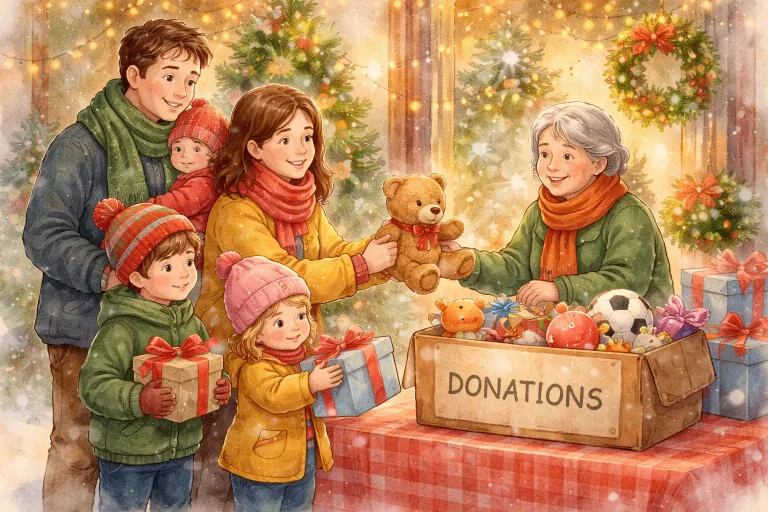
Emma loved shopping for herself, always looking for the newest clothes and gadgets. One holiday season, her school organized a charity drive. Emma decided to donate her old clothes and toys instead of buying new things for herself.
At first, she was worried she wouldn’t get anything new, but then she saw the smiles on children’s faces as they received her gifts. Emma felt warm inside, knowing she helped others. She realized that giving to those in need brought more happiness than just getting new possessions.
From that day, Emma made a habit of sharing what she had with others, finding joy in giving.
Moral: Giving to others creates happiness that no material thing can buy.
Talk About It:
- How did Emma feel when she donated her old things?
- Why do you think giving can make us happier?
- What is one way you can share with someone in need?
Story 4: The Treasure in Friendship
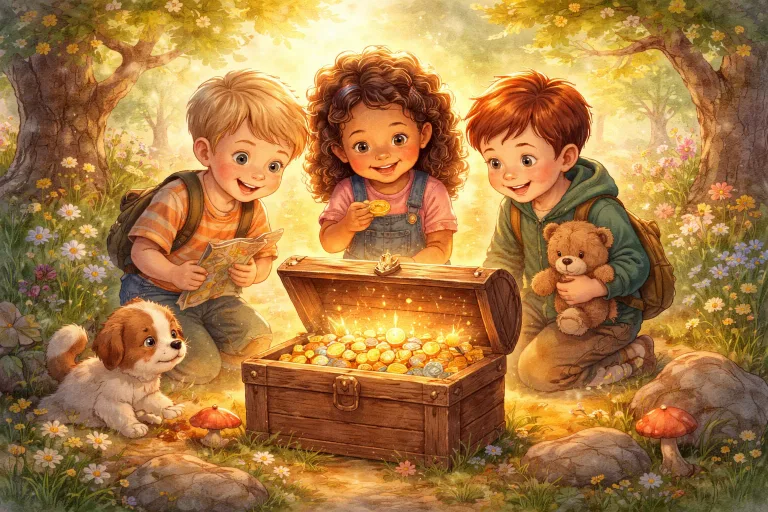
Leo wanted the newest video game so badly that he begged his parents for it. When they finally bought it for him, Leo eagerly played but soon grew bored. His friends, on the other hand, loved playing outside, sharing stories, and helping each other.
Leo realized that the real treasure wasn’t the game but the fun and friendship he missed out on. He started spending more time with friends, playing games, and talking. His days became happier and full of laughter, proving that friends are more valuable than any material thing.
Moral: Friendships and kindness are more precious than possessions.
Talk About It:
- Why did Leo feel happier playing with friends than with the new game?
- How do friends make our lives richer?
- Can you think of a time when friendship made you happy?
Story 5: The Cost of the New Shoes
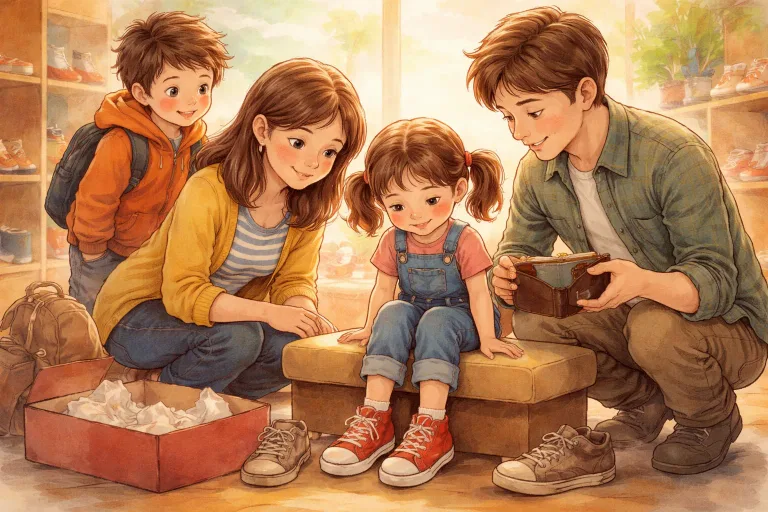
Sara loved her shiny new shoes. She wore them everywhere and felt proud. But one day, her shoes got scuffed and dirty. She was upset but remembered her grandmother’s words: “It’s not the shoes that make you special, but what’s inside you.”
Sara realized she was more important than her shoes. She started helping her classmates and sharing her toys. Her true value came from her kindness, not her new shoes.
Moral: Outer appearances are not as important as kindness and character.
Talk About It:
- Why did Sara’s shoes stop making her happy?
- What qualities make someone truly special?
- How can you show kindness instead of focusing on looks?
Story 6: The Hidden Happiness in Helping
Jon loved gadgets and gadgets, but he often felt lonely. One day, his neighbor’s dog got stuck in a tree. Jon decided to help. Climbing up and rescuing the dog made him feel brave and happy inside.
Helping others, even in small ways, made Jon realize happiness isn’t in owning things but in making a positive difference. From then on, he helped friends and neighbors whenever he could.
Moral: Helping others brings true happiness and purpose.
Talk About It:
- How did helping the dog make Jon feel?
- What are some small ways you can help others?
- Why is helping others more rewarding than collecting things?
Story 7: The Magic of Appreciation
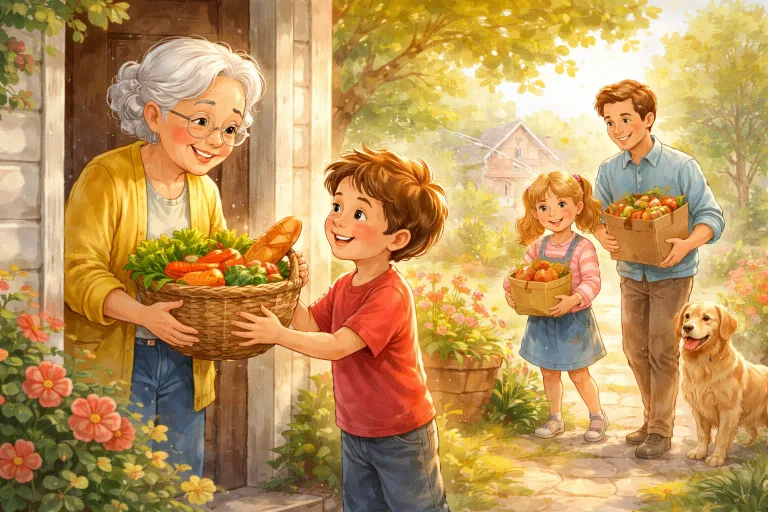
Lina got a new backpack, and she loved showing it off. But she soon realized her friends’ old backpacks were just as special because they showed their personalities. Lina started to appreciate her friends’ unique qualities instead of just her own things.
She learned that valuing others and their differences makes friendships stronger than any material object.
Moral: Appreciating what others have and who they are is more valuable than possessions.
Talk About It:
- Why did Lina start to appreciate her friends more?
- How can appreciating others improve friendships?
- What’s something special about your friends that has nothing to do with things?

Story 8: The Little Boy’s Big Lesson
Tim wanted the biggest, most expensive bike. When he got it, he was excited, but after a few days, he felt it wasn’t as fun as he imagined. His little sister was happier riding her old, simple bike. Seeing her joy made Tim realize that happiness isn’t about having the biggest things but sharing simple pleasures.
He decided to spend more time with his sister and focus on enjoying small, everyday moments.
Moral: Happiness isn’t about having the biggest or newest things but enjoying the simple joys in life.
Talk About It:
- Why did Tim feel happier sharing with his sister?
- What simple pleasures bring you happiness?
- How can sharing with others make your life better?

Practical Takeaways
- Focus on relationships and kindness rather than possessions.
- Practice gratitude for what you already have.
- Remember that giving and sharing bring lasting happiness.
- Appreciate the uniqueness of others beyond material things.
- Find joy in simple, everyday moments.
- Learn to value inner qualities over outer appearances.
Conclusion
Materialism can sometimes distract us from what truly makes life meaningful—friendship, kindness, and gratitude. Teaching children to appreciate what they have, share generously, and value relationships helps build resilient, happy individuals who understand that the most precious things in life can’t be bought. Embracing these lessons today can create a brighter, more compassionate tomorrow.
Continue Exploring Moral Stories
Discover animated moral stories, browse by category, or find age-appropriate reads for your family.
You May Also Like
4 Gratitude Stories for Kids: Teaching Appreciation & Thanks
Discover 4 heartfelt gratitude stories for kids that teach thankfulness, appreciation, and kindness. Perfect for parents and teachers to inspire grateful hearts.
7 Contentment Stories for Kids: Finding Joy in What You Have
Discover 7 heartfelt contentment stories for kids that teach the importance of appreciating what we have. These tales foster gratitude and happiness in young hearts.
5 Generosity Stories for Kids: Short Tales on Giving & Sharing
Explore 5 heartwarming generosity stories for kids that teach the joy of sharing and giving. Short tales full of morals to inspire kindness and compassion.
4 Moderation Stories for Kids: Finding Balance in Life
Learning to find balance in activities, food, and play helps kids develop self-control, happiness, and resilience for a healthy, joyful life.