
7 Contentment Stories for Kids: Finding Joy in What You Have
In a world filled with constant distractions and endless desires, teaching children the value of contentment is more important than ever. Contentment is about appreciating what we already have and finding happiness in simple joys. Through stories and moral lessons, kids can learn to cultivate gratitude and enjoy life's little blessings.
This collection of 7 enchanting stories aims to inspire children, parents, and teachers to focus on the positive aspects of life. Each tale highlights a different aspect of contentment, from appreciating home and family to understanding that happiness isn't about material possessions.
Let's explore these timeless stories that nurture a joyful heart and teach valuable life lessons.
Why Contentment Matters
Teaching children to be content helps them develop resilience, patience, and gratitude. It encourages them to find joy beyond material wealth and to value relationships, health, and simple pleasures. Cultivating contentment also reduces feelings of envy and dissatisfaction, leading to a more peaceful and happy life.
By sharing moral stories about contentment, we can guide children to see the beauty in what they have and learn that happiness often resides within, not in possessions.
Table of Contents
- The Country Mouse and the City Mouse
- The Little Girl and Her Broken Doll
- The Young Artist and His Crayon Box
- The Happy Farmer and the Unripe Fruit
- The Boy and the Forgotten Toy
- The Wise Old Man’s Simple Hut
- The Girl Who Loved Her Garden
Story 1: The Country Mouse and the City Mouse
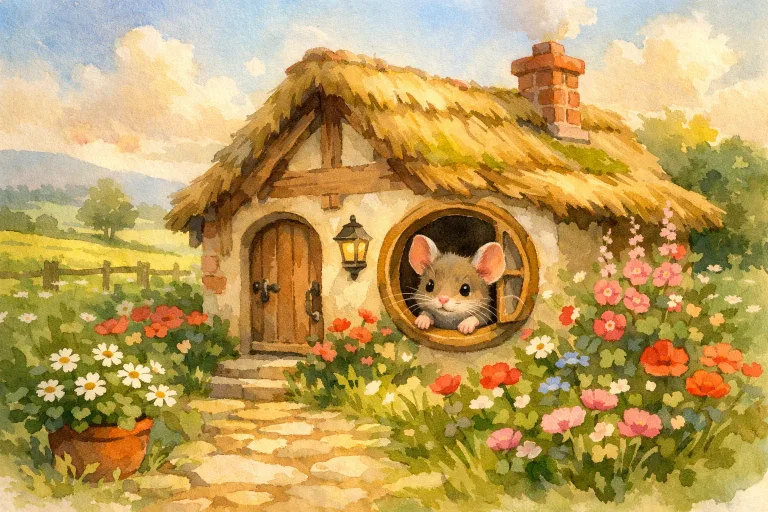
Once upon a time, in a quiet countryside, there lived a humble mouse who loved his simple home. One day, his city cousin visited him. The city mouse boasted about the luxuries of city life—bright lights, fancy food, and big buildings.
The country mouse listened patiently and then invited his cousin to try some fresh grains and berries. The city mouse sneered, saying the city had better things. Curious, they traveled to the city, where the city mouse showed his cousin the bustling streets and lavish feasts.
But soon, danger appeared—cats, dogs, and loud noises. The country mouse watched as his cousin ran away scared. When they returned home, the country mouse said, “I am happy with my simple life. Happiness isn’t about riches, but about peace and safety.”
Moral: Contentment with what you have leads to true happiness.
Talk About It: What makes you happy at home? Why is it okay to be happy with simple things?
Story 2: The Little Girl and Her Broken Doll
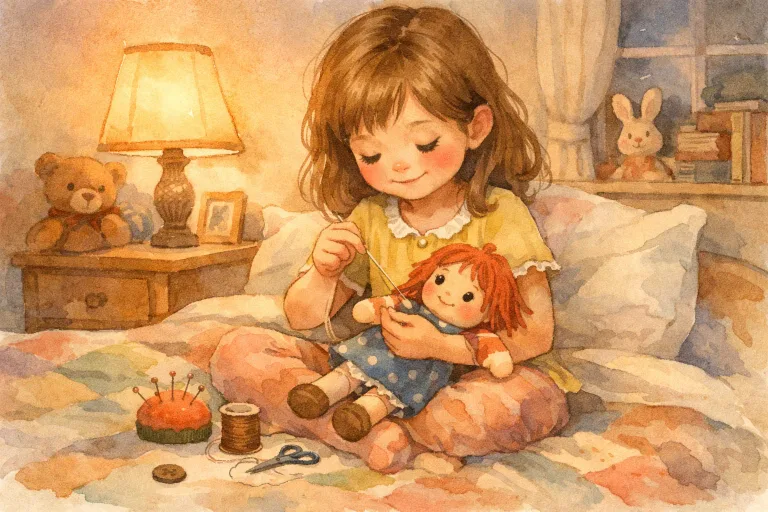
Lily loved her favorite doll more than anything. One day, it got torn during play. Lily was sad, but her mother told her, “Your doll is still special because it’s yours, and it shows how much you care.”
Lily decided to fix her doll with thread and love. She realized that her happiness didn’t depend on having a perfect doll but on her love for it. From then on, she treasured her doll even more, understanding that true contentment comes from appreciating what we have.
Moral: Happiness comes from loving what we have, not from having perfect things.
Talk About It: Have you ever loved something even if it wasn’t perfect? How can you show gratitude?
Story 3: The Young Artist and His Crayon Box
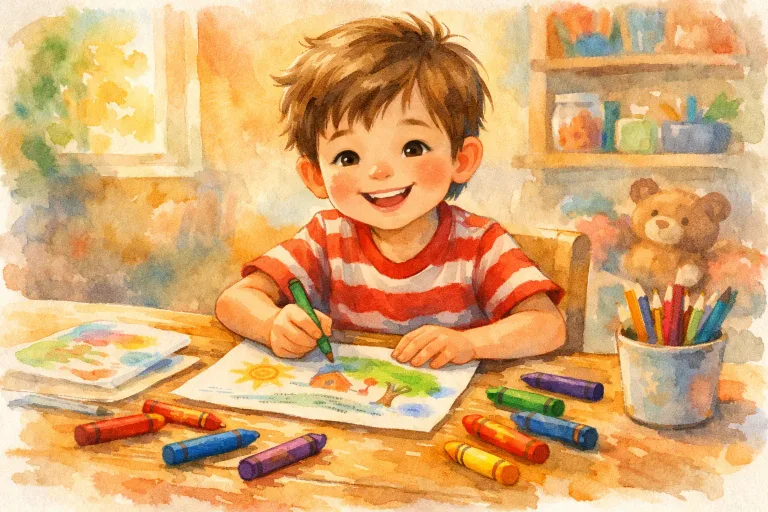
A boy named Max loved to draw. His crayons were old and broken, but he used them happily to create colorful pictures. Some friends teased him for his broken crayons, but Max said, “My crayons still work, and I can make beautiful art!”
Max’s appreciation for his supplies made him more creative. He learned that contentment means making the best of what we have and enjoying our talents.
Moral: Be grateful for your talents and tools; they can bring happiness.
Talk About It: What talents or tools do you have? How can you use them to be happy?
Story 4: The Happy Farmer and the Unripe Fruit
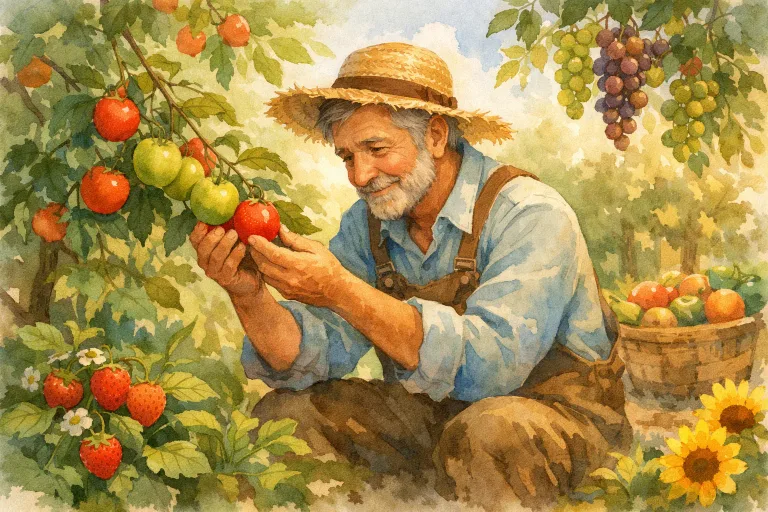
Farmer Ben loved his garden. One year, some fruits were unripe and small. Others complained about the harvest, but Farmer Ben said, “Every fruit has its time to grow. Patience is part of happiness.”
He explained that contentment is about trusting nature and enjoying the process. When the fruits finally ripened, everyone was delighted, realizing that patience makes happiness sweeter.
Moral: Patience and gratitude for the present bring true happiness.
Talk About It: Have you ever waited for something special? How did it feel?
Story 5: The Boy and the Forgotten Toy
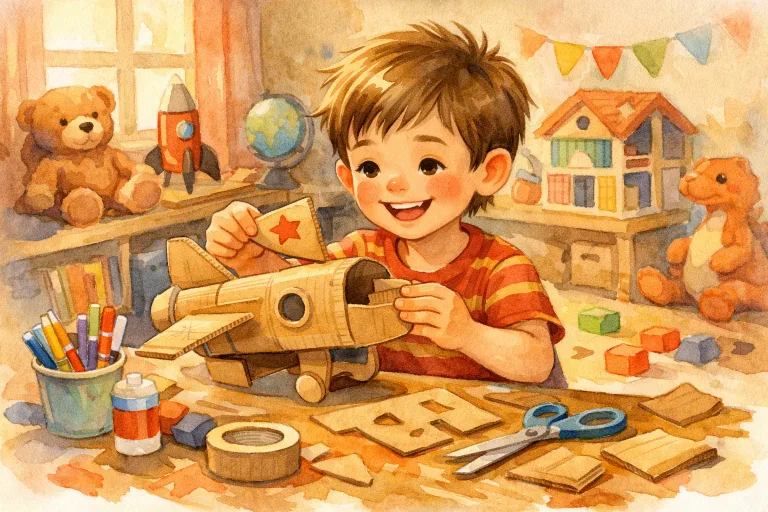
Tom loved his robot toy. One day, he forgot it at the park. Instead of feeling sad, Tom remembered the fun he had. The next day, he made a new toy from cardboard and glue, feeling happy to create.
He learned that happiness isn’t about possessions but about making new memories and being creative.
Moral: Contentment is about making joy from what we have and what we can create.
Talk About It: What do you like to make? How does creating make you happy?
Story 6: The Wise Old Man’s Simple Hut
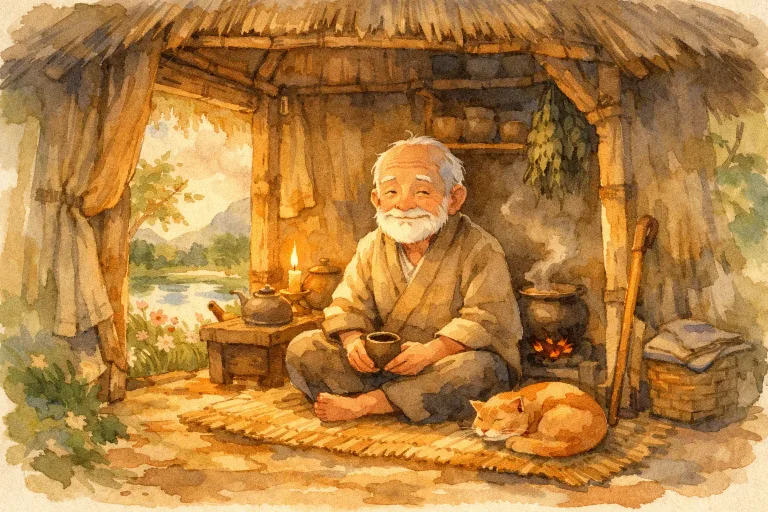
An old man lived in a tiny hut. His neighbors had big houses, but he was content. When asked why he was happy, he said, “My happiness comes from my peaceful mind, not my house.”
He taught that contentment is a state of mind, not possessions. Happiness comes from within.
Moral: Inner peace and gratitude lead to true happiness.
Talk About It: What makes you feel peaceful and happy inside?
Story 7: The Girl Who Loved Her Garden
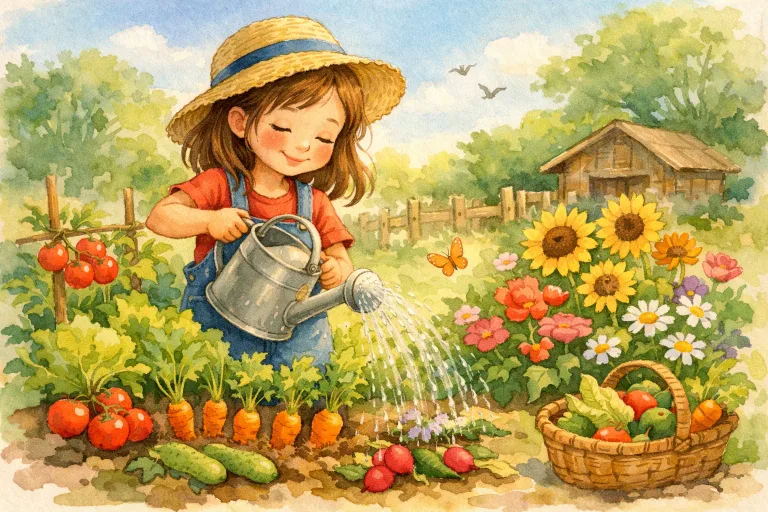
Lina loved her small garden filled with flowers and vegetables. She worked hard to care for it every day. Her friends wanted bigger gardens, but Lina said, “I am happy with my little garden. It teaches me patience and joy.”
She understood that happiness is about nurturing what we have and enjoying the journey.
Moral: Caring for what we have brings happiness.
Talk About It: What do you enjoy growing or caring for?
Practical Takeaways
- Encourage gratitude daily by discussing what everyone is thankful for.
- Teach children to find joy in small, everyday moments.
- Use stories to show that happiness is not about possessions.
- Promote mindfulness and appreciation for what they have.
- Lead by example, demonstrating contentment in your own life.
Final Thoughts
Teaching children about contentment helps build a foundation for a joyful and balanced life. Through stories that emphasize gratitude, patience, and appreciation, kids learn that happiness is often found in the simple, everyday blessings.
For more inspiring stories on virtues like kindness, patience, and humility, explore our moral stories about contentment and other related collections.
Remember, the greatest treasures are often those we already hold—gratitude makes everything brighter.

Conclusion
Fostering contentment in children is a gift that lasts a lifetime. Through these stories, children learn to cherish their blessings, develop a positive outlook, and find happiness in the present moment. Remember, the greatest riches are often found in simple joys and grateful hearts.
Now, let’s dive into these inspiring moral tales.
Continue Exploring Moral Stories
Discover animated moral stories, browse by category, or find age-appropriate reads for your family.
You May Also Like
Deep Life Lessons: 7 Thought-Provoking Short Stories with Morals for Adults
Discover seven short moral stories for adults, each offering deep reflection on integrity, forgiveness, courage, and the true meaning of a purposeful life.

Screen Time vs. Story Time: Why Reading Beats Animated Moral Videos
Is story time or screen time better for teaching morals? Discover why reading moral stories offers unique benefits—and how to balance books and videos for your child’s growth.

8 Materialism Stories for Kids: True Joy Beyond Money
Teaching children that true happiness comes from kindness, sharing, and inner virtues helps them develop resilience against materialism's pitfalls.
4 Moderation Stories for Kids: Finding Balance in Life
Learning to find balance in activities, food, and play helps kids develop self-control, happiness, and resilience for a healthy, joyful life.