
Screen Time vs. Story Time: Why Reading Beats Animated Moral Videos
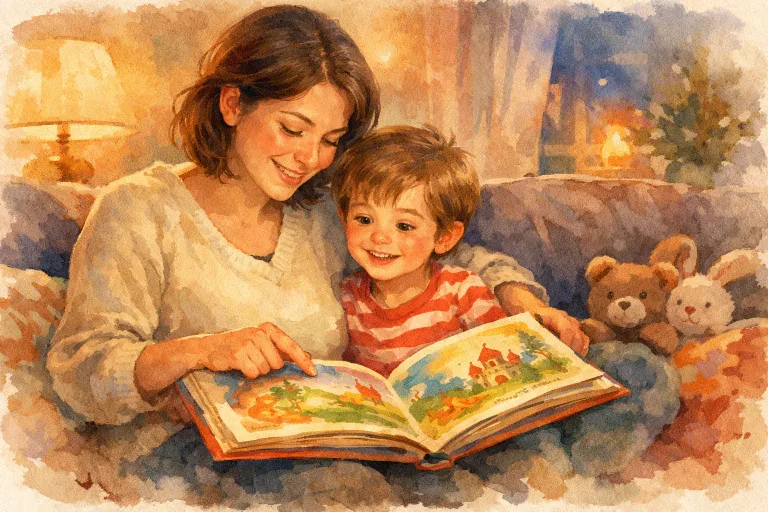
Is story time or screen time better for nurturing your child’s sense of right and wrong? In a world where animated moral videos are just a tap away, many families wonder if traditional reading still has a place. The truth is, both story time and screen time have unique benefits—but reading moral stories delivers some powerful advantages that no video can truly replace. Let’s explore the science, the experience, and the practical ways to harness both for your child’s moral growth.
Table of Contents
- Understanding the Dilemma: Story Time vs Screen Time
- How Reading Builds Deeper Moral Understanding
- Animated Moral Videos: What Do Kids Gain?
- Reading vs Watching for Kids: The Science
- The Benefits of Reading Moral Stories—For All Ages
- When and How to Use Animated Videos Wisely
- Tips for Parents: Balancing Story Time and Screen Time
- Great Moral Stories to Read Aloud
- Recommended Animated Moral Videos
- Final Thoughts: Choosing What’s Right for Your Family
Understanding the Dilemma: Story Time vs Screen Time
Screens are everywhere—tablets, TVs, and phones are now natural companions to childhood. Animated moral videos are engaging, colorful, and often based on classic tales. But many parents notice that after the credits roll, the lessons don’t always seem to stick.
On the other hand, reading—with a parent, teacher, or independently—has been the foundation of moral education for generations. Books encourage conversation, spark imagination, and help children process stories at their own pace. So where does that leave us today? Should we put away screens for good, or is there a place for both?
Spoiler: It isn’t about picking a winner. Instead, it’s about understanding what each method offers—and why story time, especially reading together, delivers some unique advantages.
How Reading Builds Deeper Moral Understanding
Active Engagement vs Passive Watching
When a child reads—or listens to—stories, their brain works differently than when they watch a video. Reading invites children to:
- Visualize scenes and characters using their own imagination
- Slow down and process complex feelings or dilemmas
- Ask questions and discuss tricky situations with adults
- Practice empathy by imagining different perspectives
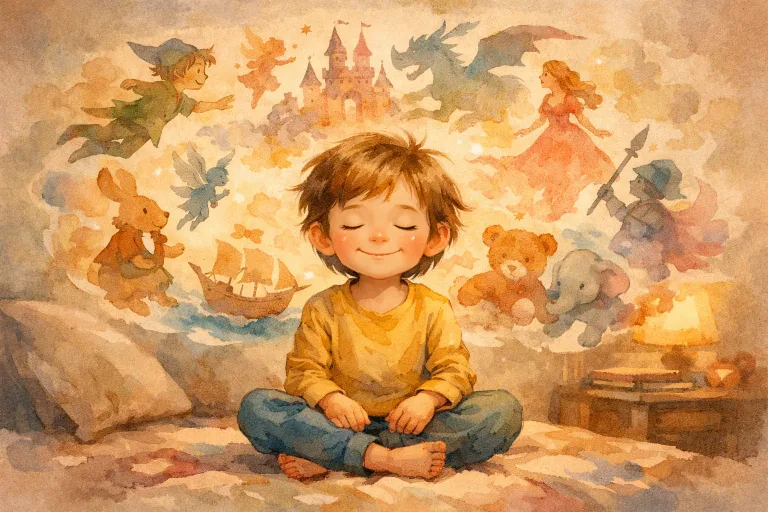
By actively participating in the story, children internalize morals more deeply. For example, reading The Goose That Laid the Golden Eggs Story: A Moral can lead to a conversation about greed and patience. Children have time to reflect, ask questions, and relate the story to their own experiences.
Conversation and Connection
Story time is often a shared experience. Parents and children curl up together, voices change for each character, and pauses for discussion are natural. This bonding time is powerful for moral development. When children read stories such as The Old Sheep and the Wolf: A Wise Bedtime Story for Kids, they can talk about bravery, wisdom, and choices—turning a simple tale into a lifelong lesson.
Animated Moral Videos: What Do Kids Gain?
Let’s be honest: high-quality animated videos have their place. They can make classic tales accessible, especially for reluctant readers or young children. Animation brings stories to life with color, movement, and music. Some benefits include:
- Instant engagement for visual learners
- Exposure to new languages or accents
- Reinforcement of stories already read aloud
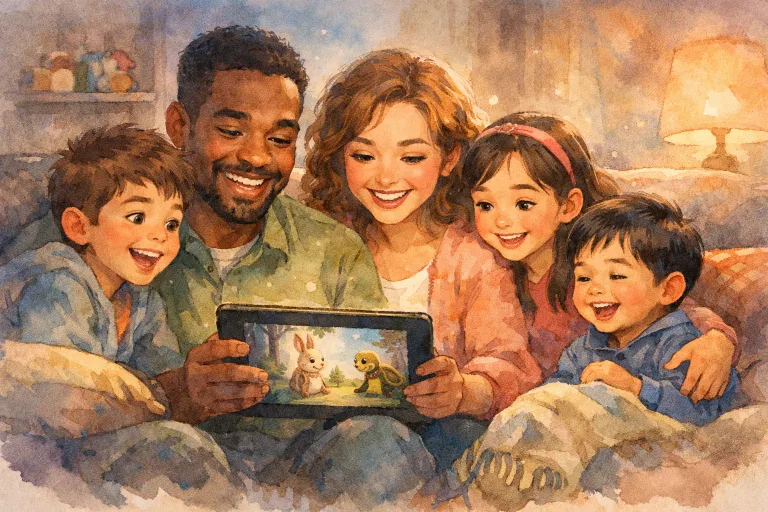
However, videos often set the pace. The story can move quickly, leaving little time for reflection or discussion. After the video, children may recall the action—but not always the moral.
Reading vs Watching for Kids: The Science
What the Research Says
Research into how children process stories shows clear distinctions between reading and watching:
- Reading (or listening to stories): Activates imagination, emotion, and language centers in the brain. Kids must fill in gaps, decode meaning, and predict outcomes.
- Watching (animated videos): Delivers information quickly and visually. Children may absorb the plot, but often at a surface level, focusing on visuals rather than deeper themes.
A 2018 study from Cincinnati Children’s Hospital Medical Center found that preschoolers who were read to showed more brain activity in areas supporting mental imagery and narrative comprehension than those who watched videos. This suggests reading is uniquely positioned to build critical thinking and moral reasoning skills.
Memory and Understanding
Stories read aloud also stick better. When children are asked about a story they’ve read with an adult—like Jack and the Lost Coins: An Honest Bedtime Story for Kids—they’re more likely to recall details, describe characters’ emotions, and explain the moral.
The Benefits of Reading Moral Stories—For All Ages
Let’s highlight the unique strengths of reading moral tales:
1. Builds Empathy and Perspective
Children imagine themselves in the shoes of heroes, villains, or helpers. This practice, called “theory of mind,” is central to developing compassion. Reading stories like Power of Love: A Moral Story for Kids About Kindness helps children understand the feelings and motivations of others.
2. Improves Focus and Patience
Unlike video, reading requires slowing down. Pages turn at a child’s pace; they can linger, ask about words, or return to favorite parts. This patience is a life skill—and also helps children notice the subtler lessons in a story.
3. Strengthens Family Bonds
Reading together is quality time. Children cherish the feeling of safety and attention. Over time, these shared experiences become emotional anchors for family values.
4. Encourages Deeper Questions
Books naturally invite “why” and “how” questions. After reading The Forest Spirit’s Gift: A Bedtime Story About Hope, your child might ask, “Would I have made the same choice?” This curiosity is the foundation of moral growth.
5. Adapts to Learning Needs
Some children are auditory learners, some visual, some need to move. Reading allows for flexibility—pausing, acting out, drawing, or discussing. Story time can become a custom-fit experience.
When and How to Use Animated Videos Wisely
While reading offers depth, videos can reinforce learning when used thoughtfully:
- As a preview: Watch an animated version before reading the book, building interest and understanding.
- As a reward: After reading together, enjoy the video as a treat, noticing differences and similarities.
- For language learning: Use videos in another language, then read the story in your home language for reinforcement.
- To reach reluctant readers: Start with video to build confidence, then gently transition to reading the same tale.
It’s about balance, not banning. Animated stories can be a bridge—not a replacement—for meaningful story time.
Tips for Parents: Balancing Story Time and Screen Time
1. Set a Routine
Designate a regular story time, such as before bed or after dinner. Make it a cherished part of the day, just like 5-Minute Bedtime Stories With Morals: Quick Reads for Busy Parents. Consistency helps children look forward to reading.
2. Make Reading Interactive
Ask questions, use character voices, and invite your child to retell the story. For inspiration, read Easy Reading: 10 Simple English Moral Stories for ESL Learners together and act out your favorite scenes.
3. Use Screens Mindfully
Choose high-quality, age-appropriate animated videos. Watch together and pause to discuss. Afterward, ask your child to explain the moral in their own words.
4. Encourage Book-to-Video (and Back!)
After reading a story, watch its animated version and talk about what changed. Did the video leave out important moments? How did the characters’ emotions feel different?
5. Model Your Own Reading
Let your child see you reading for pleasure. Kids learn values not only from stories—but also from your example.
Great Moral Stories to Read Aloud
Looking for stories that spark conversation and growth? Try these from our collection:
- The Goose That Laid the Golden Eggs Story: A Moral: Teaches patience and avoiding greed.
- The Old Sheep and the Wolf: A Wise Bedtime Story for Kids: Shows the importance of wisdom and courage.
- Soul Never Dies: A Gentle Bedtime Story for Kids About Love: Explores love and loss in a gentle way.
- Ancient Wisdom: 7 Jataka Tales with Strong Morals for Family Reading: Traditional stories that build empathy and ethical thinking.
- The Ultimate List of Animal Moral Stories Your Kids Will Love: Many animal tales with rich morals.
For a calming routine, check out The Best Calming Bedtime Stories to Help an Anxious Child Sleep, offering gentle lessons for bedtime.
Recommended Animated Moral Videos
While reading takes center stage, animated tales can be a delightful sidekick. Find safe, high-quality animated stories on the Short Moral Tales YouTube channel or within story pages that pair text and video. Look for adaptations of Aesop’s fables, Jataka tales, and classic animal stories.
Pair your viewing with a discussion: What was your favorite part? Did you agree with the character’s choices? Is there a different ending you’d imagine?
Final Thoughts: Choosing What’s Right for Your Family
The question isn’t story time or screen time—it’s how to weave both into your child’s life to foster empathy, curiosity, and wisdom. Reading moral stories delivers unique benefits, giving children the space to think, imagine, and grow. Animated videos can support this journey, especially when chosen thoughtfully and enjoyed together.
Start by making story time a treasured habit, and use screens as a springboard for deeper conversations.
For more story ideas, browse our Bedtime Stories for Kids or take stories on the go with our audio moral stories for road trips, which blend all the best parts of listening, learning, and family connection.
Happy reading—and happy parenting!
Continue Exploring Moral Stories
Discover animated moral stories, browse by category, or find age-appropriate reads for your family.
You May Also Like
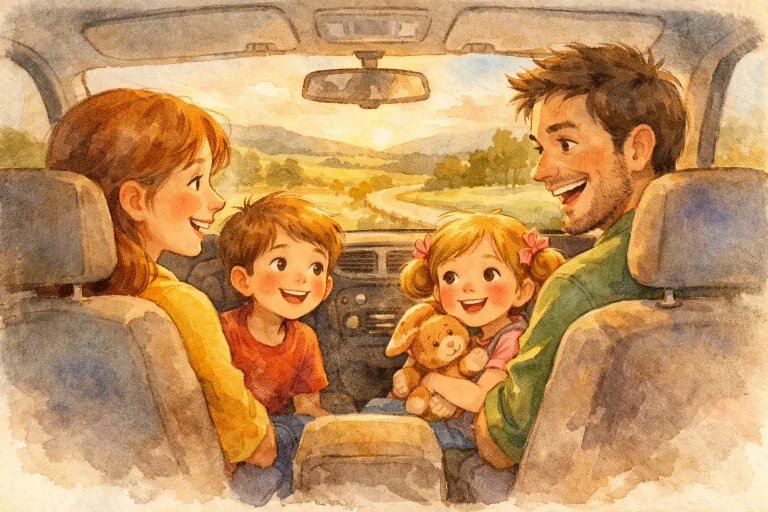
Road Trip Lifesavers: 10 Engaging Audio Moral Stories for Long Drives
Make your next family road trip memorable and meaningful with ten engaging audio moral stories—perfect for keeping kids entertained while teaching valuable life lessons.
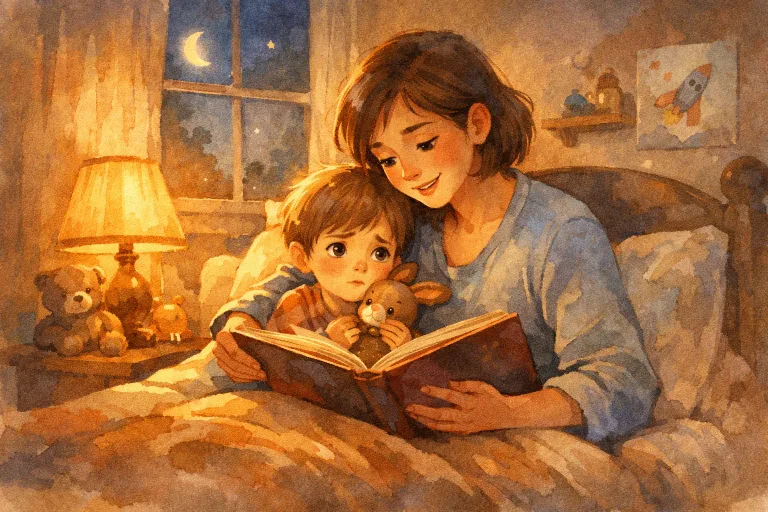
The Best Calming Bedtime Stories to Help an Anxious Child Sleep
Ease bedtime worries with gentle, calming stories and practical routines. Discover soothing moral tales and tips to help anxious children feel safe and drift peacefully to sleep.
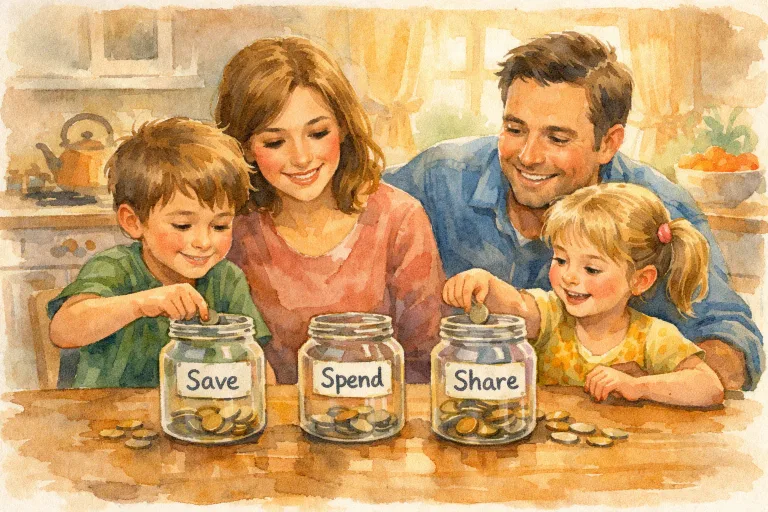
Piggy Bank Lessons: 5 Stories That Teach Kids Money Management
Discover five engaging stories that make money management simple and meaningful for children, teaching saving, wise spending, and generosity through age-appropriate storytelling.
5 Environmental Stories for Kids: Respecting Nature & Planet
Ripple the river and her friends teach kids that small actions like picking up trash and recycling help protect water, animals, and our planet’s health.