
3 Greed Stories for Kids: Moral Lessons on Wanting Too Much
Greed is a common human emotion that can sometimes lead us astray. Kids are naturally curious and eager to have the best of everything, but unchecked desire can cause trouble not only for others but also for ourselves. Through engaging stories, children can learn important lessons about moderation, contentment, and the dangers of greed. In this article, we share three captivating tales that highlight how greed can affect lives and why embracing simplicity and gratitude brings true happiness.
Understanding the impact of greed is essential for children as they grow and develop their values. Stories about greed, like the Golden Goose Story or King Midas and the Golden Touch, serve as timeless lessons that emphasize the importance of moderation and humility. These stories show that wanting too much can lead to loss and regret, while appreciating what we have can bring genuine satisfaction and peace.
Why Greed Matters
Greed might seem like a harmless desire for more, but it can have serious consequences. When kids become overly focused on getting what they want, they might forget the importance of sharing, kindness, and contentment. Greed can cause conflicts with friends and family and lead to selfish behavior that damages relationships. Teaching children about the dangers of greed helps them develop empathy and values that foster happiness beyond material possessions.
Moreover, greed can trap individuals in endless cycles of wanting more, never feeling truly satisfied. Stories about greedy characters, like the Miser and His Gold or The Fisherman and His Wife, illustrate how greed can lead to loss and disappointment. By learning from these moral tales, children can understand that true joy comes from appreciating what they have and practicing moderation. Developing a sense of gratitude and contentment ultimately leads to a happier and more balanced life.
Golden Goose Story: A Timeless Moral Story About Greed · The Goose That Laid the Golden Eggs Story: A Moral · King Midas and the Golden Touch Story: A Lesson About Greed · Stories About Greed
Table of Contents
- Story 1: The Golden Goose — A Lesson on Excess and Generosity
- Story 2: The Goose That Laid the Golden Eggs — The Dangers of Greedy Greed
- Story 3: King Midas and the Golden Touch — The Downside of Wanting Too Much
Introduction
Greed is a powerful emotion that can lead people and animals to make poor choices, often at the expense of others. Teaching children about greed helps them understand the importance of sharing, generosity, and moderation. These stories illustrate how greed can affect everyone, and why kindness and fairness are better guides for a happy life.
Greed is a strong desire to have more than we need or deserve, and it can lead us to make poor choices or hurt others. While wanting nice things is natural, excessive greed can cause problems for ourselves and those around us. These stories aim to teach children the importance of sharing, generosity, and understanding the value of what they have.
Greed is a strong feeling that drives people and animals to want more than they need, often at the expense of others. While it can sometimes seem harmless, greed can lead to trouble, unhappiness, and unfairness. Teaching children about greed helps them understand the importance of sharing, kindness, and contentment. Through stories, young minds can learn valuable lessons about controlling their desires and appreciating what they have. This collection features three original stories that explore different aspects of greed and its impact.
Story 1: The Lion and the Golden Crown
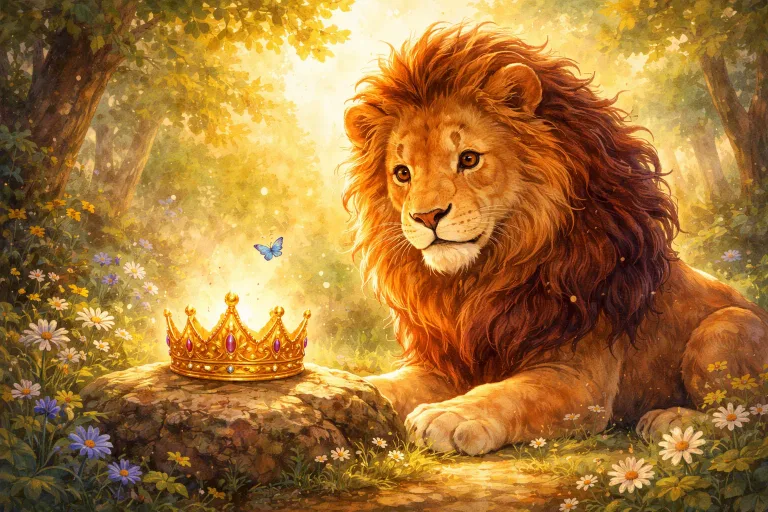
Once upon a time, in a lush jungle, there was a mighty lion named Leo. Leo was king of the jungle, and he loved his shiny golden crown that he wore every day. The crown was beautiful, studded with sparkling jewels, and it made Leo feel proud.
One day, Leo found a tiny squirrel named Sammy trying to carry a shiny pebble. Sammy said, "Lion, look! I found this beautiful stone, and I want to keep it." Leo looked at the pebble and said, "It’s just a small stone, Sammy. You don’t need to keep it."
But Sammy insisted, "It’s special to me because it’s shiny, like your crown!"
Leo, feeling proud of his own crown, suddenly thought, "If I had the shiny pebble, I’d be the most special animal in the jungle." Greed took hold of Leo. He told Sammy, "Give me that pebble, or I’ll take it by force."
Sammy was frightened but said, "Please, Leo, I want to keep it. I found it fair and square."
Leo, blinded by greed, snatched the pebble and kept it. That night, Leo dreamed of being the most admired animal in the jungle because of his shiny crown and the new shiny stone.
The next morning, Leo looked at his collection of shiny things—his crown and the pebble—and realized he had lost something more valuable: his kindness. The jungle animals no longer trusted him, and Leo felt lonely.
Leo learned an important lesson: Greed for more shiny things can make you forget what truly matters—being kind and fair. From that day, Leo shared his treasures with others, and the jungle became a happier place.
Moral:
Greed can make us forget what’s truly important—kindness and fairness. Sharing and caring bring more happiness than greed ever will.
Talk About It:
- Why do you think Leo wanted the pebble?
- How could Leo have been a better king?
- Have you ever wanted something so badly that it made you forget to be kind?
Story 2: The Boy Who Chased Gold
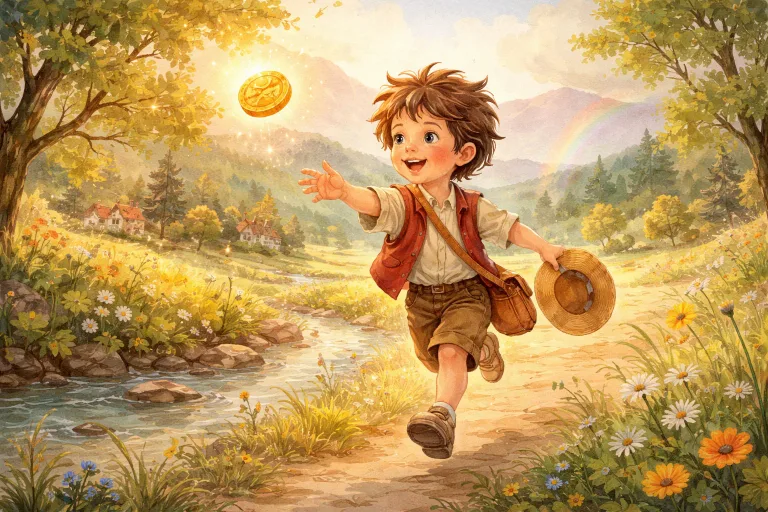
Once upon a time, in a small village, there was a boy named Tom who loved shiny things. He dreamed of having piles of gold and treasures to himself. Every day, Tom would explore the woods and fields, hoping to find something valuable. One day, he came across a little old man who was sitting beside a tree.
The old man looked tired but smiled warmly at Tom. "Would you like to see something special?" he asked. Tom nodded eagerly. The old man reached into his bag and pulled out a small, shining pebble.
"This is no ordinary stone," he said. "It’s a magic gold pebble. If you keep it, you'll always have wealth." Tom’s eyes sparkled. He wanted that pebble more than anything! Without thinking, he begged the old man to give it to him.
The old man chuckled softly and said, "This pebble will bring you happiness only if you share it with others." But Tom only wanted to keep it for himself. So the old man handed him the pebble and said, "Be careful what you wish for."
Tom hurried home, clutching the pebble tightly. As days went by, he showed off the shiny stone to everyone in the village. He boasted about how rich he was. But soon, Tom realized something strange—no matter how much he looked at it, the pebble didn’t grow or sparkle more. It was just a pebble.
Meanwhile, Tom noticed that his friends didn’t want to play with him anymore because he only cared about his treasure. He felt lonely and sad. That night, Tom remembered the old man’s words and decided to do something different. He went back to the woods and found the old man.
"I was wrong," Tom said. "The pebble isn’t the treasure I thought it was. I want to give it back and learn to be kind, not greedy."
The old man smiled and nodded. "True happiness comes from sharing and caring, not keeping everything for yourself."
From that day on, Tom learned to share his toys and help others. He realized that friendship and kindness were more valuable than shiny stones.
Moral: Greed makes us focus only on ourselves, but true happiness comes from sharing and caring for others.
Talk About It
- Why do you think Tom wanted the pebble so badly?
- How did Tom feel when he realized the pebble wasn’t making him happy?
- What are some ways we can be kind to others instead of being greedy?
Story 3: The Mountain of Candy
Once upon a time, in a cheerful village, there lived a boy named Tommy who loved candy more than anything else in the world. Every day, Tommy dreamed of having a mountain of candy, so he could eat as much as he wanted. One bright morning, he found a magic candy jar in his backyard. As soon as he opened it, a tiny candy fairy appeared.
"Hello, Tommy," said the fairy with a twinkle in her eye. "I will grant you one wish, but be careful—think about what you truly want."
Without hesitation, Tommy shouted, "I want a mountain of candy! I want enough to eat forever!"
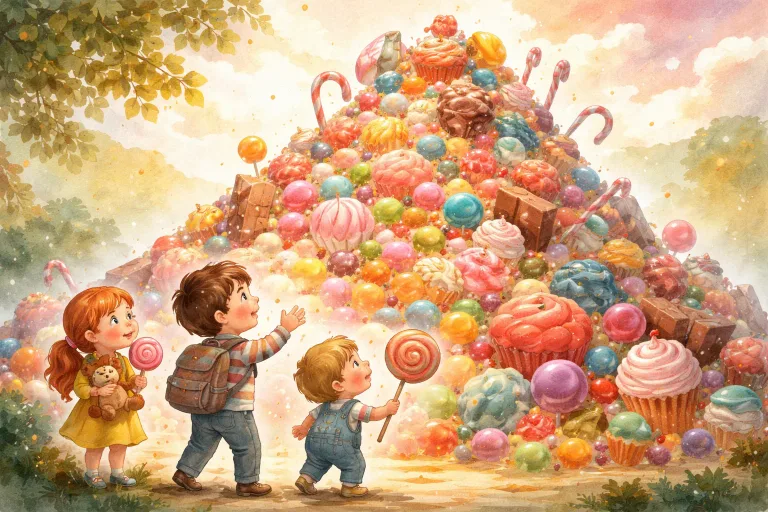
The fairy nodded and waved her wand. Suddenly, a huge mountain of colorful candies grew right in Tommy's backyard. It was taller than the tallest tree! Tommy was so excited he ran to grab handfuls of sweets, filling his pockets and bags.
But soon, he noticed something strange. The more candy he took, the more the mountain grew, yet he felt nothing but hunger and tiredness. His stomach hurt, and his friends no longer wanted to play with him because he was always busy eating and never sharing.
Eventually, Tommy sat atop his mountain of candy, feeling lonely and tired. The fairy appeared again, now looking serious. "Tommy," she said gently, "greed has made you forget what truly matters. Sharing your candies and caring for others would have made you happier. Remember, real joy comes from kindness, not just having more."
Tommy looked at his mountain. He realized that his endless greed had made him forget the fun of sharing and the happiness of being kind. Slowly, he decided to give some candies to his friends and neighbors, making everyone smile.
From that day on, Tommy learned that wanting too much can make you lonely, but sharing and caring bring true happiness.
Moral
Greed can make us forget what is truly important. Sharing and caring for others bring lasting happiness and friendship.
Talk About It
- Have you ever wanted something so much that you forgot about other people? How did it make you feel?
- What are some good ways to share what you have with friends and family?
- Why do you think sharing makes us happier than keeping everything for ourselves?
Practical Takeaways
- Greed can cause us to hurt others or forget to be kind.
- Sharing what we have makes everyone happier.
- It’s important to appreciate what we already have instead of always wanting more.
- Emphasize the importance of contentment and appreciating what you have.
- Teach children that greed can lead to loss and unhappiness, as seen in stories like The Goose That Laid the Golden Eggs.
- Highlight the value of patience and moderation rather than immediate gratification.
- Use stories to demonstrate that greed often results in the downfall of characters, encouraging kids to seek balance.
- Encourage gratitude by discussing the moral lessons from Simple Life of Lila.
- Reinforce that true happiness comes from sharing and caring, not hoarding or wanting more than necessary.
Conclusion
Greed might seem exciting or tempting, but stories like Leo’s teach us that kindness, fairness, and sharing lead to true happiness. Recognizing greed in ourselves allows us to choose better, more caring actions. Remember, the best treasures are those we give and share with others.
Teaching children about greed through engaging stories offers valuable moral lessons that resonate beyond the pages. These tales reveal how greed can lead to undesirable outcomes, encouraging kids to develop virtues like contentment, patience, and generosity. For example, stories like King Midas and the Golden Touch show that wanting too much can turn blessings into curses. By discussing these stories, parents and teachers can help children understand that happiness is rooted in gratitude and moderation, not endless desire. Incorporating lessons from Stories About Greed into daily life fosters moral development and helps children make balanced choices. Ultimately, guiding kids to value what they have and to be satisfied fosters a healthier, more content mindset that will serve them well throughout life. Using these moral stories as teaching tools can shape more compassionate and balanced individuals.
Continue Exploring Moral Stories
Discover animated moral stories, browse by category, or find age-appropriate reads for your family.
You May Also Like
5 Generosity Stories for Kids: Short Tales on Giving & Sharing
Explore 5 heartwarming generosity stories for kids that teach the joy of sharing and giving. Short tales full of morals to inspire kindness and compassion.
7 Contentment Stories for Kids: Finding Joy in What You Have
Discover 7 heartfelt contentment stories for kids that teach the importance of appreciating what we have. These tales foster gratitude and happiness in young hearts.
8 Sharing Stories for Kids: Learning Generosity Through Tales
Discover 8 heartwarming sharing stories for kids that teach the importance of generosity, kindness, and caring through engaging tales perfect for bedtime or classroom discussions.

8 Materialism Stories for Kids: True Joy Beyond Money
Teaching children that true happiness comes from kindness, sharing, and inner virtues helps them develop resilience against materialism's pitfalls.