
4 Deceit Stories for Kids: The High Price of Lies & Tricks

Kids often encounter situations where honesty and honesty-breaking tricks come into play. While some tricks might seem harmless or clever at first, they can lead to unexpected consequences that teach valuable life lessons. In this blog, we explore four engaging deceit stories that reveal the real costs of dishonesty and cunning. These stories aim to help children understand why truthfulness is always the best path and how deceit can affect trust, relationships, and personal growth. Using captivating narratives, we'll show that honesty and integrity are virtues worth upholding, setting young minds on a path of moral awareness that lasts a lifetime.
Deceit can seem tempting to kids who want to avoid trouble or get what they desire quickly. However, stories about lies and tricks often highlight the importance of trust, the dangers of deception, and the value of honesty. Sharing these tales helps children grasp the long-term effects of their choices, encouraging them to choose honesty over deceit. Whether through classic moral lessons or modern adventures, these stories serve as powerful reminders that the high price of lies can be paid in the form of broken friendships, lost opportunities, or feelings of guilt. For more stories that emphasize truthfulness, check out 5 Honesty Stories for Kids: Classic Tales That Teach Truthfulness.
Why Deceit Matters
Understanding why deceit matters is essential for developing strong moral character. While it might seem easier or more fun to trick others or tell small lies, these actions can erode trust and damage relationships over time. Children need to recognize that honesty builds credibility and respect, while deceit often leads to disappointment and consequences they might not anticipate. Teaching kids about deceit helps them develop empathy and foresight, understanding how their actions affect others around them. Moreover, stories about deceit often reveal the emotional toll dishonesty can take on both the deceiver and those deceived, reinforcing the importance of integrity. By learning these lessons early, children can grow into honest adults who value truth and fairness. For more engaging stories about honesty, explore 5 Short Stories About Honesty That Will Stop Your Child From Lying.
5 Short Stories About Honesty That Will Stop Your Child From Lying · 8 Gossip Stories for Kids: The Danger of Spreading Rumors · 5 Honesty Stories for Kids: Classic Tales That Teach Truthfulness · The Ultimate List of Animal Moral Stories Your Kids Will Love
Table of Contents
- The Clever Fox and the Greedy Farmer
- The Boy Who Told a Lie About the Missing Cake
- The Trickster's Lesson: An Ant and a Grasshopper Tale
- The Sneaky Rabbit and the Lost Carrot
- Practical Takeaways
- Conclusion
Story 1: Introduction
Introduction
Deceit, or lying and trickery, can seem like a quick way to solve problems or avoid trouble. But in the end, it often leads to more difficult situations and hurts trust. Teaching children the importance of honesty helps them build strong character and healthy relationships. In this collection, we share four stories about deceit, each illustrating the importance of truthfulness and the consequences of dishonesty.
Story 2: The Little Liar’s Shadow
Once upon a time, in a small village, there was a boy named Oliver who loved to tell stories. Sometimes, he would exaggerate how fast he ran during races, or how many candies he had eaten in a day. Most of his friends believed him because Oliver was very good at making his stories sound exciting. But secretly, Oliver was also a bit worried that if people found out the truth, they might stop trusting him.
One sunny afternoon, Oliver found a shiny, colorful feather on the ground. He thought it was so beautiful he wanted to keep it as a special treasure. But then, an idea popped into his head. He decided to tell everyone that he had found a rare, magical feather that could grant wishes. He told his friends and neighbors, who were amazed and excited. They asked Oliver to make a wish, but he just laughed and said he didn’t want to share his secret.
That evening, Oliver’s best friend, Lily, came over to see the feather. When she saw it, she said, “Oliver, that’s a wonderful feather! But I can tell you’re hiding something. Is it really magical?” Oliver felt a little guilty, but he quickly made up a story. “Of course! It’s very special. I found it in a secret place.” Lily looked at Oliver with concern. She said, “Oliver, you’re good at telling stories, but sometimes, the truth is more important than making things up. If you keep lying, people might stop trusting you even when you’re telling the truth.”
That night, Oliver couldn’t sleep. He thought about what Lily said. The next morning, he gathered all his friends and told them, “I have to tell you something. The feather isn’t magical. I just found it and thought it was pretty. I’m sorry I lied; I didn’t want to disappoint you, but I realize honesty is better than pretending.”
From that day on, Oliver promised himself to be truthful, even if it meant admitting he didn’t have the most exciting story. His friends appreciated his honesty much more than his tall tales. Oliver learned that lies might bring temporary fun, but honesty builds real trust — and that’s the most valuable treasure of all.
Moral: Telling the truth is always better than lying, because honesty builds trust and friendship.
Talk About It
- Why do you think Oliver lied about the feather?
- How do you feel when someone is honest with you, even if it’s not what you want to hear?
- Have you ever told a small lie? What happened afterward?
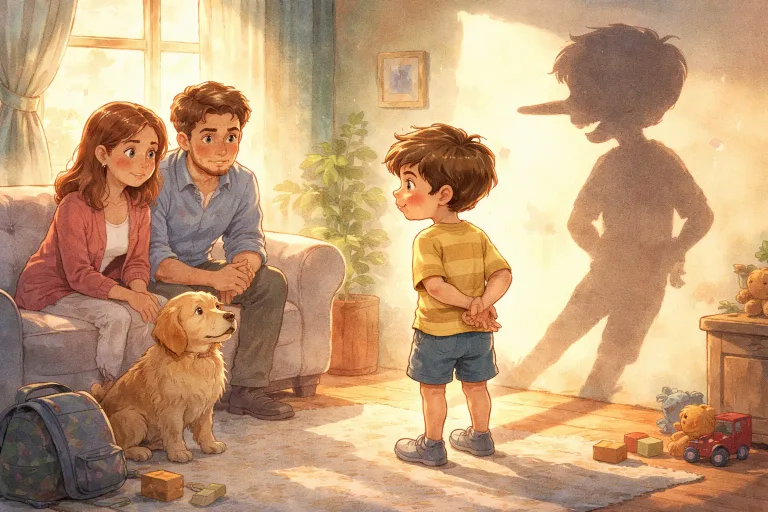
Story 3: The Hidden Treasure in the Garden
In a quiet little town, there was a boy named Lucas who loved to explore. One sunny afternoon, Lucas was playing in his backyard when he discovered an old, dusty box buried beneath a patch of tall grass. Excited, he carefully dug it out and opened it to find shiny coins, colorful gemstones, and a worn but beautiful map.
The map seemed to point to a spot in the garden, so Lucas ran out to see where it led. But as he looked around, he noticed his neighbor, Mrs. Green, watching him intently. A sudden idea crossed Lucas’s mind—what if he told her he’d found the treasure? Maybe she’d be impressed, or even better, she might share some of it with him.
Lucas decided to lie. He told Mrs. Green that he had found a treasure in his backyard while playing, and he was planning to dig it up further. Mrs. Green looked surprised but didn't say much. Over the next few days, Lucas kept lying about his treasure hunt, telling different stories about how much he was going to find and what he would do with the coins and gems.
One afternoon, Lucas’s friend Emma came over. Curious about the stories Lucas had been telling, Emma suggested they go looking for the treasure together. Lucas hesitated but then decided it was best to show her the map. When they followed the clues, they found the spot marked on the map—just a few feet from where Lucas had first found the box. They started digging and digging but found nothing but dirt and roots.
Feeling disappointed, Emma asked, “Lucas, did you really find all this treasure, or were you just pretending?” Lucas finally hesitated and admitted, “I lied. I was just afraid I’d be seen as not having anything special, so I made up the story.”
Emma smiled kindly. “It’s okay to be excited about your find, Lucas. But it’s always better to tell the truth. Lies can make things more complicated than they need to be.”
From then on, Lucas learned that honesty is the best way to keep friends and trust. He realized that pretending can only lead to disappointment and that sharing the truth makes stories even more special.
Moral: Telling the truth is always better than telling lies, because honesty builds trust and keeps friendships strong.
Talk About It
- Why do you think Lucas chose to lie about his treasure?
- How did lying affect his friendship with Emma?
- What could Lucas have done instead of lying?

Story 4: The Boy Who Swore He Could Fly
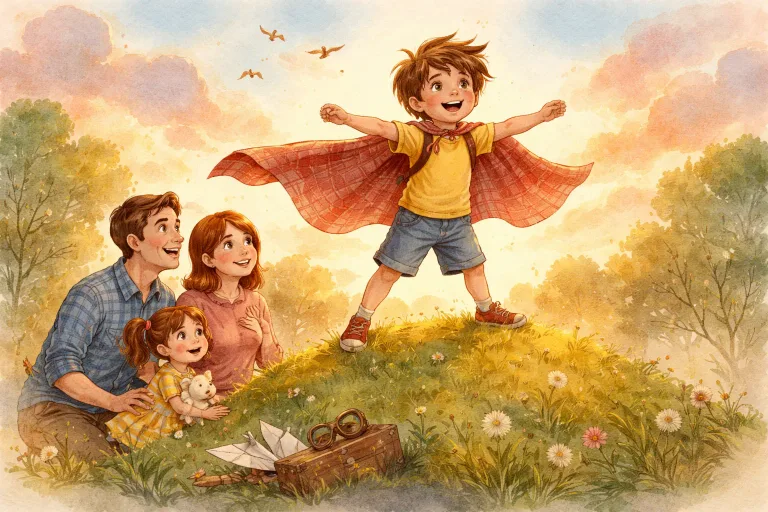
Once upon a time, in a small village, there lived a boy named Sam who loved to tell big stories. One day, he boasted to his friends that he could fly like a bird. “I can fly higher than the tallest trees!” he declared, puffing out his chest. His friends looked at each other in surprise but didn’t want to hurt his feelings, so they nodded and clapped politely.
Sam wasn’t serious at first. He just liked to imagine himself soaring through the sky. But every day, he told new stories about flying. He claimed he had a magic wing suit, that he could run so fast he could lift off the ground, and even that he’d flown all the way to the clouds. The more he lied, the more people believed him—or at least, they didn’t want to argue.
One windy afternoon, during a village festival, Sam’s friends decided to help him learn a lesson. They knew that Sam loved to dream big, but they also knew he needed to understand honesty. They told him, “Sam, we believe in your imagination, but lying isn’t the way to make your dreams come true. If you really want to fly, you should try to learn and practice.”
Sam thought about this. That night, he looked at the stars and realized that pretending to fly wasn’t enough. He decided to take flying lessons from the village aviator, Mr. Carter, who showed him how airplanes work and how to control a kite. Sam worked hard, practicing regularly, and before long, he was flying a kite so well that it almost looked like he was soaring!
When his friends saw him fly a kite high into the sky, they clapped proudly. Sam smiled, feeling happy and proud because he knew the truth about himself now—he could achieve great things with honesty and effort, not with lies.
Moral: Telling the truth helps us grow, and honesty is the best way to reach our dreams. Deceit might seem tempting, but it can lead us away from what’s real and important.
Talk About It:
- Why do you think Sam lied about being able to fly? How might lying affect his friendship with others?
- What did Sam do to achieve his goal of flying? How was that different from lying?
- Have you ever told a lie that made things worse? What did you learn from that experience?
Practical Takeaways
- Always tell the truth, even if it’s scary or uncomfortable.
- Lies might seem easy, but they can cause bigger problems later.
- Trust is built through honesty; once lost, it’s hard to regain.
Conclusion
Teaching children about deceit helps them understand the importance of honesty and integrity. Stories like Felix’s show that honesty may take courage, but it leads to respect and good relationships. When children learn to value truthfulness, they grow into trustworthy and kind individuals.
- Teach children that deceit can have serious consequences, damaging trust and relationships.
- Use stories to demonstrate that honesty is always the best choice, regardless of the situation.
- Encourage kids to think about how their lies affect others and the importance of integrity.
- Reinforce the idea that tricks or tricks may seem harmless but often lead to bigger problems.
- Promote open communication where children feel safe to tell the truth without fear of harsh judgment.
- Model honest behavior consistently to help children understand the value of truthfulness in everyday life.
Continue Exploring Moral Stories
Discover animated moral stories, browse by category, or find age-appropriate reads for your family.
You May Also Like
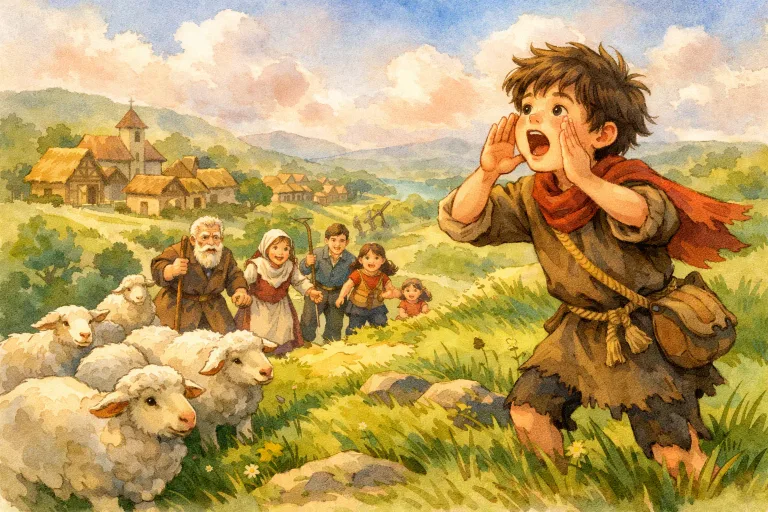
5 Honesty Stories for Kids: Classic Tales That Teach Truthfulness
Discover 5 timeless honesty stories that teach children the importance of truthfulness. Engaging tales like The Boy Who Cried Wolf and The Honest Woodcutter help instill moral values.
6 Integrity Stories for Kids: Doing the Right Thing Always
Discover 6 inspiring integrity stories for kids that teach the importance of honesty, doing the right thing, and building character. Perfect for parents and teachers!
5 Justice Stories for Kids: Short Tales on Fairness & Equality
Discover five inspiring justice stories for kids that teach fairness, equality, and standing up for what is right. Perfect for young learners and parents alike.
The Integrity Test: 5 Real-Life Historical Stories of True Honesty
Discover five true stories of honesty and integrity from history, retold for families and classrooms. Learn how real people shaped the world with truth and character.