
7 Cause and Effect Stories for Kids: Actions Have Consequences
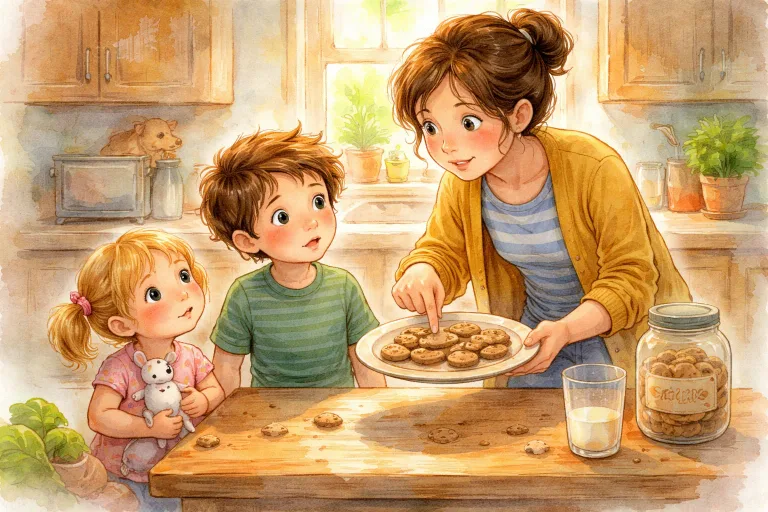
Every action we take sets off a chain of events that can affect us and those around us. Teaching children about cause and effect helps them understand that their choices matter, shaping their behavior and morals. Through engaging stories, kids learn valuable lessons about responsibility, decision-making, and the importance of thinking before acting. These stories serve as simple yet powerful tools to illustrate how even small actions can lead to big outcomes, both positive and negative. Developing an awareness of cause and effect early in life encourages children to make thoughtful decisions, fostering a sense of accountability that will benefit them throughout their lives.
Stories are a wonderful way to make moral lessons memorable and relatable. When children see characters face the consequences of their actions, they grasp complex concepts in a fun and accessible way. For example, exploring stories about honesty, kindness, or sharing can teach kids important virtues and the potential outcomes of their choices. To deepen their understanding, parents and teachers can use these cause and effect stories as discussion starters, helping children reflect on how their own actions influence their lives and relationships. Whether it's learning from mistakes or celebrating good behavior, these stories are invaluable tools for moral development.
Why Cause and Effect Matters
Understanding cause and effect is a fundamental part of moral education. When children recognize that their actions have consequences, they develop a sense of responsibility and awareness of how their decisions impact others. For instance, a story about sharing leading to friendship or about lying causing mistrust helps children see the direct link between behavior and outcome. This understanding encourages them to choose positive actions and avoid harmful ones, fostering moral growth and empathy.
Moreover, cause and effect stories teach children critical thinking skills. They learn to analyze situations, predict outcomes, and consider the repercussions of their choices. This kind of reasoning is essential for making thoughtful decisions in everyday life. Additionally, these stories can serve as gentle warnings, showing that reckless or selfish actions often lead to undesirable consequences. By internalizing these lessons, children become more mindful and considerate individuals. Learning about cause and effect not only builds character but also helps children navigate social interactions with confidence and integrity.
For more stories that promote understanding and empathy, check out 5 Betrayal Stories for Kids: Understanding Trust & Loyalty or explore the importance of kindness through 7 Generosity Stories for Kids: Short Tales on Giving & Sharing.
Table of Contents
- Story 1: The Boy Who Shared His Toys
- Story 2: The Girl Who Told the Truth
- Story 3: The Cat's Missing Food
- Story 4: The Lazy Bunny's Day
- Story 5: The Little Girl Who Helped Her Friend
- Story 6: The Boy Who Ignored His Homework
- Story 7: The Ant and the Grasshopper
Introduction
Understanding cause and effect helps children make sense of the world around them. When kids learn to see how their actions lead to outcomes, they develop responsibility, patience, and problem-solving skills. Recognizing cause and effect is like connecting the dots—each action creates a consequence, good or bad. This awareness encourages children to think before they act and helps them understand the impact of their choices.
Story 1: The Missing Cookie
Lilly loved helping her mom bake cookies on Saturdays. One afternoon, she eagerly waited as her mom measured flour and sugar, mixed the dough, and put it in the oven. Once the cookies were ready, Lilly grabbed one and took a big bite. But when she looked around the kitchen, she noticed her favorite cookie jar was open and empty.
Lilly’s mom gently asked, “Did you see what happened to the cookies after they cooled?” Lilly remembered she had left the jar open earlier when she was playing. She couldn’t find her cookie and realized she might have taken it earlier and forgotten to put the jar back.
That evening, Lilly told her mom she was sorry. Her mom smiled and said, “That’s okay, Lilly. When we take cookies without asking, it affects everyone because it makes the jar empty. When you’re honest about what you do, it helps us all trust each other more.”
Lilly learned that her actions—taking a cookie without asking—had consequences. She saw how her choice to be honest and to close the jar afterward could keep everyone happy and trust each other.
Moral: Our actions have consequences, and honesty helps keep trust strong.
Talk About It
- Why was it important for Lilly to tell the truth?
- What could Lilly have done differently to prevent losing the cookie?
- How does honesty affect the way others trust us?
Story 2: The Broken Vase
One sunny afternoon, Ethan was playing soccer in the backyard. He kicked the ball a little too hard, and it rolled toward the flower bed. Ethan chased after it, but in his excitement, he didn’t see the garden gnome near the flower pot. He accidentally kicked the ball against the gnome, knocking it over and shattering the vase.
Ethan felt sad and worried. His mom saw what happened and gently said, “Ethan, when we don’t pay attention, we can cause accidents like this. The broken vase is the effect of how you kicked the ball without looking.”
Ethan realized that his careless kick caused the vase to break. His mom explained that being careful can help prevent accidents. Ethan apologized, helped clean up the pieces, and promised to be more careful next time.
From that day on, Ethan learned that his actions—like kicking the ball carelessly—have consequences. Being attentive and cautious can prevent accidents and keep everyone safe.
Moral: Careful actions prevent accidents and their consequences.
Talk About It
- Why did the vase break?
- How could Ethan have played more carefully?
- Why is paying attention important when we’re playing or doing something active?

Story 3: The Rainy Day
One morning, Mia looked out the window and saw dark clouds gathering. She wished it wouldn’t rain because she had planned to play outside. Her mom told her, “Rain is caused by clouds gathering and releasing water. If it rains, you won’t be able to play outside now.”
Mia was disappointed but decided to find something fun indoors instead. She built a fort with blankets and read her favorite book. Later, she learned that the rain was an effect of the weather changing, and though she couldn’t play outside, she enjoyed her indoor activities.
The next day, Mia understood that weather happens because of cause-and-effect relationships in nature. Rain is a natural effect of clouds gathering and water falling from the sky. Knowing this helped her accept the rain and find fun indoors.
Moral: Natural effects happen because of causes, and understanding them helps us accept what we cannot control.
Talk About It
- What causes rain?
- How can knowing about cause and effect help us when the weather changes?
- What fun things can you do indoors when it rains?

Story 4: The Lost Toy
Liam loved his shiny red car toy. One day, he played with it outside in the yard. When he finished, he put it on the table but then forgot to bring it inside. That night, Liam couldn’t find his toy and felt sad.
The next morning, Liam looked everywhere for his car. He remembered leaving it outside. His mom explained, “When you leave your toy outside, it can get dirty or lost—this is the effect of not putting things away.”
Liam realized that if he had remembered to bring his toy inside, he wouldn’t have lost it. From then on, he started putting his toys away after playing, realizing how his choice to leave it outside caused him to lose it.
Moral: Good habits, like putting things away, prevent losing important items.
Talk About It
- Why was Liam sad?
- What could Liam have done to keep his toy safe?
- Why is it important to put toys away after playing?

Story 5: The Glad Garden
Emma loved watering her garden every morning. She carefully poured water on her plants and watched them grow. One day, she was in a hurry and didn’t water her plants. Over the next few days, Emma noticed the plants looked droopy and sad.
Emma’s mom explained, “Plants need water to stay healthy. When you don’t water them, they get dry, and that’s the effect of missing your watering time.” Emma realized her actions directly affected her plants.
From then on, Emma made sure to water her garden regularly. The plants became happy and green again, showing how consistent actions lead to positive effects.
Moral: Taking care of things regularly leads to happy results.
Talk About It
- How did Emma’s actions affect her garden?
- Why is watering important for plants?
- What other habits can help things grow and stay healthy?

Story 6: The Late Lunch
One day, Noah was running late for lunch. He didn’t want to stop playing so he skipped his snack. His tummy started to growl loudly. His mom reminded him, “When you don’t eat on time, your body feels hungry and tired—that’s the effect of missing a meal.”
Noah understood that his choice to skip lunch caused him to feel hungry. After eating, he felt better and more energetic. He learned that eating regularly helps his body stay strong and active.
Moral: Our choices, like eating on time, have direct effects on how we feel.
Talk About It
- Why did Noah feel hungry?
- What happens if we skip meals?
- How can eating on time help us feel better?

Story 7: The Stuck Ball
Olivia loved playing catch in the yard. One day, she threw her ball too hard and it got stuck in a tall tree. She tried to reach it but couldn’t. Her mom explained, “When you throw the ball too hard, it can get stuck or cause accidents—that’s the cause and effect of being too forceful.”
Olivia realized her hard throw caused her to lose her ball. She learned to throw gently so she could control it and avoid accidents.
From then on, Olivia practiced careful throwing, understanding that her actions impact the outcome.
Moral: Gentle actions help us avoid problems and keep fun going.
Talk About It
- Why did Olivia’s ball get stuck?
- How can throwing gently prevent accidents?
- Why is it important to control how hard we throw or do things?

Practical Takeaways
- Think Before You Act: Every action has a consequence; considering this helps make better choices.
- Be Honest and Responsible: Your honesty and responsibility build trust and prevent problems.
- Pay Attention: Being attentive can prevent accidents and mistakes.
- Develop Good Habits: Consistency, like watering plants or cleaning up, leads to positive results.
- Accept Natural Outcomes: Some effects are natural and unavoidable, like weather changes.
- Learn from Mistakes: When things go wrong, think about what caused it and how to do better next time.
Conclusion
Teaching children about cause and effect helps them understand that their actions influence their world. When kids recognize this connection, they become more responsible, thoughtful, and confident. These stories illustrate that every choice has an outcome, and by making good decisions, children can create positive effects in their lives and the lives of others. Cultivating this understanding from a young age builds a foundation for responsible and empathetic adults.
Continue Exploring Moral Stories
Discover animated moral stories, browse by category, or find age-appropriate reads for your family.
You May Also Like
4 Responsibility Stories for Kids: Lessons on Ownership
Discover inspiring responsibility stories for kids that teach accountability, ownership of actions, and pride in completing daily duties. Perfect for parents and teachers!
5 Justice Stories for Kids: Short Tales on Fairness & Equality
Discover five inspiring justice stories for kids that teach fairness, equality, and standing up for what is right. Perfect for young learners and parents alike.
5 Honesty Stories for Kids: Classic Tales That Teach Truthfulness
Discover 5 timeless honesty stories that teach children the importance of truthfulness. Engaging tales like The Boy Who Cried Wolf and The Honest Woodcutter help instill moral values.
Piggy Bank Lessons: 5 Stories That Teach Kids Money Management
Discover five engaging stories that make money management simple and meaningful for children, teaching saving, wise spending, and generosity through age-appropriate storytelling.