
4 Responsibility Stories for Kids: Lessons on Ownership
Teaching children about responsibility is one of the most valuable lessons they can learn. Responsibility helps kids develop independence, trustworthiness, and a sense of pride in their actions. When children understand that their choices have consequences and that they are accountable for their duties, they grow into reliable and confident individuals.
In this article, you'll find four engaging moral stories that illustrate different aspects of responsibility. Each story is designed to teach children about ownership, accountability, and the importance of fulfilling their commitments. These tales can serve as wonderful conversation starters and reinforce positive habits at home and in the classroom.
Why Responsibility Matters
Responsibility is a foundational life skill. It teaches children to manage their tasks, respect others, and understand the impact of their actions. When kids learn responsibility early, they are more likely to develop good habits, such as completing homework on time, taking care of their belongings, and helping out at home.
Responsibility also fosters self-confidence. When children see that they can handle their duties successfully, their self-esteem grows. Furthermore, responsible children tend to earn the trust and admiration of family and friends, which reinforces their positive behavior.
Now, let’s explore four moral stories that highlight different facets of responsibility, along with discussion prompts to help children reflect on these important lessons.
Table of Contents
- Story 1: The Honest Gardener
- Story 2: The Missing Homework
- Story 3: The Broken Vase
- Story 4: The Helper at the Farm
Story 1: The Honest Gardener
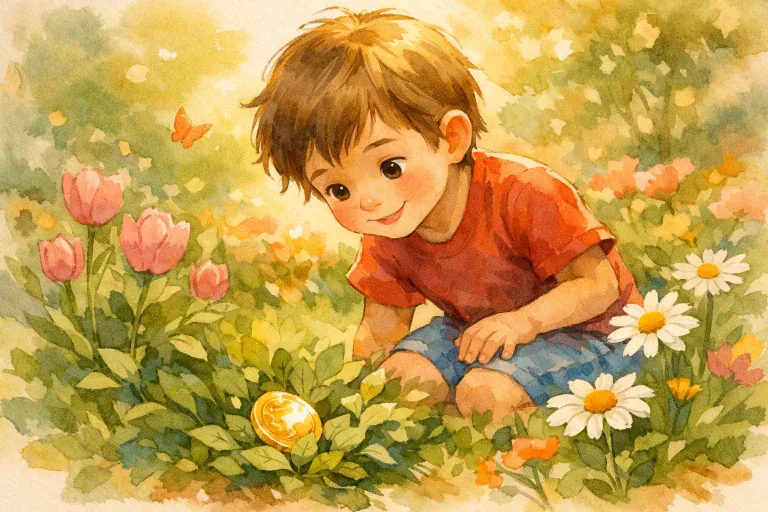
Liam loved helping his grandfather in the garden. One day, while watering the plants, he noticed a small, shiny coin lying among the flowers. Curious, Liam picked it up and thought, "Maybe someone lost it."
Later that day, Liam’s grandfather asked him to water the roses. Liam remembered the coin but hesitated. He knew that if he kept the coin, it wouldn’t be right. So, he decided to ask his grandfather about it.
Together, they announced in the neighborhood that a coin was found. Soon, a little girl came forward, explaining she had lost her pocket money. Liam felt proud that he chose honesty.
Moral: Honesty and responsibility go hand in hand. Taking ownership of your actions builds trust.
Talk About It: Have you ever found something that wasn’t yours? What did you do? Why is honesty important?
Story 2: The Missing Homework
Sara was a diligent student who always completed her homework on time. One day, she forgot to do her math assignment. When her teacher asked for it, Sara felt embarrassed. She knew she had to be honest.
Sara went home and told her parents that she forgot her homework. Her parents appreciated her honesty and helped her complete the assignment that evening. The next day, Sara handed in her work and promised herself to stay more organized.
From then on, Sara kept a special homework folder and checked her bag every night. She learned that responsibility means being accountable for your tasks.
Moral: Being responsible includes owning up when you make a mistake and fixing it.
Talk About It: What should you do if you forget to do your homework? How can you stay organized?

Story 3: The Broken Vase
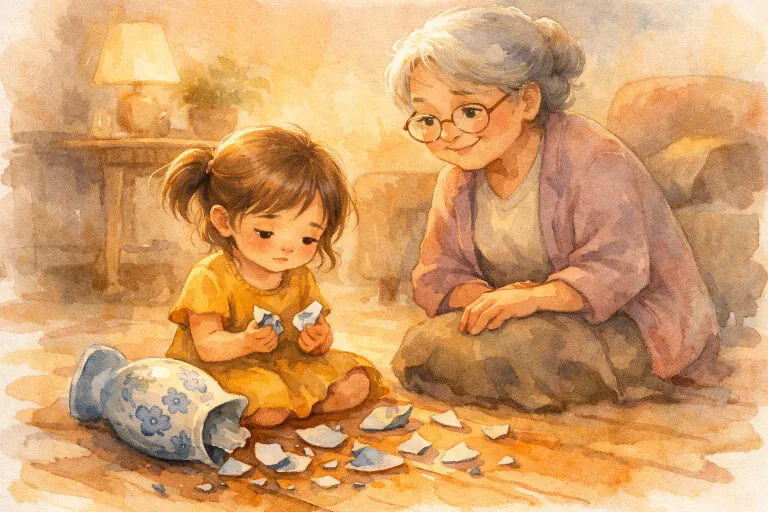
Emma loved her grandmother’s old, beautiful vase. One day, while helping set the table, she accidentally knocked it off the shelf. The vase shattered into pieces.
Emma felt terrible. She knew she had to take responsibility. She told her grandmother the truth and offered to help clean up. Emma also saved her pocket money to buy a new vase.
Her grandmother smiled and said, "What matters most is your honesty and willingness to make things right." Emma learned that responsibility means owning your mistakes and doing your best to fix them.
Moral: Owning up to mistakes and taking action to repair them is a sign of true responsibility.
Talk About It: Have you ever broken something and told the truth? How did it feel?
Story 4: The Helper at the Farm
Tom visited his cousin’s farm and was eager to help. He was assigned to feed the chickens and water the plants. Tom took his duties seriously and made sure everything was done well.
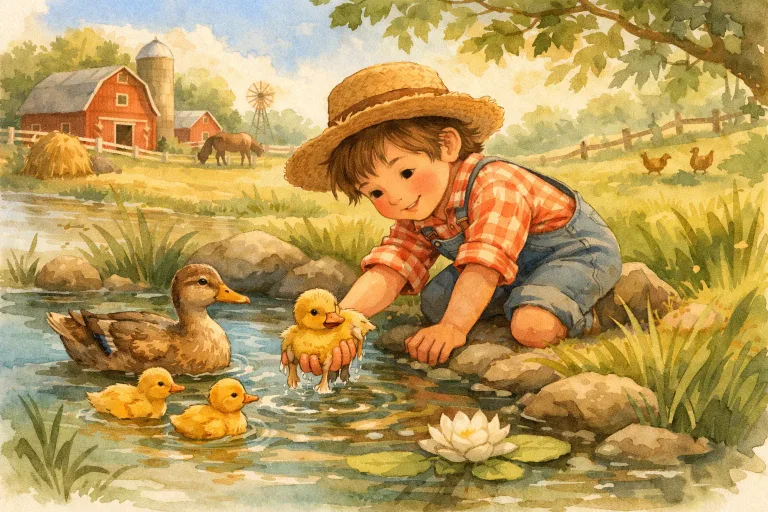
One day, he noticed a small duckling stuck in the pond. Instead of ignoring it, Tom carefully rescued the duckling and returned it to its mother. His cousin praised him for being responsible and caring.
Tom learned that responsibility isn’t just about chores but also about caring for others and the environment.
Moral: True responsibility involves caring for others and acting kindly.
Talk About It: What are some ways you can help at home or school? Why is caring responsible?
By exploring stories like these, children learn that responsibility is about ownership, honesty, fixing mistakes, and caring for others. Incorporate responsibility stories for kids into your daily lessons and discussions to nurture these important virtues.
Remember, teaching responsibility today shapes responsible adults tomorrow. Let these stories inspire your children to own their actions with pride and integrity.
Images are available separately, created in a warm, family-friendly style that captures the gentle, educational tone of these tales.
Practical Takeaways
- Encourage children to take ownership of their actions.
- Praise efforts to complete tasks, not just the results.
- Use stories to illustrate real-life situations involving responsibility.
- Foster open discussions about mistakes and how to fix them.
Conclusion
Responsibility is a vital virtue that shapes children into honest, dependable, and caring individuals. Through stories and everyday practice, kids can learn that owning their actions and fulfilling their commitments lead to personal growth and positive relationships. Use these stories as tools to guide children toward understanding and practicing responsibility in their daily lives.
Continue Exploring Moral Stories
Discover animated moral stories, browse by category, or find age-appropriate reads for your family.
You May Also Like
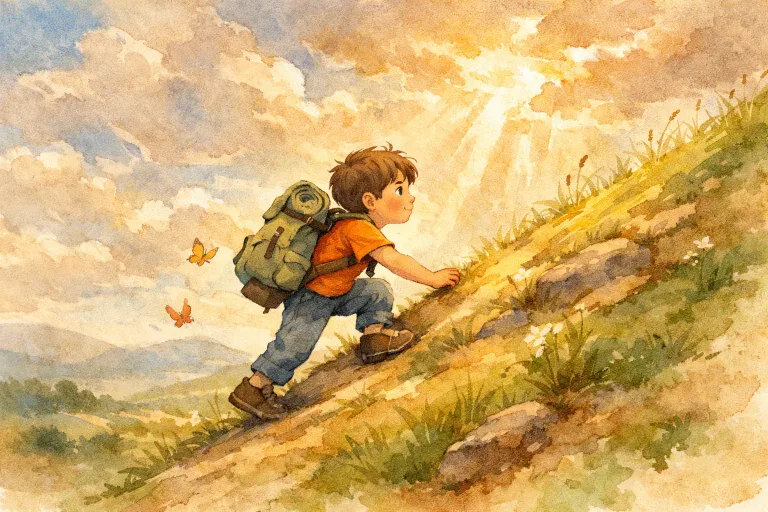
The Hard Work Secret: 5 Inspiring Perseverance Stories for Students
Discover five perseverance stories that encourage students to keep trying, embrace hard work, and never give up—perfect for classrooms and home reading.
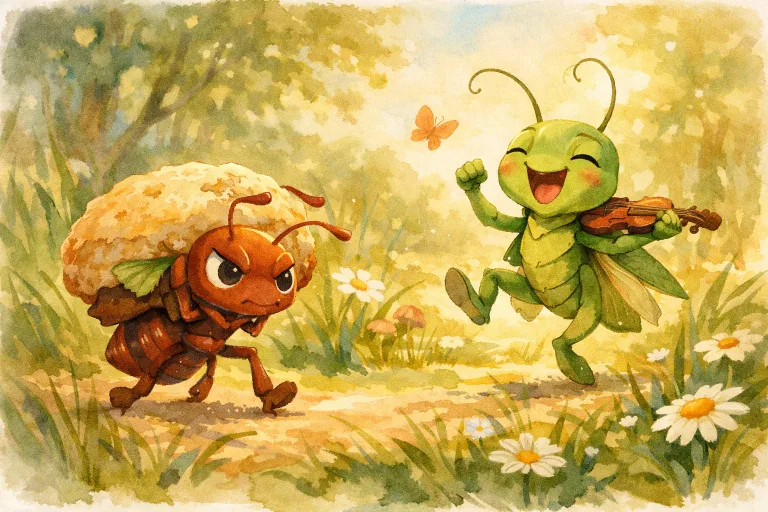
Stepping Stones: 5 Inspiring Success Stories on Hard Work for Youth
Discover five true and classic stories that show how dedication and perseverance can help youth achieve their dreams. Perfect for inspiring teens and students.
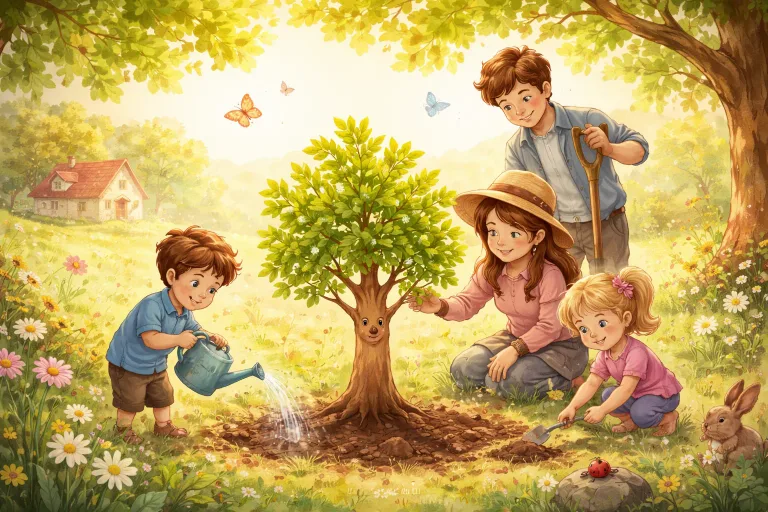
5 Self-Reliance Stories for Kids: Independence & Effort
Learning to be self-reliant helps children build confidence, solve problems independently, and face challenges with courage and resilience.
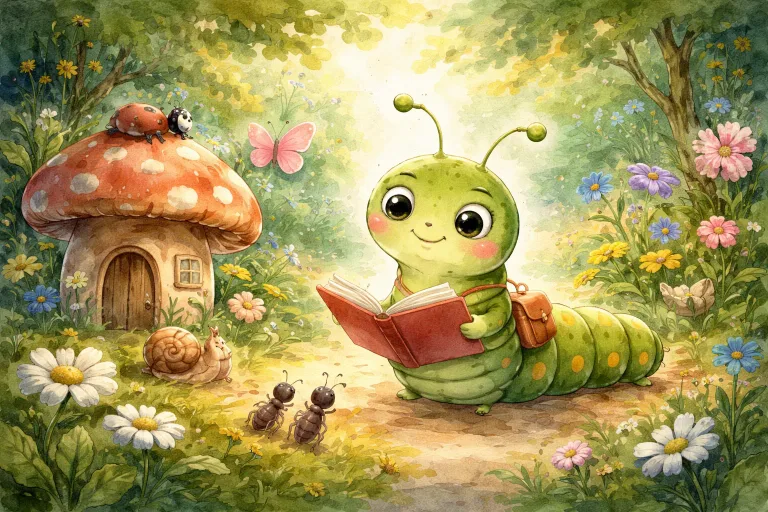
4 Resourcefulness Stories for Kids: Making Do With Minimal Tools
Charlie builds a bridge using twigs and leaves, showing that resourcefulness involves thinking creatively and using available tools to solve problems.