
4 Resourcefulness Stories for Kids: Making Do With Minimal Tools
Kids often face challenges that require more than just strength or luck; they need a creative mindset and resourcefulness. These stories inspire children to think outside the box, encouraging them to use what they have and adapt to new situations. Whether it’s fixing something broken or solving a problem without all the fancy tools, learning to make do with minimal resources builds confidence and resilience. Through engaging narratives, children learn that their ingenuity can turn simple ideas into big successes, fostering independence and critical thinking from a young age.
Resourcefulness is a vital life skill that empowers kids to navigate everyday obstacles. It teaches them to be adaptable and optimistic when faced with shortages or setbacks. Developing this trait early on helps children become problem-solvers rather than complainers, which is essential for personal growth and success. If you'd like to explore more stories that emphasize clever problem-solving, check out our 7 Cleverness Stories for Kids: Problem-Solving With Your Brain. This collection complements the lessons of making do with less by emphasizing smart thinking and ingenuity.
Why Resourcefulness Matters
Resourcefulness is more than just a clever trick; it’s a fundamental skill that shapes how children approach life's challenges. When kids learn to make do with minimal tools, they develop resilience, adaptability, and confidence. These qualities are crucial for overcoming setbacks and finding creative solutions in everyday situations. For example, a child who invents a new game using only household items demonstrates how resourcefulness can turn limitations into opportunities for fun and learning.
Furthermore, fostering resourcefulness helps children appreciate what they have and understand the value of effort and ingenuity over material possessions. It encourages a mindset of problem-solving and innovation, which are essential skills in school, future careers, and daily life. Teaching children to be resourceful also reduces frustration and teaches patience, as they learn to work with what’s available rather than giving up when faced with obstacles. For more stories on developing positive traits, consider exploring our 8 Laziness Stories for Kids: The Value of Hard Work & Effort, which highlights the importance of effort in achieving goals.
6 Wisdom Stories for Kids: Making Thoughtful Decision-Making · 8 Laziness Stories for Kids: The Value of Hard Work & Effort · 7 Cleverness Stories for Kids: Problem-Solving With Your Brain · 3 Greed Stories for Kids: Moral Lessons on Wanting Too Much
Table of Contents
- Story 1: The Bicycle Fix That Saved the Day
- Story 2: The Secret Treehouse Escape
- Story 3: The Lost Puppy and the Make-Shift Collars
- Story 4: The Paper Boat Race to the Finish
Introduction
Resourcefulness is a vital skill that helps us solve problems, make the most of what we have, and find creative solutions in difficult situations. Teaching children about resourcefulness can encourage independence, resilience, and confidence. This collection of stories illustrates how resourcefulness can turn challenges into opportunities, inspiring young readers and their caregivers alike.
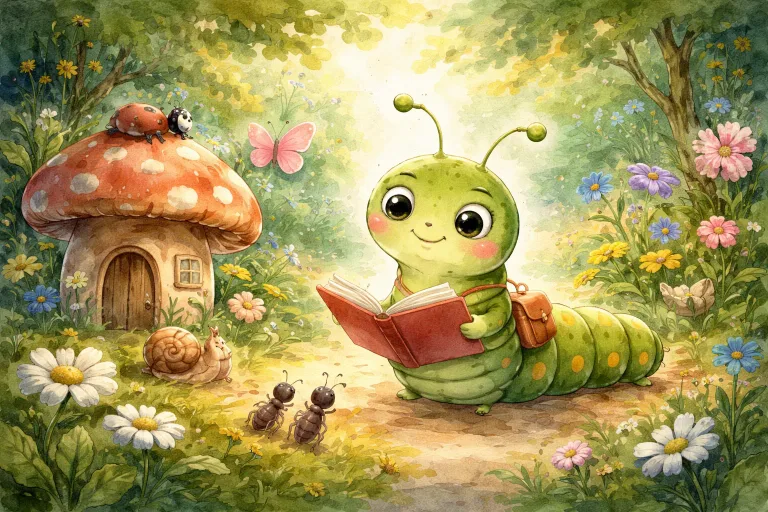
Story 1: The Clever Caterpillar
In a lush green garden, there lived a tiny caterpillar named Charlie. Charlie was a curious little fellow who loved exploring every leaf and branch. One sunny morning, Charlie woke up feeling very hungry. When he looked around, he realized that the only thing left to eat was a big, shiny green leaf—too big for him to carry to his cozy hideout.
Charlie thought hard. He didn’t want to lose the leaf because it looked perfect for his snack. Instead of giving up, Charlie remembered something his mother had told him—“When you face a problem, think of a way to solve it.” He looked around and saw some twigs nearby. A bright idea sparked in his mind.
Using his tiny legs, Charlie carefully gathered some twigs and small leaves. He built a little platform on the edge of the big leaf, creating a bridge. Then, he used his jaws to gently tug the leaf closer to his hideout, balancing carefully as he moved it step-by-step. It took patience, but soon, Charlie had the big leaf next to his home. He happily munched away, feeling proud that he had figured out how to solve his problem without giving up.
That day, Charlie learned that even small creatures can be resourceful. When faced with a challenge, thinking creatively and using what’s around you can help you succeed.
Moral: Resourcefulness means using your ideas and available tools to solve problems, no matter how small or big.
Talk About It
- Have you ever faced a problem and used your imagination to solve it?
- How can you be more resourceful in your daily life?
- Why is it important to think creatively instead of giving up?
Story 2: The Tiny Bridge Builder
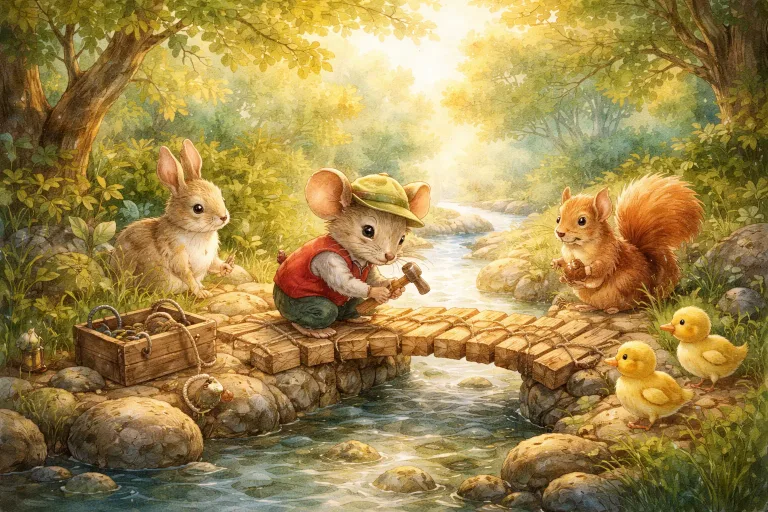
In a lush, green forest, a small squirrel named Sammy loved to explore. One sunny day, Sammy decided to visit his friend Bella, the wise old owl who lived across the rushing river. But there was a problem—the river was too wide and fast-flowing for Sammy to jump across, and there was no bridge.
Sammy was determined not to give up. Instead of feeling disappointed, he looked around for a solution. He noticed some fallen branches, a few sturdy stones, and some vines hanging from nearby trees. Sammy thought carefully. He wasn’t very big or strong, but he was clever.
First, Sammy gathered the fallen branches and used the vines to lash them together, creating a small platform. Then, he carefully placed stones along the sides of the platform to give it more stability. It was a shaky start, but Sammy didn’t give up. He tested his little bridge slowly, stepping onto it one paw at a time. It wobbled, but it held.
With patience and careful balancing, Sammy managed to cross the river. When he reached the other side, Bella congratulated him. “Your resourcefulness saved the day, Sammy,” she said with a gentle smile. “You thought creatively and didn’t give up even when things seemed difficult.”
That day, Sammy learned that when faced with a challenge, the key is to look around, think carefully, and use what you have. Even if you’re small, your clever ideas can help you solve big problems.
Moral: Resourcefulness means using what you have in a clever way to solve problems, no matter how small you are.
Talk About It
- Can you think of a time when you used something around you to solve a problem? What did you do?
- Why is it important to stay calm and think creatively when faced with a challenge?
- How can being resourceful help others in difficult situations?
Resourcefulness is a helpful skill that allows children to think outside the box and find solutions, even when resources seem limited. Learning to be resourceful encourages independence, confidence, and resilience, all important qualities for growing up.
Practical Takeaways:
- Always look around to see what you have that might help.
- Stay calm and think carefully when problems come your way.
- Don’t be afraid to try different ideas until you find one that works.
- Remember, even small ideas can make a big difference.
Conclusion:
The story of Sammy teaches us that resourcefulness isn’t about having the biggest tools or the strongest muscles; it’s about using your brains and creativity to overcome obstacles. Children who develop this skill will learn to face challenges with confidence and ingenuity, building resilience that lasts a lifetime.
Story 3: The Sticky Solution
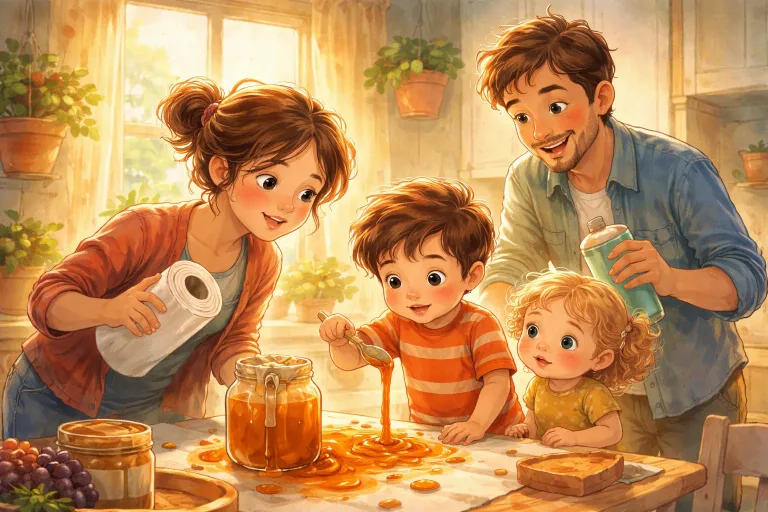
Once upon a time in a lush green forest, there lived a clever squirrel named Sammy. Sammy loved collecting acorns, but one chilly autumn day, a sudden storm swept through the woods, knocking down many trees and scattering acorns everywhere. Sammy was worried—how would he find enough food to last through the winter?
As Sammy searched around, he noticed a large puddle that had formed after the rain. The puddle reflected the sky like a mirror, and nearby, some fallen leaves floated gently on the water. Sammy had an idea. Instead of trying to gather acorns from the muddy ground, he would use the sticky sap from a tree nearby to help him. He remembered that some trees in the forest produced a thick, sticky resin that could hold objects together.
Sammy scurried over to a tall pine tree and gently scraped some resin from its bark with a sharp twig. He then carefully spread the sticky sap onto a leaf and used it like glue. After attaching the leaf to a small branch, Sammy collected tiny twigs and leaves, gluing them onto the leaf to create a flat platform.
Next, Sammy placed a few acorns on his makeshift tray. Because the sap was so sticky, the acorns stuck firmly to the leaf. Sammy then gently lifted his acorn tray and carried it back to his cozy nest. Thanks to his resourcefulness, Sammy had a safe way to gather and transport food without slipping or losing any acorns along the way.
From that day on, Sammy learned that sometimes, using what you already have—like sticky sap and leaves—can help solve problems when resources are scarce. His quick thinking kept him fed during the cold winter months, and he shared his strategy with his friends, encouraging everyone to look for creative solutions when faced with challenges.
The moral of Sammy’s story is that resourcefulness means making the best use of what you have, even if you have to think outside the box.
Talk About It
- Have you ever had to think of a creative way to solve a problem? What did you do?
- Why is it helpful to look around and use what’s nearby when you need a solution?
- Can you think of a time when being resourceful helped you or someone you know?
Story 4: The Little Lantern’s Bright Idea
In a small village nestled between hills and forests, there lived a young girl named Lila. One evening, a heavy storm rolled through, knocking out the village’s power. Darkness blanketed the streets, and everyone felt stranded without their usual lamps and lanterns. Lila watched her neighbors fumble with candles, but her family’s lantern was empty—its glass cracked, and it wouldn’t light.
Lila didn’t get upset. Instead, she thought hard. She remembered her grandfather’s stories about how different things could be used for light. She looked around her room and spotted her old bicycle. The bike had a small, round reflector on the front. Suddenly, an idea sparked in her mind.
She grabbed a glass jar from the shelf and went outside to her garden. Using a piece of cloth, she carefully cleaned the reflector. Then she placed the reflector inside the jar. Next, she looked for a way to make the jar glow brighter—she found an empty tin can. Using a stick and some scrap metal, she fashioned a stand and attached the tin can to the top of her bicycle's reflector.
Lila then gathered some glowworms she found in the garden—tiny, luminous creatures that shine softly at night—and placed them carefully inside the jar. When she spun her bicycle wheel, the reflector’s light reflected off the glowworms inside the jar, creating a soft, shimmering glow. She hurried to her neighbors and shared her homemade lantern. Soon, everyone in the village had a gentle, glowing light to see their way home.
That night, the villagers learned that resourcefulness isn’t about having the perfect tools, but about using what you have in clever ways. Lila’s quick thinking turned a dark night into a glowing adventure. Her resourcefulness not only brightened her home but also inspired everyone to think creatively in difficult times.
Moral: When faced with challenges, look around and think creatively—resourcefulness can light the way even in the darkest moments.
Talk About It
- Have you ever had to come up with a solution when you didn’t have what you needed? What did you do?
- Why do you think Lila’s idea was helpful for her village?
- How can being resourceful help you in your daily life?

Practical Takeaways
- Always look around to see what tools or materials you can use to help solve a problem.
- Think creatively—sometimes, the best solutions come from outside the box.
- When things don’t go as planned, don’t give up; instead, try to find a different way.
- Resourcefulness involves using available tools and materials to solve problems.
- Being creative and thinking differently can help overcome obstacles.
- Always look around for solutions instead of giving up when faced with challenges.
- Encourage kids to think creatively when faced with limited tools, fostering problem-solving skills.
- Use real-life stories to illustrate resourcefulness, making lessons memorable and engaging.
- Promote independence by challenging children to find solutions on their own before asking for help.
- Highlight the importance of making do and adapting, teaching resilience and flexibility.
- Incorporate resourcefulness lessons into daily routines to build confidence and initiative.
- Read stories like Cleverness Stories for Kids to inspire children to develop their problem-solving skills.
Conclusion
Resourcefulness is a powerful skill that encourages children to think critically, act independently, and persevere through challenges. Through stories like Charlie’s, children learn that with a little creativity and determination, they can turn obstacles into opportunities for success. Cultivating resourcefulness today helps build confident, resilient individuals ready to face whatever comes their way tomorrow.
Resourcefulness is a valuable skill that can help children navigate everyday problems with confidence. By encouraging kids to think creatively and make the most of what they have, parents and teachers can foster independence and resilience. Remember, sometimes the best solutions come from looking at things in a new way!
Continue Exploring Moral Stories
Discover animated moral stories, browse by category, or find age-appropriate reads for your family.
You May Also Like
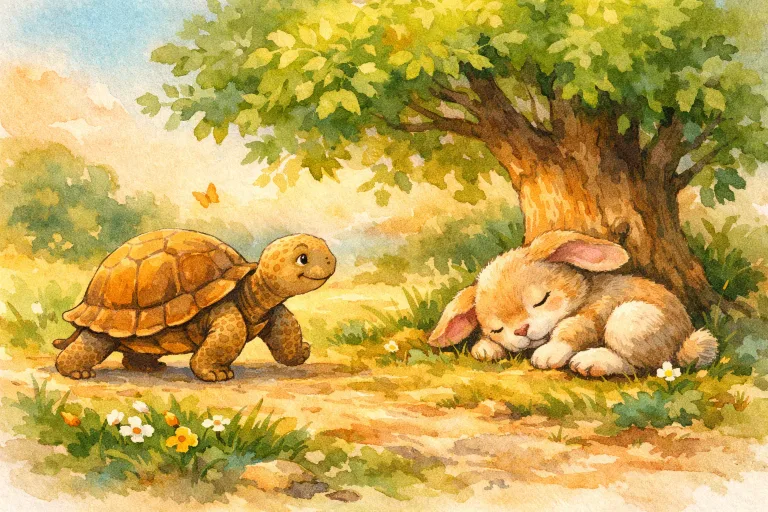
7 Perseverance Stories for Kids: Lessons on Never Giving Up
Discover inspiring perseverance stories for kids that teach resilience, determination, and never giving up. Perfect for parents and teachers to inspire young minds.
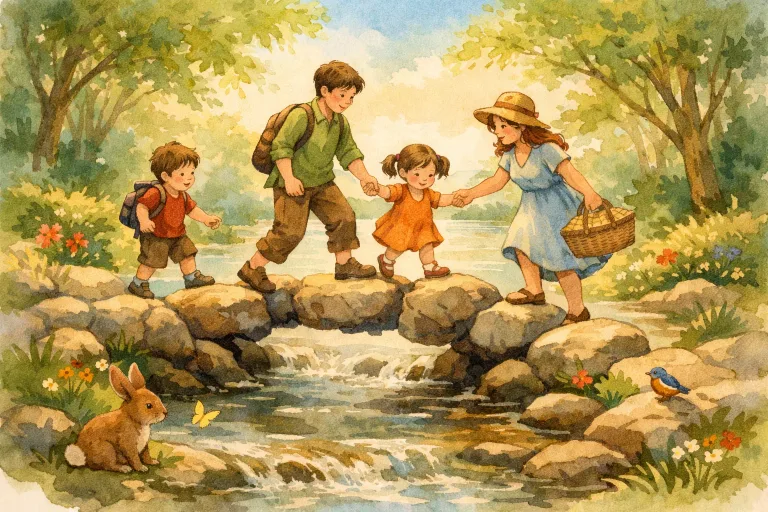
5 Cooperation Stories for Kids: Teamwork & Working Together
Discover five inspiring cooperation stories for kids that highlight the power of teamwork, sharing, and working together to achieve great goals. Perfect for classroom and family lessons.
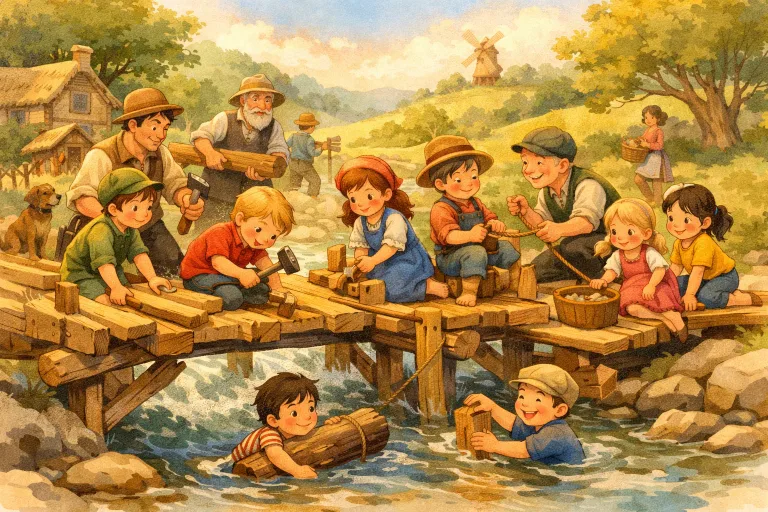
3 Teamwork Stories for Kids: Achieving Big Goals Together
Discover three inspiring teamwork stories for kids that teach valuable lessons about collaboration, sharing talents, and achieving big goals together through engaging narratives.
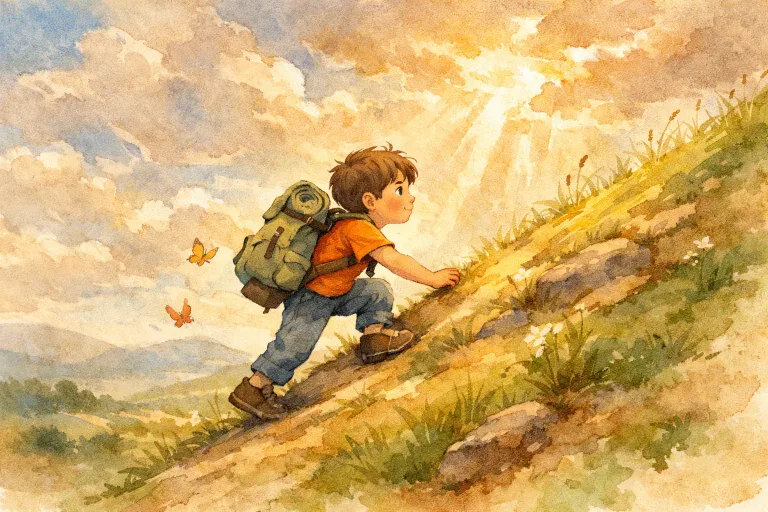
The Hard Work Secret: 5 Inspiring Perseverance Stories for Students
Discover five perseverance stories that encourage students to keep trying, embrace hard work, and never give up—perfect for classrooms and home reading.