
8 Laziness Stories for Kids: The Value of Hard Work & Effort

Have you ever noticed how sometimes children prefer to play instead of doing their chores or homework? While a little rest and fun are important, laziness can sometimes stop kids from reaching their full potential. Through simple stories, children learn why effort and persistence matter in life. These tales aren’t just entertaining—they carry valuable lessons on how working hard can lead to success, happiness, and self-confidence.
In this blog, we’ll explore some engaging laziness stories that teach children about the importance of effort. Stories like The Ant and the Grasshopper Story for Kids About Hard Work illustrate that being diligent and responsible can make a big difference. By understanding these morals early, children develop habits that help them succeed and grow into responsible individuals.
Why Laziness Matters
Laziness might seem harmless at first, but it can have real consequences on a child’s future. When kids choose not to put in effort, they might miss out on important opportunities to learn new skills or achieve their goals. Developing a habit of hard work and perseverance helps children build confidence, resilience, and a strong character. These qualities are essential for overcoming challenges and reaching their dreams.
Furthermore, laziness can lead to feelings of regret and disappointment later in life. If children learn early that effort brings rewards, they are more likely to develop a positive attitude towards work and responsibility. Stories like [The Little Red Hen Story for Kids About Hard Work and Care] highlight how dedication and teamwork can lead to success, even when others are lazy. Teaching children the value of effort helps them understand that their actions directly influence their future happiness and achievements.
Table of Contents
- The Ant and the Grasshopper Story for Kids About Hard Work
- The Little Red Hen Story for Kids About Hard Work and Care
- Bees and the Beetles: A Moral Story About Hard Work
- The Proud Rose Story for Kids About Humility and Kindness
- The Elephant and the Rope Story for Kids About Self-Belief
- How to Teach Empathy: 5 Powerful Anti-Bullying Stories for Kids
- Stories About Hard Work
- Practical Takeaways
- Conclusion
The Importance of Diligence: Stories About Laziness
Laziness might seem like an easy way out, but it often leads to missed opportunities, unfinished tasks, and regrets. Teaching children about the value of effort and perseverance can help them develop a strong work ethic that lasts a lifetime. This collection of stories aims to highlight how laziness affects lives and how choosing to work hard can bring happiness and success.
Story 1: The Little Ant Who Chose Rest
Once upon a time, in a bright green meadow, there was a tiny ant named Andy. Andy loved playing and lounging in the sun all day. "Why work so hard?" he wondered. "I can rest now and play later." So, Andy spent his days napping under leaves and wandering aimlessly.
Meanwhile, his friend Bella the ant was busy gathering food for the winter. She carried crumbs and seeds, working tirelessly from dawn to dusk. "You should join me," Bella said one day. "The winter is coming, and we need enough food."
Andy yawned. "I'm too tired today. I’ll start tomorrow."
As the days went by, Bella collected plenty of food, while Andy continued to rest. When winter arrived, the cold was fierce, and food was scarce. Bella had enough to eat and stayed warm. But Andy had no supplies and was hungry and freezing. He finally realized that resting all the time had cost him dearly.
From then on, Andy understood that work and effort are necessary for happiness and survival. Rest is good, but only after doing what needs to be done.
Moral: Hard work and perseverance are essential for future happiness. Laziness can lead to hardships.
Talk About It:
- Why do you think Andy chose to rest instead of working?
- What could Andy have done differently to avoid being hungry in winter?
- How can we balance work and rest in our own lives?
Story 2: The Lazy Rabbit and the Busy Squirrel
Once in a lush forest, there lived a curious squirrel named Sammy and a carefree rabbit named Robin. Sammy worked hard every day gathering nuts, climbing trees, and preparing for winter. Robin, on the other hand, often chose to nap and lounge in the grass.
One day, Robin saw Sammy with a big pile of nuts. "Why do you work so much? Come relax with me," Robin said.
But Sammy replied, "Winter is coming, and I need to be ready. If I don’t store enough food, I’ll be hungry and cold."
Robin yawned and skipped working that day. Days went by, and Robin’s friends began to worry. When winter arrived, Robin had very little food, while Sammy was snug and well-stocked.
Robin learned that laziness might feel comfortable now, but it has consequences later. From then on, Robin made a small effort to gather food, realizing that diligence brings security and comfort.
Moral: Preparing and working ahead ensures security and peace of mind.
Talk About It:
- What do you think Robin could do to avoid feeling hungry in winter?
- Why is it important to prepare ahead of time?
- How can working hard sometimes be more relaxing in the long run?

Story 3: The Forgotten Book
Lily loved reading stories more than anything. But she often left her homework and chores for later, thinking, "I’ll do it tomorrow." One day, her teacher announced a book report, and Lily hadn’t read the book yet.
She hurried and read the book in a rush, but she didn’t understand it well. When it was time to present, Lily was nervous and stumbled over her words. Her friends had finished their reports early and were proud of their work.
Lily felt sad because her laziness had made her unprepared. She promised herself to be more responsible and work on her tasks right away next time.
From that day, Lily learned that putting things off only creates stress and trouble. Doing small tasks today prevents big problems tomorrow.
Moral: Laziness now can lead to frustration later. Doing your tasks promptly makes life easier.
Talk About It:
- Have you ever left something for later and regretted it?
- How does finishing tasks early help you feel better?
- What can you do today to avoid last-minute stress?

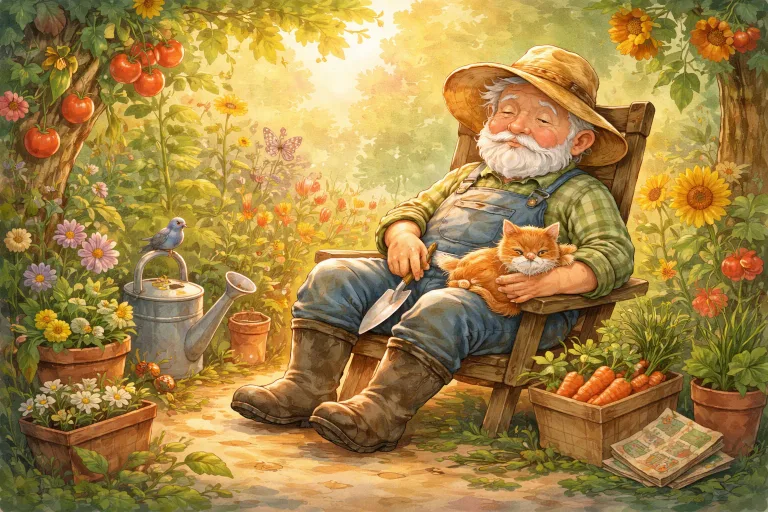
Story 4: The Sleepy Gardener
Mr. Green, the gardener, loved planting flowers and vegetables. But he often took long naps during the day and skipped watering the plants. "They look fine without me," he thought.
One summer, the plants started to wither because they weren’t cared for properly. The vegetables didn’t grow, and the flowers lost their color. Mr. Green realized his laziness had hurt his garden.
He decided to change. Every morning, he woke up early, watered the plants, and pulled weeds. Soon, his garden blossomed with vibrant flowers and ripe vegetables.
Mr. Green learned that taking responsibility and working steadily makes everything better. Laziness can spoil even the most beautiful things.
Moral: Consistent effort keeps things thriving. Laziness can ruin hard work.
Talk About It:
- Why did Mr. Green’s garden suffer?
- How does working regularly help keep things beautiful?
- What small chores can you do today to help at home or school?
Story 5: The Mountain of Dirty Dishes
Mom always told Tim to wash his dishes after meals. But he was lazy and left them in the sink. One day, the dish pile became a huge mountain, and there was no clean plate left.
Mom was upset, and Tim had to spend hours cleaning the mess. He realized that his laziness caused more work and stress for everyone.
From then on, Tim made a habit of washing his dishes right after eating. His life became easier, and his home stayed tidy.
He learned that small efforts regularly prevent big problems later.
Moral: Doing small tasks right away saves effort and trouble.
Talk About It:
- Why did Tim’s laziness cause him more work?
- How can doing chores right after they’re due help?
- What chores are you responsible for at home?

Story 6: The Boy Who Never Mopped
Jon hated mopping the floor. He’d always say, "I’ll do it tomorrow," but tomorrow became next week. Eventually, his parents asked him to clean the whole house because it was so dirty.
Jon felt overwhelmed. Instead of mopping little by little, he struggled to clean everything at once. Afterward, he promised himself to be more responsible and do chores regularly.
He learned that taking small steps every day makes chores easier and less stressful.
Moral: Regular effort makes big tasks manageable.
Talk About It:
- Why is it better to do chores little by little?
- Have you ever had to clean a big mess? How did it feel?
- What chores can you do regularly at home or school?

Story 7: The Girl Who Loved to Procrastinate
Sara always delayed her homework, hoping she’d do it later. When the deadline came, she rushed through her work and didn’t do her best. She got a lower grade than she wanted.
Sara learned that procrastination can ruin chances to do well. She decided to start her homework right away from then on and found that she could do her best without stress.
She discovered that being responsible and starting tasks early makes life happier and less hurried.
Moral: Waiting until the last minute often leads to poor results. Doing things early helps you succeed.
Talk About It:
- Why is it better to start homework early?
- How does procrastinating affect your work?
- What could you do today to avoid last-minute rushes?

Story 8: The Lazy Bird and the Wise Owl
Oliver the bird loved to sleep all day and rarely practiced flying or building his nest. Meanwhile, Wise Owl advised him to practice and work hard if he wanted to soar high and have a cozy home.
One day, a storm came, and Oliver wasn’t ready. His weak flying and unprepared nest couldn’t keep him safe. The wise owl had prepared and survived comfortably.
Oliver realized that laziness made him vulnerable. From that day, he practiced flying and worked on his nest every day.
He learned that effort and practice are keys to safety and success.
Moral: Hard work and preparation protect us and help us thrive.
Talk About It:
- Why was Oliver unprepared for the storm?
- How does practicing help us improve?
- What are some things you can practice or prepare for each day?

Practical Takeaways
- Laziness can lead to missed opportunities and unnecessary stress.
- Starting tasks early and working steadily makes things easier.
- Responsibility and effort ensure safety, happiness, and success.
- Rest is important, but only after doing what needs to be done.
- Building good habits helps us achieve our goals more easily.

Conclusion
Laziness might feel tempting in the moment, but it often comes with consequences that can affect our happiness and success. Teaching children about the importance of effort, discipline, and responsibility helps them develop strong character and good habits that last a lifetime. Remember, the key is balance—work hard, rest when needed, and always strive to do your best.
Continue Exploring Moral Stories
Discover animated moral stories, browse by category, or find age-appropriate reads for your family.
You May Also Like
7 Perseverance Stories for Kids: Lessons on Never Giving Up
Discover inspiring perseverance stories for kids that teach resilience, determination, and never giving up. Perfect for parents and teachers to inspire young minds.

8 Discipline Stories for Kids: Building Habits & Self-Control
Discover 8 inspiring discipline stories for kids that teach the importance of routines, self-control, and good habits. Perfect for parents and teachers!

4 Responsibility Stories for Kids: Lessons on Ownership
Discover inspiring responsibility stories for kids that teach accountability, ownership of actions, and pride in completing daily duties. Perfect for parents and teachers!
The Hard Work Secret: 5 Inspiring Perseverance Stories for Students
Discover five perseverance stories that encourage students to keep trying, embrace hard work, and never give up—perfect for classrooms and home reading.