
Stepping Stones: 5 Inspiring Success Stories on Hard Work for Youth
Growing up means facing new challenges—tests, sports, friendships, and dreams about the future. Sometimes, it can feel like the path to success is hidden behind a wall of obstacles. But what if those obstacles are actually stepping stones? Throughout history and in beloved stories, young people have turned hard work into triumph. These inspiring tales—both real and retold—show how dedication, effort, and perseverance help youth reach their goals. Whether you’re a student, a parent, or a teacher, these stories are powerful reminders that effort matters more than talent alone.
Table of Contents
- Why Hard Work Matters: Lessons for Youth
- Story 1: The Ant and the Grasshopper (Traditional Retelling)
- Story 2: Wilma Rudolph—Overcoming the Impossible
- Story 3: The Little Red Hen (Traditional Retelling)
- Story 4: Malala Yousafzai—Persistence for a Purpose
- Story 5: Bees and the Beetles (Moral Story)
- How Teens and Students Can Build Their Own Success
- More Stories of Perseverance and Hard Work
- Printable Reflection Questions
Why Hard Work Matters: Lessons for Youth
Everyone wants to succeed, but many young people wonder: What does it really take? Is it talent, luck, or something else? The answer, proven time and again, is that consistent effort and hard work lay the foundation for enduring success. Talent may give you a head start, but discipline and perseverance take you to the finish line. These are skills that anyone can build, regardless of where you begin.
Let’s explore five stories—three based on classic moral tales and two true-life accounts—that demonstrate how hard work can turn dreams into reality.
Story 1: The Ant and the Grasshopper (Traditional Retelling)
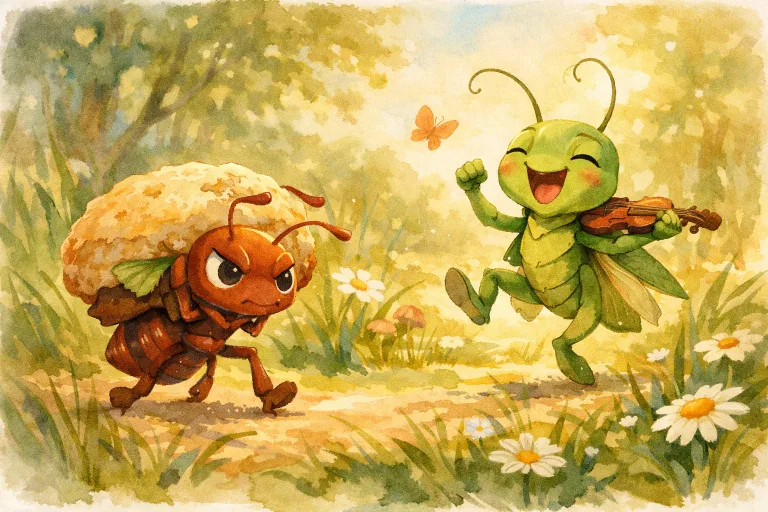
Every summer, the ant worked hard, carrying food back to his nest. The grasshopper, meanwhile, danced and sang, laughing at the ant’s busy ways. “Why do you work so hard?” the grasshopper teased. “Summer is for fun!”
But the ant kept working, day after day, while the grasshopper enjoyed the sunshine. When winter arrived, the world turned cold and food became scarce. The ant rested in his cozy home, his cupboards full. But the grasshopper, who had not prepared, found himself hungry and alone.
The story’s lesson? Those who work hard and plan ahead reap the rewards, while those who only seek immediate pleasure may struggle later on.
Read the full version and explore the moral in The Ant and the Grasshopper Story for Kids About Hard Work.
Takeaway for Teens
- Consistent effort, even when it’s not exciting, builds future security and opportunities.
Story 2: Wilma Rudolph—Overcoming the Impossible
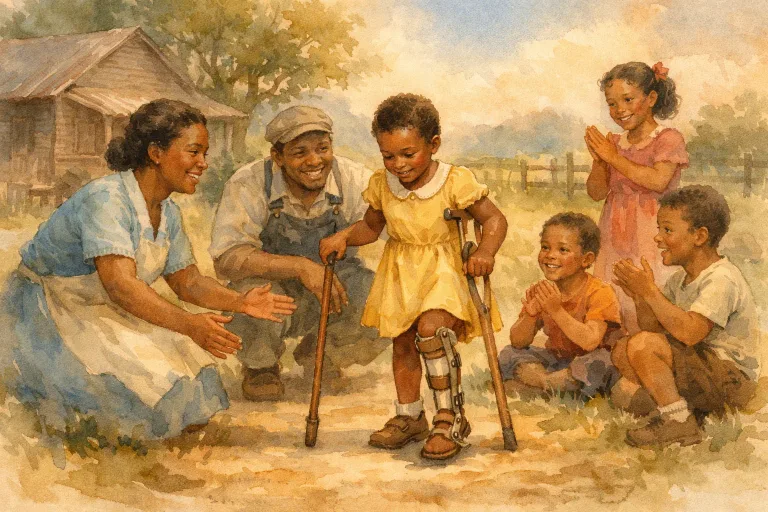
Wilma Rudolph’s story is one of the most remarkable examples of perseverance in sports history. Born in 1940 in Tennessee, Wilma faced enormous challenges from the start. She was sickly as a child and contracted polio, which left her leg paralyzed. For years, she wore a heavy brace and was told she might never walk again, let alone run.
But Wilma’s mother encouraged her to believe in herself and to work hard every day. With family support and her own fierce determination, Wilma slowly regained strength. She practiced walking—then running—until she joined her high school track team. Even then, she was often the slowest at first. But she trained harder than anyone else, waking up early to practice and never giving up, even when others doubted her.
By 1960, Wilma Rudolph made history at the Rome Olympics, winning three gold medals and becoming the fastest woman in the world. Her journey from a small town and a childhood disability to Olympic glory is a shining example for all youth.
Takeaway for Teens
- Obstacles are real, but with determination and daily effort, even the most unlikely dreams can come true.
Story 3: The Little Red Hen (Traditional Retelling)
One day, the little red hen found some grains of wheat. “Who will help me plant these?” she asked her friends—the cat, the dog, and the duck. “Not I,” said the cat. “Not I,” said the dog. “Not I,” said the duck.
So the little red hen planted the wheat herself. She watered and cared for it, harvested the golden stalks, and ground them into flour. Each time she asked for help, her friends refused.
Finally, when the warm, fragrant bread was ready, everyone wanted a slice. But the little red hen reminded them, “You didn’t help me plant, water, harvest, or bake. So I will eat the bread myself.”
This classic story teaches that those who put in the work deserve to enjoy the rewards.
Read more about the lesson of self-reliance and teamwork in The Little Red Hen Story for Kids About Hard Work and Care.
Takeaway for Teens
- Effort and initiative lead to real results; relying on others to do the work won’t bring lasting rewards.
Story 4: Malala Yousafzai—Persistence for a Purpose
Malala Yousafzai grew up in Pakistan, where girls faced obstacles to getting an education. Instead of accepting this, Malala spoke out. She wrote a blog, gave speeches, and urged girls everywhere to value their schooling. But her bravery came at a cost—when she was just 15, she was attacked for speaking up.
Many people would have given up, but Malala’s commitment only grew stronger. She recovered from her injuries and continued her fight for girls’ education, inspiring millions around the world. In 2014, Malala became the youngest-ever Nobel Peace Prize laureate.

Malala’s journey isn’t just about academic success; it’s about the power of standing up for what’s right, even when it’s risky or difficult.
Takeaway for Teens
- Hard work isn’t just about grades or trophies; sometimes it’s about making a difference, even when the world seems against you.
Story 5: Bees and the Beetles (Moral Story)
In a lush green meadow, a colony of bees worked from sunrise to sunset, building hives and gathering nectar. Beetles nearby scoffed at the bees’ constant efforts. “Why do you work so hard? There’s plenty to eat!” they laughed.
But the bees knew that flowers would not last forever. They stored honey, prepared their hives, and helped one another. When a storm came and the flowers vanished, the beetles searched desperately for food. The bees, thanks to their diligence, had enough for everyone—and even shared with the beetles, teaching them the value of teamwork and preparation.
This story, a gentle reminder for all ages, shows that hard work not only helps us survive tough times but can also inspire kindness and generosity.
Discover this and more stories in Stories About Hard Work and read the full version in Bees and the Beetles: A Moral Story About Hard Work.
Takeaway for Teens
- Hard work benefits the group as well as the individual; it creates opportunities to help others in need.
How Teens and Students Can Build Their Own Success
Reading these stories is inspiring—but what about your own life? Here are a few practical tips for teens and students who want to make hard work a habit:
1. Set Small Goals
Break big dreams into smaller, achievable steps. Celebrate each milestone. For example, if you want to improve your grades, focus on completing homework every night.
2. Build Routines
Consistent habits—like daily reading, regular exercise, or practicing a skill—are more important than bursts of motivation. Even 15 minutes a day can add up.
3. Embrace Failure as a Stepping Stone
Every champion has failed many times. The key is to learn from mistakes and keep moving forward. Think of setbacks as part of the journey.
4. Seek Support and Inspiration
Surround yourself with people who encourage you to do your best. Read more motivational stories for teenagers or talk with mentors, teachers, or friends.
5. Help Others Along the Way
Just like the bees, sharing your skills and supporting others builds a stronger community. Teamwork can make big challenges easier to tackle.
For more real-world examples, explore The Hard Work Secret: 5 Inspiring Perseverance Stories for Students.

More Stories of Perseverance and Hard Work
If you enjoyed these tales, here are a few more to inspire you or your students:
- Labor Day Story for Kids: Tim Learns the Value of Hard Work
- The Three Little Pigs Fairy Tale for Kids About Hard Work
- Lazy Donkey Who Finally Helped: A Moral Story on Hard Work
- Navigating Peer Pressure: 5 Impactful Moral Stories for Teenagers
And explore Animal Stories for Kids, which are filled with fun, memorable lessons about perseverance and creativity.
Printable Reflection Questions
Invite students or children to reflect on these stories and apply their lessons to life. Use these questions for group discussion, writing prompts, or personal journaling:
- Think about a time when you had to work hard for something you wanted. What helped you keep going?
- In the story of Wilma Rudolph, she faced many setbacks. Have you ever faced a challenge that seemed too big? How did you respond?
- The Little Red Hen teaches about self-reliance. Why is it important to take initiative, even if others don’t help?
- Malala Yousafzai worked for a cause she believed in. Is there something important to you that you’d like to change or improve in your school or community?
- The bees worked together and helped the beetles. How can teamwork make hard work easier?
- What does the ant’s story teach us about planning for the future?
- Who inspires you to work hard, and why?
- What habits or routines could you start today to help you reach a goal?

Final Thoughts
Success isn’t built overnight—and it isn’t just for the luckiest or most talented. It belongs to those who show up, work hard, and keep going even when the path is steep. Whether you’re building a science project, learning a new instrument, or dreaming of changing the world, remember these stories as stepping stones on your journey.
For even more encouragement and practical ideas, check out our full Stories About Hard Work collection and discover The Hard Work Secret: 5 Inspiring Perseverance Stories for Students.
Continue Exploring Moral Stories
Discover animated moral stories, browse by category, or find age-appropriate reads for your family.
You May Also Like
The Hard Work Secret: 5 Inspiring Perseverance Stories for Students
Discover five perseverance stories that encourage students to keep trying, embrace hard work, and never give up—perfect for classrooms and home reading.
Navigating Peer Pressure: 5 Impactful Moral Stories for Teenagers
Explore five meaningful stories for teens that reveal how to handle peer pressure, stay true to values, and make courageous choices.
5 Self-Reliance Stories for Kids: Independence & Effort
Learning to be self-reliant helps children build confidence, solve problems independently, and face challenges with courage and resilience.
4 Resourcefulness Stories for Kids: Making Do With Minimal Tools
Charlie builds a bridge using twigs and leaves, showing that resourcefulness involves thinking creatively and using available tools to solve problems.