
Navigating Peer Pressure: 5 Impactful Moral Stories for Teenagers
Peer pressure is a reality every teenager will face—at school, online, or even among close friends. The pressure to fit in, go with the crowd, or make decisions that don't reflect your true self can feel overwhelming. Stories have the power to give teens a safe way to explore tough choices, learn from mistakes (without facing the real-world consequences), and start conversations about what it means to act with integrity.
In this article, you'll find five original and adapted stories focused on teenagers navigating peer pressure. Each story is followed by discussion points for families and teachers. Whether you're a teen, a parent, or an educator, you'll find ideas here for building resilience, confidence, and character.
Table of Contents
- Why Moral Stories Matter for Teens
- Story 1: The Lost Phone Dilemma
- Story 2: The Science Fair Pact
- Story 3: The Star Player's Choice
- Story 4: The Secret Group Chat
- Story 5: The Stand at the Lunch Table
- How to Start Conversations About Peer Pressure
- Further Reading: Inspiring Moral Stories for Teens
Why Moral Stories Matter for Teens
Teenagers crave independence and belonging in equal measure. Navigating friendships, new experiences, and the pressure to conform can make moral choices especially complex. Stories provide:
- Empathy: Teens see themselves in characters facing dilemmas they recognize.
- Distance: They can reflect on difficult situations safely.
- Guidance: Stories model values like courage, honesty, and self-respect.
Internalizing these lessons helps young people become confident, resilient adults, equipped to make choices rooted in their true values—even when those choices aren't easy.
Story 1: The Lost Phone Dilemma
Characters: Maya, Jordan, their friends
The Story
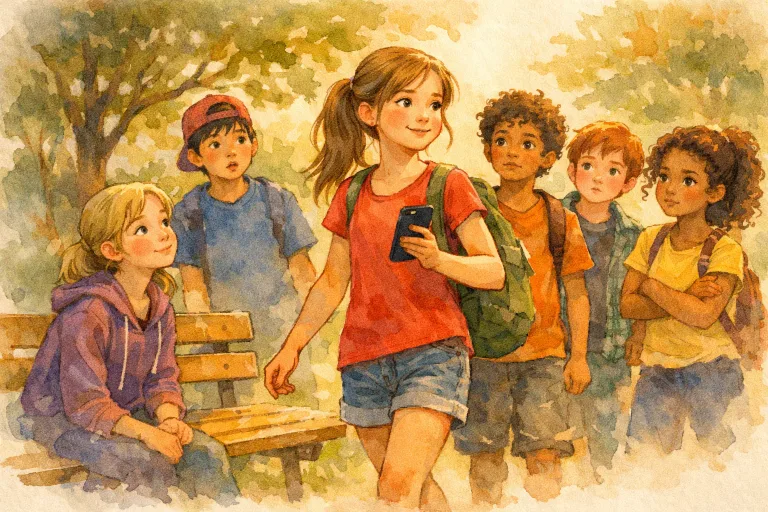
Maya and Jordan, best friends since kindergarten, are hanging out after school when they spot a brand-new phone on a bench in the park. They pick it up. The screen shows messages—someone is clearly looking for it.
Jordan suggests, "Let’s take it to the lost and found."
But one of their friends, Tyler, laughs. "Are you kidding? That thing is top-of-the-line! We could keep it for a few days, play games, or even sell it."
Maya hesitates. She knows what’s right, but Tyler’s idea sounds exciting. Everyone is watching her, waiting for her decision.
She looks at Jordan. He quietly says, "It’s not ours. I think we should do the right thing."
Maya squares her shoulders and turns to the group. "Let’s turn it in. Imagine how worried you’d be if you lost something that important."
Tyler rolls his eyes, but with Maya so sure, the rest agree. They return the phone to the lost and found. That evening, Maya receives a text from an unknown number: “Thank you so much for returning my phone—You saved all my photos and contacts. You’re awesome!”
Moral
Doing the right thing may not always impress everyone, but your conscience knows when you’ve made the best choice.
Discussion Points
- When have you felt pressured to make a choice you weren’t comfortable with?
- What can you do when friends suggest something you know is wrong?
- How might Maya and Jordan have felt if they went along with Tyler?
For more stories about honesty and integrity, see our Honesty Moral Stories collection.
Story 2: The Science Fair Pact
Characters: Olivia, Priya, Devon
The Story
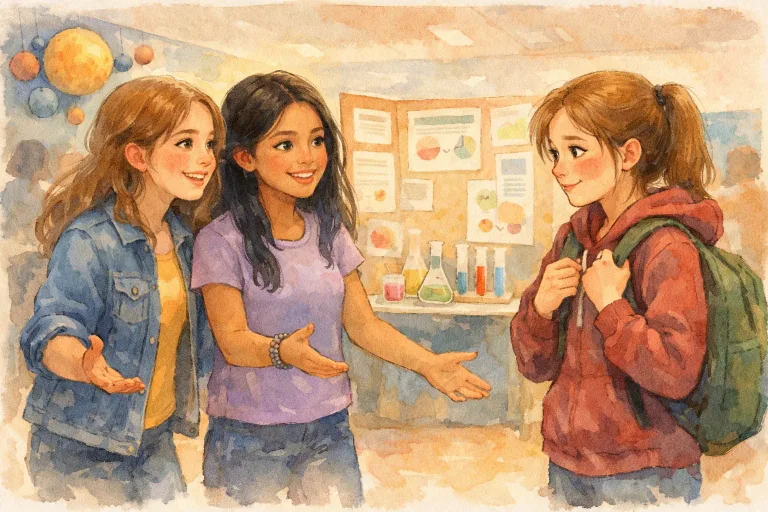
It's science fair season at Westbrook High. Olivia and Priya have been working for weeks on their project. When Devon, their other group member, stops showing up to meetings, Priya gets frustrated.
"If Devon can't be bothered, why should we put her name on our project?" Olivia asks.
The night before the fair, Priya suggests, "Let’s just submit it without her. She didn’t help."
But Devon messages them: “Sorry for missing out—my dad’s been really sick. I understand if you want to drop me.”
Faced with the truth, the girls remember their pact to always support each other. They decide to include Devon, explaining her situation to the teacher. The group receives honorable mention, and Devon thanks her friends for giving her kindness instead of caving to frustration.
Moral
True friends support each other, especially when life gets tough. Peer pressure shouldn’t override compassion and honesty.
Discussion Points
- What would you have done in Olivia and Priya’s position?
- Is it ever okay to leave someone out to get ahead?
- How can you balance fairness with empathy?
Want more stories about friendship and support? Explore our Friendship Moral Stories.
Story 3: The Star Player’s Choice
Characters: Marcus, Coach Ramirez, Basketball Team
The Story
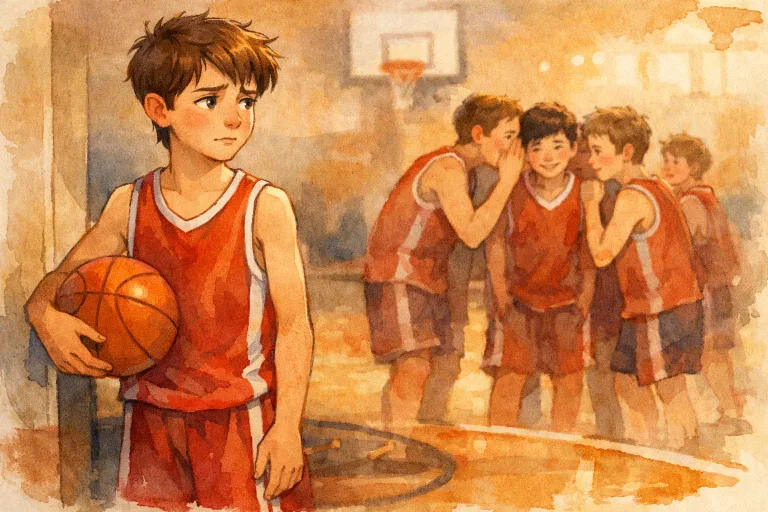
Marcus, the basketball team’s star shooter, overhears some players planning to cheat in the next game. “It’s no big deal—everyone does it. We just need the win," one teammate whispers.
Marcus is torn. If he speaks up, he might lose his friends. If he stays silent, he’ll have to live with the secret.
During practice, Coach Ramirez reminds the team, “Winning is great, but integrity lasts longer.” That night, Marcus can’t sleep.
The next morning, Marcus approaches Coach privately. "Some of the guys are planning to break the rules. I don’t want to let the team down, but I can’t go along with it."
Coach handles it discreetly, and the issue is stopped before the game. The team doesn’t cheat. They don’t win, but they play an honest game. Afterwards, some teammates thank Marcus for his courage—even if it wasn’t easy.
Moral
Standing up for what’s right takes courage—even when it means risking popularity.
Discussion Points
- What would you do in Marcus’s place?
- Have you ever been asked to go along with something you knew was wrong?
- How can you be brave in the face of peer pressure?
For more examples of courage, browse our Stories About Courage.
Story 4: The Secret Group Chat
Characters: Alina, classmates
The Story
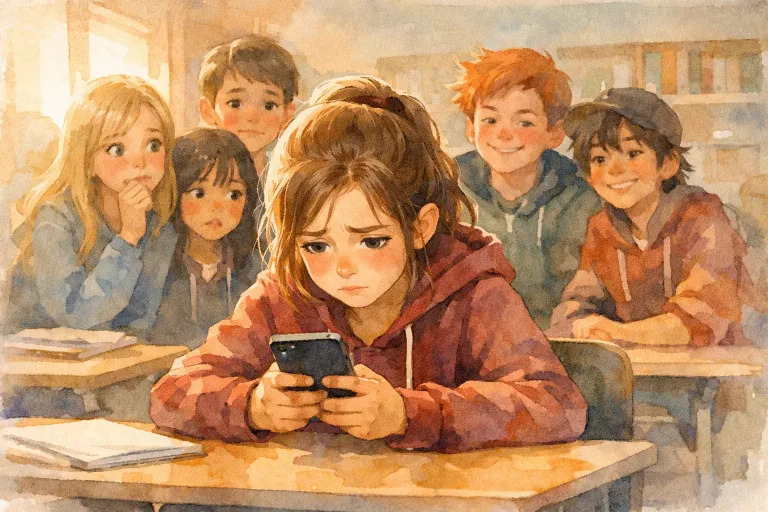
Alina is added to a secret group chat with some of her classmates. At first, it’s just memes and jokes. But soon, the tone changes. Someone shares an embarrassing photo of a classmate. The group laughs. More mean-spirited messages follow.
Alina feels uncomfortable. She knows it’s wrong, but the group is popular—they could turn on her next. She hesitates, then types: “Hey, this isn’t cool. Imagine if this was you.”
Some classmates leave the group chat. Others thank Alina later for standing up. The bullying stops, and Alina discovers she’s not alone—others were uncomfortable too.
Moral
It only takes one person to change the tone of a group. Peer pressure can be used for good when someone speaks up.
Discussion Points
- Would you have spoken up if you were Alina?
- Why is it so hard to stand up to a group?
- What’s the difference between being a bystander and being an upstander?
For more on empathy and kindness, see our Kindness Moral Stories.
Story 5: The Stand at the Lunch Table
Characters: Evan, Leah, diverse group of students
The Story
Evan sits at lunch with his usual group, laughing as the conversation turns to teasing a new student, Leah, for her accent and clothes. The laughter grows, but Evan feels uncomfortable—he remembers his own first day at school.
When the teasing gets harsh, Evan stands up. "Why are we picking on her? Everyone deserves to feel welcome." There’s silence. Someone mutters, "Relax, it’s just a joke."
Evan moves his tray, sits next to Leah, and starts a conversation. A few others follow. Leah smiles with relief. The next week, more students join them, and the lunchtime teasing stops.
Moral
Standing up for others can inspire change—sometimes all it takes is one brave step.
Discussion Points
- What risks did Evan take by standing up?
- How can you support someone who’s being excluded or teased?
- Why is it sometimes easier to go along with the group, even if you feel bad about it?
See more stories about empathy and friendship in Life Lessons Stories.
How to Start Conversations About Peer Pressure
These stories aren’t just entertainment—they’re tools for building empathy and resilience. Use them to open honest discussions with teens:
- Ask open-ended questions: “What would you have done?”
- Share your own experiences (parents/teachers): Teens appreciate honesty from adults.
- Role-play scenarios: Practice saying "no" or speaking up.
- Encourage reflection: Journaling or discussing how peer pressure shows up in daily life.
If you’re looking for more quick moral stories for busy days, check out our 5-Minute Bedtime Stories With Morals.
Further Reading: Inspiring Moral Stories for Teens
- Stories for Children Age 11–14: Short stories and discussion questions designed for older kids and preteens.
- 10 Quick 2-Minute Moral Stories Perfect for School Morning Assembly: Use these for quick inspiration.
- Deep Life Lessons: 7 Thought-Provoking Short Stories with Morals for Adults: For high schoolers ready for deeper reflection.
Facing peer pressure is tough, but stories like these remind us all—teens, parents, and teachers alike—that every choice is an opportunity to grow. Standing up for what’s right, even when it’s hard, is a superpower worth practicing every day.
Continue Exploring Moral Stories
Discover animated moral stories, browse by category, or find age-appropriate reads for your family.
You May Also Like
Stepping Stones: 5 Inspiring Success Stories on Hard Work for Youth
Discover five true and classic stories that show how dedication and perseverance can help youth achieve their dreams. Perfect for inspiring teens and students.
How to Teach Empathy: 5 Powerful Anti-Bullying Stories for Kids
Empathy can be taught. Use these five anti-bullying stories to help children understand kindness, inclusion, and the courage to stand up for others.

8 Gossip Stories for Kids: The Danger of Spreading Rumors
Gossip can hurt feelings and break trust. Learning to share kindly and respect others' secrets helps build stronger, happier relationships.
5 Peer Pressure Stories for Kids: Resisting Bad Influence
Discover 5 inspiring peer pressure stories for kids that teach how to say no, stand firm, and uphold personal values. Empower children to resist negative influences.