
The Bamboo Cutter's Honest Promise: A Traditional Japanese Moral Story for Kids
The Bamboo Cutter's Honest Promise
Long ago, in a quiet village nestled at the foot of Japan’s misty green mountains, there lived a humble bamboo cutter named Taketaro. Every morning, Taketaro greeted the rising sun with a deep bow, picked up his sharp knife, and walked into the thick bamboo forest. The emerald stalks towered above him, their leaves whispering like gentle rain. Taketaro was known throughout the village for his honesty. What he found in the forest, he brought home to his wife, Hana, and together they lived simply but happily.
Taketaro and Hana had no children of their own, but their hearts were full of kindness and hope. They found joy in each other’s company and in the gentle rhythm of their days. The people of the village respected Taketaro, not just for his skill with the knife, but for his unwavering truthfulness. Whether he found a large bundle of bamboo or only enough for a single basket, he always told Hana the truth about his day, and together they made the best of everything.
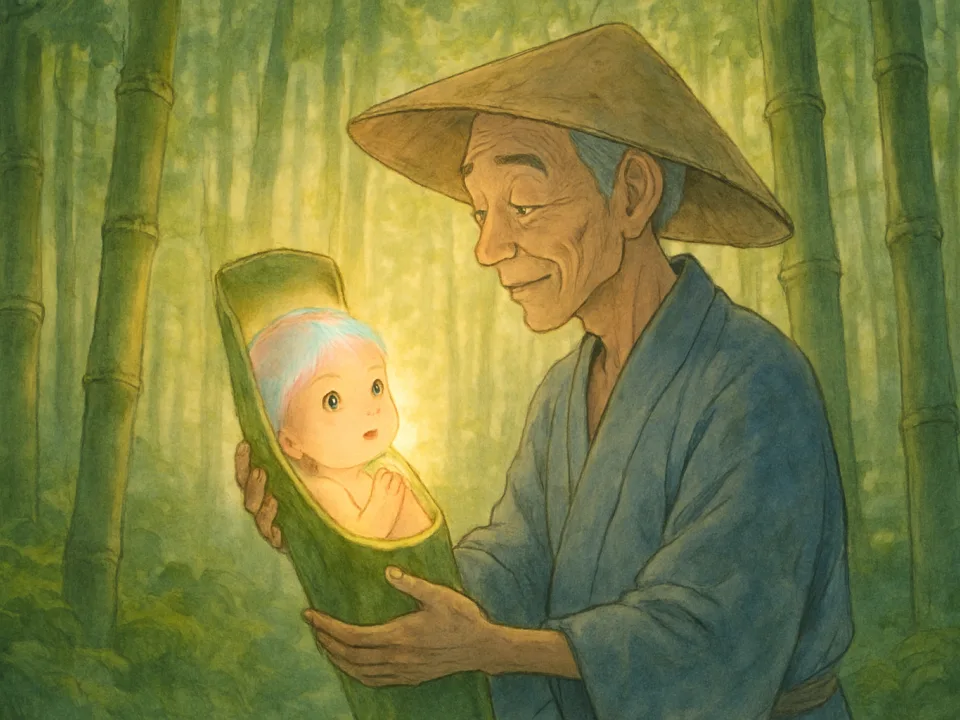
One crisp spring morning, Taketaro set out as usual. Sunlight danced on the dew as he hummed a cheerful tune. With a practiced hand, he cut the sturdiest stalks for basket-making and firewood. Suddenly, something unusual caught his eye. One bamboo stalk seemed to glow softly, as if touched by moonlight. Taketaro’s heart fluttered. He gently sliced the stalk open, and to his astonishment, discovered a tiny, radiant baby girl nestled inside, wrapped in silken cloth.
Taketaro blinked in wonder. He cradled the infant, her cheeks rosy and eyes bright with curiosity. He hurried home to Hana, who gasped with amazement and joy. "She must be a blessing from the bamboo spirits," whispered Hana, her eyes brimming with happy tears.
The couple named the baby Kaguya, meaning "radiant night." She grew quickly—by sunset, she already looked a year old! Neighbors marveled at her beauty and gentle ways. Despite their astonishment, Taketaro remained as honest as ever. He refused to take gifts or money from villagers who wished to see Kaguya, politely saying, "She is our joy, but not a spectacle."
Each day, Taketaro returned to the bamboo forest. After Kaguya’s arrival, his knife seemed to find more than just bamboo. In many stalks, he discovered shimmering gold coins. He brought these home, and soon he and Hana had enough to repair their cottage and share with their neighbors. When asked about his sudden fortune, Taketaro told the simple truth: "The bamboo has been generous since Kaguya came."
The seasons changed, and Kaguya grew into a graceful young girl, wise and gentle beyond her years. She loved to listen to the songs of birds and watch the sunbeams flicker through the bamboo. Hana taught her how to weave baskets, and Taketaro shared stories of the forest. Their lives were peaceful, filled with laughter and warmth.
But Taketaro, despite his joy, felt a secret worry take root in his heart. He could not forget the day he found Kaguya, and wondered if she was meant for something greater. Sometimes, as he watched her gaze wistfully at the full moon, he sensed a hidden sadness within her. Still, he honored her space, never forcing her to speak of things she was not ready to share.
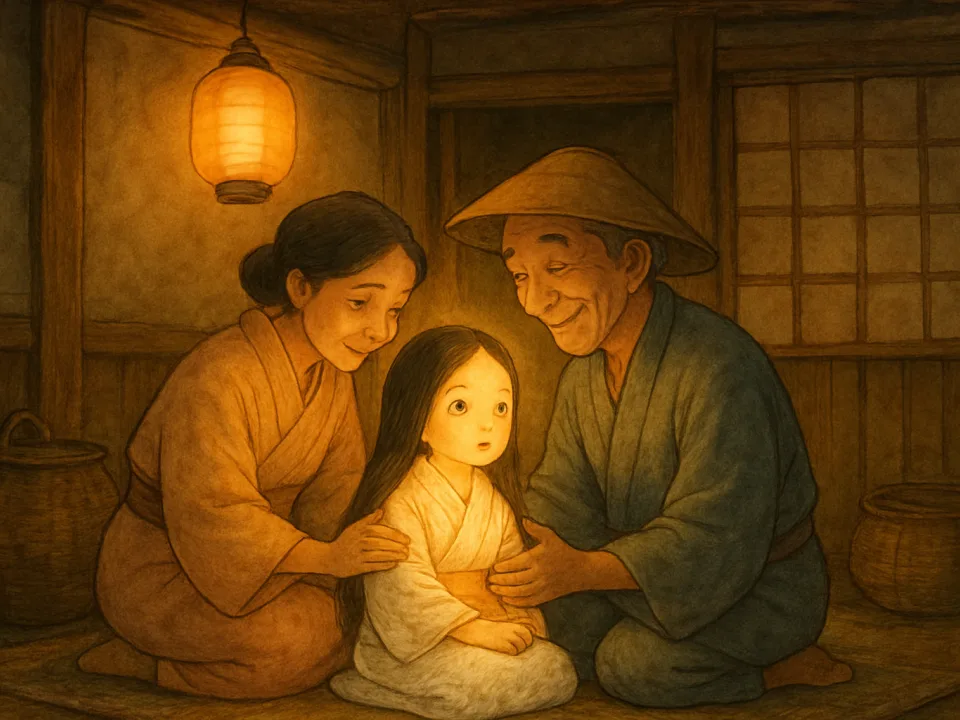
One moonlit night, as crickets sang outside, Taketaro sat by Kaguya’s side. "My dear daughter," he said softly, "I promised the forest spirits that I would care for you as my own, and I have. But if you ever need to go where you truly belong, I promise to let you go, no matter how much it hurts. I will always keep my word."
Kaguya’s eyes sparkled with gratitude and sadness. She hugged Taketaro tightly, whispering, "Thank you for your honest promise. I am happy here, but sometimes I feel a longing I cannot explain."
The years passed, and Kaguya became known throughout the village for her wisdom and kindness. She helped neighbors in need, tended to the sick, and shared her laughter with children. The once-quiet home of Taketaro and Hana was now filled with friends and visitors, all drawn by the gentle light that seemed to shine from within Kaguya herself.
As Kaguya blossomed into a beautiful young woman, word of her beauty and grace spread far beyond the village. Suitors arrived from distant lands, bringing rich gifts and flowery poems. Some brought dazzling jewels, others rare silks and fragrant teas. But Kaguya always answered kindly, "I am grateful for your words, but my heart belongs to my family and my village."
The suitors tried to impress her with clever riddles and heroic tales, hoping to win her heart. Yet, Kaguya remained gentle but firm. She spent her days in the bamboo grove, weaving baskets and singing with the birds, happier in the simple joys of life than in the riches and flattery offered to her.
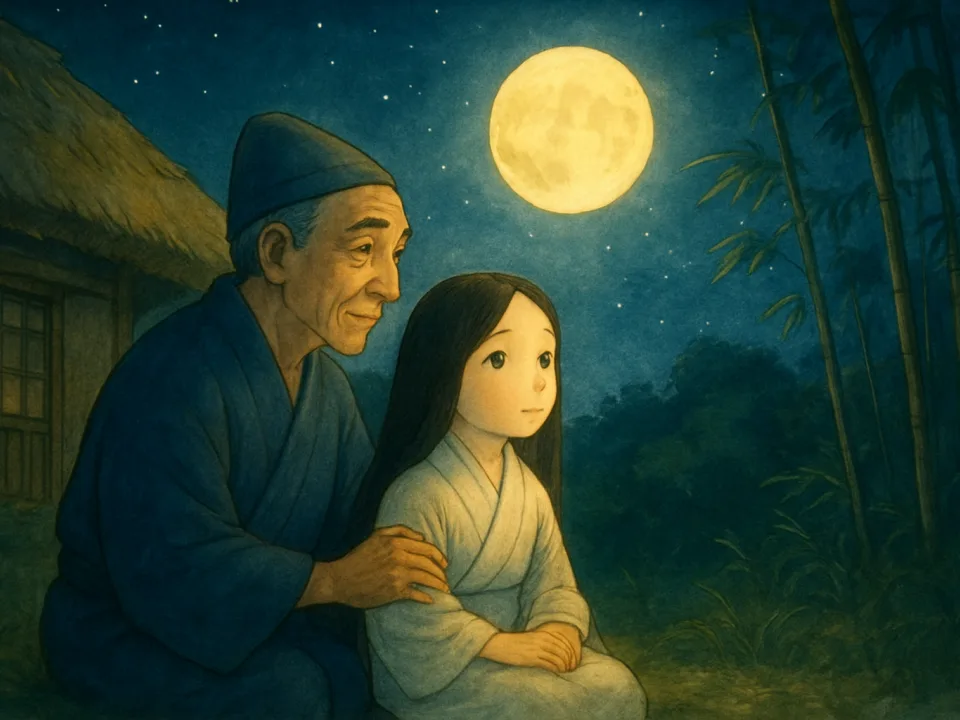
One evening, after the last suitor had departed, Kaguya sat quietly on the porch, gazing at the full moon. A silvery tear slipped down her cheek. Taketaro, noticing her sadness, asked, "What troubles you, my child?"
Kaguya sighed. "Father, I came from the Moon Kingdom. The bamboo spirits sent me to learn kindness and love among humans. Soon, I must return. I am scared to leave, but I know it is time."
Taketaro felt his heart break, but he remembered his promise. He swallowed his sorrow and nodded bravely. "My dear Kaguya, I gave my word to care for you, and now, I keep my promise by letting you go."
Hana wept, holding Kaguya close. "You have brought us so much happiness, my child. No matter where you go, our love will follow you."
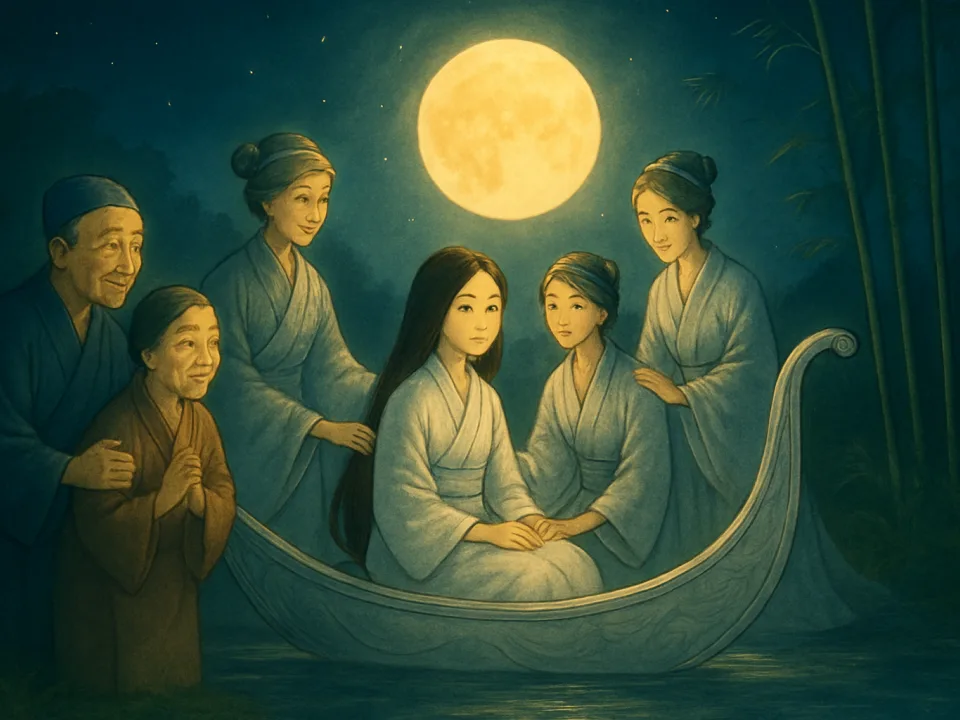
The days passed quickly as the next full moon approached. The villagers sensed something special was about to happen. On the night of the full moon, a gentle carriage of silvery light floated down from the sky. Moon maidens in shimmering robes emerged, their faces kind but distant. The air shimmered with magic, and the bamboo forest glowed beneath the moon’s gaze.
Kaguya turned to her parents and hugged them tightly. "Thank you for loving me and keeping your promises. I will remember you always."
With tears, Taketaro and Hana watched as Kaguya stepped onto the moon carriage. The villagers gathered, silent in awe. Just before the carriage soared away, Kaguya held out a glowing bamboo leaf. "As long as you keep your promises and stay honest, happiness will return to you, even when times are hard."
The moon carriage rose, carrying Kaguya into the sky. Taketaro and Hana felt both sorrow and joy—they had kept their promise, and in doing so, honored the love that joined their family.
From that day, Taketaro’s honesty was known throughout the land. He helped his neighbors, shared his fortune, and comforted those in need. The villagers noticed that the bamboo forest remained green and generous, and that happiness always found its way back to Taketaro’s little cottage.
Even though Kaguya was gone, her spirit seemed to linger in the village. On clear nights, the moon would shine a little brighter, and the bamboo leaves shimmered with a silver glow. Taketaro and Hana would sit together, looking up at the sky, grateful for the time they had shared with their radiant daughter. Their hearts, though touched by sadness, were filled with pride and peace, knowing that they had kept their honest promise and shown the world the power of love and integrity.

Related Stories
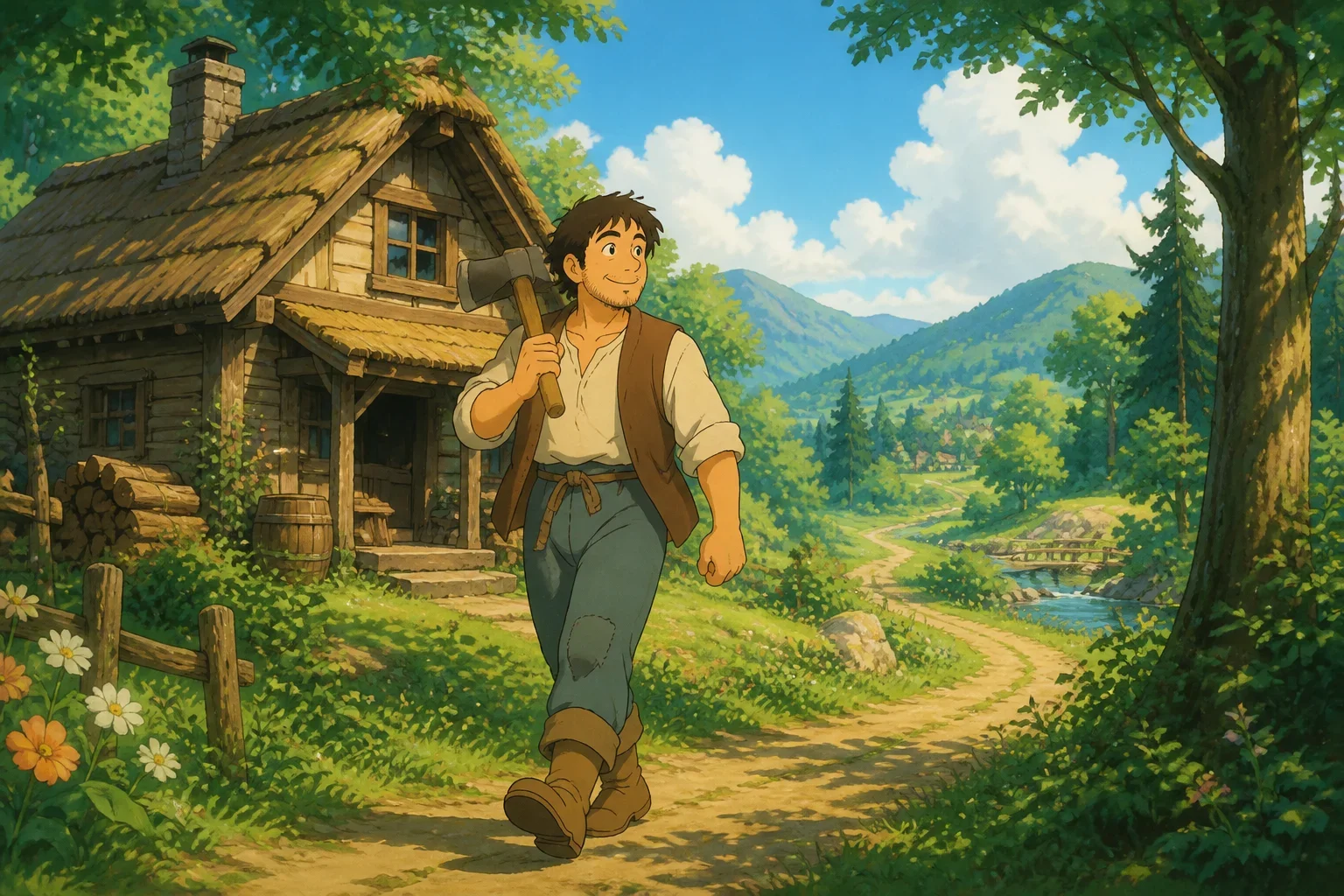
Honest Woodcutter and the Magic Basket | Moral Story on Kindness
The Honest Woodcutter and the Magic Basket On the edge of Willow Creek, where the river flashed like silver ribbons and…
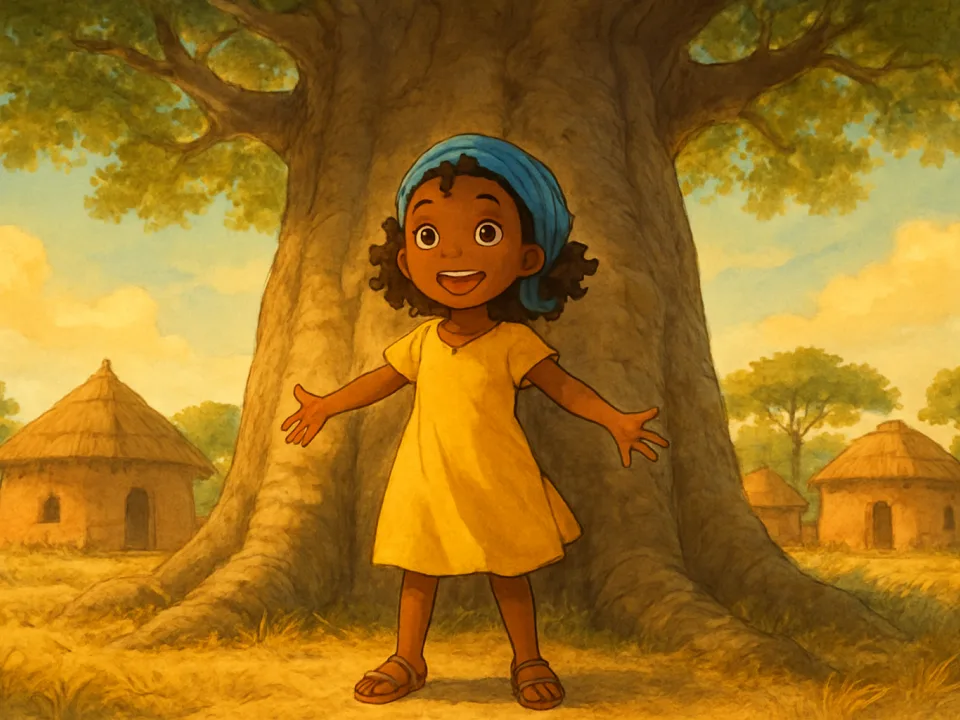
The Baobab Tree's Gift: An African Folk Story About Gratitude and Community
The Baobab Tree's Gift: An African Folk Story About Gratitude and Community [Long…
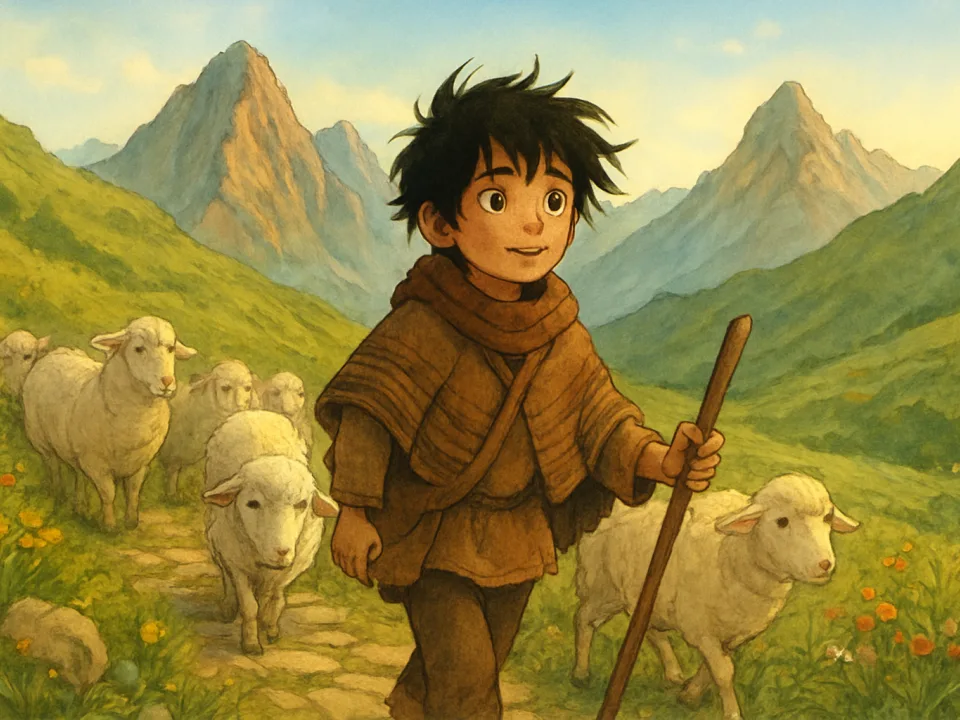
The Golden Condor of the Andes: A South American Moral Story About Keeping Your Word
The Golden Condor of the Andes High above the lush valleys and patchwork fields of the Andes, the air sparkled with…
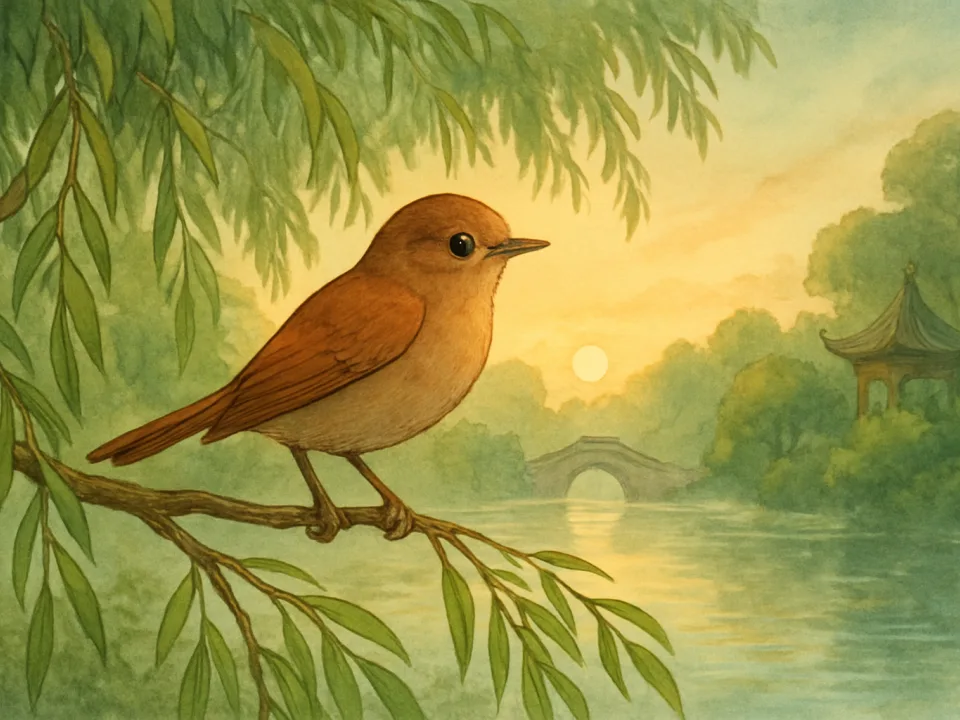
The Nightingale and the Jade Emperor: A Chinese Moral Tale About True Freedom
The Nightingale and the Jade Emperor [Long ago](/blog/traditional-oral-stories-from-grandparents/), beyond the…
Three Little Pigs: Classic Fairy Tale Retelling
The Three Little Pigs Once upon a meadow: three pig brothers, three kinds of homes, and the famous wolf who huffs,…
The Weaver of Oaxaca: A Latin American Folktale About Generosity and Craftsmanship
The Weaver of Oaxaca: A Latin American Folktale About Generosity and Craftsmanship In the heart of Oaxaca, where…