
The Baobab Tree's Gift: An African Folk Story About Gratitude and Community
The Baobab Tree's Gift: An African Folk Story About Gratitude and Community
Long ago, in a sun-kissed corner of Africa, where the grasslands rolled like a golden sea beneath a never-ending sky, there was a bustling village called Nkokonjeru. The village was alive with the sounds of nature: birds flitting through acacia trees, goats bleating as they nibbled tufts of grass, and the laughter of children who chased each other between round mud huts. Smoke curled from cooking fires, rising into the dawn like drifting spirits, and everywhere, the scent of earth and blossoms mingled in the warm air.
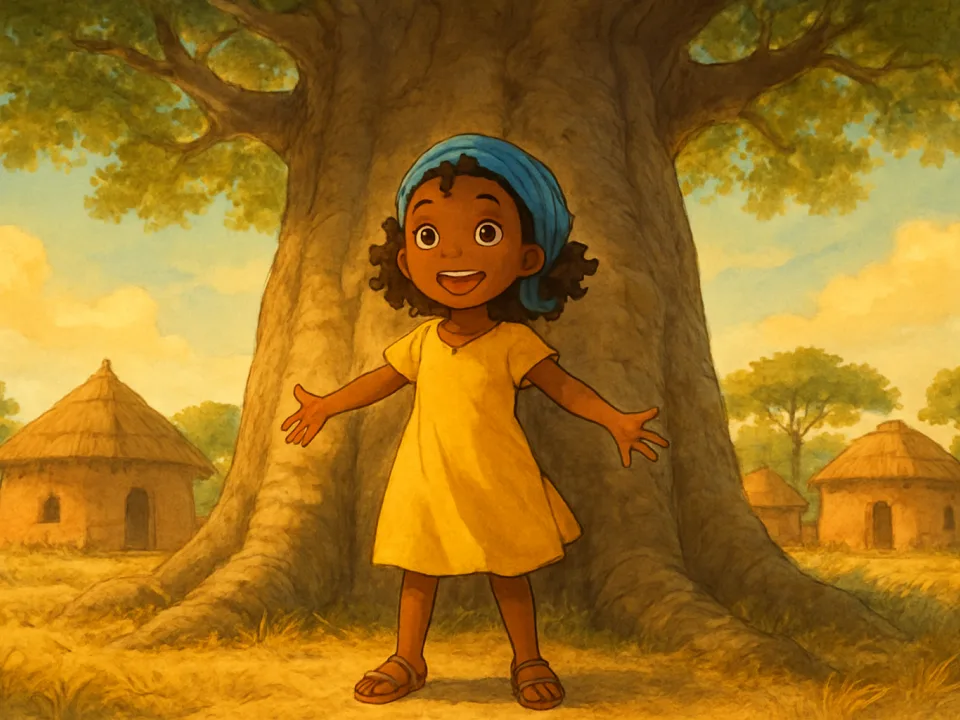
In the very heart of Nkokonjeru stood a tree unlike any other—a mighty baobab, so old that even the most wrinkled elders could not remember a time before it. Its trunk was wide as a house, gnarled and furrowed by the passage of countless seasons. Its roots twisted deep into the earth, anchoring the tree—and the village itself—against the fiercest winds. And its branches, thick and strong, reached up and out, arching skyward like the arms of a loving grandmother ready to enfold the world.
The villagers called her Mama Baobab. She was not just a tree, but a friend, a protector, and a silent witness to the joys and sorrows of generations. Children would gather in her shade during the hottest part of the day, their feet cool against her roots, and listen to the wind rustle her leaves. The elders sat around her at dusk, sharing stories that danced in the firelight, their voices weaving the fabric of the village’s history.
One dusty morning, when the sun was barely above the horizon and a gentle mist clung to the fields, a small girl named Kemi hurried through the dew. Her blue scarf fluttered behind her, and her bare feet left tiny prints in the soft earth. Kemi was known throughout the village for her bright laughter and for her curious brown eyes, always searching for answers, always hungry for stories. But today, her eyes shone not with excitement, but with worry.
She reached Mama Baobab and pressed her small palm against the cool, rough bark. “Mama Baobab,” she whispered, her voice trembling, “my baby brother is ill, and Mama says we have little to eat. The rains were late, and our millet is almost gone.”
The great baobab seemed to shiver, as if awakened from a long sleep. High above, her branches swayed, though no wind blew. From deep inside, a gentle voice—soft as a lullaby sung by mothers—answered, “Kemi, look beyond yourself. The roots of one are the roots of all. When one is in need, so are we all.”
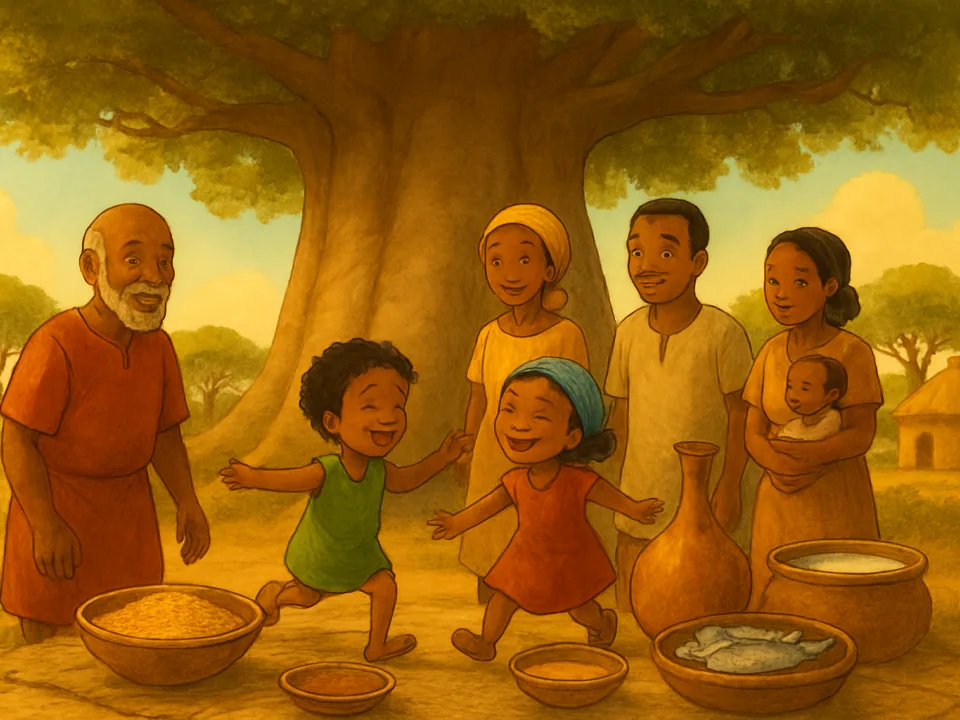
Kemi felt the words settle into her heart. As she went about her chores that day—fetching water from the stream, searching for wild berries along the path—she noticed things she hadn’t seen before. Old Babu, the storyteller, sat beneath his awning, his usually full basket empty and his eyes sad. The twins, Nia and Nuru, picked through the dust beneath the mango trees, searching for fallen fruit, but the branches were bare. Even the goats bleated hungrily, their ribs showing through their thin coats.
That night, as the stars blinked awake in the vast African sky, Kemi lay beside her little brother, who coughed softly in his sleep. She thought of Mama Baobab’s words. Suddenly, an idea blossomed in her mind, as bright and sudden as the moon rising over the horizon. She slipped from her mat and ran to her mother.
“Mama,” Kemi whispered, her eyes shining, “what if we ask everyone to come together under Mama Baobab? If each family brings what little they have, maybe it will be enough.”
Her mother, weary from worry and work, hesitated. But she looked into her daughter’s hopeful face and managed a tired smile. “It is worth trying, my child. Sometimes, together, we can find what we cannot find alone.”
The very next morning, Kemi and her friends, Nia and Nuru, went from hut to hut, calling out the invitation. “Come to Mama Baobab at sunset! Bring what you can, even if it’s only a handful of grain or a story to share.” Word spread quickly, as it always did in Nkokonjeru. Some villagers were shy, others doubtful, but by sunset, nearly every family had gathered beneath Mama Baobab’s immense branches.
The sun sank low, painting the world in gold and orange. The villagers laid their humble offerings on a woven mat at the base of the baobab: a small bowl of millet here, a gourd of goat’s milk there, a few sun-dried fish, and even a dusty pot of wild honey—sticky and sweet. At first, the collection seemed meager, almost too little to share. But as each family added their gift, the pile grew. Soon, it was enough for a feast.
They built a fire and cooked a great pot of porridge, stirring in milk and honey. They roasted the fish and passed slices of sweet fruit. Children danced and sang, their hunger forgotten in the joy of sharing. Old Babu, his basket now filled with roasted grains and nuts, told stories of clever hares outwitting lions, of patient tortoises winning races, and of the first baobab tree, planted with the tears of a grateful child. The stories wove around the gathering like a warm blanket, bringing laughter and comfort to all.
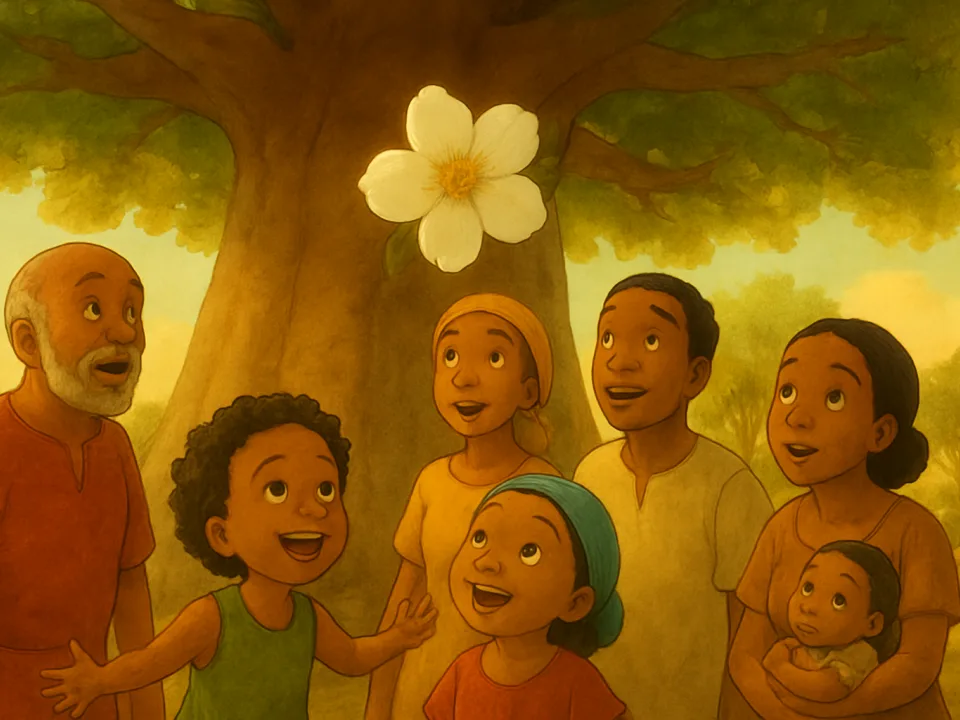
As the meal ended and the last rays of sunlight faded, a hush fell over the crowd. Mama Baobab’s branches shivered once again. From the thickest limb, a single white flower unfurled—a baobab blossom, so rare that many villagers had never seen one with their own eyes. Its petals glowed in the firelight, and its scent drifted across the crowd, sweet and soothing.
The baobab spoke, her voice deep and soft, like the hush before the rains: “When you give from the heart, you grow roots that hold the village together. Gratitude is the fruit that feeds all.”
A feeling of peace settled over Nkokonjeru. That night, as the villagers returned to their huts, they felt richer than before—not just in food, but in friendship and hope. The next morning, stories of the miracle flower spread across the village. People from far corners of Nkokonjeru came to see the blossom and hear how a little girl’s idea and a community’s kindness had filled hungry bellies and hearts.
From that day forward, whenever anyone in the village was in need—whether it was food, help with a sick child, or simply a listening ear—neighbors remembered the feast and the white baobab blossom. They gathered beneath Mama Baobab, sharing what they could. No one in Nkokonjeru went hungry or felt alone, even during the driest years.
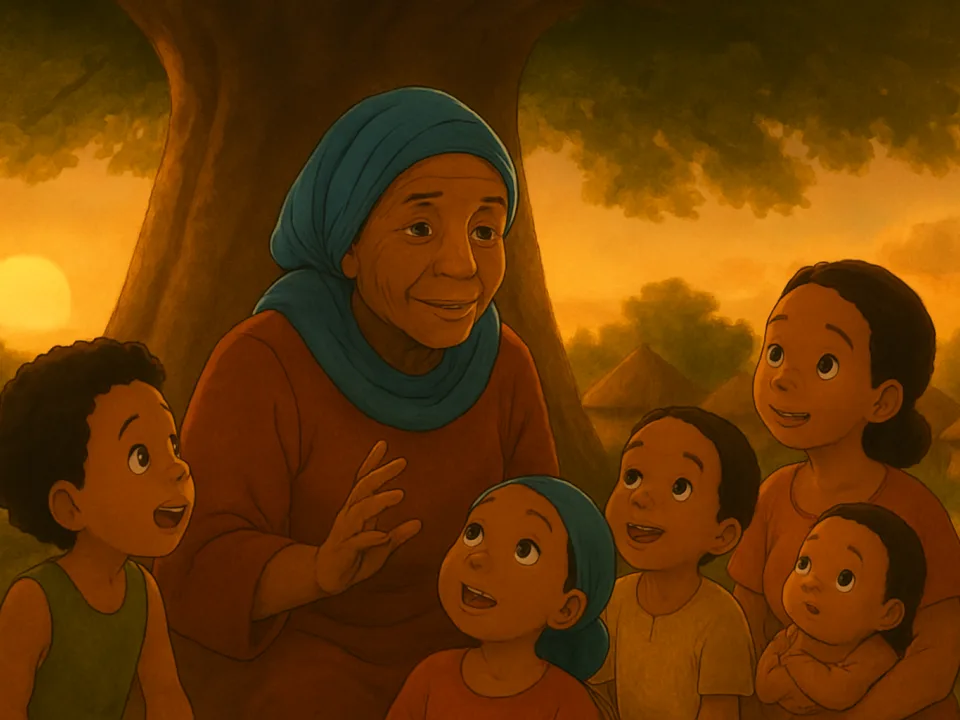
Kemi grew up, her heart always full of gratitude for the lesson she had learned under Mama Baobab. She became a wise elder, known for her kindness and her stories. Children gathered at her feet, beneath the outstretched arms of the old tree, to listen as she retold the tale of the baobab’s gift—the story of how gratitude and generosity could turn a village of worried faces into a family of friends.
And so, the mighty baobab continued to watch over Nkokonjeru, her roots entwined with the lives and hopes of all who lived there, her branches sheltering generations yet to come. The lesson of Mama Baobab lived on, whispered in the leaves and carried in the laughter of children at play: when we give, we all receive, and when we are grateful, our blessings grow like the grandest tree in the village.

Related Stories
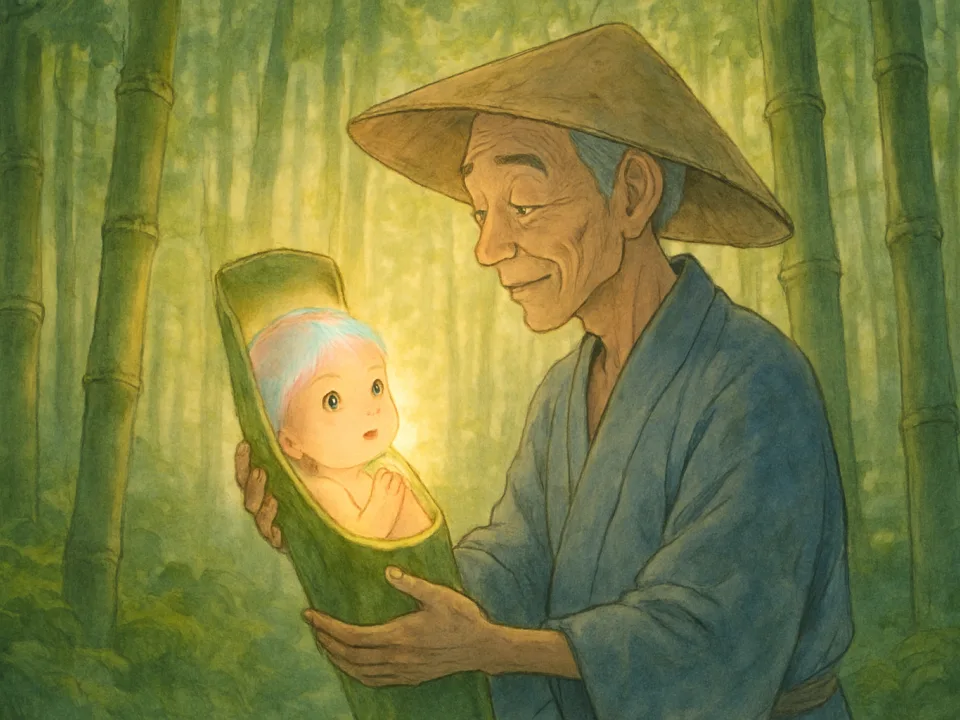
The Bamboo Cutter's Honest Promise: A Traditional Japanese Moral Story for Kids
The Bamboo Cutter's Honest Promise Long ago, in a quiet village nestled at the foot of Japan’s misty green mountains,…
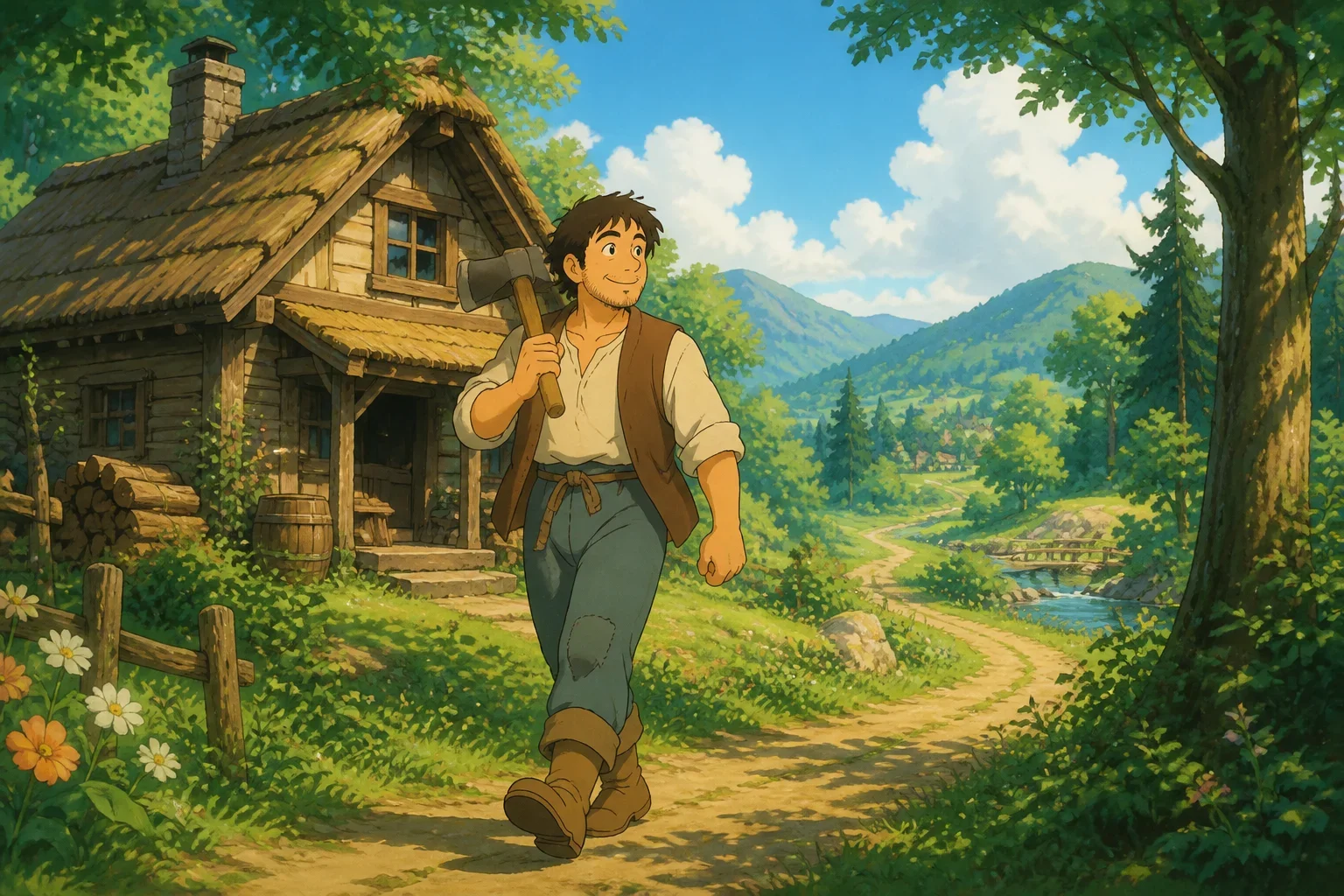
Honest Woodcutter and the Magic Basket | Moral Story on Kindness
The Honest Woodcutter and the Magic Basket On the edge of Willow Creek, where the river flashed like silver ribbons and…
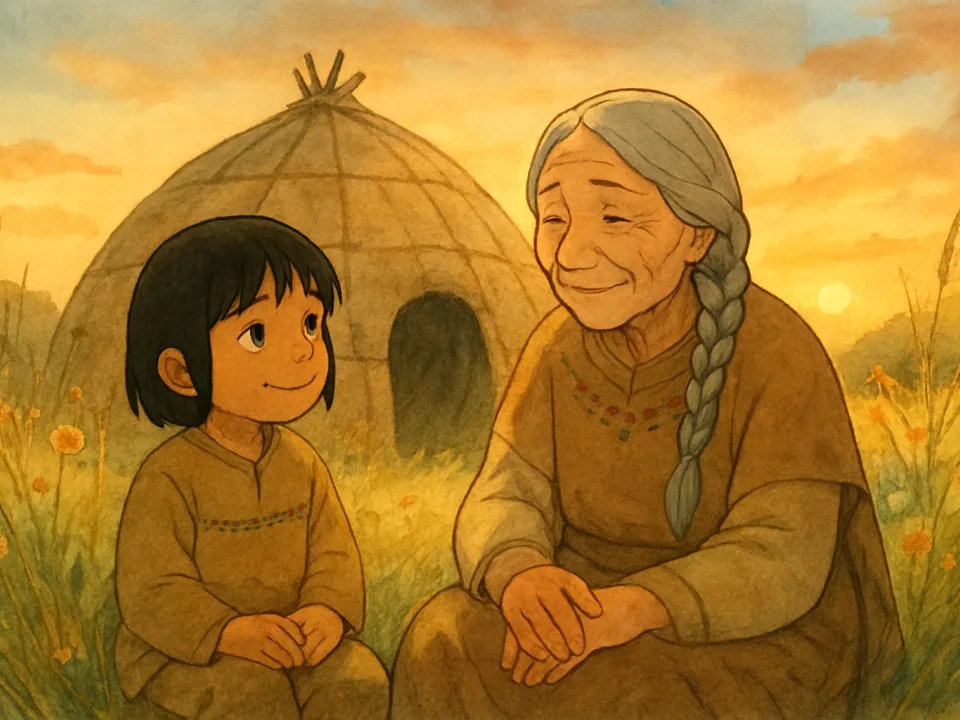
The Boy Who Listened to the Wind: An Indigenous Story About Patience and Observation
The Boy Who Listened to the Wind Long ago, in a lush, emerald valley carved by a silver river, there was a small…
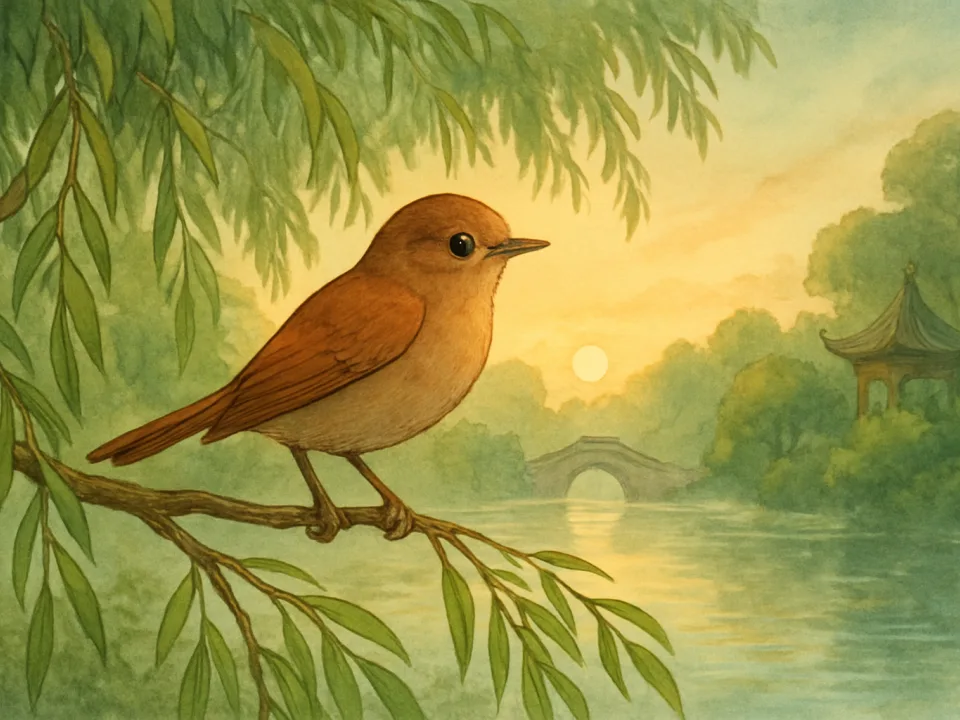
The Nightingale and the Jade Emperor: A Chinese Moral Tale About True Freedom
The Nightingale and the Jade Emperor [Long ago](/blog/traditional-oral-stories-from-grandparents/), beyond the…
The Golden Condor of the Andes: A South American Moral Story About Keeping Your Word
The Golden Condor of the Andes High above the lush valleys and patchwork fields of the Andes, the air sparkled with…
The Silver Salmon of the River: A Celtic Legend About Wisdom and Respecting Nature
The Silver Salmon of the River Once upon a time, in the heart of ancient Celtic lands, where the rolling green hills…