
The Filtered Mirror: A Short Story for Pre-Teens About Self-Worth and Body Confidence
The Filtered Mirror
Amira had always loved the golden hour—the moment after school when the sun painted her bedroom walls in soft, honeyed light. She would sit cross-legged on her bed, scrolling through her phone, watching as her friends posted glittering selfies and videos after another day of middle school.
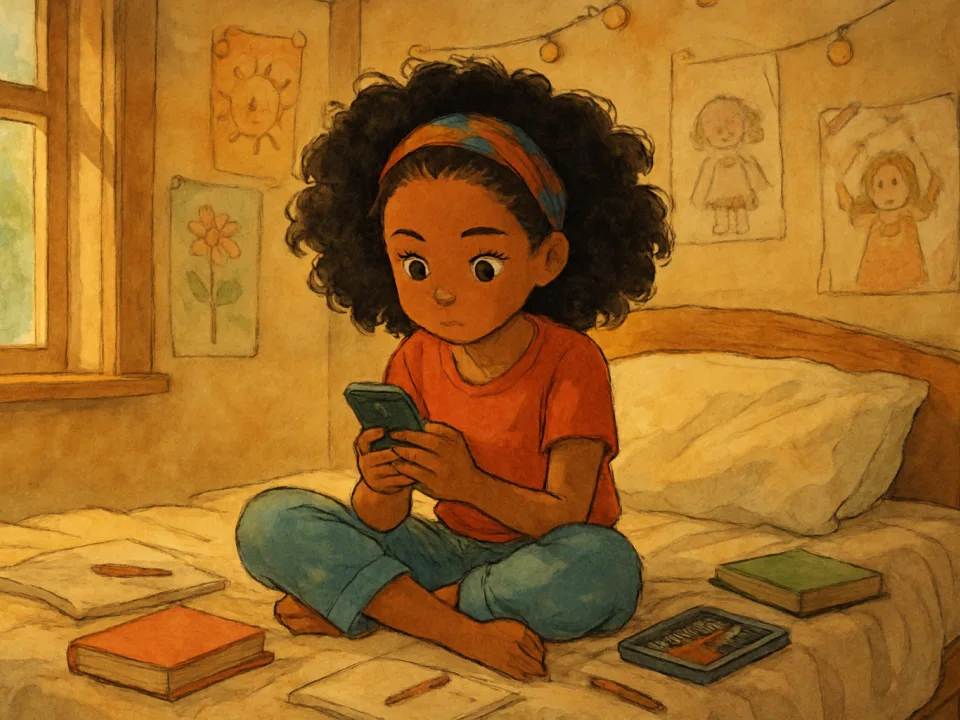
Today, though, she hesitated before opening her favorite photo editing app. Her reflection stared back through her phone’s front camera: her dark brown eyes seemed big, her skin uneven, her hair a storm of black curls she could never quite tame. She snapped a quick selfie, then tapped through the filters. Smooth skin, brighter eyes, a sprinkle of sunbeams—she didn't look like herself, but at least she didn't look weird.
Amira posted it with a half-true caption: “Just chilling after school. #nofilter.” Almost instantly, hearts and flame emojis pinged across her screen. She should have felt better. Instead, her stomach twisted.
Later that night, as Amira brushed her teeth, her mother peeked in. “Big day tomorrow! Your science group meets after school, right?”
Amira nodded, mouth full of mint foam. She was paired with two classmates she barely knew: Lena and Mateo. She thought of Lena’s perfect hair and filtered Instagram. Would she care if Amira didn't look like her photos?
The next afternoon, the science lab buzzed with chatter. Lena waved Amira over, flashing a dazzling smile. “We’re waiting on Mateo. But hey, you look cute today!”
Amira smiled shyly, tucking a curl behind her ear. The three of them found a table, spreading out textbooks and worksheets. Mateo arrived last—tall and soft-spoken, with wire-rimmed glasses and a constellation of freckles across his cheeks.
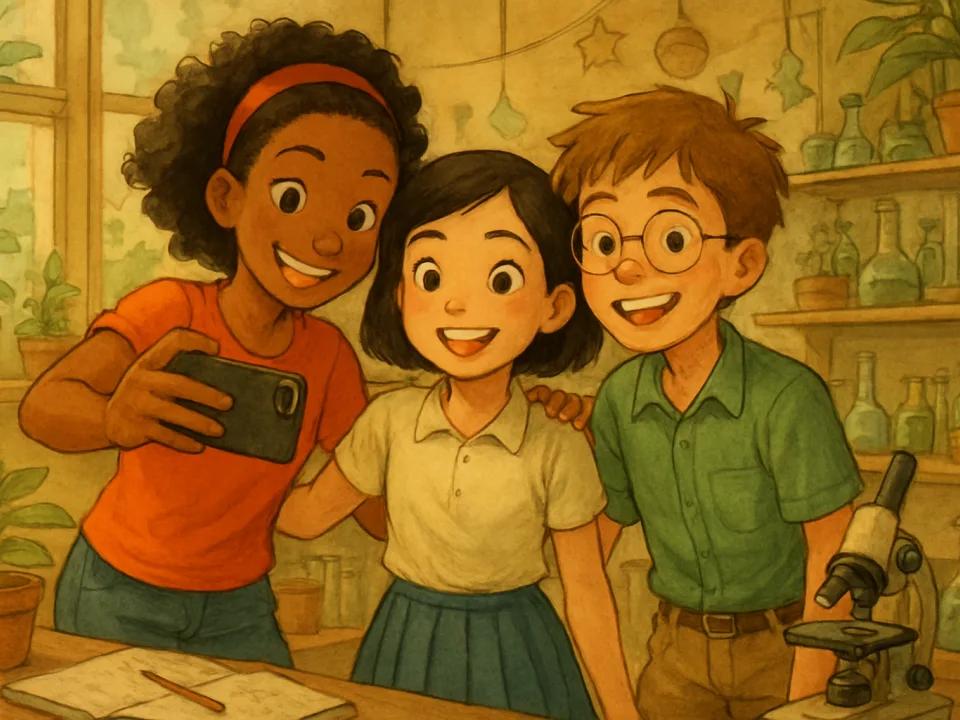
They got to work measuring plant growth for the project. When it was Amira’s turn to write notes, she caught Lena tilting her phone, angling for the perfect selfie. Without asking, Lena snapped a shot, then grinned. “Group photo?”
Amira hesitated. Before she could answer, Lena pulled her close. The camera flashed. After a few taps, Lena showed them her phone. Mateo’s smile was a little crooked, Amira’s eyes half closed, and Lena looked flawless as ever.
“I’ll just fix it,” Lena said, opening a filter app. Amira watched as her skin smoothed, her features sharpened, her hair tamed. In the edited photo, she hardly recognized herself.
Lena posted it to her story without asking. Amira’s phone began to buzz. Her friends commented: “Slay, Amira!” “You look amazing!” “Is that really you?”
That evening, Amira sat on her bed, staring into her unfiltered mirror. She ran her hands through her curls, watching them spring back. Her reflection looked nothing like the photo Lena posted. She scrolled through the comments again, feeling smaller with every heart and fire emoji.
Her older brother Sami knocked gently before peeking in. “You good, Mira?”
She shrugged. “Yeah, just… tired.”
Sami plopped down beside her. “You look like you’re battling monsters in your mind.”
Amira managed a small laugh. “What if people only like the online me?”
Sami frowned. “The online you isn’t you. You’re real. That’s what’s cool.”
Their mom called them for dinner. As they ate, Amira poked at her food, thinking. Before bed, she decided to scroll through her posts again. The likes and comments flashed by. Yet, she felt emptier than ever.
The next day at school, a sign-up sheet for the annual “Celebrating Ourselves” assembly was taped to the bulletin board. Students would share something about what made them unique. Amira watched as Lena and a few others signed up, joking about showing off their fashion sense. Amira moved past, telling herself she’d never get on stage.
As she walked home, Amira’s phone buzzed. A new message from Mateo: “Hey, is it cool if I use the unedited group pic for our project board? I like it better.”
Curious, Amira opened the photo. Her smile was wonky, Lena’s hair was flying, Mateo’s eyes squinting in laughter. It looked like real kids, not models. For the first time in days, Amira smiled at her reflection in the screen.
She wrote back: “Yeah, I like it too.”
Mateo replied, “I think we all look awesome.”
The following week, Amira noticed Lena’s stories got bolder. No more flawless filters—just videos of her stumbling during dance practice, close-ups of art projects, her real, unfiltered laughter. Amira messaged her, “I love your new posts.”
Lena replied with a purple heart. “It’s scary, but I want to be real. Filters got too much.”
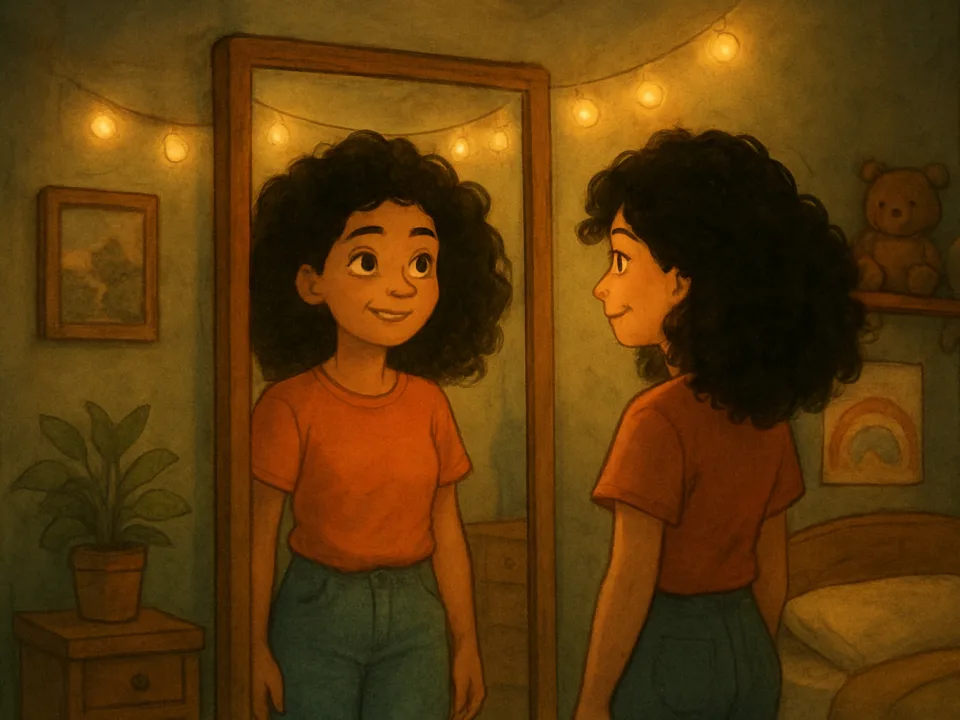
At home, Amira sat in front of her mirror, phone in hand. She snapped a selfie—wild curls, uneven skin, honest eyes. Her thumb hovered over the filter button. This time, she didn’t touch it. Instead, she typed, “Trying something new: #nofilterforreal. This is me.”
She hit post. Her phone buzzed, but she set it aside and looked at her reflection. The girl in the mirror looked nervous, but she also looked strong.
A few days later, Amira opened her messages. There were less comments than usual, but they felt different:
“So brave!”
“Love your curls!”
“You look like you.”
Amira felt lighter. With each honest post, she began to notice things she liked about herself—her laugh, the scatter of freckles across her nose, the way her curls caught the sunlight. She saw the same things in others: a friend’s gap-toothed grin, another’s unconventional fashion, Mateo’s irrepressible jokes.
When the day of the “Celebrating Ourselves” assembly arrived, Amira signed up at the last minute. She stood behind the curtain, heart thrumming, wishing she’d worn her lucky bracelet. Lena found her and squeezed her hand. “You’ve got this.”
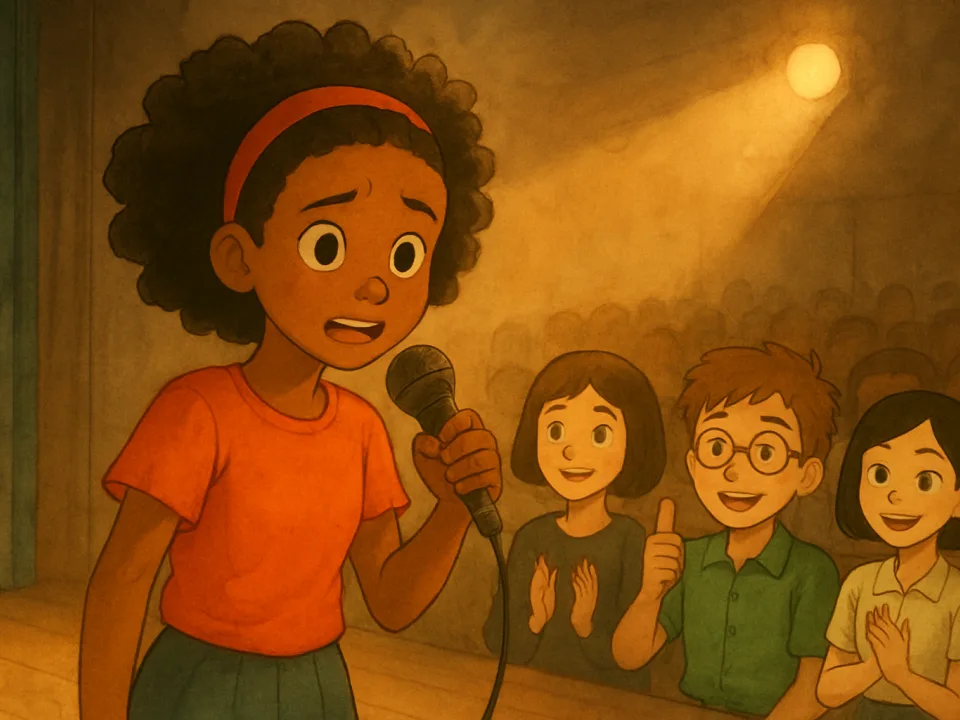
On stage, the lights were blinding. Amira cleared her throat, voice trembling. “I used to think I had to look perfect to be liked. But I realized… being real is scarier, but a lot better. I like who I am—curls, freckles, everything. And I hope you like who you are, too.”
She stepped away from the mic. The auditorium was quiet for a second, then applause erupted. Mateo gave her a thumbs-up from the front row. Lena grinned, hair wild, no filter in sight.
Afterward, kids came up to Amira. One boy showed off his birthmark. Another girl, her braces. They all shared things they hid from filters—and they all grinned wider, stood taller.
That night, Amira looked in her mirror, unfiltered and proud. She realized she didn’t just see herself—she saw someone she liked. That was worth more than a thousand likes, any day.
Moral of the Story
True self-worth doesn’t come from filters, likes, or fitting into someone else’s idea of ‘perfect.’ It comes from embracing what makes you different, even if it feels scary at first. The real you is always enough.
Key Takeaways for Kids
- Social media can make it hard to see your real beauty, but being yourself feels better than pretending.
- You don’t need filters or edits to be liked or to like yourself.
- Everyone has things they’re insecure about; sharing them can bring people closer.
- Celebrate what makes you unique—someone else will see it, too.
Why This Story Matters
Middle school is a time when messages about beauty and popularity are everywhere, especially online. This story encourages pre-teens to look beyond filters and societal pressures, discover their self-worth, and create more honest, supportive connections with others. It’s a gentle reminder that real confidence comes from within, and that being true to yourself is the bravest thing you can do.
Related Stories
The Girl Who Wanted Everything Perfect: A Story About Perfectionism and Self-Kindness
The Girl Who Wanted Everything Perfect Sophie Tran believed in perfect. Her handwriting was so neat, her teachers said…
Maya's Unplugged Weekend: A Children's Story About Life Beyond Video Games
Maya's Unplugged Weekend: A Children's Story About Life Beyond Video Games Maya loved [video…
The Second Try Club: A Moral Story About Turning Failure into Confidence
The Second Try Club Maya pressed her forehead to the cafeteria window, watching gray clouds gather over Maplewood…
Unstoppable Alex: An Inspiring Kids’ Story About Courage
The Unstoppable Alex On summer evenings, when the sky turned peach and gold, the park at the edge of town came alive.…
Words That Dance on the Page: A Children's Story About Dyslexia and Hidden Strengths
Words That Dance on the Page Sam always loved the sound of stories. At night, his mom read books under the soft, warm…
The Shattered Soccer Trophy: A Growth Mindset Story About Making Mistakes and Trying Again
The Shattered Soccer Trophy Mia’s sneakers squeaked across the shiny floor of the Maple Street…