
3 Anger Stories for Kids: Controlling Temper & Self-Control
Every child experiences moments of frustration, anger, or impatience. While these feelings are normal, learning how to control and manage anger is essential for building strong character and healthy relationships. Stories are powerful tools that help children understand the consequences of their emotions and teach valuable lessons about self-control. Through engaging tales, kids can see examples of how controlling their temper leads to better outcomes and personal growth.
In this article, we will explore three compelling anger stories designed to teach children about the importance of managing their emotions. These stories highlight relatable situations and provide practical lessons to help kids develop patience, understanding, and emotional resilience. Whether used at home or in the classroom, these stories aim to foster positive behavioral habits from an early age.
Why Anger Matters
Anger is a natural emotion that everyone experiences. However, if it is not managed properly, it can lead to misunderstandings, damaged relationships, and even harmful actions. Teaching children about anger helps them recognize their feelings and develop healthy ways to express and cope with it. Learning self-control not only prevents conflicts but also encourages empathy, patience, and problem-solving skills.
Understanding why anger occurs can also help children see that it’s okay to feel upset sometimes, but it’s how they respond that makes the difference. By sharing foolishness stories for kids and other moral tales, children learn that patience and self-control lead to better results than impulsive reactions. Building emotional intelligence from a young age sets the foundation for responsible, kind, and confident individuals.
4 Pride Stories for Kids: The Danger & Downfall of Arrogance · 8 Gossip Stories for Kids: The Danger of Spreading Rumors · 3 Greed Stories for Kids: Moral Lessons on Wanting Too Much · 6 Foolishness Stories for Kids: Lessons on Thinking First
Table of Contents
- The Angry Monkey: How a Little Frustration Became a Big Lesson
- The Boy and the Broken Vase: Learning Patience and Forgiveness
- The Hot-Tempered Chef: Turning Anger into Creativity
- Practical Takeaways for Managing Anger
- Conclusion
Introduction
Anger is a natural emotion that everyone experiences. It can sometimes help us stand up for ourselves or protect others, but if not managed properly, it can cause problems and hurt feelings. Teaching children, parents, and teachers how to understand and control anger is important for building healthier relationships and fostering a calm, respectful environment. Through stories, we can illustrate the importance of managing anger and showing kindness even when we’re upset.
Why Anger Matters
Understanding anger helps us recognize our feelings and choose how to respond. When children learn to handle anger in a positive way, they develop better problem-solving skills and emotional resilience. For adults, managing anger effectively models good behavior for children and promotes peaceful interactions. Stories are a great way to demonstrate these lessons in a relatable and memorable way.
Table of Contents
- Story 1: The Little Lion’s Roar
- Story 2: The Pepper and the Water
- Story 3: The Brave Girl and the Broken Vase
- Practical Takeaways
- Conclusion
Story 1: The Little Lion’s Roar
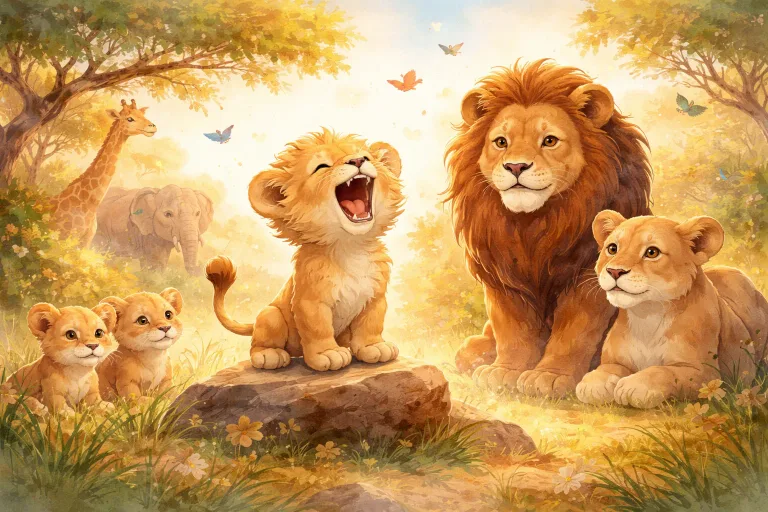
Once upon a time in the vast savannah, there was a young lion named Leo. Leo was proud and brave, but he had a fiery temper. Every time he lost a game or couldn’t reach the tasty antelope first, Leo would roar loudly and stomp his paws, scaring all the other animals.
One day, Leo tried to chase a butterfly and tripped over a rock. He was furious, stomping and roaring at the ground. The other animals watched quietly, worried about Leo’s anger. A wise old elephant named Ella approached him.
“Leo,” she said gently, “your roar is loud, but it doesn’t make you happy. Anger can feel powerful, but it can also make others afraid or sad. When you’re upset, try to take a deep breath and count to three.”
Leo listened carefully. The next time he felt the fire of anger building, he remembered Ella’s words. He took a deep breath, counted to three, and instead of roaring, he looked around and saw his friends’ worried faces. He realized that managing his anger could help him feel better and keep his friends close.
From that day on, Leo practiced staying calm. When he was upset, he would breathe deeply and speak kindly. His roar became a gentle growl, and he was happier and surrounded by friends.
Moral: Anger can feel powerful, but managing it with calmness and kindness makes everyone happier.
Talk About It
- Why do you think Leo’s roar scared his friends?
- What can you do when you feel angry like Leo?
- How did Leo feel when he learned to stay calm?
Story 2: The Fire in Freddie’s Heart
Freddie the fox was usually a cheerful animal, scurrying through the forest and playing with his friends. But one day, Freddie felt something strange bubbling inside him—an intense, fiery feeling he couldn’t quite understand. It started when his best friend, Benny the squirrel, accidentally knocked over Freddie’s carefully built nest. Freddie’s face turned red, and his tail flicked angrily.
At first, Freddie wanted to yell and stomp his paws. His anger was like a blazing fire, hot and uncontrollable. But then he remembered what his wise old friend, Owl, had told him: “When you feel anger rising, take a deep breath, and think about what’s really bothering you.” Freddie paused, took a deep breath, and looked carefully at the mess. Instead of yelling, he asked Benny kindly, “Could you help me fix this? I was really proud of my nest.”
Benny nodded quickly and said, “I’m sorry, Freddie. I didn’t mean to ruin it.” Freddie felt his angry fire cooling down a little. They worked together, rebuilding the nest, laughing as they made it better than before. Freddie realized that his anger, like fire, could be dangerous if unchecked, but it could also be used to motivate him to solve problems and help his friends.
That day, Freddie learned that anger is a natural feeling, but how we handle it makes all the difference. Instead of letting his temper explode, he paused, took a breath, and chose kindness and understanding. His anger didn’t disappear, but it became a helpful tool for resolving issues instead of causing more trouble.
Moral: Anger is a powerful feeling that everyone experiences. What matters most is how we choose to express and manage it. Turning anger into kindness can help fix problems and strengthen friendships.
Talk About It
- Have you ever felt so angry that you wanted to yell or throw something? What did you do?
- Why do you think taking a deep breath helps when you’re feeling angry?
- How can being kind and patient change a situation where someone is upset?

Story 3: The Mountain of Mountain Muddle
Once in a small village nestled between rolling hills, there was a young girl named Lila who loved hiking. She dreamed of climbing the tallest mountain, known as Mount Muddle, which was crowned with snow all year round. One bright morning, she decided to set out on her adventure, full of excitement.
As Lila trekked up the rocky path, she marveled at the view and cheered herself on. But soon, she reached a tricky part—large boulders blocking her way. Frustrated, she tried to find a different route, but every turn seemed to lead to another obstacle. She clenched her fists and shouted, "This is impossible! I hate this mountain!"
Her anger grew hotter with each passing moment. She kicked a loose rock, which tumbled down the hill, startling some birds. A sudden gust of wind swept her hat off her head, and her face flushed with anger and tears. She wanted to give up, to sit down and cry. But then she remembered her mother telling her that anger is like a fire—it can either warm your heart or burn everything down.
Lila took a deep breath and looked around. She saw a small stream nearby. She sat by its edge and watched the water flow effortlessly over smooth stones. As she observed the gentle stream, she realized that just like water, she could choose how to respond—stay angry and upset, or calm herself and find a new way.
Taking another deep breath, Lila decided to rest and think. She remembered that getting angry wouldn’t fix the mountain, but patience and cleverness might. She noticed a narrow path that she hadn't tried before. Carefully, she stepped onto it and, with steady determination, kept climbing. After a long, tiring journey, she finally reached the summit of Mount Muddle.
From the top, she looked out over the valley, feeling proud. Her anger had almost stopped her, but she chose patience instead. Lila learned that anger is a mountain we all face, but with calmness and persistence, we can overcome even the toughest peaks.
Moral: Anger is a mountain we all face, but with patience and calmness, we can find a way to reach our goals.
Talk About It:
- Have you ever felt so angry that you wanted to give up? What helped you calm down?
- Why do you think Lila’s anger made her want to stop climbing? How did she overcome it?
- Can you think of a time when being patient helped you solve a problem?
Practical Takeaways:
- When angry, take a deep breath and pause before reacting.
- Use your anger as a signal to step back and think of a better way.
- Patience and calmness can help you solve even tough problems.
Conclusion:
Feeling angry is natural, but how we handle that anger makes the difference. Like climbing a mountain, overcoming anger requires patience, calmness, and perseverance. When you learn to manage your anger, you can reach new heights and find happiness along the way.

Practical Takeaways
- When feeling angry, take slow, deep breaths to calm down.
- Count to three or five before reacting.
- Speak kindly, even when upset.
- Remember that managing your anger helps keep relationships strong.
- Recognize your anger early so it doesn’t control you.
- Use deep breaths or count to ten to calm down.
- Talk to someone you trust about how you're feeling.
- Remember that mistakes happen, and forgiving others can help you feel better too.
- Turning anger into helpful actions, like solving problems or expressing feelings kindly, makes everyone happier.
- Teach children to recognize their anger triggers and express emotions calmly.
- Use stories and examples to illustrate the importance of self-control during frustrating situations.
- Reinforce the idea that controlling anger leads to better relationships and personal growth.
- Encourage children to pause and think before reacting impulsively to anger.
- Promote the development of coping strategies, such as deep breathing or counting to ten.
- Highlight the value of humility and forgiveness as tools to manage and resolve anger effectively.

Conclusion
Anger is a normal emotion, but how we handle it makes all the difference. By learning to stay calm and think before reacting, children and adults alike can create happier, more respectful environments. Stories like Leo’s show us that even powerful feelings can be managed with patience and kindness. Remember, patience and understanding turn moments of anger into opportunities for growth and connection.
Feeling angry is a normal part of being human, even for kids. Learning to understand and manage your anger can help you maintain good relationships and solve problems peacefully. By practicing patience, kindness, and calmness, you can turn fiery feelings into positive actions that make your world a better place.
Managing anger is a vital skill for children that influences their social interactions and emotional well-being. Through engaging stories like those found in [3 Anger Stories for Kids: Controlling Temper & Self-Control], children learn essential lessons about patience, empathy, and self-regulation. These stories serve as practical tools that parents and teachers can use to teach kids how to handle their emotions constructively. By emphasizing the importance of understanding triggers and practicing calming techniques, caregivers help children develop resilience and emotional intelligence. Remember, fostering open communication about feelings and modeling positive behavior are key components in guiding children towards healthier ways of expressing their anger. Building these skills early on sets the foundation for lifelong emotional balance, enabling kids to navigate challenges with confidence and kindness.
Continue Exploring Moral Stories
Discover animated moral stories, browse by category, or find age-appropriate reads for your family.
You May Also Like
8 Patience Stories for Kids: Short Tales That Teach Calm Waiting
Discover 8 charming patience stories for kids that teach the value of waiting calmly. Engaging tales that promote self-control and understanding.
8 Forgiveness Stories for Kids: Teaching Peace & Letting Go
Discover 8 heartfelt forgiveness stories for kids that teach the importance of forgiving others, letting go of anger, and embracing peace through engaging tales.
4 Empathy Stories for Kids: Understanding Others' Feelings
Discover four heartwarming empathy stories for kids that teach understanding, kindness, and compassion. Perfect tales to nurture emotional intelligence in children.

8 Materialism Stories for Kids: True Joy Beyond Money
Teaching children that true happiness comes from kindness, sharing, and inner virtues helps them develop resilience against materialism's pitfalls.