
6 Foolishness Stories for Kids: Lessons on Thinking First

Children are naturally curious and often act impulsively, sometimes leading to silly mistakes or poor decisions. While these moments might seem trivial, they hold valuable lessons about the importance of thinking before acting. Sharing stories that highlight foolish choices can help kids understand why taking a moment to consider their actions is crucial for making better decisions and avoiding unnecessary problems.
In this article, we’ll explore six entertaining and insightful tales that demonstrate the consequences of foolishness. These stories serve as gentle reminders that thinking first, using our brains, and learning from mistakes can lead to wiser choices. Let these stories inspire children to develop better judgment, self-control, and a thoughtful approach to everyday situations.
Why Foolishness Matters
Foolishness is a natural part of childhood development. Kids often act on impulse, driven by curiosity, excitement, or emotion, which sometimes results in silly or unwise decisions. While it may seem harmless, repetitive foolish choices can lead to bigger problems, such as misunderstandings, accidents, or missed opportunities. Teaching children about the importance of thinking first helps foster their ability to evaluate situations carefully and act responsibly.
Stories about foolishness also teach empathy and humility, showing that everyone makes mistakes and that learning from these experiences helps us grow. By understanding the consequences of careless actions, kids become more mindful and develop better habits. Recognizing the difference between a quick mistake and habitual foolishness can guide children toward patience, prudence, and better judgment. These lessons are essential for building character and resilience, helping children navigate their world with confidence and wisdom.
Table of Contents
- Story 1: The Boy Who Chased His Shadow
- Story 2: The Hare and the Tortoise: The Price of Overconfidence
- Story 3: The Boy Who Wanted to Fly
- Story 4: The Fox and the Crow: The Danger of Foolish Flattery
- Story 5: The Child Who Didn’t Listen
- Story 6: The Foolish Farmer and His Lost Cow
[Read more about the importance of careful planning in Prudence Stories for Kids: Careful Planning & Foresight] and discover how patience and thoughtfulness can prevent foolish mistakes.
Introduction
Foolishness can lead to mistakes, discomfort, or missed opportunities. But it can also be a chance to learn, grow, and develop better judgment. Understanding foolishness helps children recognize the importance of thinking carefully before acting, and teaches parents and teachers how to guide children toward wiser choices. Stories about foolishness aren't just about pointing out mistakes—they show us how to avoid them and how to turn errors into valuable lessons.
Story 1: The Boy Who Tried to Catch the Sun
Once upon a time, in a little village, there was a boy named Tim who loved to dream big. One day, he looked up at the bright, shining sun and thought, “If I could just catch it, I’d be the happiest boy in the world!” Without thinking, Tim decided he could do it. He ran to the field with a large net he found in his father’s shed.
Tim waited until sunset, then swung his net high into the air, trying to catch the glowing ball of light. But the sun was too far away, and the net was too small. It was no use. As the sun sank behind the hills, Tim felt tired and disappointed.
His friends laughed and told him, “You can’t catch the sun, Tim! It’s too big and too far away!” Tim looked sad but then remembered something important—sometimes, wishing for impossible things isn’t the best way to spend time. Instead, he could enjoy the sunshine or watch the sunset.
The next day, Tim went outside and played in the sunlight, happy to enjoy what he could see and feel. He learned that some dreams are wonderful, but trying to catch what’s impossible can lead to frustration.
Moral: Wishing for impossible things can make us forget to enjoy what’s right in front of us. Thinking carefully helps us choose what’s truly worth pursuing.
Talk About It:
- Why do you think Tim wanted to catch the sun?
- What could Tim do instead of trying to catch the sun?
- Have you ever wanted to do something impossible? What did you learn from it?
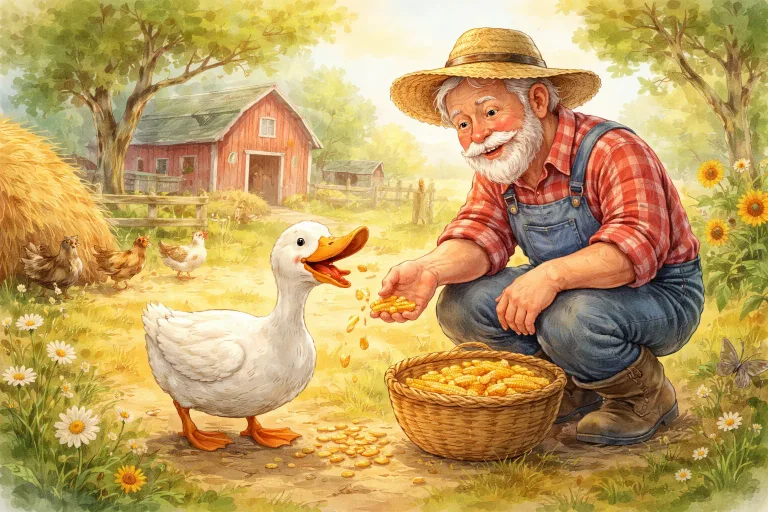
Story 2: The Farmer and the Foolish Duck
Farmer Joe had a little duck that loved to wander around the barnyard. One day, the duck saw a shiny object near the pond and thought, “That’s a treasure!” It waddled over and tried to pick up a shiny glass bottle stuck in the mud.
The duck pushed and pushed but couldn’t get the bottle out. Instead, it got stuck in the mud itself! The other animals saw what happened and clucked, “That duck is so foolish! It’s trying to do something that isn’t smart.”
Farmer Joe watched and then gently helped the duck out of the mud. He said, “Sometimes, we need to think carefully instead of rushing into things. That shiny thing doesn’t belong to us, and forcing it isn’t wise.”
The duck learned to be more careful and didn’t try to grab everything shiny it saw. From then on, it played safely and left things that weren’t meant for it.
Moral: Foolishness can happen when we don’t think first. It’s better to be patient and wise in our choices.
Talk About It:
- Why was the duck being foolish?
- How could the duck have made a better decision?
- What do you think is more important: rushing or thinking first?
Story 3: Lily and the Big Bubble
Lily loved blowing soap bubbles. One day, she saw her friend, Max, blow a giant bubble and thought, “I want to make a bigger bubble than Max!” She grabbed her soap and straw and started blowing as hard as she could.
Soon, she made a huge, wobbling bubble that was so big it started to fall to the ground. Instead of being happy, Lily tried even harder, blowing more and more. The bubble burst, and Lily got soap all over her face.
Lily’s mother hugged her and said, “Sometimes, trying too hard isn’t the best way. Patience and careful work help us succeed. Next time, take your time and enjoy the process.”
Lily realized she didn’t need to be the biggest; she just needed to have fun and be patient. From then on, she focused on enjoying blowing bubbles, not just aiming for the biggest one.
Moral: Foolishness can come from rushing or trying too hard. Patience and practice make us better at what we do.
Talk About It:
- Why did Lily’s bubble burst?
- How could she have made a bigger, better bubble?
- Do you ever get frustrated when things don’t work right away? What can you do?

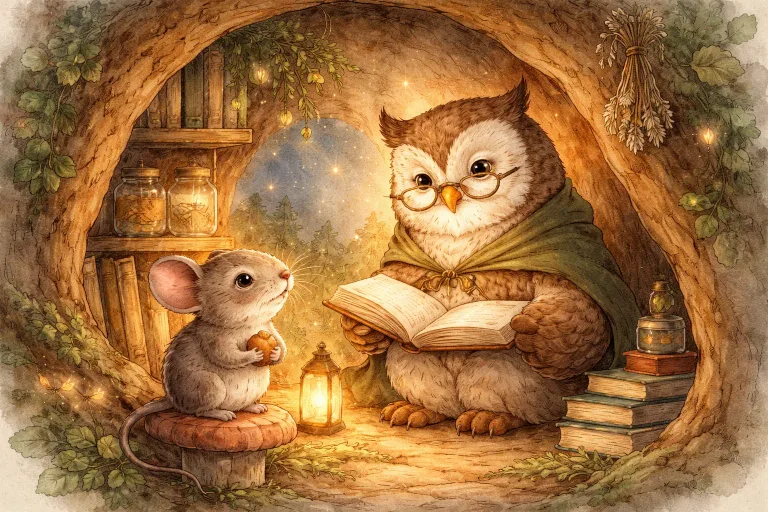
Story 4: The Mouse and the Wise Owl
In a quiet forest, a little mouse wanted to be brave and smart like the owl. One day, the mouse saw a tasty-looking piece of cheese hanging from a branch. “I’ll just reach up and grab it!” thought the mouse.
The mouse tried to climb up, but it was too high. It slipped and fell, landing in a pile of leaves. Sad, the mouse looked up at the owl, who said, “Sometimes, trying to do things without thinking can be foolish. It’s better to ask for help or think carefully first.”
The mouse learned to be patient and cautious. Later, the owl showed the mouse an easier way to get the cheese—by climbing a safe branch and using a stick. The mouse was happy and more careful next time.
Moral: Foolishness happens when we try to do things without thinking. Asking for help and being careful help us succeed.
Talk About It:
- Why did the mouse fail at getting the cheese?
- How did the owl help the mouse?
- Can you think of a time you needed help to do something safely?
Story 5: Jack’s Foolish Journey
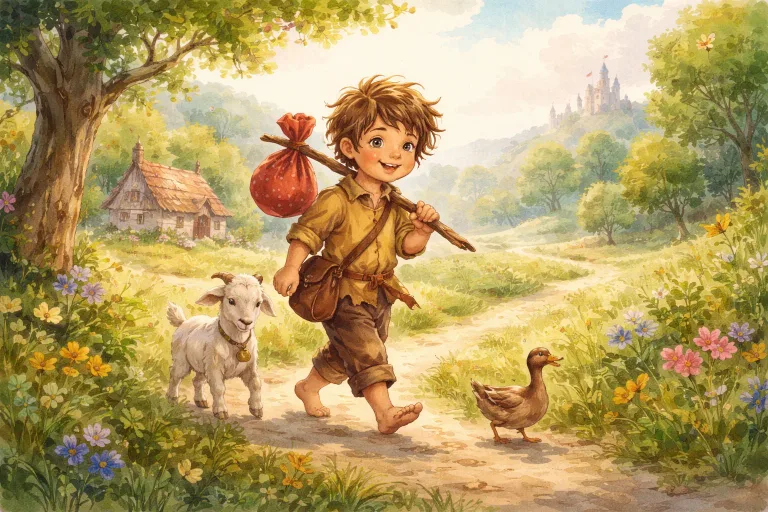
Jack was excited to find treasure in his backyard. He decided he would dig a deep hole and find gold coins. He started digging with a tiny shovel, digging all day. He didn’t think about the soil or the tools needed. The hole was shallow, and he got tired.
Later, Jack’s mom explained, “Foolishness is trying to do big things without preparing or thinking ahead. If you want to find treasure, you need to learn and plan first.”
Jack realized he needed help and better tools. The next day, with help and more patience, he learned to dig carefully and safely, discovering some shiny stones but no gold. Still, he was happy because he learned that good things come from planning and effort.
Moral: Foolishness is rushing into something without thinking. Planning and patience are important for success.
Talk About It:
- Why was Jack being foolish?
- What could he have done differently?
- Why is it important to plan before starting a big task?
Story 6: The Girl Who Wanted to Fly
Anna watched birds soaring in the sky and wished she could fly too. She built wings out of paper and string, then jumped from her porch. She flapped her paper wings but quickly fell down, landing in a bush.
Her father came out and said, “Trying to fly without understanding how wings work can be foolish. Real flying requires training, practice, and proper tools.”
Anna learned to be patient and used her imagination to pretend she was flying. She read books about birds and learned how they fly. Though she couldn’t fly like a bird, she found joy in learning and pretending.
Moral: Foolishness is trying to do something without knowing how. Learning and patience help us reach our goals.
Talk About It:
- Why did Anna fall when she tried to fly?
- What did she learn from her experience?
- How can learning help us achieve our dreams?

Practical Takeaways
- Think carefully before acting.
- Avoid rushing into things without preparation.
- Ask for help when needed.
- Be patient and persistent.
- Learn from mistakes to make wiser choices.

Conclusion
Stories about foolishness teach children that mistakes are part of learning but rushing or acting without thinking can lead to problems. By understanding the importance of careful planning, patience, and asking for help, children can develop smarter habits that serve them well throughout life. Encouraging reflection and discussion about these stories helps children recognize foolish patterns and choose wiser actions.
Continue Exploring Moral Stories
Discover animated moral stories, browse by category, or find age-appropriate reads for your family.
You May Also Like

4 Wisdom Stories for Kids: Making Thoughtful Decision-Making
Stories teach children the importance of patience, listening, and wise decision-making, helping them grow into empathetic and thoughtful individuals.

3 Common Sense Stories for Kids: Practical Everyday Judgment
Teaching children practical everyday judgment through stories helps them make safe, honest, and responsible choices, fostering life skills for the future.
5 Honesty Stories for Kids: Classic Tales That Teach Truthfulness
Discover 5 timeless honesty stories that teach children the importance of truthfulness. Engaging tales like The Boy Who Cried Wolf and The Honest Woodcutter help instill moral values.

8 Materialism Stories for Kids: True Joy Beyond Money
Teaching children that true happiness comes from kindness, sharing, and inner virtues helps them develop resilience against materialism's pitfalls.