
4 Empathy Stories for Kids: Understanding Others' Feelings
Empathy is one of the most vital skills children can develop. It helps them understand others' feelings, build strong relationships, and act with kindness. Teaching empathy through stories is a gentle yet powerful way to nurture these qualities in young minds.
In this article, you'll find four engaging empathy stories suitable for children, along with discussion prompts to help children reflect on what they've learned. These stories are ideal for parents, teachers, and caregivers who want to foster emotional intelligence in children.
Why Empathy Matters
Empathy allows children to see the world from different perspectives. It promotes kindness, reduces bullying, and encourages cooperation. When children understand how others feel, they are more likely to act thoughtfully and compassionately.
Stories about empathy can make these lessons memorable and relatable. They serve as tools to teach children important moral values in a fun and engaging way.
Table of Contents
- Story 1: The Sharing Tree
- Story 2: Maya and the New Student
- Story 3: The Lost Puppy
- Story 4: The Apology Letter
- Practical Takeaways and Conclusion
Story 1: The Sharing Tree
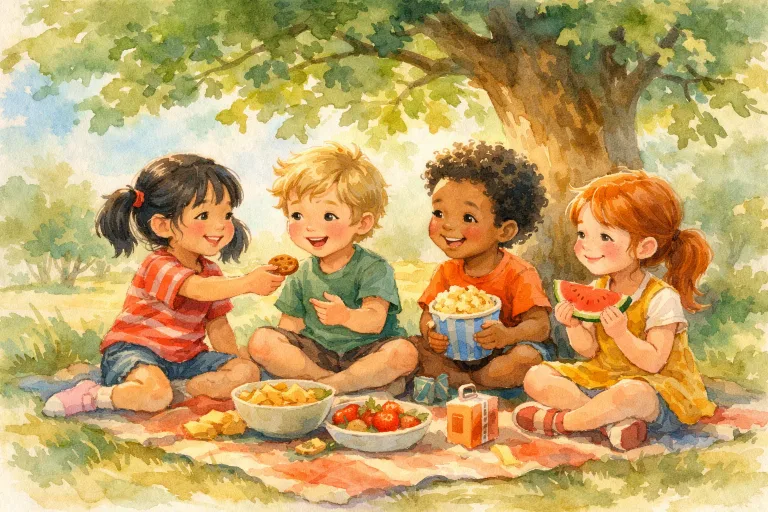
Once in a small village, there was a big, beautiful tree known as the Sharing Tree. Every day, children would gather around it, sharing stories, snacks, and happiness. One day, a new girl named Lily arrived. She was shy and hesitant to join in.
Seeing her alone, Tom, a kind-hearted boy, remembered how he once felt lonely. He invited Lily to play and share his favorite snack. Lily smiled and felt warm inside. Over time, she started playing with others, sharing her toys, and laughing with her new friends.
The villagers noticed how Lily's happiness spread, like the branches of the Sharing Tree reaching out to everyone.
Moral: True kindness and empathy help others feel included and loved.
Talk About It: How did Tom show empathy? Can you think of a time when you helped someone feel better?
Story 2: Maya and the New Student
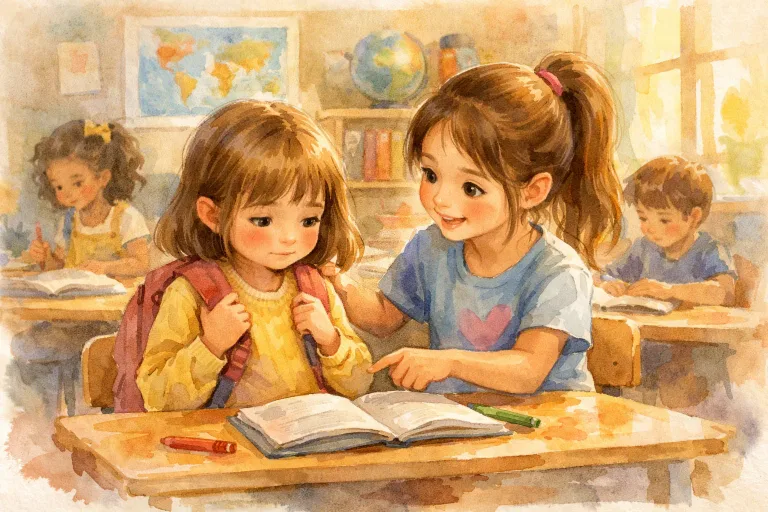
Maya loved her class, but when a new student named Sam arrived, she didn't know how to include him. Sam looked shy and nervous, clutching his backpack tightly. Maya saw this and remembered how she felt on her first day.
Instead of ignoring him, Maya approached Sam and asked if he wanted to join her group. She introduced him to her friends and showed him around. Sam's face lit up with a bright smile. Soon, he was laughing and playing with everyone.
Maya learned that understanding someone’s feelings can turn a stranger into a friend.
Moral: Empathy involves understanding others’ feelings and making them feel welcome.
Talk About It: What can you do if you see someone feeling lonely? How does it feel when someone helps you?
[Learn more about teaching empathy with Anti-Bullying Stories](/blog/anti-bullying-stories-that-teach-empathy/)
Story 3: The Lost Puppy
One sunny afternoon, Lily found a tiny puppy crying near her house. She gently picked it up and saw it was trembling with fear. Lily wondered what the puppy was feeling — scared and alone.
Instead of ignoring it or getting upset, Lily decided to care for the puppy. She gave it water, a warm blanket, and searched for its owner. Lily imagined how scared she would feel if she were lost.
Soon, the puppy’s owner was found, and Lily felt proud of her kindness. She realized that understanding how others feel motivates us to help.
Moral: Empathy means understanding others’ feelings and acting with kindness.
Talk About It: How do you think the puppy felt? Have you ever helped a lost pet or friend?
[Check out more stories about Kindness and Empathy for inspiration]

Story 4: The Apology Letter
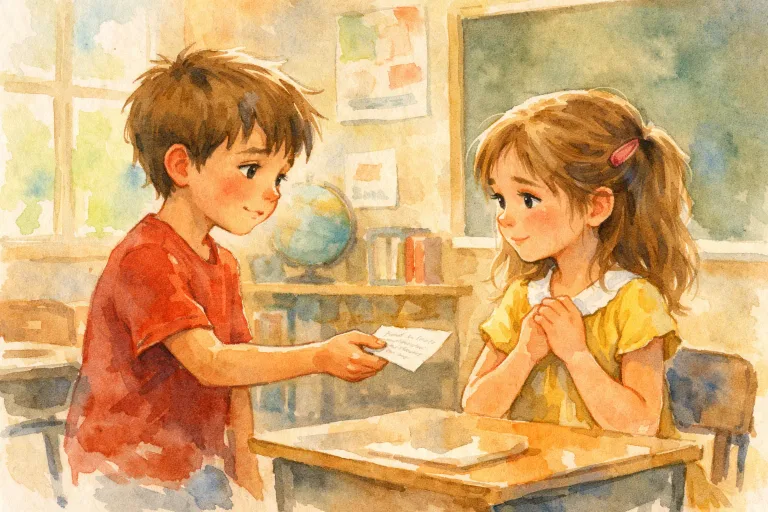
In a busy classroom, Jack accidentally knocked over Sarah’s blocks during playtime. Sarah looked upset, but Jack realized he had hurt her feelings. Instead of ignoring her or making excuses, Jack wrote a heartfelt apology letter.
He explained he didn’t mean to upset her and promised to be more careful. Sarah read the letter and smiled, feeling appreciated and understood. Jack learned that understanding others' feelings leads to forgiveness and friendship.
Moral: Empathy involves recognizing others’ feelings and showing genuine remorse.
Talk About It: Why is it important to apologize? How can understanding someone's feelings help resolve conflicts?
[Discover more about Forgiveness Stories to teach children about reconciliation]
Practical Takeaways and Conclusion
Teaching empathy through stories helps children develop emotional intelligence in a natural, engaging way. Here are some practical tips:
- Use stories as conversation starters about feelings and kindness.
- Encourage children to share their own experiences of empathy.
- Model empathetic behavior in daily interactions.
- Reinforce lessons with related activities, like role-playing or community service.
Empathy is a gift that keeps giving — it nurtures understanding, compassion, and harmony within families and communities.
By sharing these stories and discussing their morals, children learn to see the world through others’ eyes, making kindness a natural part of their lives.
For more inspiring tales to teach key values, explore our collection of Compassion Stories for Kids and Sharing Stories for Kids.
Together, let’s nurture a generation of empathetic, caring individuals!
Continue Exploring Moral Stories
Discover animated moral stories, browse by category, or find age-appropriate reads for your family.
You May Also Like
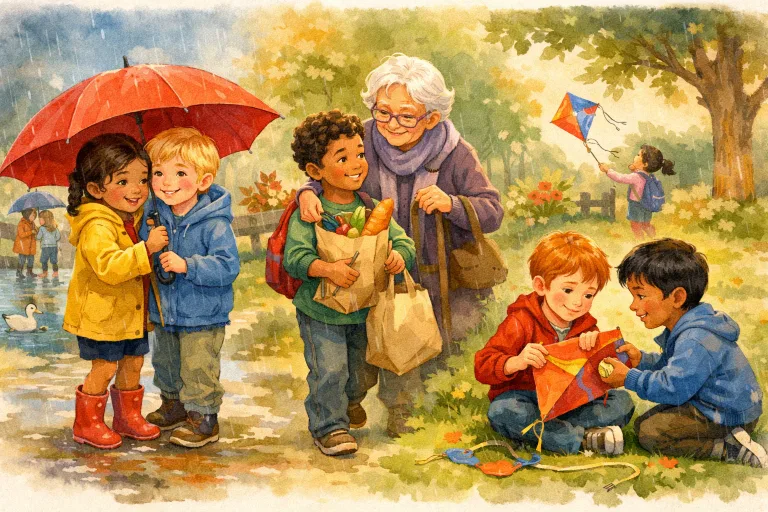
Random Acts of Kindness: 7 Short Stories That Inspire Empathy
Discover seven heartfelt short stories that celebrate random acts of kindness, inspiring empathy and everyday compassion in children and families.
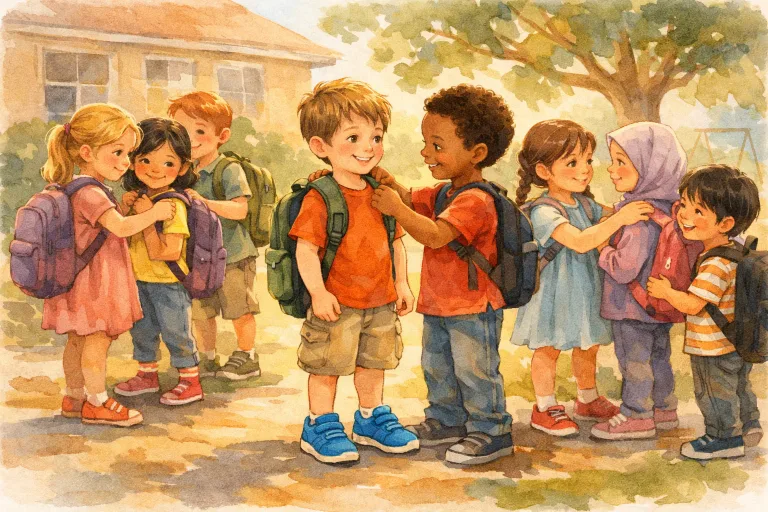
How to Teach Empathy: 5 Powerful Anti-Bullying Stories for Kids
Empathy can be taught. Use these five anti-bullying stories to help children understand kindness, inclusion, and the courage to stand up for others.
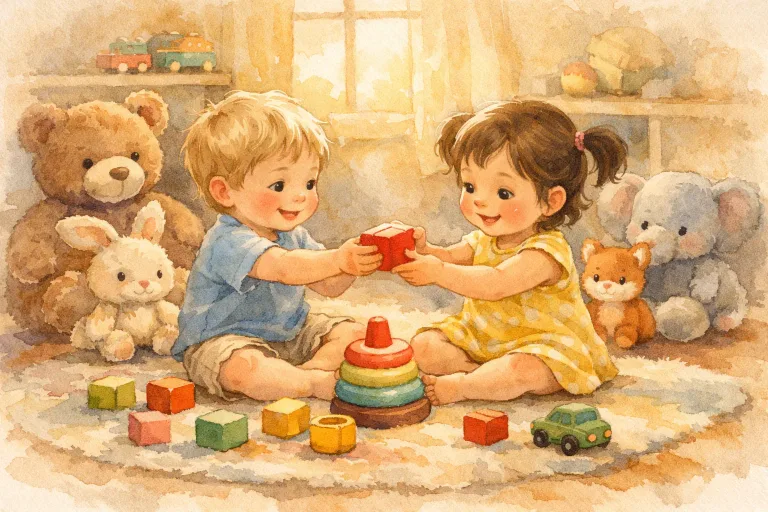
7 Simple Stories About Sharing to Teach Your Toddler Kindness
Teach your toddler kindness and empathy with these seven gentle, easy-to-understand stories about sharing, perfect for family read-aloud time.
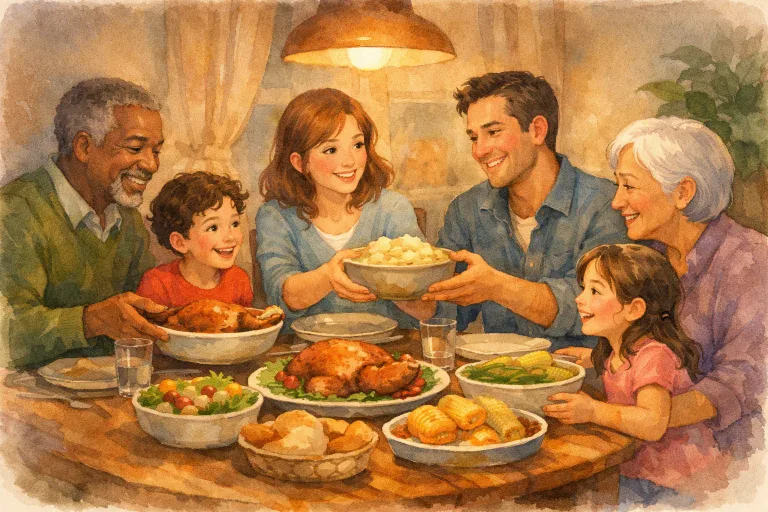
How to Say Thank You: 7 Beautiful Stories That Teach Kids Gratitude
Discover seven heartwarming moral stories that teach children the beauty of gratitude and thankfulness, along with simple family habits to nurture appreciation every day.