
The Story of Dalai Lama: 5 Major Struggles and 5 Moral Values
The Story of Tenzin Gyatso: A Child Who Grew Into a Voice for Peace
Far above the busy roads and crowded cities, where the air is thin and the mountains seem to touch the sky, a little boy was born in Tibet. His name was Tenzin Gyatso.
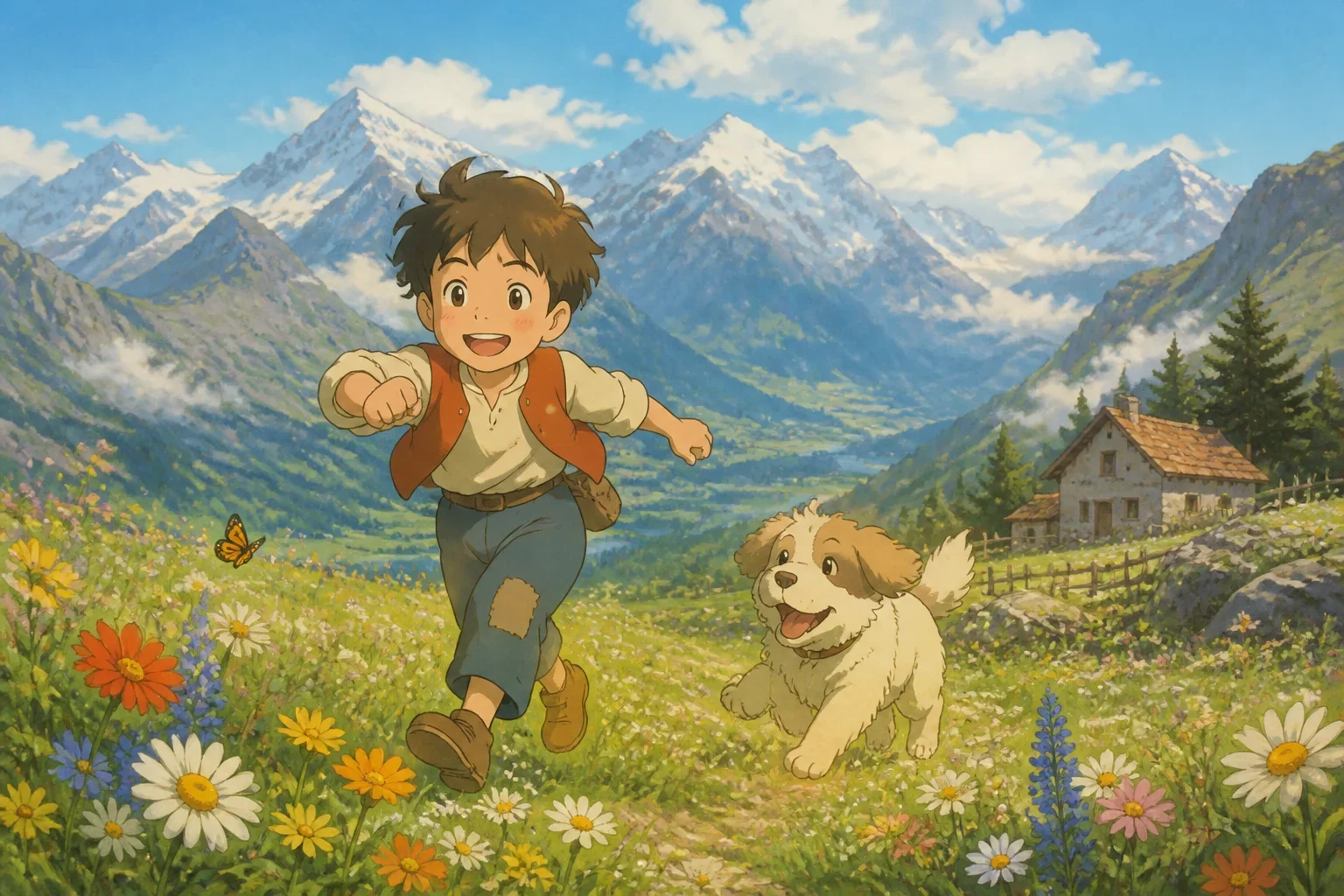
Before the world knew him as the 14th Dalai Lama, he was simply a child—curious, bright-eyed, and full of wonder. He noticed small things: the hush of wind over the hills, the soft shuffle of robes in quiet rooms, the way people’s faces changed when someone spoke kindly to them.
No one could have guessed how many difficult days lay ahead for him. No one could have guessed that this gentle boy would one day carry the hopes of many people.
Yet from the very beginning, Tenzin’s story was not only about struggle. It was also about kindness, courage, and choosing peace when anger would have been easier.
A Boy Chosen for a Great Responsibility
When Tenzin was still very young, important elders came to see him. They believed he was no ordinary child. According to Tibetan tradition, they recognized him as the next Dalai Lama.
This meant his life would change forever.
He would leave behind the simple rhythm of childhood and begin learning how to guide others with wisdom and compassion.
That sounds like a great honor—and it was. But it was also a heavy responsibility for a child.
Imagine being very young and hearing that many people would look to you for hope. Imagine loving home, family, and familiar places, yet knowing your path would be different.
Tenzin accepted this path with a calm heart. He studied, listened, prayed, and learned. As he grew, so did his understanding that real leadership is not about power. It is about serving others.
Struggle 1: Growing Up Too Soon
Most children spend their early years playing freely, making mistakes, and learning little by little. Tenzin had to grow up faster than most.
He was expected to learn important teachings, meet leaders, and carry himself with care. Even as a boy, he had to think about the needs of others.
That could not have been easy.
There were surely moments when he must have felt small under such a large duty. But instead of becoming proud or frightened, he kept learning.
He discovered one of the first great values of his life:
Moral Value 1: Responsibility
Being responsible does not mean never feeling afraid. It means doing your best, even when something important feels big.
Struggle 2: Losing the Safety of Home
As Tenzin grew older, trouble came to Tibet. In 1950, when he was still very young, his homeland faced invasion. The peaceful world around him changed.
The mountains were still there. The prayer flags still fluttered. But fear had entered people’s hearts.
Tenzin was only a teenager when he had to take on even more responsibility during a dangerous and uncertain time. Imagine looking at the worried faces of your people and knowing they needed reassurance from you.
He could not stop the storm around him. But he could choose how to respond.
He chose calm over panic. He chose care over hatred.
That choice showed another powerful lesson:
Moral Value 2: Courage
Courage is not the absence of fear. Courage is staying steady when life becomes difficult.
Struggle 3: The Pain of Exile
One of the hardest chapters of Tenzin Gyatso’s life came when he had to leave Tibet and flee to India.
Leaving home is never simple. Leaving home because it is no longer safe is heartbreaking.
He had to travel through danger, uncertainty, and sadness. Behind him was the land he loved. Ahead of him was an unknown future.
Think of what that must have felt like: missing familiar voices, familiar places, familiar skies. Missing the comfort of belonging.
And yet, even in exile, he did not let sorrow turn into bitterness.
Instead, he kept thinking about his people and how to help them preserve their culture, their hope, and their dignity.
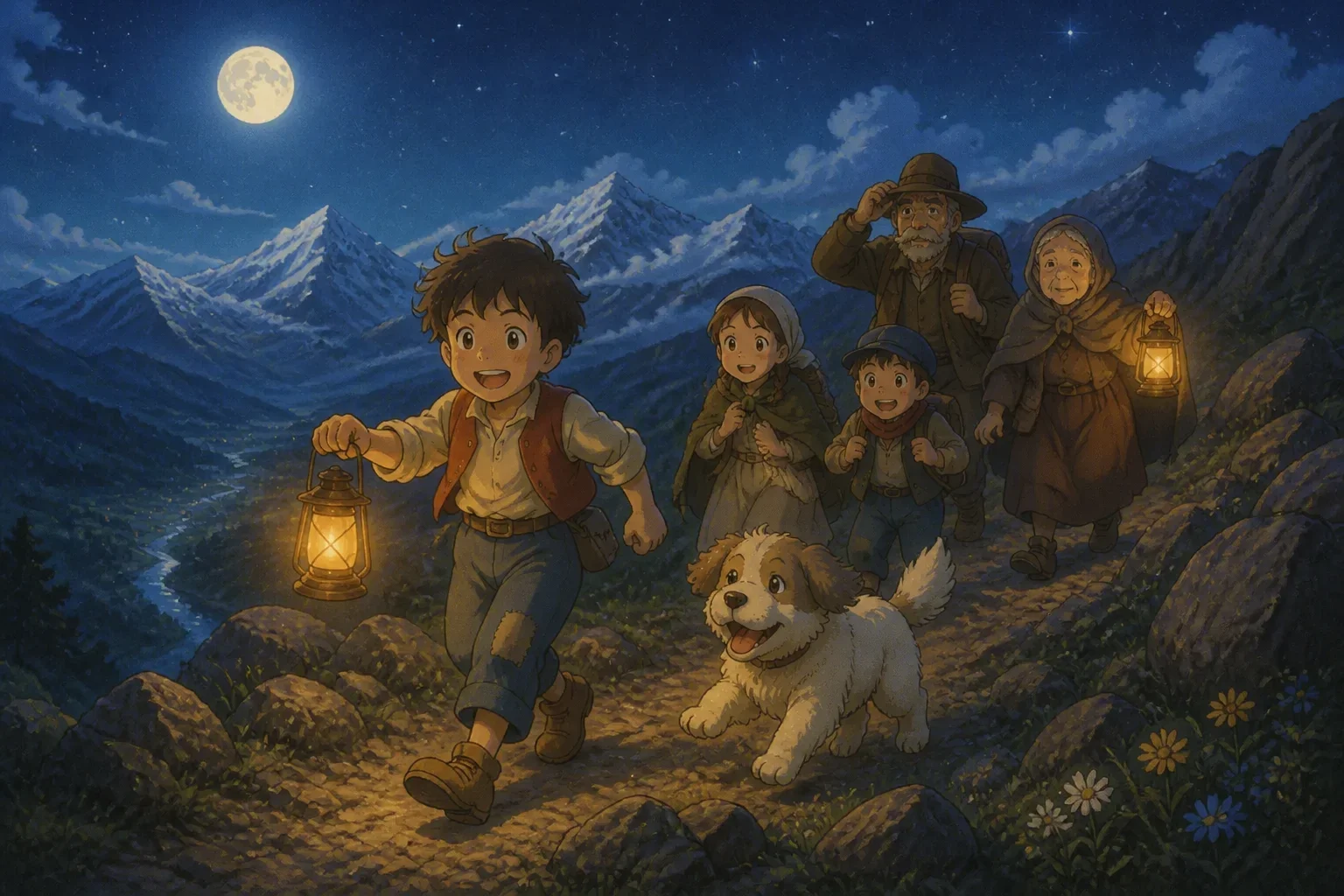
This part of his life teaches:
Moral Value 3: Perseverance
When life changes in painful ways, we can keep going one step at a time.
A New Life in India
India became a place of refuge for Tenzin Gyatso and many Tibetans.
But starting over in a new country is not easy. New surroundings can feel strange. New routines can feel uncomfortable. Even when people are kind, change can still be lonely.
Tenzin had to build a life far from home while also helping others do the same.
He worked to support Tibetan traditions, education, and community. He spoke to people around the world about peace, understanding, and human dignity.
He did not speak with a voice full of revenge. He spoke with a voice full of compassion.
That is one reason so many people listened.
Struggle 4: Carrying Sorrow Without Spreading Anger
Many people, after suffering loss, become harsh and angry. That reaction is understandable. Pain can make hearts feel heavy.
But Tenzin Gyatso believed that anger alone could not heal the world.
This did not mean he ignored suffering. It meant he refused to let suffering decide the kind of person he would become.
Again and again, he encouraged peace, dialogue, and understanding.
He reminded people that every human being wants happiness and does not want pain.
This gives us another important lesson:
Moral Value 4: Compassion
Compassion means caring about others, even when life has been unfair to you.
That is not weakness. That is a very deep kind of strength.
Struggle 5: Waiting Patiently for Change
Some struggles are loud and sudden. Others are quiet and long.
One of the greatest difficulties in Tenzin’s life was waiting—year after year—while continuing to hope for peace and justice.
Waiting can be hard for anyone. It is especially hard when the thing you hope for matters deeply.
But he kept teaching. He kept encouraging non-violence. He kept believing that patience and wisdom matter.
This long chapter of his life teaches:
Moral Value 5: Patience
Patience does not mean doing nothing. It means keeping your heart steady while continuing to do what is right.
A Voice the World Heard
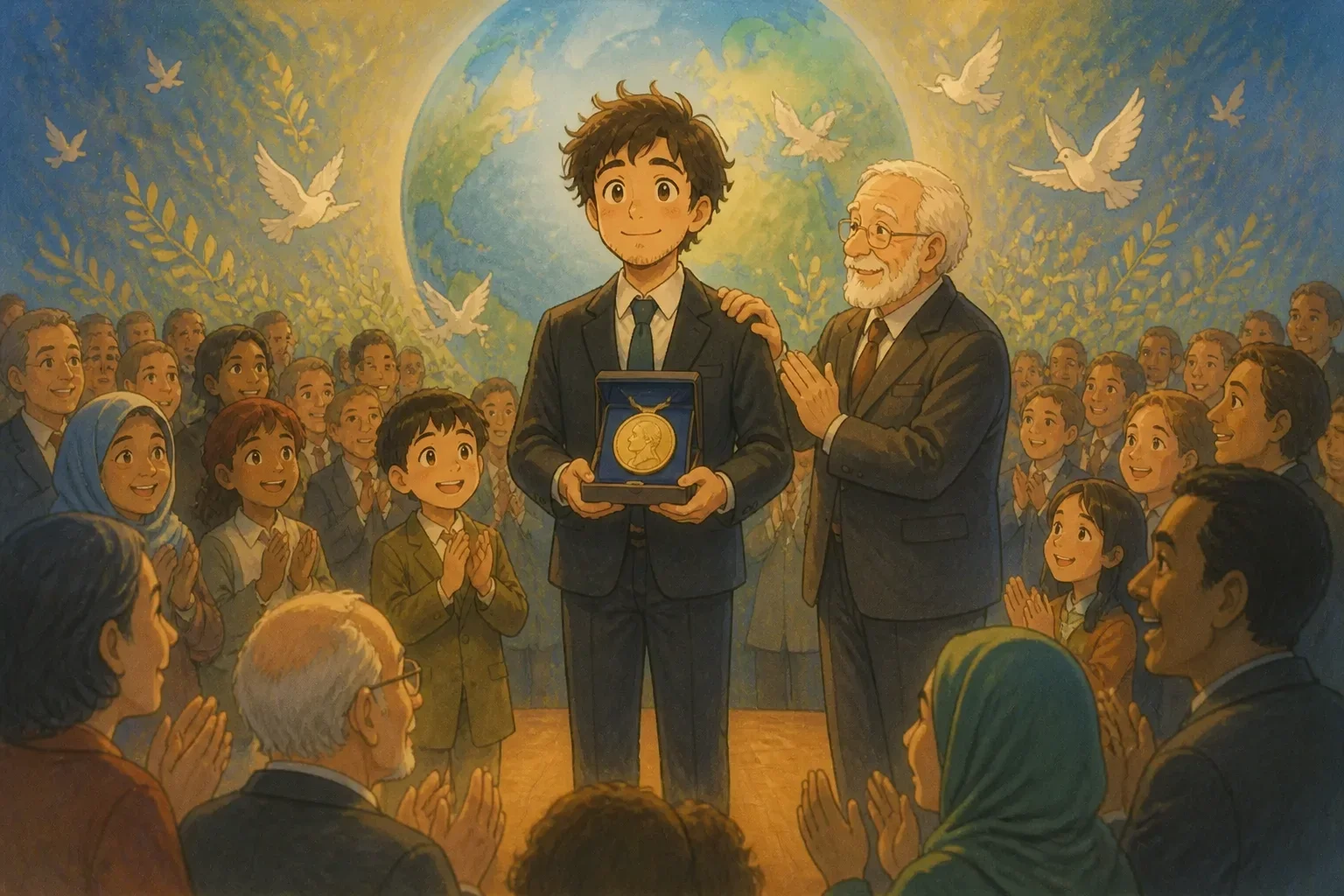
Over time, people around the world came to admire Tenzin Gyatso for his message of peace. In 1989, he received the Nobel Peace Prize, an honor that recognized his commitment to non-violence and compassion.
But what made him memorable was not simply the award. It was the way he responded to hardship.
He showed that a person can face loss without losing kindness. He showed that a leader can be gentle and still be strong. He showed that peace begins not only in governments and meetings, but also in hearts, words, and daily actions.
Why This Dalai Lama Story Matters for Kids
Children may not face the same struggles Tenzin Gyatso faced, but they do face their own hard moments.
They may feel left out. They may have to move to a new place. They may feel pressure, sadness, or fear. They may be tempted to answer hurt with hurt.
This story reminds children that they always have choices. They can choose kindness. They can choose patience. They can choose courage. They can choose peace.
And those choices matter.
Key Takeaways for Kids
- Responsibility: Important tasks can feel heavy, but doing your best matters.
- Courage: You can be brave even when you feel scared.
- Perseverance: Keep going through hard times, one step at a time.
- Compassion: Kindness is powerful, especially when life is difficult.
- Patience: Good change can take time, so do not give up too soon.
Moral of the Story
True greatness comes from choosing compassion, courage, patience, and peace—even during life’s hardest struggles.
If you are looking for children's moral stories, inspiring life stories for kids, or a thoughtful bedtime story about peace and courage, the story of the Dalai Lama offers a gentle but powerful lesson: the strongest hearts are often the kindest ones.

Watch the Animated Story
Watch on YouTube
Related Stories
Lazy Donkey Who Finally Helped: A Moral Story on Hard Work
The Lazy Donkey Who Finally Helped In a sunny little village tucked between green hills and golden fields, there lived…

Emily the Celebrity| Inspiring Moral Story for Kids
Emily the Celebrity and the Girl With the Sketchbook In the city of Starville, everything seemed to sparkle. Billboards…
The Retiring Carpenter Story: A Powerful Moral About Doing Your Best
The Retiring Carpenter In a quiet village where morning mist curled over the fields and sparrows nested in old apple…
The Two Wolves Story: A Powerful Moral Tale About Choosing Kindness
The Story of Two Wolves On the edge of a quiet mountain village, where prayer flags fluttered in the wind and…
Isabella the Young Fashion Designer: A Moral Story
Isabella the Young Fashion Designer In the bright little town of Artistry, windows were painted with rainbows, flower…

Bees and the Beetles: A Moral Story About Hard Work
The Bees and the Beetles On the edge of a bright summer garden stood a tall old hive, golden in the afternoon sun. From…
The Story of Socrates for Kids: A Moral Tale About Asking Questions
The Story of Socrates Under the Olive Tree Long ago, in the busy city of Athens, there lived a man who did not wear a…

Thomas the Advocate | Moral Story About Truth and Justice
Thomas the Brave Advocate In a cheerful town filled with bicycle bells, market chatter, and rows of little houses with…