
THE GOOD SAMARITAN: A Lesson in Humanity and Empathy
The Good Samaritan: A Lesson in Humanity and Empathy
The road from Jerusalem to Jericho was not a friendly road.
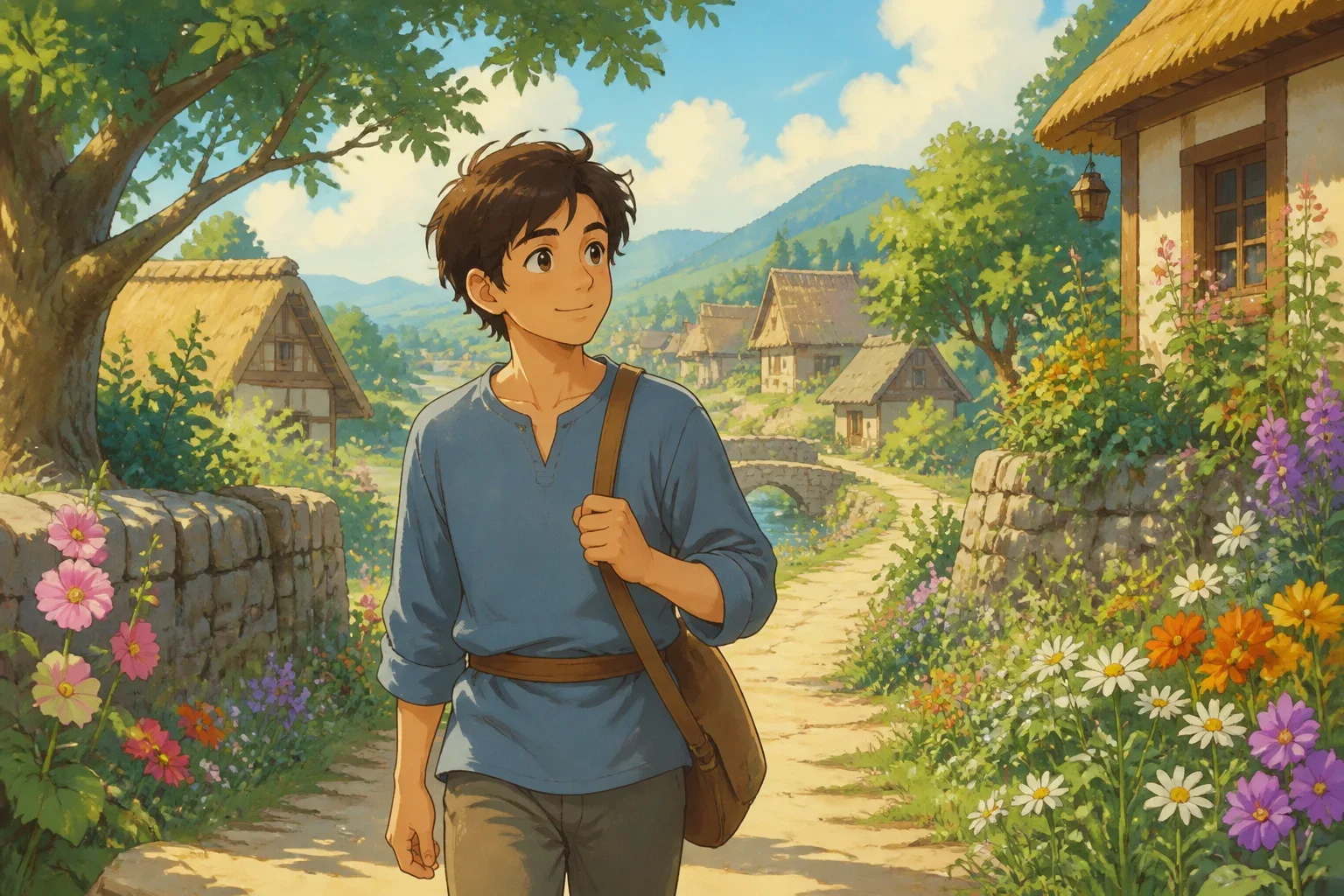
It twisted between rocky hills and silent cliffs, where the wind whistled through cracks in the stone. Travelers often walked quickly there, glancing over their shoulders, eager to reach the next town before sunset.
One afternoon, a man was making that journey alone. He had been to the market and was hurrying home with tired feet and a hopeful heart. But before he could reach safety, robbers rushed out from behind the rocks.
They stole what he had, tore his clothes, beat him badly, and ran away, leaving him hurt and helpless by the side of the road.
The man tried to call for help, but his voice came out weak and shaky.
"Please... someone... help me..."
Then everything was quiet again.
He lay there in the dust, frightened and in pain, wondering if anyone would stop.
The First Traveler
After a while, footsteps echoed along the road.
A priest was coming that way. His robe was clean, and his pace was steady. When he saw the injured man, he slowed down.
For one tiny moment, it seemed he might help.
But instead, he looked away.
Perhaps he was in a hurry. Perhaps he felt afraid. Perhaps he told himself someone else would come.
Whatever the reason, he crossed to the other side of the road and kept walking.
The injured man watched him go. His heart sank.
The Second Traveler
Later, another man came along—a Levite, someone people respected for serving in the temple.
He noticed the injured man too. He even stepped closer and looked at him.
The hurt man lifted his hand a little. "Please," he whispered.
But the Levite did not stay.
He also moved on, leaving the man alone once more.
Now the sun felt hotter. The road felt emptier. The injured man closed his eyes and wondered if kindness had disappeared from the world.
The Stranger Who Stopped
At last, another traveler approached.
He was a Samaritan.
Now in those days, many people looked down on Samaritans. Some would not speak to them. Some avoided them completely. So if anyone had expected this traveler to ignore the wounded man, they would not have been surprised.
But the Samaritan did something different.
He stopped.
Not just for a second. Not just to stare.
He stopped because he cared.
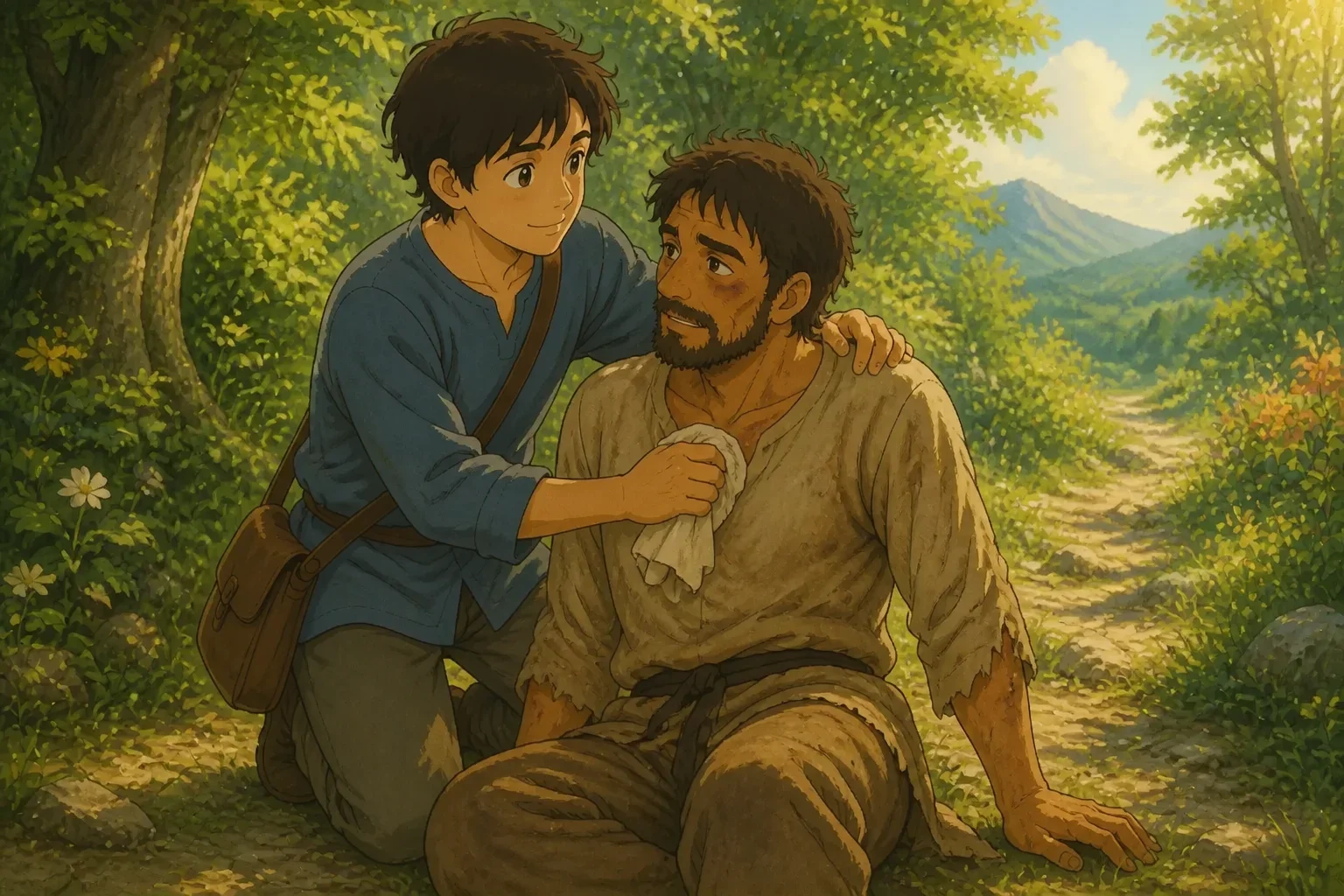
When he saw the injured man, his face softened with concern. He knelt in the dust beside him.
"You’re hurt badly," he said gently. "Don’t be afraid. I’m here now."
The wounded man opened his eyes. He seemed surprised that this stranger had come close.
"Why are you helping me?" he asked faintly.
The Samaritan poured oil and wine on the man’s wounds to clean and soothe them, then carefully wrapped them with cloth.
"Because you need help," he replied. "And that is reason enough."
Those simple words felt like cool water on a burning day.
Kindness That Cost Something
The Samaritan did not stop with kind words.
He lifted the injured man as carefully as he could and placed him on his own donkey. Then he walked beside him along the rough road, leading the animal slowly so the man would not be hurt more.
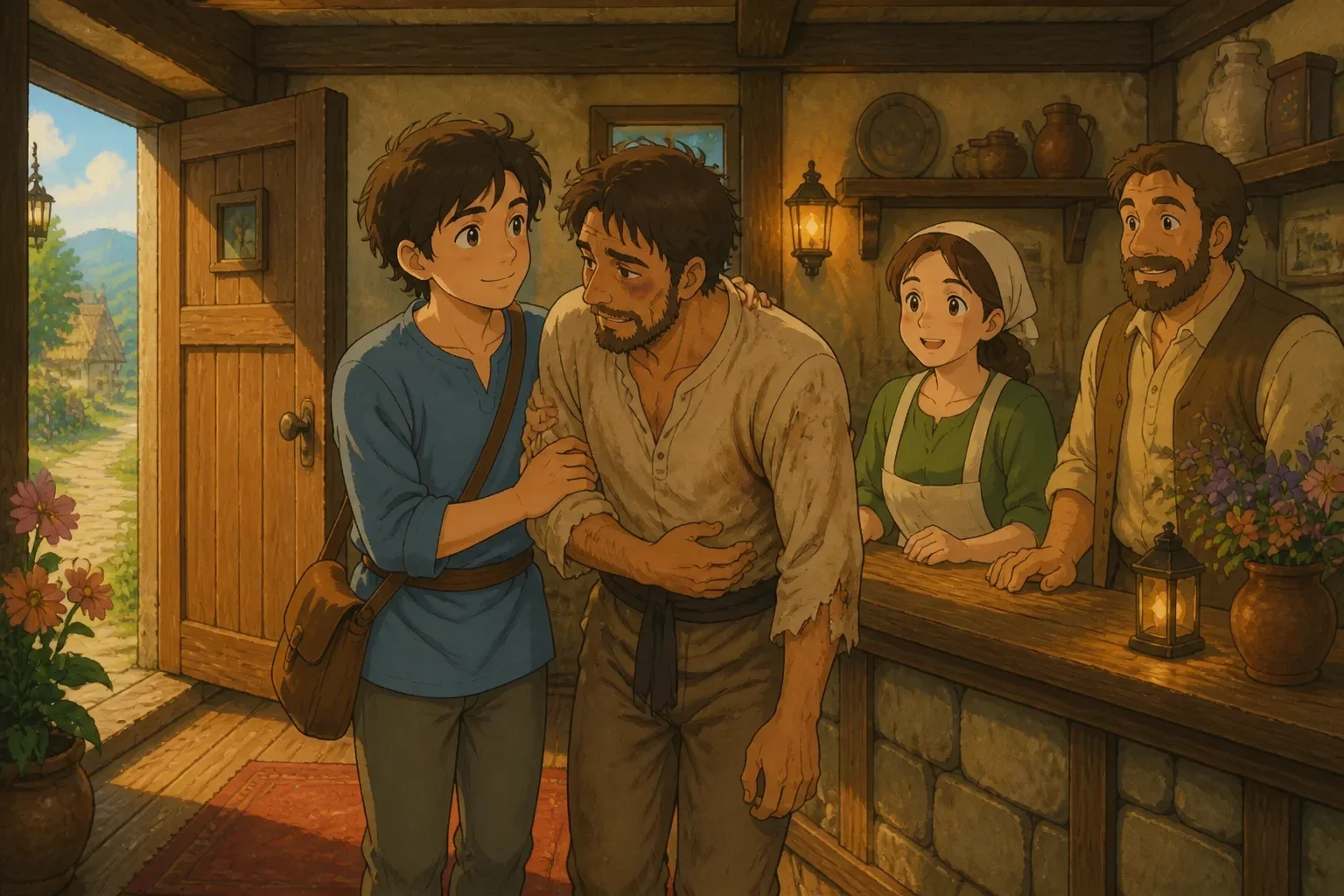
By the time they reached a nearby inn, evening shadows had stretched across the ground.
The innkeeper opened the door and blinked in surprise.
"This man has been badly injured," the Samaritan said. "He needs a bed, food, and care."
Together they brought the man inside. The innkeeper fetched water. The Samaritan stayed near, helping him drink and making sure he was warm.
All through the night, he cared for someone he had never met before.
In the morning, the Samaritan prepared to leave. He placed money in the innkeeper’s hand and said, "Please look after him. If it costs more, I will pay you when I return."
This was not a small kindness.
It took time. It took effort. It took money. It took courage.
But real compassion often does.
A New Understanding
When the injured man was stronger, he thought about everything that had happened.
Two important men had passed him by. A stranger had become his rescuer.
The one who truly acted like a neighbor was not the one with the finest title, the most respected position, or the easiest words.
It was the one who chose mercy.
And that is why people still remember this story today.
The Good Samaritan showed that kindness is not about who is easiest to love. It is about seeing someone in need and choosing to help.
Why This Story Still Matters for Kids
Children hear many messages about being smart, fast, strong, or successful. But The Good Samaritan reminds us of something even more important: a good heart matters most.
This classic moral story for kids teaches that:
- we should care about people even if they are different from us
- helping others is more important than making excuses
- true kindness is shown through action, not just words
- anyone can be a hero by choosing compassion
Key Takeaways for Kids
- If someone needs help, don’t ignore them.
- Kindness should be given to everyone, not just friends.
- Being a good person means taking action.
- Even small acts of care can make a big difference.
Moral of the Story
A true neighbor is someone who shows kindness, mercy, and help to anyone in need.
Watch the Animated Story
Watch on YouTube
Related Stories
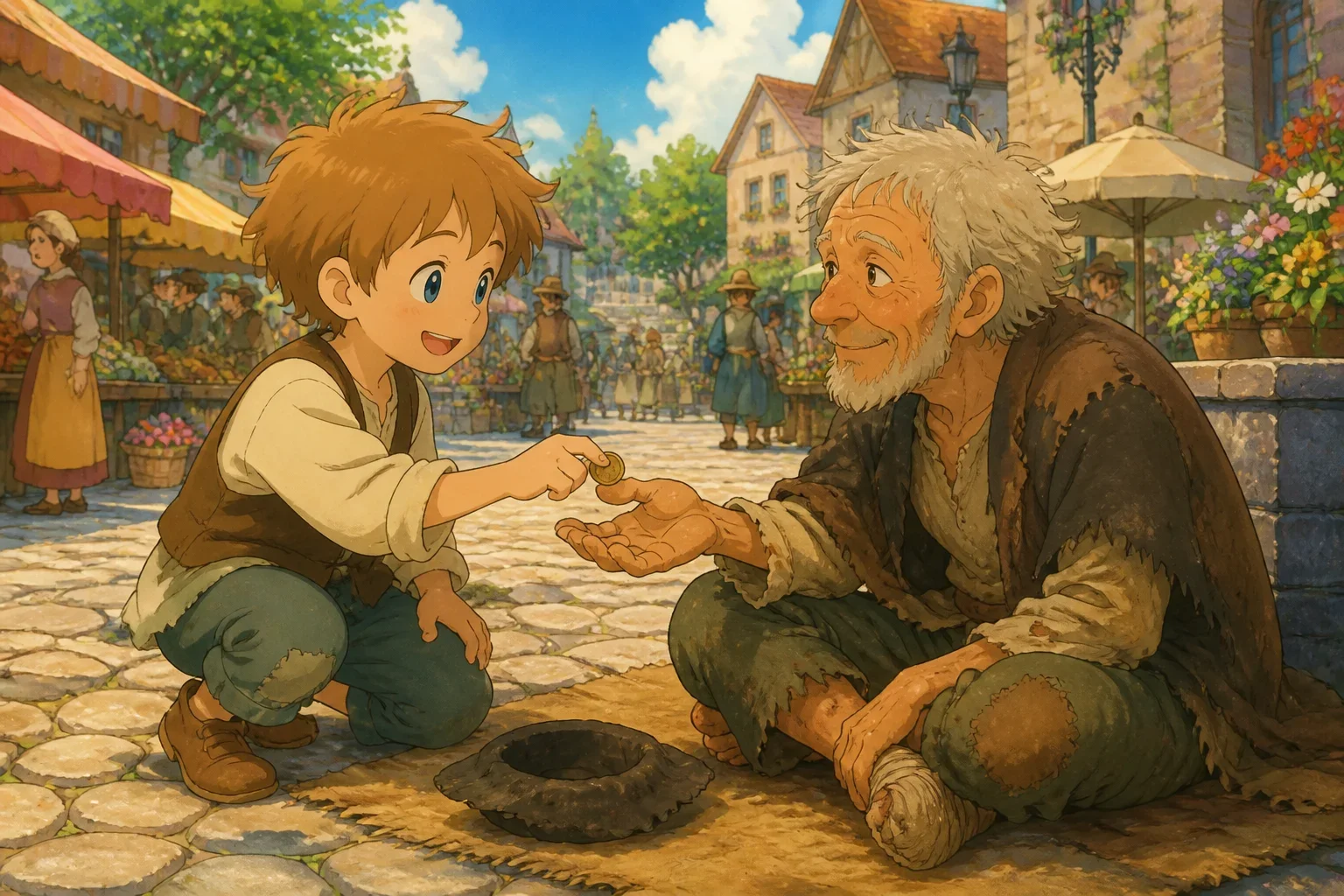
The Beggar’s Blessing: A Moral Story About Kindness for Kids
The Beggar’s Blessing In a lively little town where market bells rang each morning and the smell of fresh bread drifted…
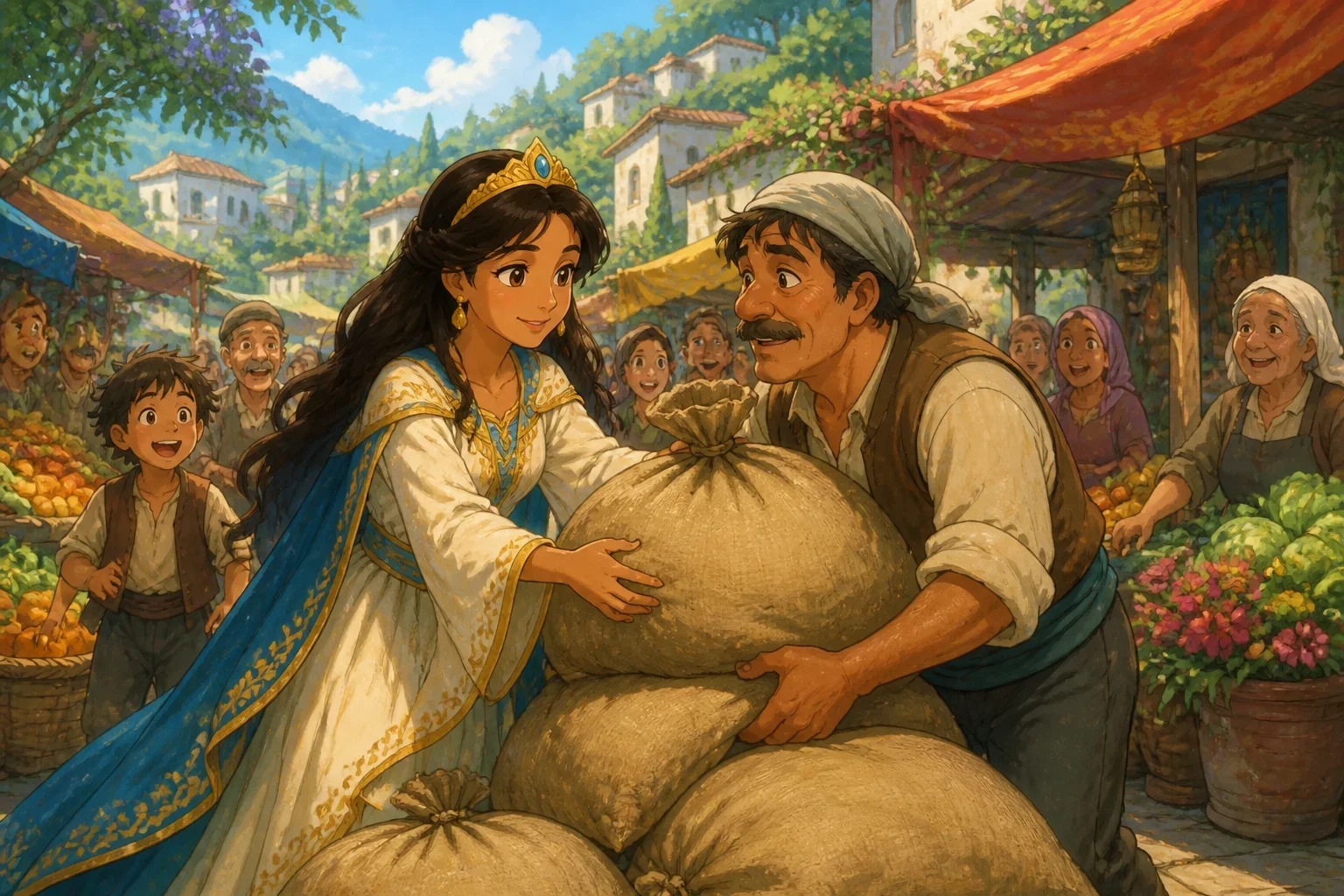
The Most Loving Princess Story: A Tale of Kindness
The Most Loving Princess At the top of a green hill, where morning light touched the castle windows like melted gold,…
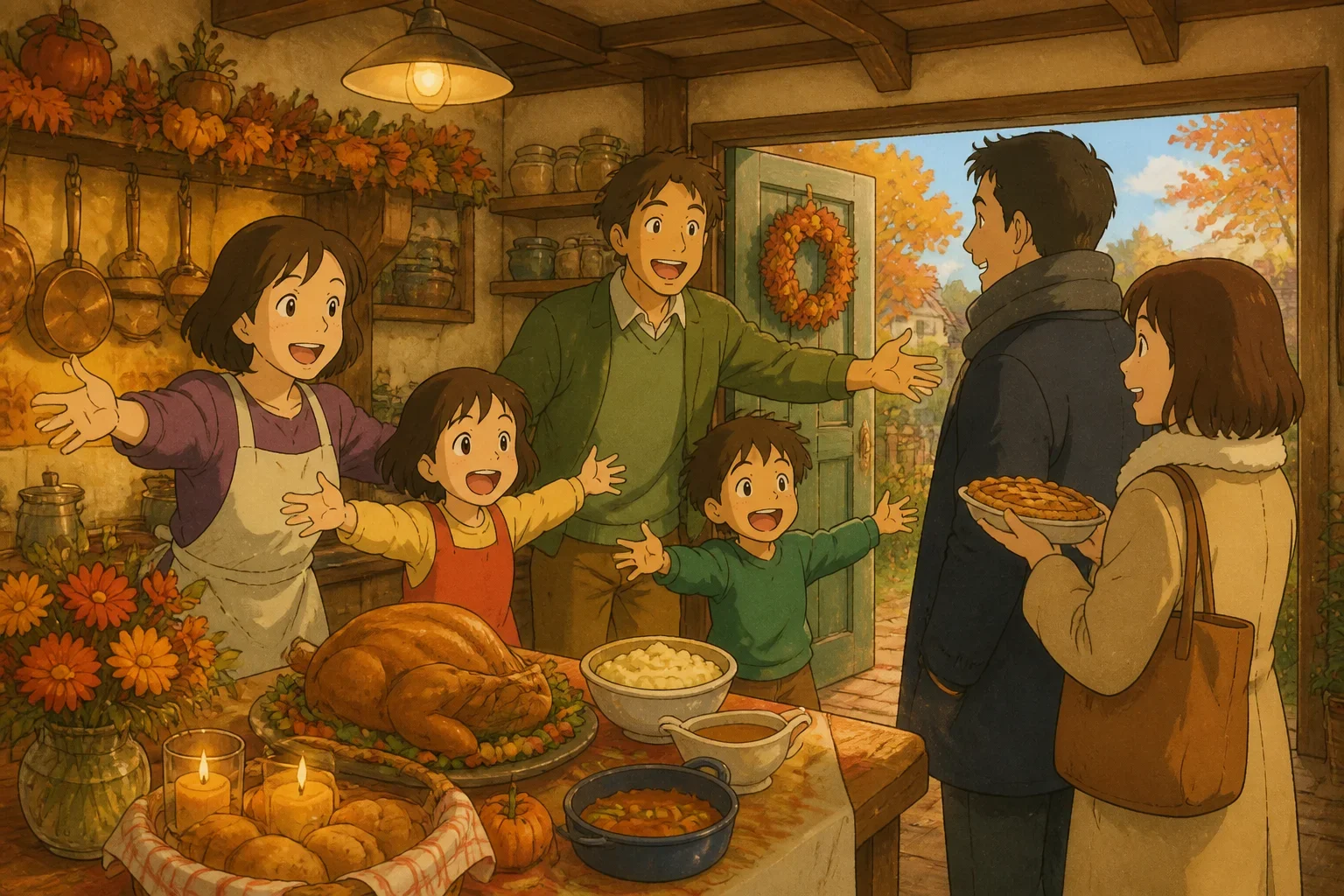
Thanksgiving: A Heartwarming Story of Sharing and Kindness
The True Meaning of Thanksgiving On Thanksgiving morning, the Thompson house smelled like butter, cinnamon, and…
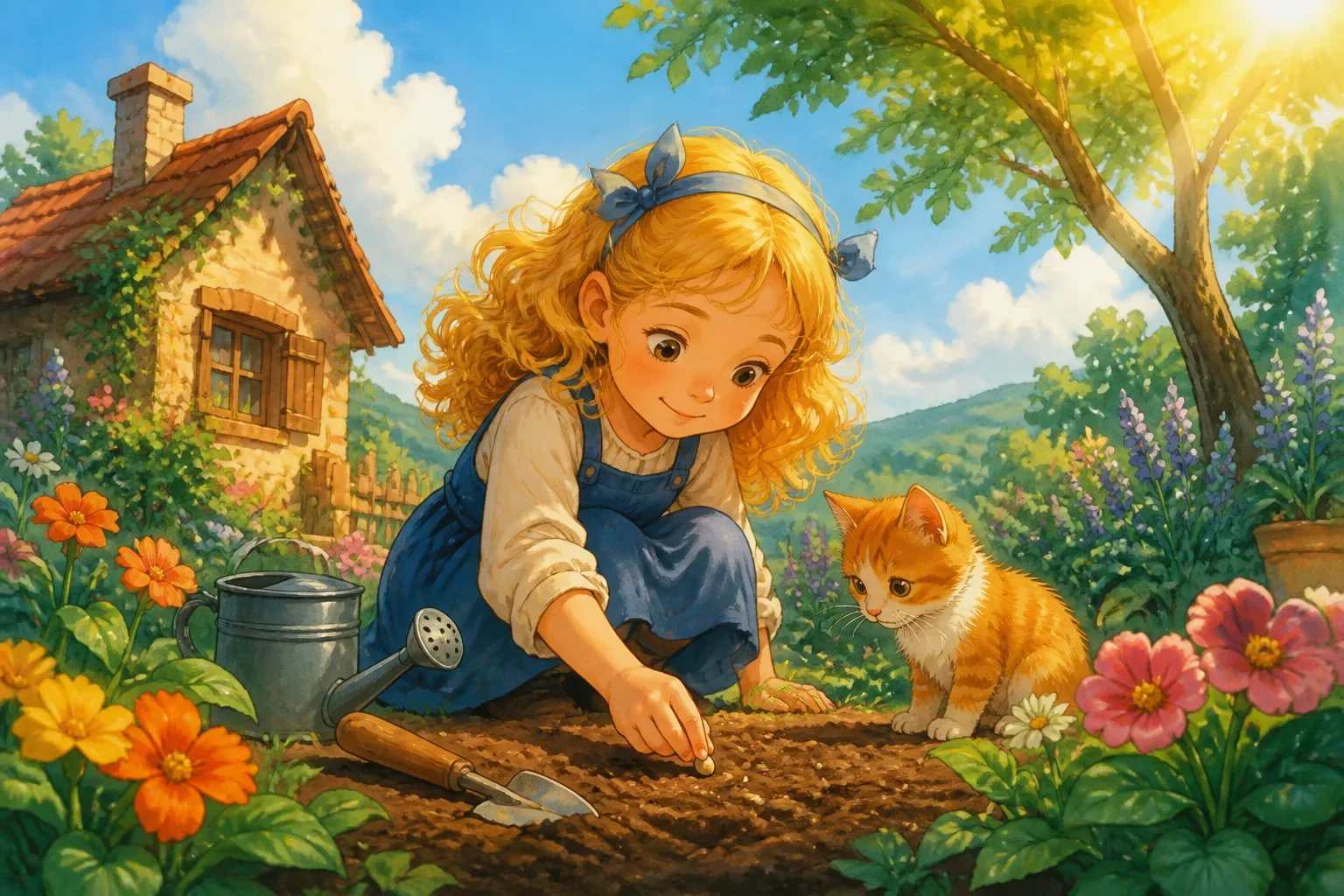
The Seed of Kindness Story: How Lily Helped Mr. Grumble
The Seed of Kindness At the very edge of a cheerful little village, where laundry danced on clotheslines and ducks…