The Past's Obsession - A Moral Tale Inspired by 'The Great Gatsby' Novel
The Past's Obsession: A Moral Tale About Learning to Move Forward
At the edge of a peaceful town, where willow trees leaned over a silver-blue lake, stood a cottage with green shutters and climbing ivy. Children loved to peek through its little gate because the garden inside looked like a painting—roses nodded in the breeze, bees hummed lazily over lavender, and smooth white stones curved into a path that led to a wooden bench by the water.
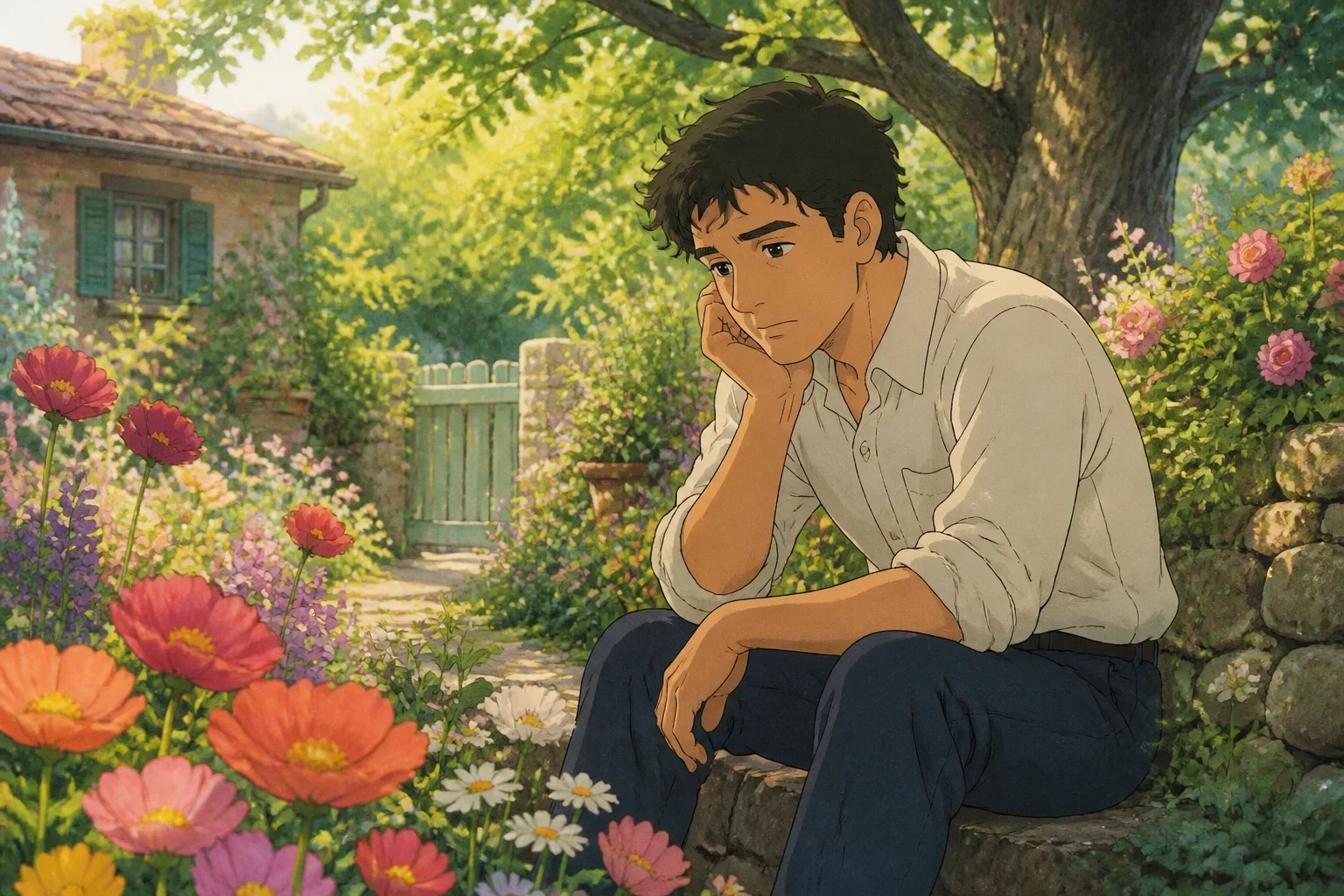
The cottage belonged to John Harrison.
Everyone in town thought John had one of the loveliest homes they had ever seen. But if they looked closely, they would notice something else too: John was almost always staring across the lake, as if waiting for someone who never came.
Long ago, on a glowing summer evening filled with lanterns and music, John had met Daisy. She had laughed at one of his clumsy jokes, and the sound of it had stayed in his heart ever since. They had talked for hours under strings of golden lights, sharing dreams about the future.
Back then, John had believed some moments could last forever.
But seasons changed. Life became busy and complicated. Roads led in different directions. Little by little, Daisy became part of yesterday.
John, however, never truly accepted it.
He kept old ribbons from party decorations in a box. He remembered the exact song that had been playing the night they met. He could still picture the color of Daisy's dress when she waved goodbye. Instead of enjoying the bright mornings and cheerful afternoons around him, John spent more and more time polishing old memories until they felt brighter than real life.
His friends noticed.
One afternoon, as dragonflies skimmed over the lake, John's best friend Mark found him sitting on the bench, staring at the water.
"You are here," Mark said gently, sitting beside him, "but your thoughts are somewhere else again."
John gave a small, tired smile. "I was just remembering."
Mark picked up a pebble and tossed it into the lake. Ripples spread across the shining surface.
"Remembering isn't wrong," Mark said. "But you keep trying to live inside the memory, and memories are not homes."
John looked down at his hands. "What if I let go and lose everything?"
Mark's voice was warm and steady. "Keeping a memory in your heart is different from chasing it so hard that you miss the life in front of you."
John wanted to listen.
But wanting to listen and being ready to change were not the same thing.
That very evening, an idea bloomed in his mind.
If Daisy had once come to a grand summer party... maybe she would come again.
So John decided to host the most beautiful gathering the town had seen in years.
For days, he worked from sunrise to moonrise. He hung lanterns from the trees until the garden glowed like a field of tiny stars. He spread long tablecloths across wooden tables and filled glass bowls with floating flowers. He baked honey cakes, arranged berries in bright dishes, and borrowed musicians from the town square.
Neighbors passing by stopped to admire the preparations.
"What a wonderful celebration!" they said.
John smiled politely, but inside, his heart beat with only one hope.
Maybe Daisy will come.
Maybe everything will be the way it was.
When the night of the party arrived, the garden sparkled. Laughter drifted through the air. Children chased one another between the lanterns. Violin music curled softly above the chatter of guests. The scent of warm bread and roses mixed with the cool lake breeze.
Mark watched John from across the garden and knew exactly what his friend was doing.
John greeted every guest kindly, but his eyes kept darting toward the gate.
Every creak made him turn. Every shadow made him hope. Every new arrival made his heart leap.
But each time, it was only a neighbor, a cousin, a baker, a family with sleepy children, or an old friend carrying a pie.
As the evening stretched on, the lanterns seemed dimmer to John, though they still shone brightly for everyone else.
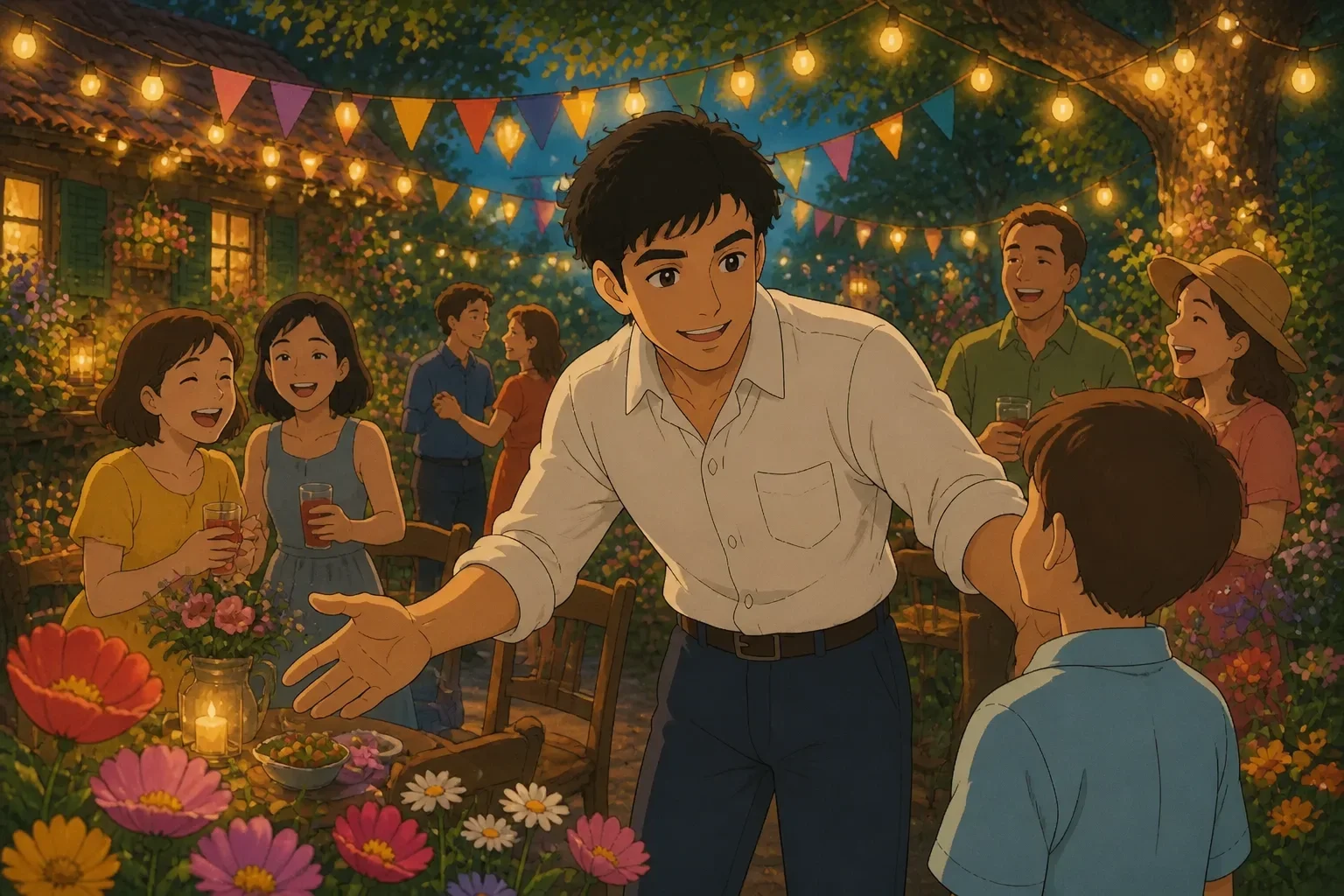
Then, at last, the gate opened once more.
John straightened so quickly that his chair scraped the stone.
A woman stepped in.
For one breathless moment, he thought it was Daisy.
But it wasn't.
She was a stranger with kind eyes and a blue shawl, smiling as she asked, "Am I too late for the music?"
John answered politely, but something inside him sank like a stone dropped deep into the lake.
The party continued around him—full of joy, full of life—but John could no longer hear it properly. The laughter sounded far away. The music blurred. He slipped quietly through the garden and down the moonlit path to the bench by the water.
The lake shimmered under the stars.
For a long while, he said nothing at all.
Then he whispered into the night, "I've been waiting for a door that already closed."
A voice behind him answered softly, "Sometimes we keep staring at a closed door and forget to notice the open window beside it."
It was Mark.
John let out a shaky breath. "I thought if I made everything perfect enough, I could bring the past back."
Mark sat beside him. "The past can be precious," he said. "But it cannot be relived exactly as it was. Trying to force it only brings pain."
John's eyes filled with tears—not loud tears, but the quiet kind that come when a person finally tells themselves the truth.
He looked across the lake, at the same water he had stared at so many times before. Tonight it looked different. Not because the lake had changed, but because he had.
Behind him, from the garden, came the sound of music, forks clinking on plates, and friends calling to one another. Real people. Real laughter. A real evening still happening.
John wiped his eyes.
"I've missed so much, haven't I?" he asked.
Mark smiled sadly, but kindly. "You can start noticing it now."
John stood up slowly.
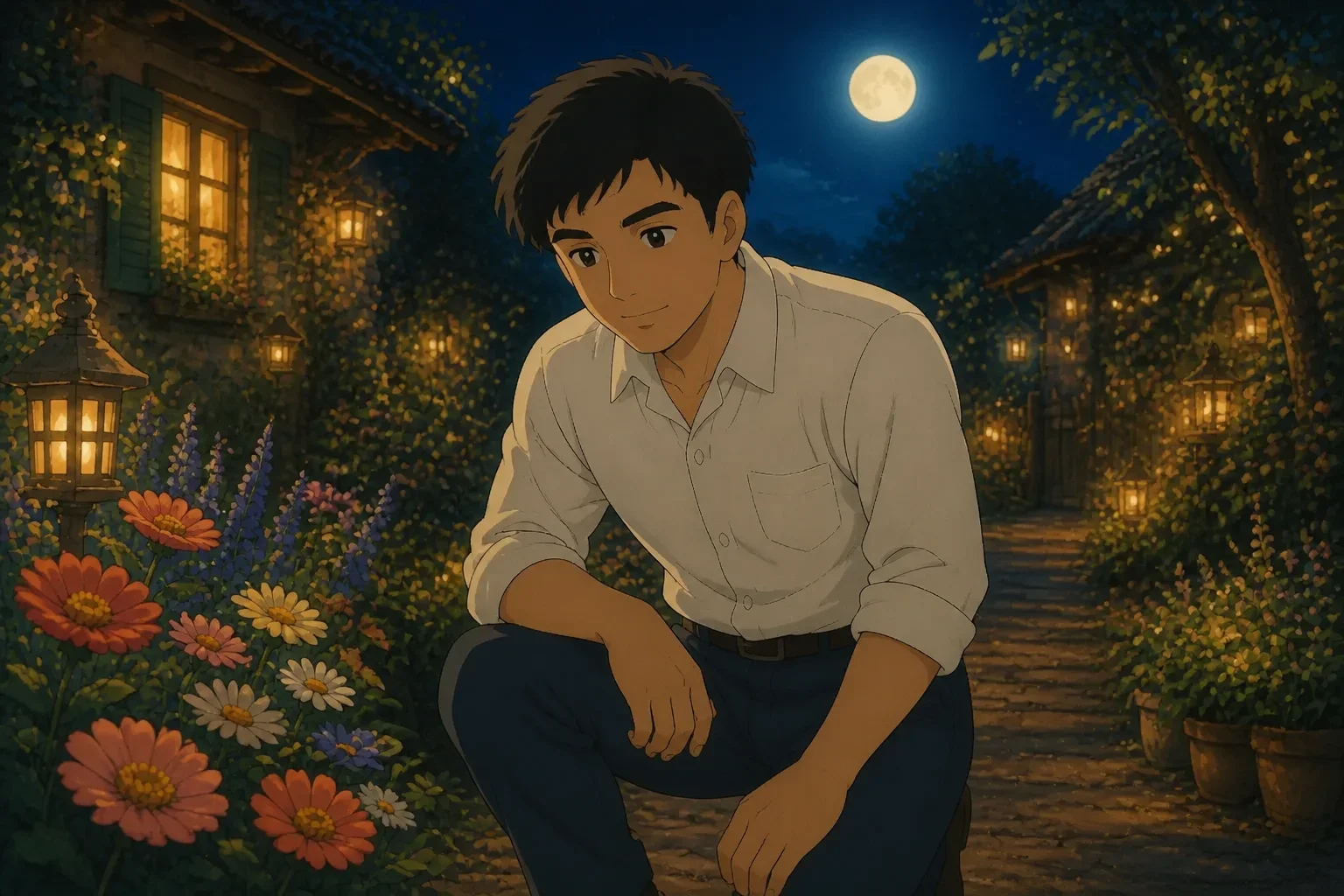
For the first time in a very long while, he stopped looking for someone who wasn't there.
Instead, he turned toward the people who were.
When he walked back into the garden, the party had not vanished. His friends were still laughing. The musicians were still playing. The children were still twirling under the lanterns. An elderly neighbor waved him over to taste a plum tart. Someone else asked him to join a song.
And this time, John said yes.
He sat with his friends. He listened to their stories. He laughed so suddenly and sincerely that it surprised even him. The night did not become the old night he had once dreamed of.
It became something new.
And that, John began to understand, was not a lesser thing.
It was a gift.
In the weeks that followed, John still remembered Daisy. He always would. But he no longer fed the memory until it grew larger than his life.
He planted new flowers in the garden. He invited Mark for tea in the afternoons. He helped neighbors repair fences after storms. He watched sunsets without turning them into wishes for yesterday.
Little by little, his heart grew lighter.
He learned that loving a memory does not mean you must live inside it.
And as the seasons rolled on, John's cottage became known not as the house of waiting, but as the house of welcome—a place filled with warm bread, bright flowers, and a man who had finally opened his eyes to the beauty of today.
Key Takeaways for Kids
- Happy memories are special, but we should not let them stop us from enjoying today.
- Thinking too much about the past can make us miss the people who care about us now.
- Friends can help us see the truth when we are struggling.
- New moments and new memories can bring real happiness.
- Letting go does not mean forgetting; it means making room for life to keep growing.
Moral of the Story
If we spend all our time chasing the past, we may miss the joy waiting for us in the present.
Why This Moral Story Matters
Children and adults both hold onto old moments sometimes—a lost friendship, a mistake, or a wish that things could be the way they used to be. This gentle bedtime story reminds readers that while memories matter, real happiness grows when we notice the love, friendship, and opportunities around us right now.
If you're looking for children's moral stories, bedtime stories with life lessons, or stories for kids about moving forward, this tale offers a warm and thoughtful lesson in a simple, memorable way.
Watch the Animated Story
Watch on YouTube
Related Stories
Bees and the Beetles: A Moral Story About Hard Work
The Bees and the Beetles On the edge of a bright summer garden stood a tall old hive, golden in the afternoon sun. From…
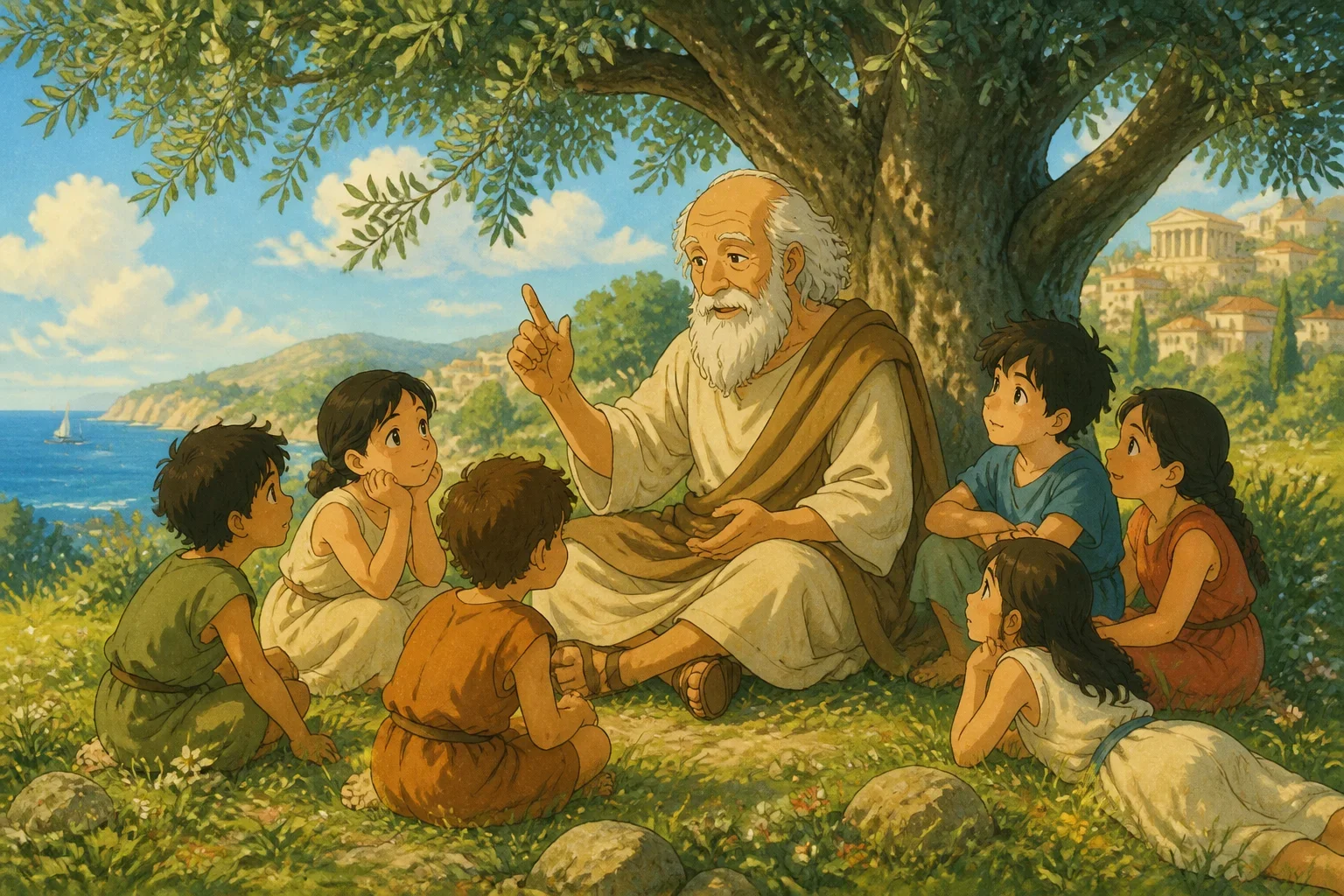
The Story of Socrates for Kids: A Moral Tale About Asking
The Story of Socrates Under the Olive Tree Long ago, in the busy city of Athens, there lived a man who did not wear a…
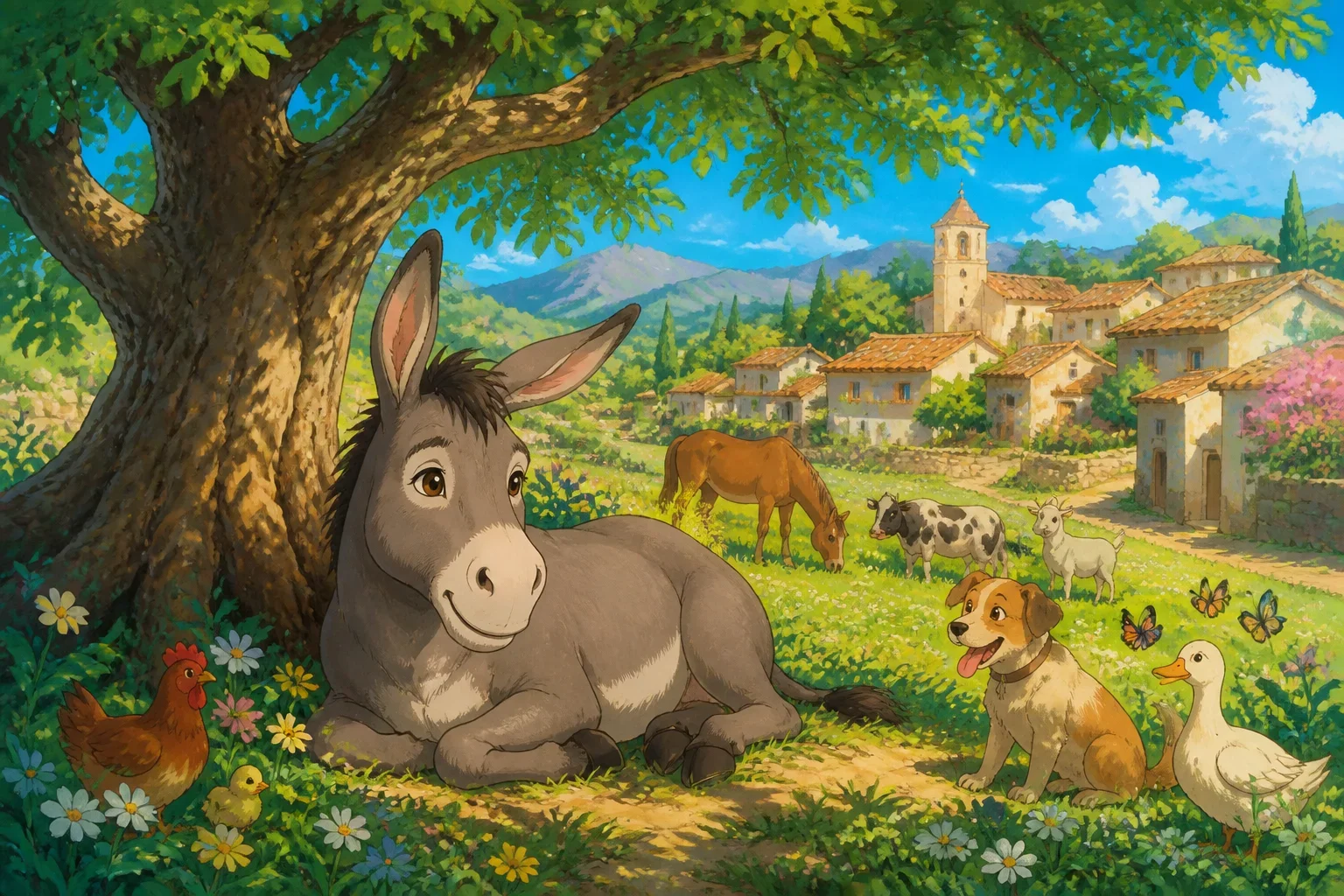
Lazy Donkey Who Finally Helped: A Moral Story on Hard Work
The Lazy Donkey Who Finally Helped In a sunny little village tucked between green hills and golden fields, there lived…
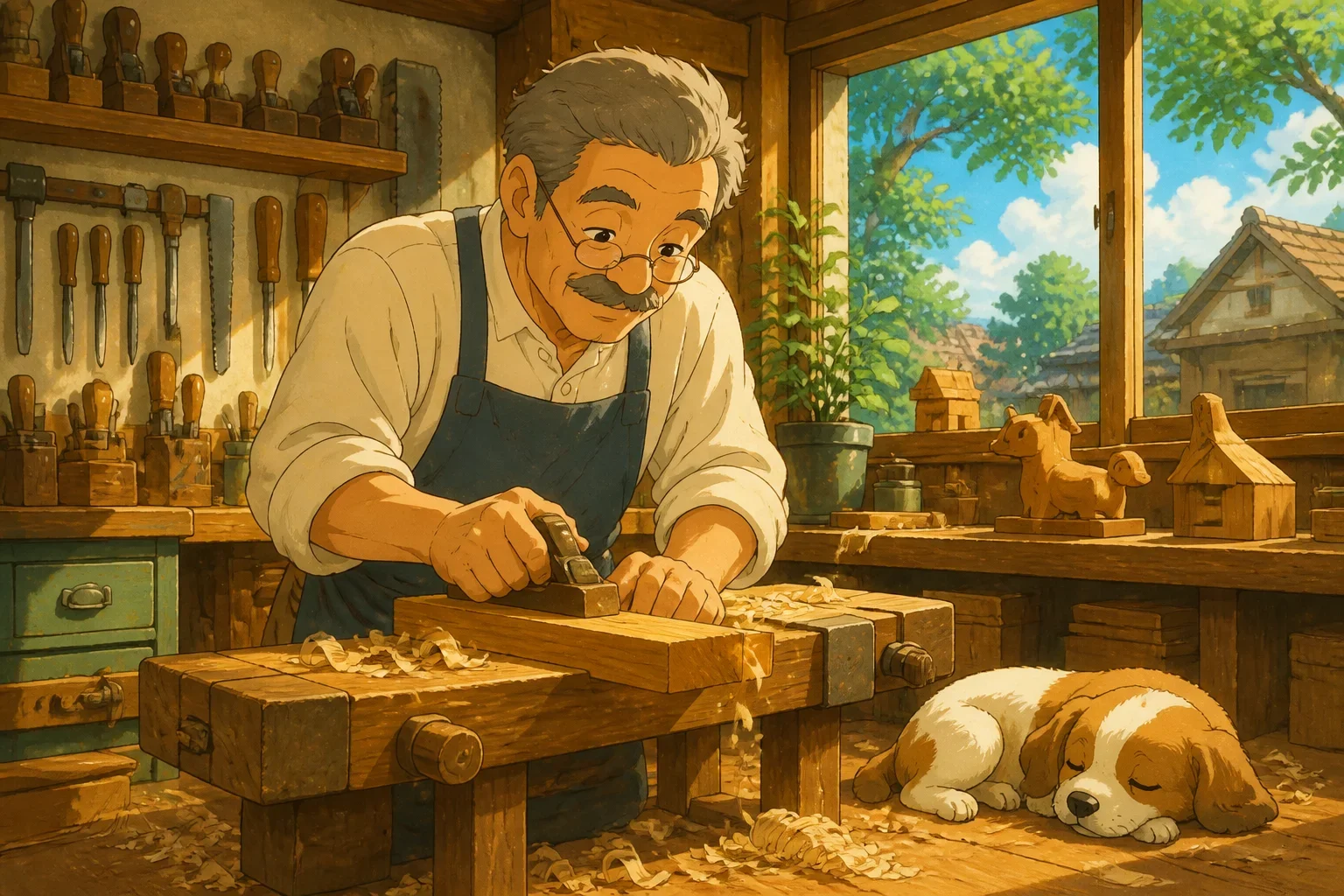
The Retiring Carpenter Story: A Powerful Moral About Doing
The Retiring Carpenter In a quiet village where morning mist curled over the fields and sparrows nested in old apple…
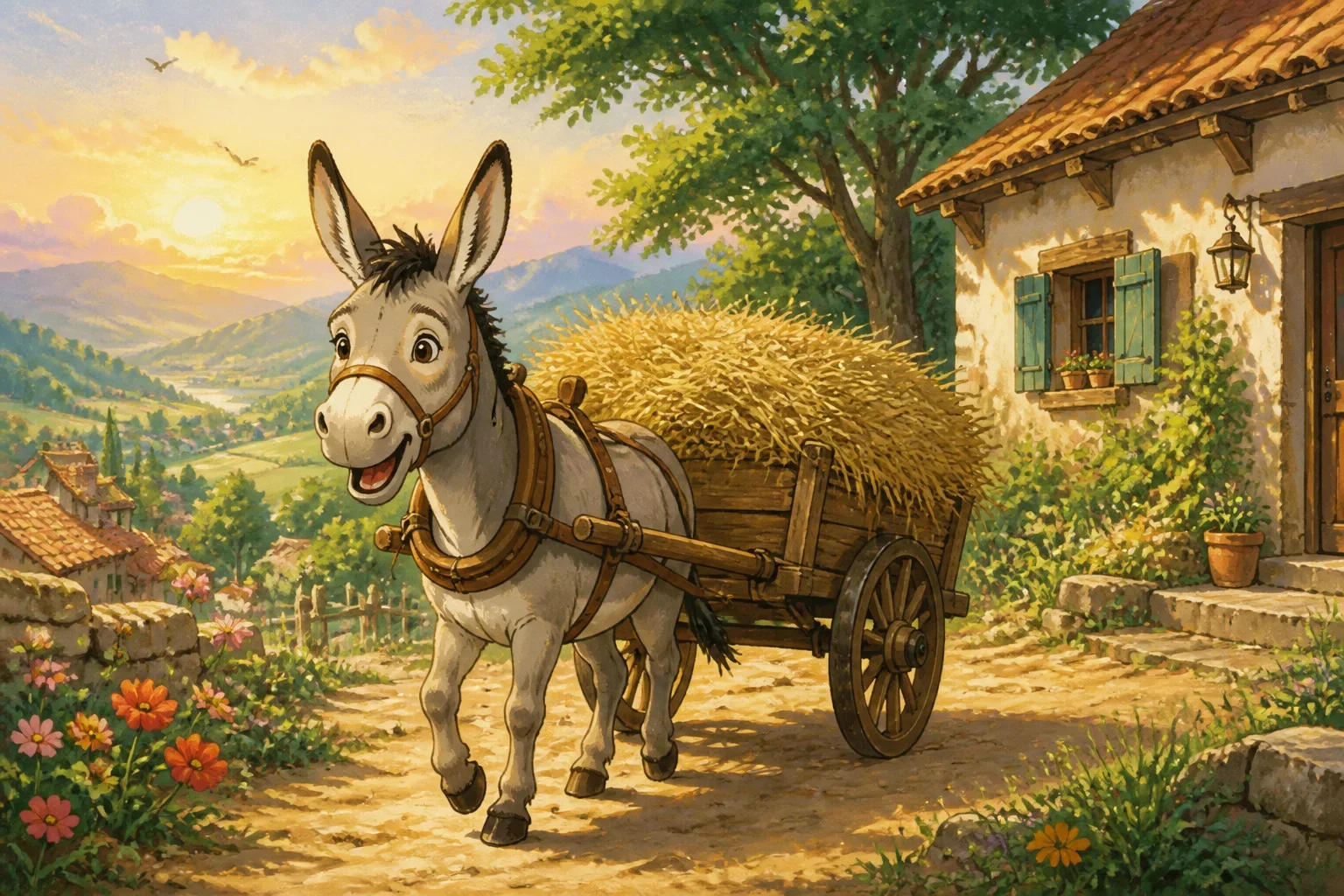
Ass and His Masters: A Classic Aesop Story for Kids
The Ass and His Masters In a dusty little village at the edge of wide brown fields, there lived an ass who was never…
The Two Wolves Story: A Powerful Moral Tale About Choosing
The Story of Two Wolves On the edge of a quiet mountain village, where prayer flags fluttered in the wind and…
The Elephant and the Rope Story for Kids About Self-Belief
The Elephant and the Rope On the edge of a wide green forest, where fireflies blinked at dusk and birds filled the…
Emily the Celebrity| Inspiring Moral Story for Kids
Emily the Celebrity and the Girl With the Sketchbook In the city of Starville, everything seemed to sparkle. Billboards…