
The Enlightened Journey of Buddha
The Story of Buddha for Kids
Long ago, in a beautiful kingdom at the foot of the mountains, there lived a young prince named Siddhartha. His home was a grand palace filled with music, fragrant flowers, shimmering pools, and soft silk curtains that danced in the breeze. Peacocks strutted in the gardens. Lanterns glowed at night like little moons. Everywhere Siddhartha looked, there was comfort, beauty, and delight.
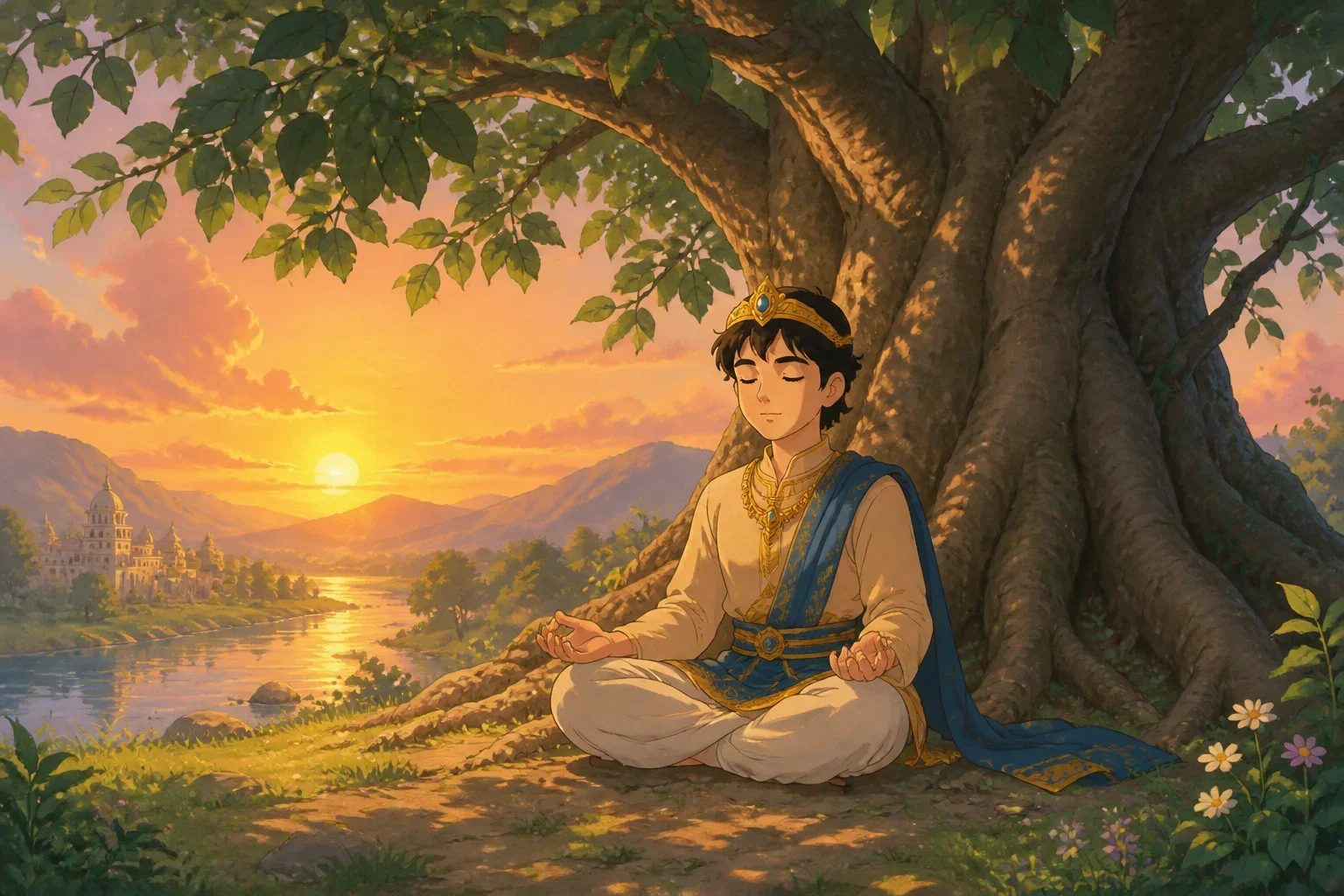
But even as a child, Siddhartha was different from many others.
He was gentle. He noticed things.
If a gardener bent under a heavy basket, Siddhartha hurried to help. If a bird fell from its nest, he cupped it carefully in his hands. If someone looked sad, he did not turn away. He wondered about people’s hearts, not just their smiles.
As he grew older, a question began to follow him quietly, like a shadow at sunset:
Is this all there is to life?
The palace was full of pleasure, yet Siddhartha felt that somewhere beyond its shining walls, there were truths he had not yet seen.
Beyond the Palace Gates
One morning, Siddhartha asked to ride beyond the palace grounds. His charioteer, Channa, guided the horses through the gates and into the busy roads beyond.
At first Siddhartha stared in wonder. There were market stalls piled with mangoes and rice, children running barefoot, potters shaping clay, and women carrying water in shining brass pots.
Then he saw someone he had never truly noticed before.
An old man.
The man’s back was bent. His hair was white. His hands trembled as he leaned on a cane and took slow, careful steps.
Siddhartha turned to Channa. “Why does he walk like that?”
Channa answered softly, “He is old, my prince. When people live long enough, their bodies change.”
Siddhartha was silent.
A little farther down the road, they saw a sick man lying on a mat, breathing hard, his face damp with fever.
“Why is he suffering?” Siddhartha asked.
“Because illness comes to many,” said Channa. “No one can completely escape it.”
Siddhartha’s hands tightened.
Then they passed a group of mourners carrying a still body wrapped in cloth. Their cries rose into the air like broken birds.
Siddhartha’s voice dropped to a whisper. “What happened?”
Channa looked ahead. “He has died, my prince. Every life must one day end.”
The world seemed to change in that moment.
The bright road no longer looked the same. The songs of the market sounded far away. Siddhartha felt as if a door inside his heart had opened, and behind it stood sorrow, truth, and a thousand questions.
That night, even in his quiet room with its carved lamps and soft blankets, he could not rest.
“If people grow old, become sick, and die,” he thought, “how can they find peace? Is there a way to live with wisdom and kindness in such a changing world?”
Siddhartha’s Great Decision
The next days passed, but Siddhartha could not forget what he had seen.
He looked at the palace feasts and thought of the hungry. He heard laughter and remembered the mourners. He touched his fine clothes and thought of the sick man on the roadside.
At last he made a brave and difficult choice.
“I must go,” he said. “I must search for the truth—not only for myself, but for everyone who suffers.”
Leaving behind comfort was not easy. The palace had been his whole world. His family loved him. His future was bright and certain.
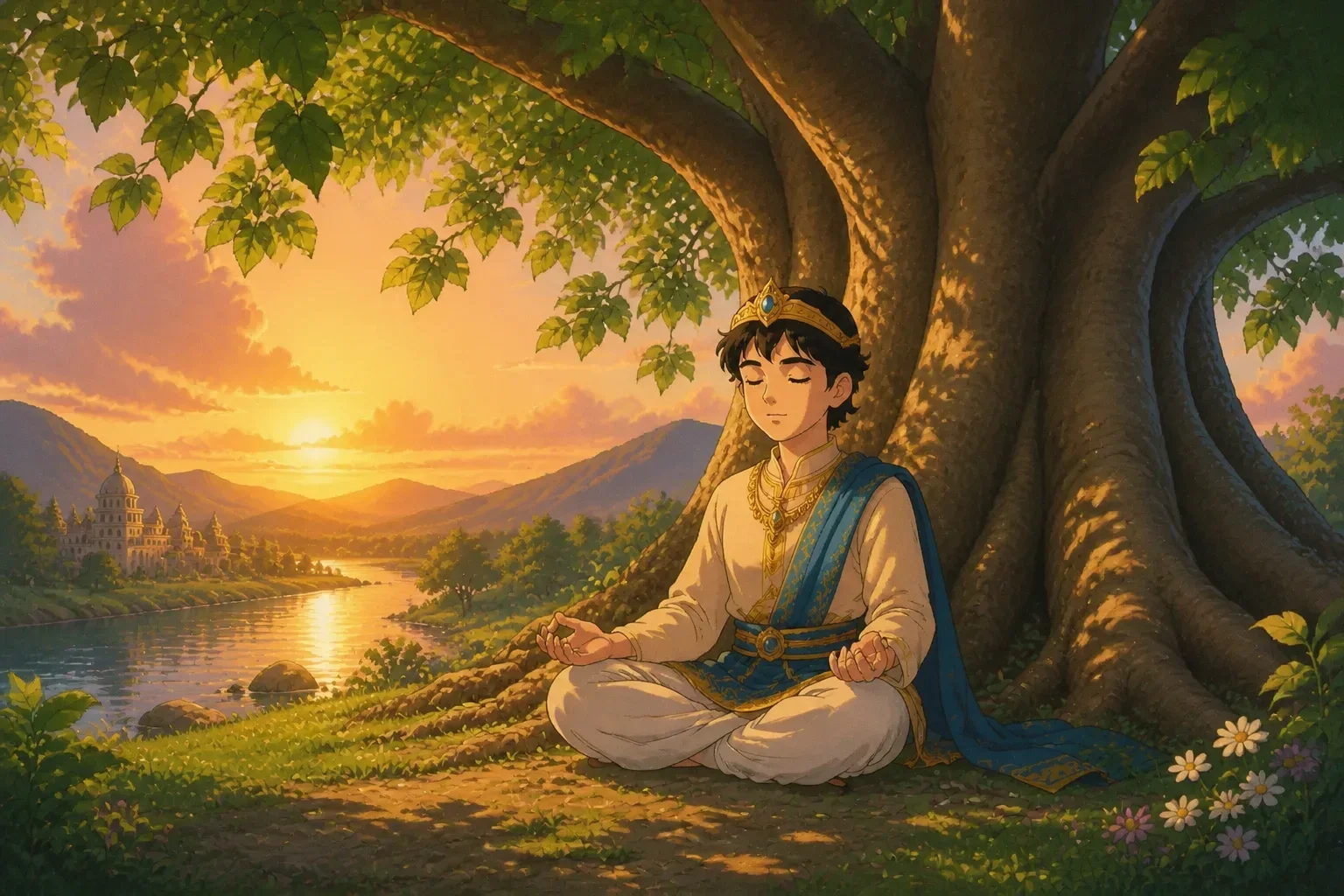
But Siddhartha knew that some journeys begin not with excitement, but with courage.
So he put aside his royal life and stepped into the unknown.
Searching for Answers
Siddhartha traveled through forests where leaves whispered overhead and through villages where cooking fires glowed at dusk. He met teachers, thinkers, and wandering seekers. He listened carefully. He learned deeply. He asked question after question.
He tried living with almost nothing. He ate very little. He pushed his body through great hardship, believing that if he denied himself everything, he might discover the truth.
But instead of peace, he found weakness.
His steps grew slow. His face grew thin. His body became tired, and his mind did not feel clear.
One day, sitting quietly near a river, Siddhartha watched the water move around stones without fighting them. Nearby, he noticed the world carrying on in balance: birds resting, then flying; trees standing firm, yet bending in the wind.
He began to understand something important.
“Too much comfort can make the mind sleepy,” he thought. “But too much suffering can make the mind weak. Truth must lie somewhere in between.”
This was the beginning of what became known as the Middle Path—a way of living with balance, neither spoiled by excess nor harmed by harsh extremes.
It was a simple idea, but a powerful one.
Beneath the Bodhi Tree
At last Siddhartha came to a great fig tree with wide branches and heart-shaped leaves that fluttered in the breeze. He sat beneath it on the earth and made a quiet promise.
“I will not rise until I understand the truth.”
Day faded into night. Night softened into dawn.
Siddhartha sat still.
His legs ached. His thoughts wandered. Fears rose up like storm clouds.
What if I fail? What if there is no answer? What if suffering can never be understood?
But each time fear came, Siddhartha did not run from it. He watched it. He breathed. He let it pass.
He remembered the old man, the sick man, the mourners. He remembered every face of pain he had seen. And instead of turning away, he opened his heart wider.
As the night deepened and the stars burned bright above him, something within Siddhartha became clear and still.
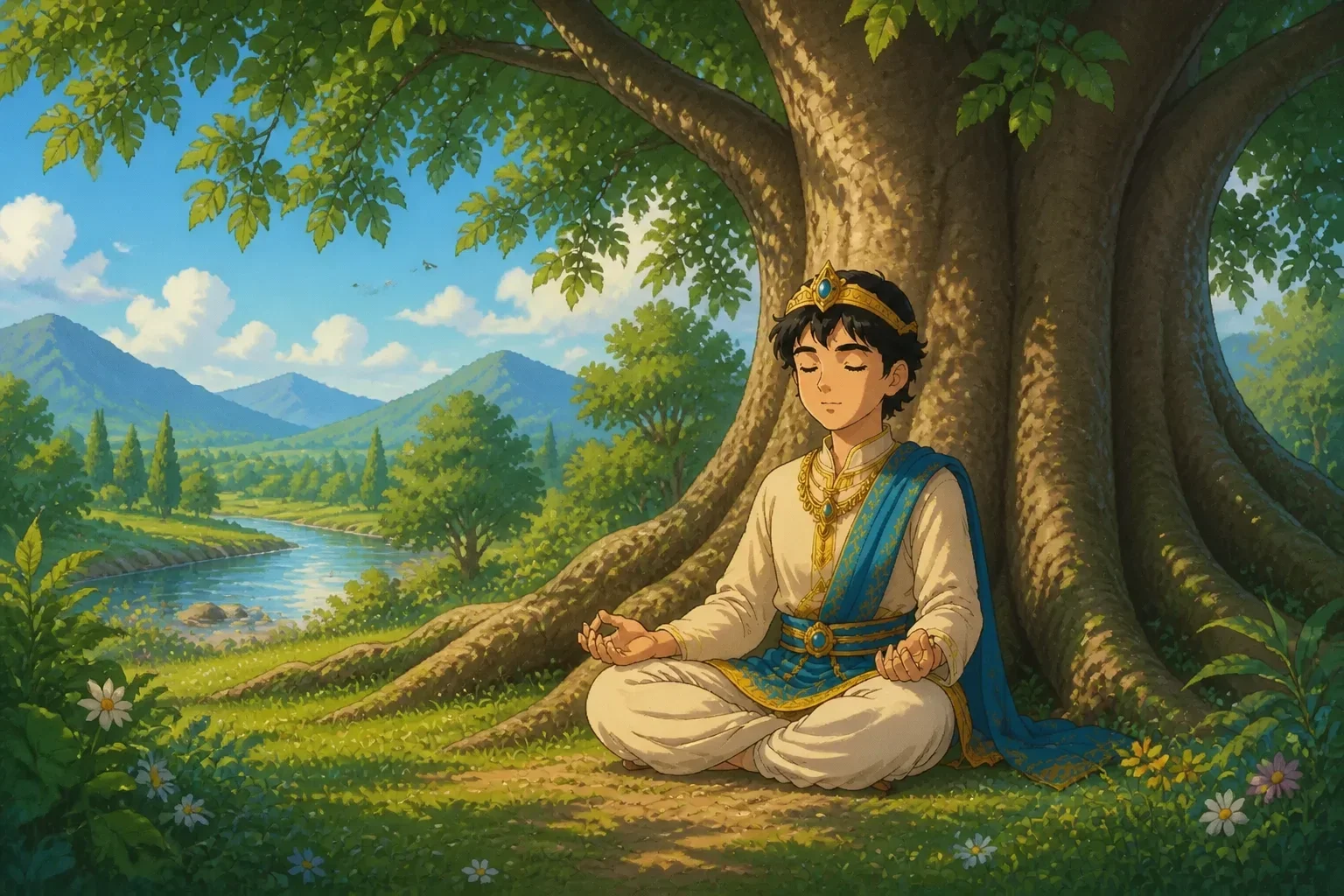
He understood that suffering is part of life—but so are compassion, wisdom, and the choices we make. He saw that clinging too tightly to things that change brings sorrow. He saw that kindness matters. Peace matters. Understanding matters.
By morning, Siddhartha was no longer only a prince searching for answers.
He had become the Buddha, which means the Awakened One.
Sharing Wisdom with the World
The Buddha did not keep his understanding to himself.
He walked from place to place, teaching others with patience and compassion. He spoke to kings and farmers, children and elders, rich people and poor people. He reminded them to be mindful, to act with kindness, and to live with balance.
He taught that anger can be softened by understanding. He taught that greed does not bring lasting happiness. He taught that a peaceful heart grows through compassion.
People listened because his words were not cold or proud. They were full of gentleness, like shade on a hot day.
And so the prince who once lived behind palace walls became a guide for many, helping others search for peace within themselves.
Why This Buddha Story Still Matters
This story of Buddha has been remembered for generations because children and adults alike still ask the same questions Siddhartha asked:
- Why do hard things happen?
- How can we stay calm when life changes?
- What helps people feel truly peaceful?
The Buddha’s journey reminds us that wisdom does not come from having everything we want. It comes from understanding life, caring for others, and choosing balance.
Key Takeaways for Kids
- It is brave to ask big questions.
- Life changes, and everyone faces difficulties sometimes.
- Being kind to others makes the world gentler.
- Balance is important—too much or too little of something can cause problems.
- Peace begins in the way we think, speak, and act.
Moral of the Story
The story of Buddha teaches that true happiness comes not from riches or extremes, but from wisdom, balance, and compassion for all living beings.

Watch the Animated Story
Watch on YouTube
Related Stories
Stone That Kept Rolling: A Patience and Consistency Story
The Stone That Kept Rolling Every afternoon, when the village shadows grew long and the swallows dipped through the…
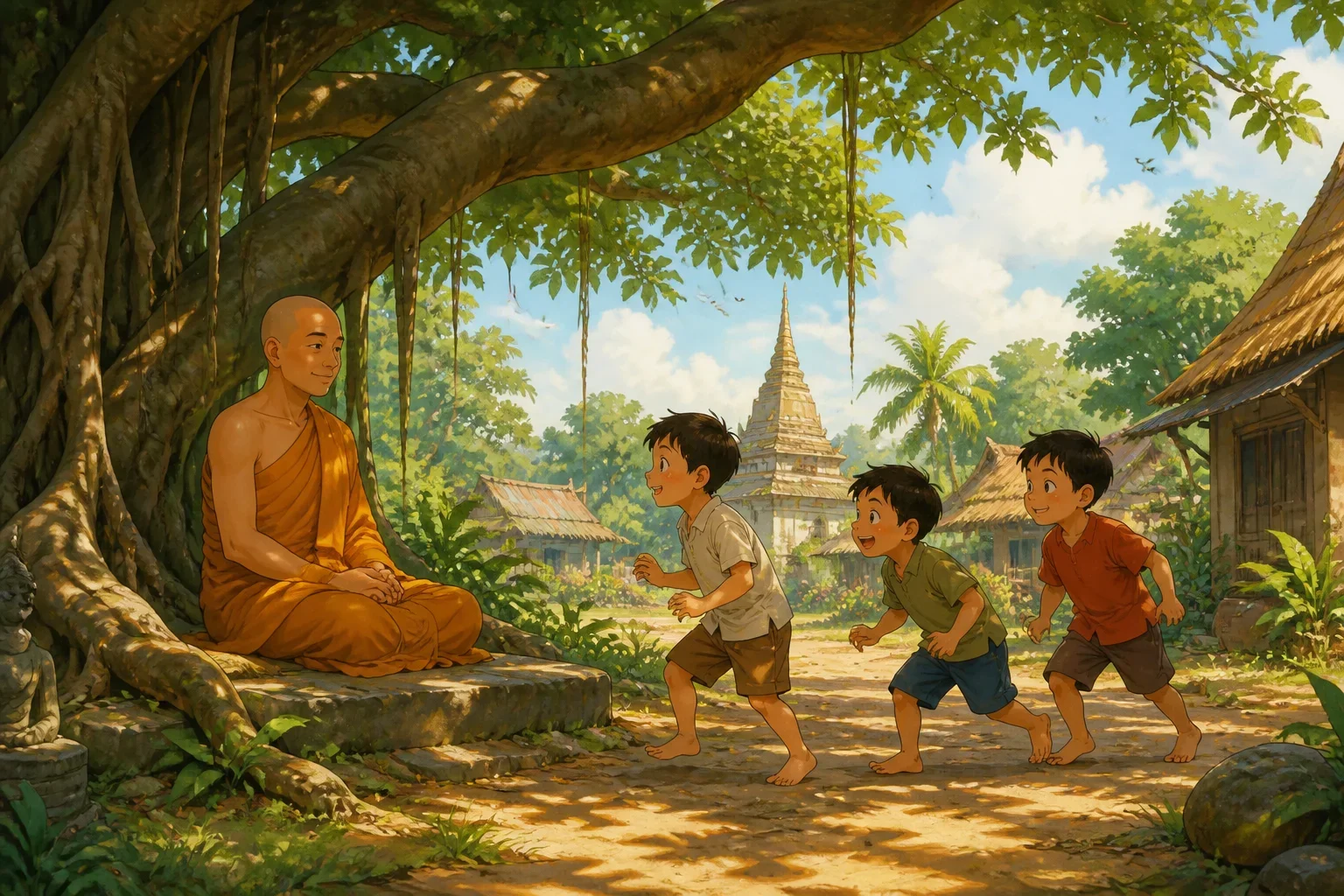
Buddhist Monk and the Teasing Boys | Kindness Moral Story
The Buddhist Monk and the Three Teasing Boys At the edge of a quiet village, where rice fields shimmered like green…

Traveler Who Let a Star Go: A Moral Story About Letting Go
The Traveler Who Let a Star Go On the far edge of a quiet road, where the hills rolled like sleeping giants and the…
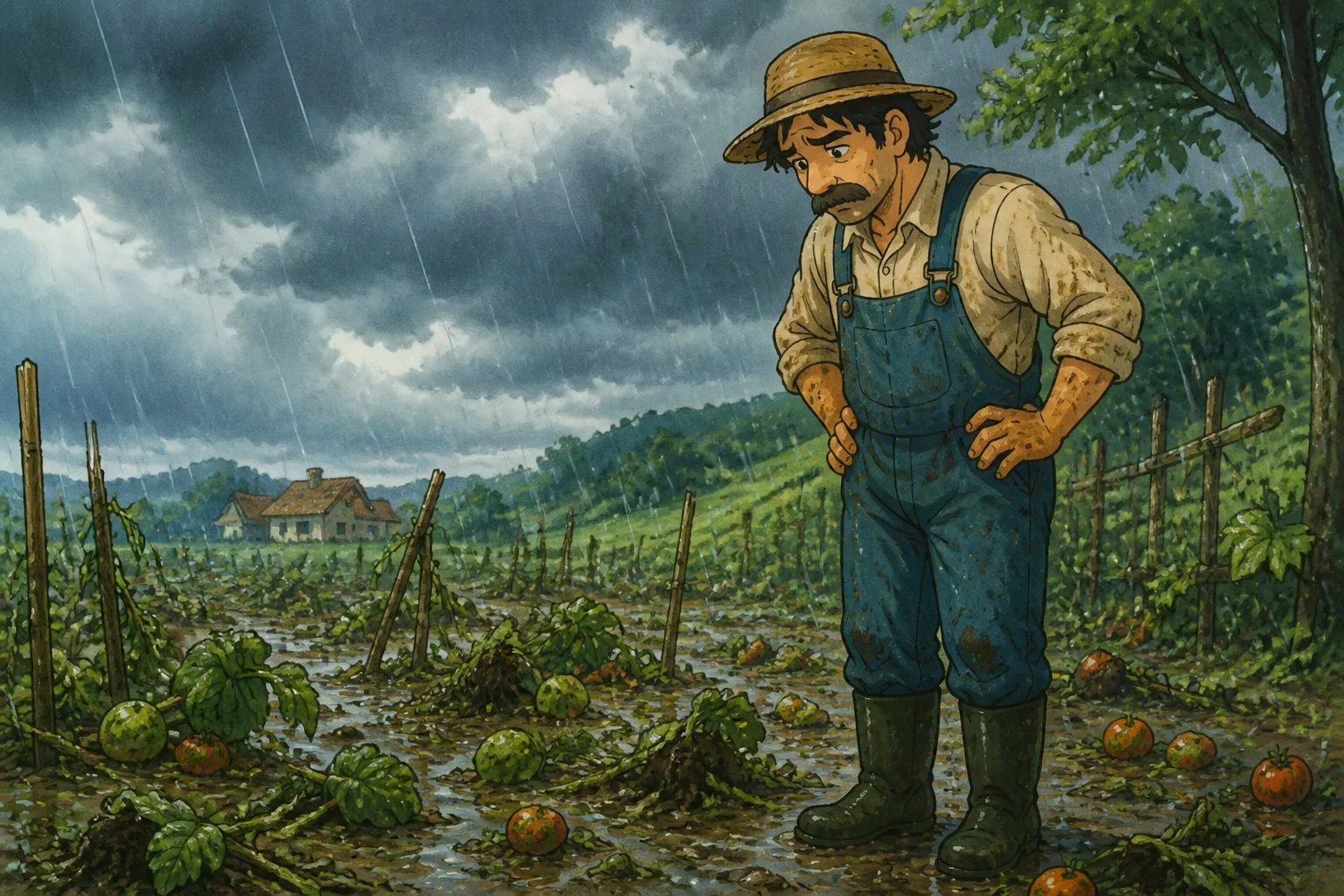
A Blessing in Disguise Story: The Farmer Who Found Hope
A Blessing in Disguise: The Farmer Who Found Hope After the Storm On the edge of a quiet village, where the fields…
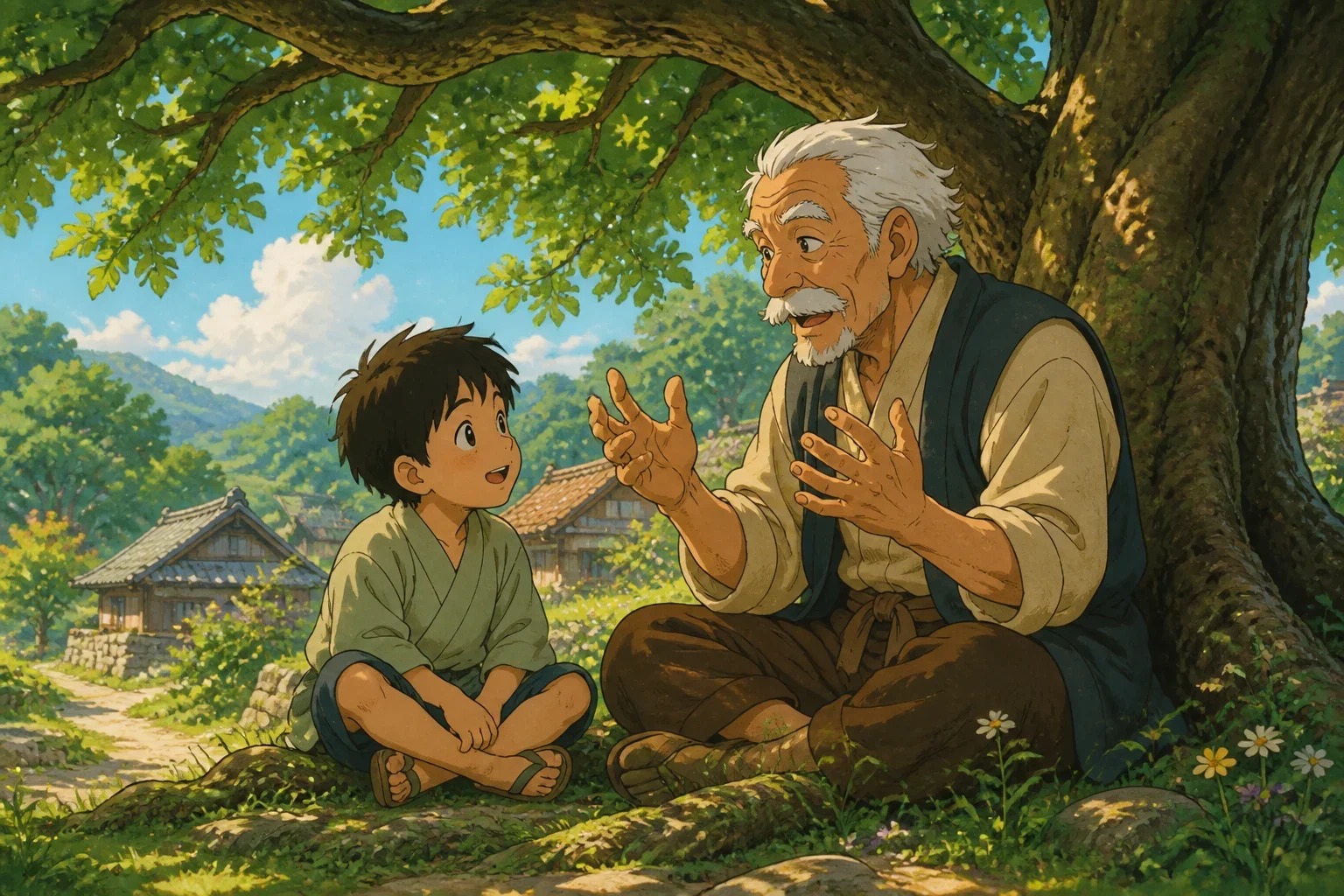
The Two Wolves Story: A Powerful Moral Tale About Choosing Kindness
The Story of Two Wolves On the edge of a quiet mountain village, where prayer flags fluttered in the wind and…

Blind Man Who Taught a Village to Notice Life | Moral Story
The Blind Man Who Taught a Village to Notice Life In a little village between green hills and windy fields, there lived…
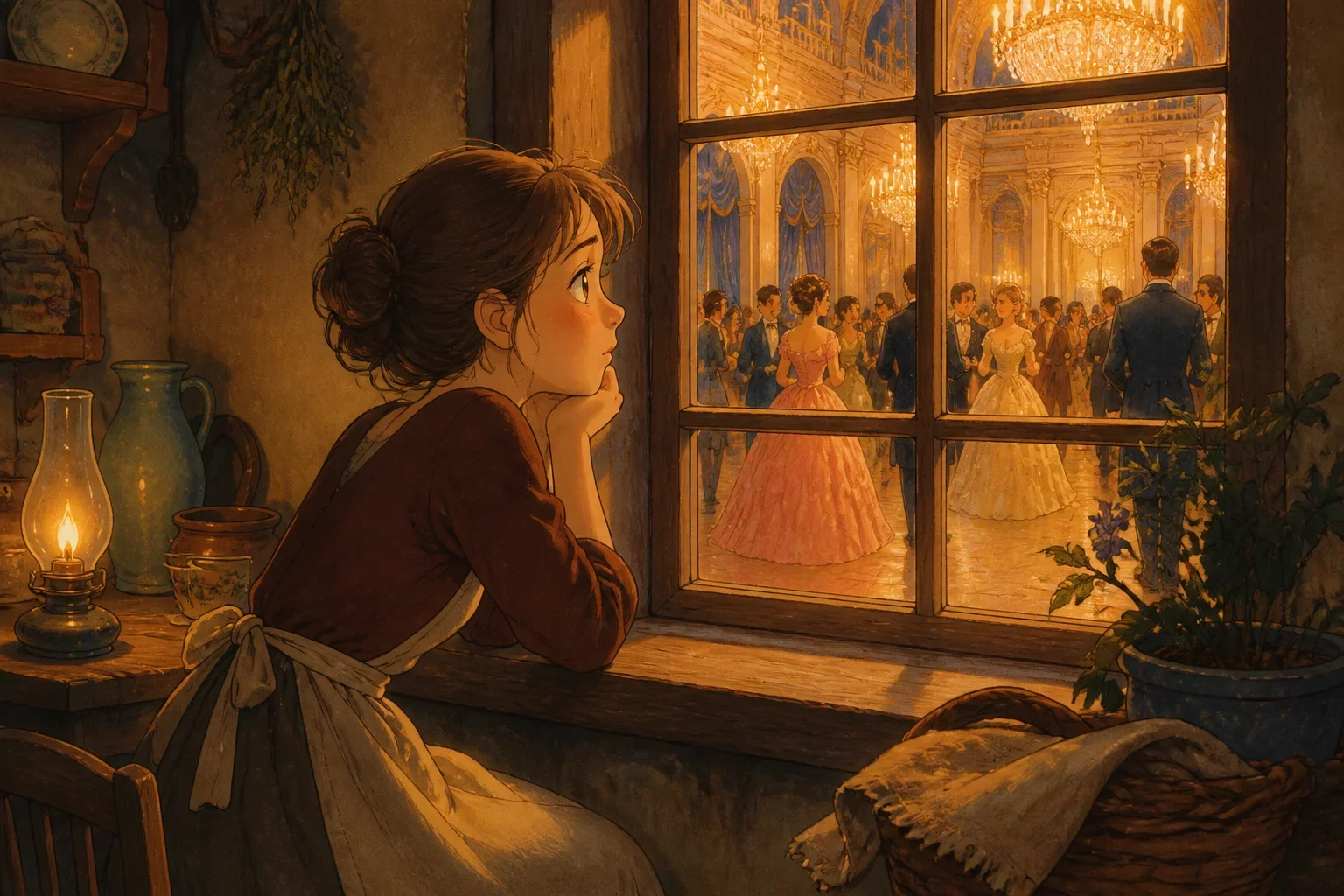
The Necklace | Moral Tale About Honesty and Gratitude
The Necklace: A Classic Moral Story for Kids and Teens Some people dream of castles. Some dream of crowns. Mathilde…
Lazy Donkey Who Finally Helped: A Moral Story on Hard Work
The Lazy Donkey Who Finally Helped In a sunny little village tucked between green hills and golden fields, there lived…