
Oliver's Fast Brain: A Heartwarming Story About Friendship and Understanding ADHD
Oliver's Fast Brain
Oliver Bennett liked to say his brain was a racing car. On the outside, he was just an ordinary nine-year-old in Ms. Foster’s third-grade class at Willowbrook Elementary, but inside, his thoughts zipped and zoomed faster than anyone else’s. Sometimes, he’d get answers in math before Ms. Foster finished asking the question. Sometimes, he’d doodle rockets and roller coasters in his notebook while everyone else read quietly. Always, his legs bounced under his desk like they were powered by rocket fuel.
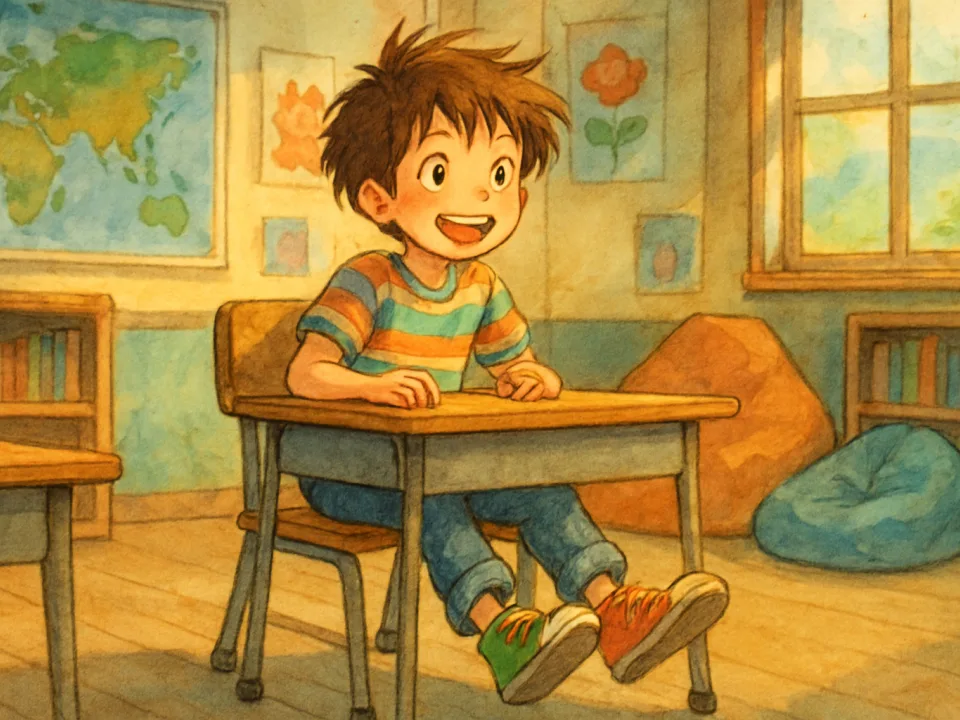
His best friend, Jamie Lin, thought Oliver was exciting to be around. “He’s like a tornado of ideas,” Jamie would say when new kids joined their class. But not everyone understood Oliver’s fast brain. Some kids called him “Olly Overboard” because he always blurted out answers or forgot to raise his hand. Others rolled their eyes when Oliver’s fingers drummed on the table, or when he fidgeted so much his pencil rolled onto the floor for the third time in ten minutes.
Oliver knew he was different, but didn’t always know how to explain it. He only knew that sometimes it was hard to sit still, and his thoughts ran ahead of what anyone else was saying. On the playground, he was the first to invent new games. In the classroom, he was the first to get in trouble for talking.
The Science Fair Surprise
One Monday morning, Ms. Foster rolled a bright blue poster into the classroom. "Science Fair!" it announced in glittery letters. “Next Friday, you’ll all present a science project. You can work with a partner!” she said, clapping her hands. Oliver’s hand shot up, waving, before Jamie even blinked.
“Jamie, do you want to do something about volcanoes? Or maybe robots? Or robot volcanoes?” Oliver whispered, words tumbling out so quickly Jamie could barely keep up.
Jamie grinned. “Let’s do robots! With sensors that make them move when you clap!”
For the next week, Oliver’s mind was a whirlwind of ideas. At home, he sketched blueprints while bouncing on his bed. At school, he jotted ideas on scraps of paper. In the library, Oliver talked too loudly, earning a “Shhh!” from Mrs. Leary, the librarian. But Jamie didn’t mind. Jamie liked how Oliver could imagine a dozen ways to solve a problem before most kids even started.
Sometimes, though, Oliver’s fast brain made things harder. When they tested their robot’s sensors, Oliver’s hands darted so quickly between wires that he accidentally unplugged the battery. “Wait, slow down!” Jamie said. “Let’s check the steps one at a time.”
Oliver tried, but his thoughts zipped ahead. When it was time to type their project summary, Oliver started three sentences before finishing one. Words like “amazing” and “awesome” dotted the page, but Jamie had to nudge him to stay on topic.
The day of the fair arrived. The gym buzzed with excitement. Oliver’s and Jamie’s robot sat on a table, wires carefully taped, eyes made from bottle caps. Jamie had designed a sign: "CLAP TO SEE OUR ROBOT DANCE!"
Oliver was so excited, he almost couldn’t stand still. He clapped loudly, and the robot trembled forward, lights flashing. Kids crowded around. “Cool!” someone shouted.
But during the judges’ visit, Oliver started explaining how the sensors worked—and then launched into three different stories about other inventions he’d planned for the future. Jamie gently touched Oliver’s arm. “Let’s explain one part at a time.”
One judge smiled kindly. “You have a lot of ideas, Oliver! Could you tell us, step by step, how you made the robot move?”
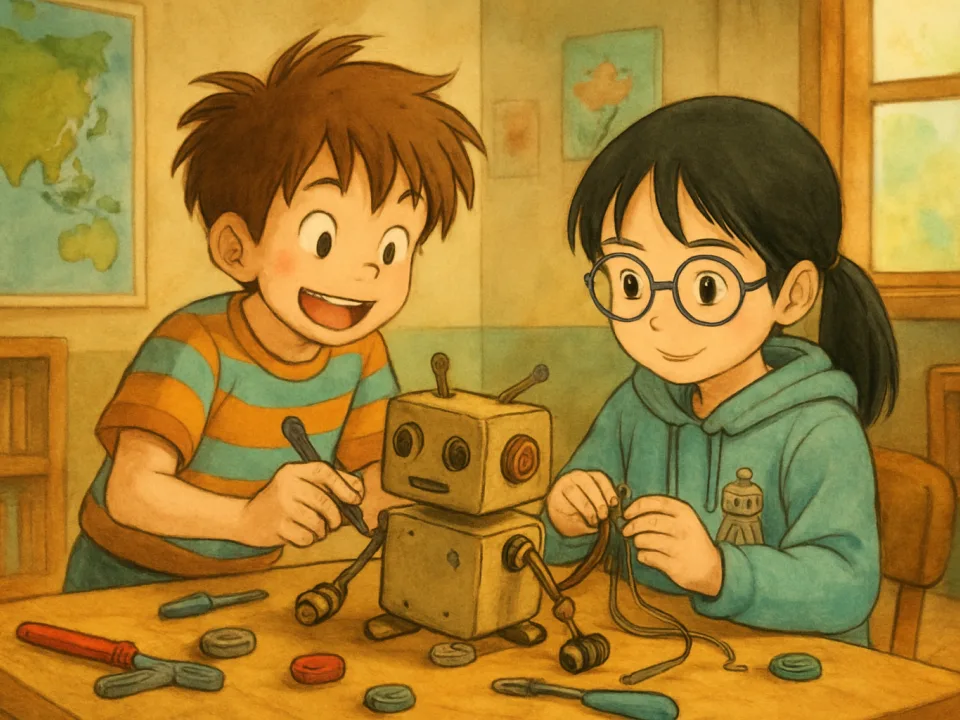
Oliver’s face reddened. He took a deep breath, and Jamie gave him a thumbs up. Together, they explained. The judges listened. The robot danced again, and everyone clapped.
A Difficult Day
The next week, Ms. Foster started a group reading project. Each group would read a mystery novel and write their own ending. Oliver was excited—until he realized he’d have to read quietly with three classmates: Anna, Mateo, and Jamie.
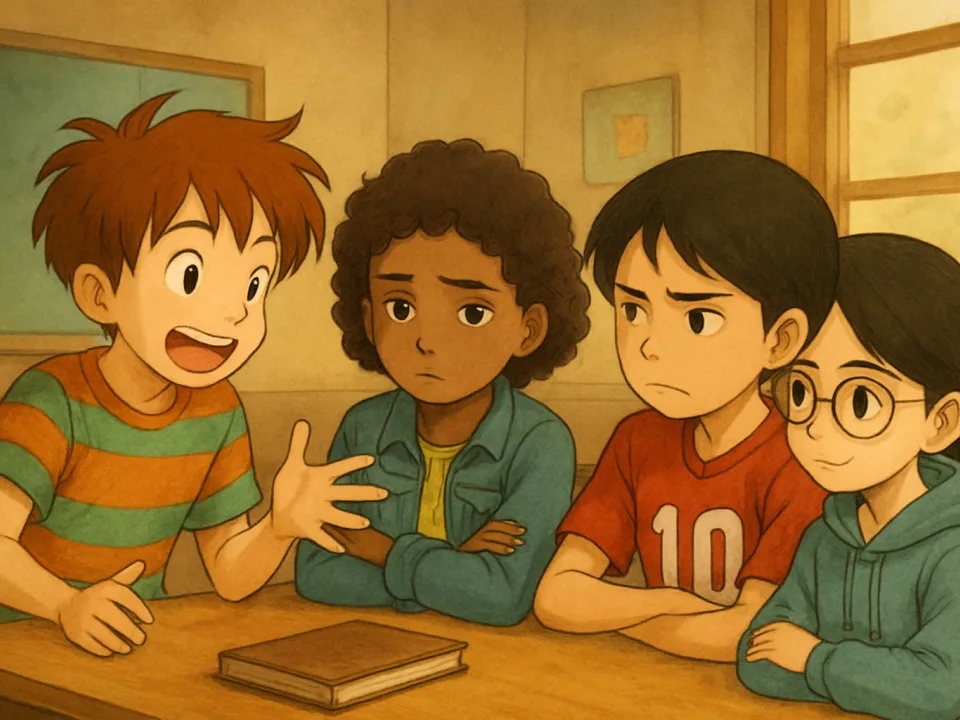
Oliver tried to read, but his eyes kept skipping ahead. "Let’s guess who the thief is!" he blurted, before Anna even finished a chapter. Anna frowned. “Oliver, can you wait? We haven’t read that part yet.”
He drummed his fingers. His feet tapped. Ms. Foster looked over. "Is everything okay, Oliver?"
He nodded, embarrassed. But the next day, it was even harder. Distracted by a bird outside, Oliver lost his place. He jumped up to see it, then tripped over Mateo’s backpack. The group groaned. “Oliver, just sit still!” Mateo snapped.
Jamie tried to help. “Let’s take turns reading. Maybe Oliver can read standing up. It might help.”
Anna shrugged. “Fine. As long as he doesn’t talk over us.”
The group finished late, and Oliver felt terrible. Maybe his fast brain was just a problem after all.
A Lightbulb Moment
That afternoon, Ms. Foster called Oliver aside. She didn’t sound angry. “Oliver, I notice you have lots of energy and ideas. Does it sometimes feel hard to slow your thoughts down?”
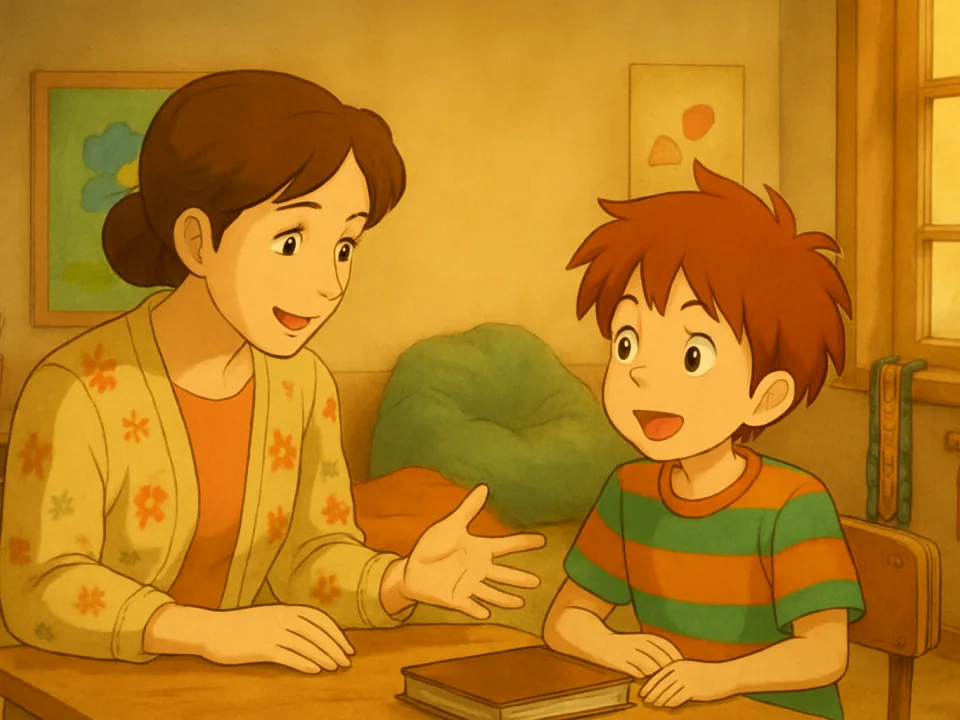
Oliver nodded. “It’s like my brain wants to run, even when my legs have to walk.”
Ms. Foster smiled. “That’s okay. Some people’s brains are like race cars, and that can be wonderful and challenging. Do you know what ADHD is?”
Oliver thought of the letters he’d heard before. “A little. My mom says I have it. It means my brain works differently.”
“That’s right,” Ms. Foster said. “We can help you use your speedy brain—and help your friends understand you better.”
The next morning, Ms. Foster started class with a story. “Today, let’s talk about how everyone’s brain is unique. Some brains like to move fast, some like to take their time. Some kids prefer to learn by listening, others by moving or drawing.”
She asked if anyone wanted to share something unique about themselves. Jamie raised a hand. “My friend Oliver thinks of ideas faster than anyone! Sometimes it’s hard for him to wait, but our robot wouldn’t have worked without his ideas.”
Anna looked at Oliver. “I guess I could try reading with him standing up. Maybe he can help us come up with more endings for the story.” Mateo nodded. “Yeah, his ideas are wild, but fun.”
Oliver smiled for the first time that week.
Changing Together
From then on, things didn’t become perfect overnight, but they changed. Jamie suggested Oliver use a stress ball to squeeze during reading time. Anna gave Oliver a turn to stand and act out scenes. Mateo helped Oliver make up funny voices for each character.
Ms. Foster asked the class to share how they liked to learn. Some kids said they liked to draw, some to move, some to listen to music. The classroom filled with fidget bands, drawing corners, and beanbags.
Oliver still made mistakes—he still blurted out answers sometimes, or forgot to wait his turn. But now, his friends understood. They helped him slow down, and he learned to listen better too.
One afternoon, during recess, Anna raced over with a notebook. “Oliver! Can you help me finish this mystery story? We need one more wild idea!”
Oliver beamed. His fast brain wasn’t just a challenge—it was a superpower, too. And best of all, his friends understood how to help him use it.
Moral of the Story
Everyone’s brain works differently. When we understand and accept each other’s differences, we can be better friends and work together in new ways.
Key Takeaways for Kids
- People with ADHD may think and move quickly, and that’s part of who they are.
- Friendship means listening, helping, and understanding each other’s needs.
- Each person’s unique way of thinking can make a team stronger and more creative.
- It’s okay to ask for help or suggest new ways to learn together.
Why This Story Matters
Understanding ADHD helps kids appreciate their classmates’ different strengths and challenges. When children learn empathy and how to support each other, classrooms and friendships become kinder, happier places for everyone.
Related Stories
The Boy Who Took His Time to Speak: A Moral Story About Patience and Stuttering
The Boy Who Took His Time to Speak Lucas Moreno had always known that words came slowly to him. In the busy, chattering…
Wheels on the Playground: A Story About Accessibility, Inclusion, and True Friendship
Wheels on the Playground The sun shone brightly over Maplewood Elementary, glinting off the newly painted monkey bars…
The Sign Language Secret: A Story About Deaf Culture and Finding Ways to Connect
The Sign Language Secret Maya Carter loved the [first day of…
Everyone Belongs on the Team: A Sportsmanship Story About Inclusion for Kids
Everyone Belongs on the Team It was a crisp Monday afternoon at Maplewood Elementary, and the playground was alive with…
Twenty-Four Paper Hearts: A Valentine's Day Story About Everyday Friendship
Twenty-Four Paper Hearts: A Valentine's Day Story About Everyday Friendship Ruby Lane admired the neat stack of pink…

Unfinished Portrait | Friendship Moral Story for Kids
The Unfinished Portrait On the edge of a quiet little town, where the hills rolled like green blankets and the trees…

The Strength of Friendship | Moral Adventure for Kids
The Strength of Friendship On the edge of Willowdale, where wildflowers nodded in the breeze and the river flashed like…

Locket by the River: A True Friendship Story for Kids
The Locket by the River On the edge of a small village, where the river skipped over smooth stones and the willow…