
Guardians of the Earth: 5 Environment Moral Stories for Earth Day
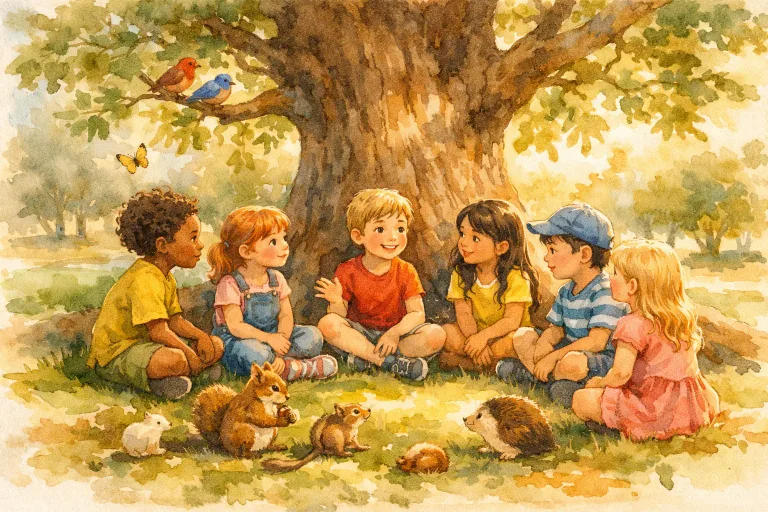
Every April, Earth Day reminds us all—children and adults alike—of the importance of caring for our planet. But how do we help children truly understand the value of nature, the consequences of our choices, and the impact of small actions? Stories have a unique power to spark empathy and inspire change. In this collection, you'll find five original and adapted environment moral stories for Earth Day, each weaving nature’s wisdom with timeless lessons.
Whether you’re a teacher seeking Earth Day stories for kids, a parent hoping to nurture environmental awareness, or simply looking for engaging nature stories with morals, these tales will warm hearts and plant seeds of stewardship. Plus, discover ideas for classroom activities, printable story text, and comprehension questions to deepen learning.
Table of Contents
- Why Environmental Moral Stories Matter
- The Last Leaf on Maple Lane
- The Forest’s Secret Helpers (Traditional Adaptation)
- The Plastic Bottle’s Journey
- Lila and the Lost Rain
- The Ant, the Dove, and the Riverbank (Traditional Adaptation)
- Discussion Questions & Classroom Activities
- Nurturing Environmental Values Beyond Earth Day
Why Environmental Moral Stories Matter
Stories are more than entertainment—they're a gentle way to introduce complex ideas. Through nature stories with morals, children learn empathy, responsibility, and the interconnectedness of all living things. These tales:
- Encourage respect for nature
- Advocate for mindful consumption and waste reduction
- Model compassion for animals, plants, and people
- Empower children to see their actions matter
If you’re looking to broaden your library, Life Lessons Stories and Stories About Compassion offer more ways to nurture character and kindness.
The Last Leaf on Maple Lane
Original Story
On Maple Lane stood a grand old tree, its trunk sturdy and branches wide. Every autumn, the children on the street would race to catch the golden leaves that fluttered down like confetti.
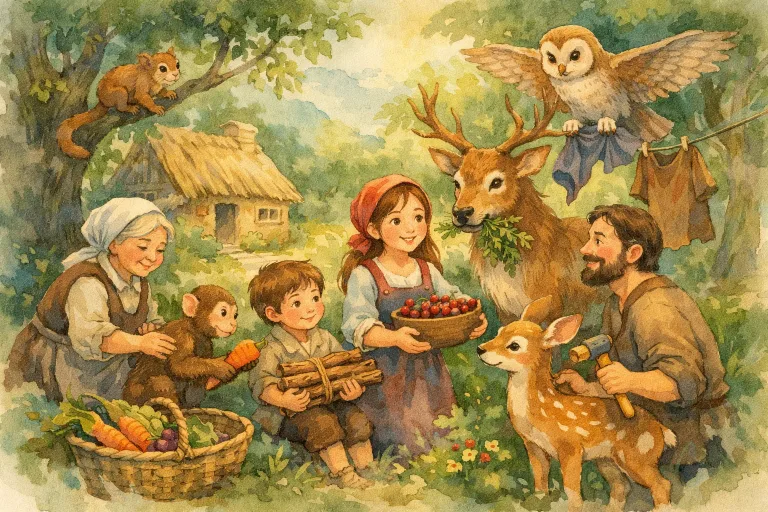
But one year, things changed. New houses were built, lawns grew bigger, and the tree was left standing alone, surrounded by trimmed grass and neat fences. When autumn arrived, only a single leaf remained. The children, busy with gadgets indoors, barely noticed.
One chilly morning, Mia, a young girl with curious eyes, spotted the last leaf trembling. She remembered her grandfather’s stories about the tree—how it shaded picnics, cooled the air, and sheltered birds. She ran to her friends, urging them to see the leaf.
"Let’s make sure the tree knows it’s loved!" Mia declared. The children gathered, hung bird feeders, watered the roots, and promised to care for it. Soon, birds returned, squirrels danced, and laughter filled the air. By spring, the old tree burst into blossoms—more beautiful than ever.
Moral: Even small acts of care can revive and protect nature. When we notice and nurture the world around us, we all flourish.
The Forest’s Secret Helpers (Traditional Adaptation)
Adapted from a Panchatantra-style fable
Deep in the heart of the forest, all creatures lived in harmony—until the humans arrived with axes and fire. The animals held a council: "How can we save our home?"
The wise owl suggested, "Let us help the humans see the magic they cannot." That night, the animals worked together: the fireflies lit up the path home, the monkeys dropped fruit at the villagers’ doors, and the deer led a lost child back to her family.
The villagers, grateful and amazed, realized the forest was not just trees but a living community. They decided to protect the woods, planting new saplings and promising never to harm their secret helpers again.
Moral: Nature supports us in ways we may not see. When we protect the environment, we build a safer, more wondrous world for all.
Explore more animal parables in The Ultimate List of Animal Moral Stories Your Kids Will Love.
The Plastic Bottle’s Journey
Original Story
Sam loved orange soda, especially on hot days. One afternoon, after finishing his drink, he tossed the plastic bottle near the playground bushes.
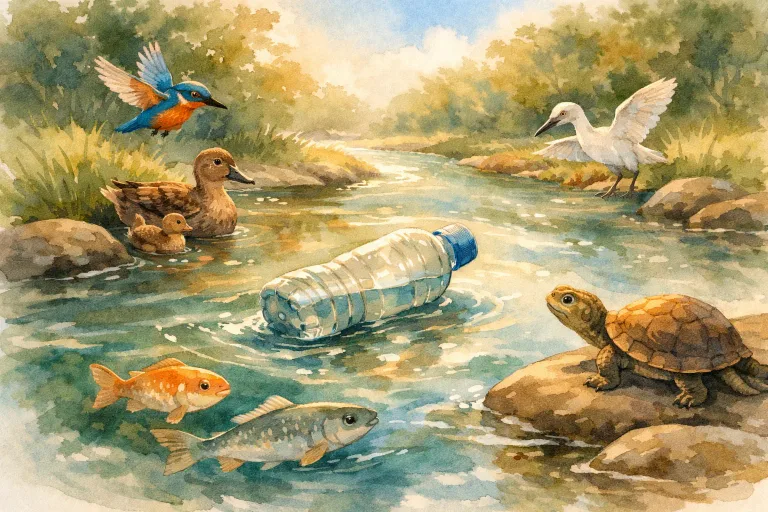
Days passed. Rain fell, and the bottle rolled into the stream. It traveled past ducks, under bridges, and into the wide river. Along the way, a fish mistook it for food. Birds pecked at its cap. The bottle floated all the way to the ocean, joining a swirling mass of plastic.
A young sea turtle, searching for jellyfish, became tangled in the bottle’s ring. Luckily, a team of volunteers cleaning the beach spotted the turtle. They freed it and collected the bottle—along with hundreds of others.
Back in Sam’s town, the school started a "Reduce, Reuse, Recycle" campaign. Sam helped make posters and joined clean-ups. He learned that every item we use—no matter how small—has a journey of its own.
Moral: Our choices matter, even after we throw things away. By reducing waste, reusing what we can, and recycling, we help protect all living creatures.
If your family enjoys quick lessons, try 10 Quick 2-Minute Moral Stories Perfect for School Morning Assembly.
Lila and the Lost Rain
Original Story
Lila loved her garden. She planted marigolds, tomatoes, and sunflowers with her father. But one spring, the rain didn’t come. The soil grew dry, and the plants wilted.
"Why doesn’t it rain?" Lila asked.
Her father explained, "When forests are cut, pollution rises, or water is wasted, the earth’s cycles change."
Lila wrote a letter to her class: "Let’s save water!" Together, they collected rainwater in barrels, watered gardens during cool hours, and learned not to waste. Their small actions inspired neighbors to plant trees and care for the land.
By summer, clouds gathered. Rain finally fell, soaking the thirsty earth. Lila’s garden bloomed, and the whole community celebrated—with a picnic under the newly planted trees.
Moral: Every drop counts. Small efforts to conserve water and protect nature make a big difference.
The Ant, the Dove, and the Riverbank (Traditional Adaptation)
Adapted from an Aesop’s fable
On a sunny day, a thirsty ant climbed down to the riverbank for a sip of water. Suddenly, it slipped and nearly drowned. A dove, watching from a branch, plucked a leaf and dropped it near the ant. The ant climbed aboard and floated to safety.
Later, a hunter crept near the dove, aiming his net. The ant, noticing the danger, crawled up and bit the hunter’s ankle. He yelped, missing his chance, and the dove flew free.
Moral: Nature is a web of kindness and connection. Helping each other—no matter how small—keeps the balance of life strong.
For more bite-sized tales of honesty and kindness, discover 5 Short Stories About Honesty That Will Stop Your Child From Lying and Kindness Moral Stories.
Discussion Questions & Classroom Activities
These stories aren’t just for reading—they’re springboards for action. Here are ways to extend learning at home or in the classroom:
Discussion Questions
- Why is it important to care for trees and plants in our neighborhoods?
- How do our everyday choices impact animals and the environment?
- What did the characters do to help their community or nature?
- How can you help protect the earth, like the children in these stories?
Earth Day Classroom Activities
- Nature Appreciation Walk: Go outside and list as many different plants, birds, or insects as you can find. What do they need to survive?
- Recycling Relay: Set up bins for paper, plastic, and compost. Let children sort items, learning what can be recycled or reused.
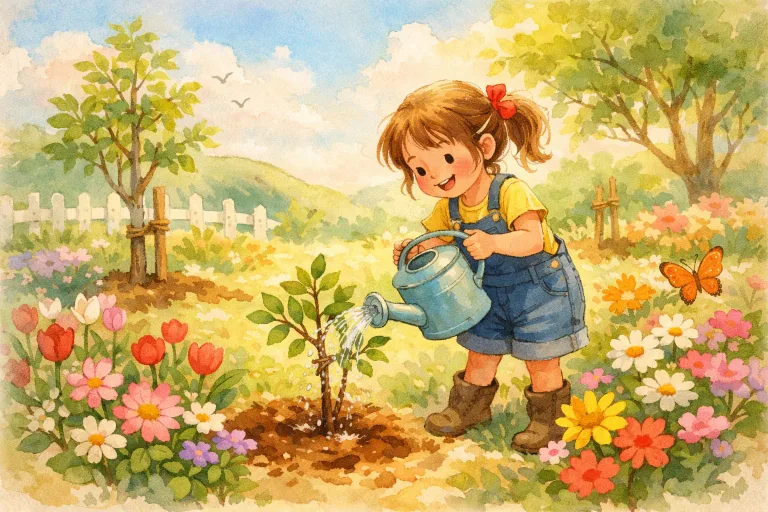
- Plant a Seed: Grow a classroom or family plant. Track its growth and talk about what it needs to thrive.
- Water Conservation Chart: Make a chart of ways to save water at home and school. Challenge everyone to try at least one idea for a week.
- Story Illustration: Invite children to draw their favorite scene or character from one of the stories. Display the art for Earth Day!
Looking for more story-based activities? Free Downloads: 5 Printable Moral Stories With Comprehension Questions includes ready-to-use resources.

Nurturing Environmental Values Beyond Earth Day
Earth Day is a wonderful moment to spark eco-friendly habits, but these lessons last all year. Here’s how to encourage ongoing stewardship:
- Model mindful choices: Let children see you recycling, reusing, and conserving.
- Make it fun: Turn clean-ups, planting, or nature walks into games or family traditions.
- Connect with animals: Read more Animal Stories for Kids, visit a nature center, or volunteer together.
- Celebrate progress: Praise small efforts and talk about positive changes you notice in your community.
Stories can change hearts and inspire action—one child, family, or classroom at a time. For more life lessons through storytelling, explore 10 Short Moral Stories for Kids Every Kindergarten Teacher Needs.
Let’s help our children become true Guardians of the Earth!
Continue Exploring Moral Stories
Discover animated moral stories, browse by category, or find age-appropriate reads for your family.
You May Also Like
Random Acts of Kindness: 7 Short Stories That Inspire Empathy
Discover seven heartfelt short stories that celebrate random acts of kindness, inspiring empathy and everyday compassion in children and families.
First Day Jitters: 5 Back-to-School Stories About Making New Friends
Ease first-day nerves with five back-to-school stories about making new friends, building confidence, and finding courage in new classrooms.
Thankful Hearts: 7 Beautiful Thanksgiving Stories for Children
Discover seven heartwarming Thanksgiving stories that teach children the true meaning of gratitude, kindness, and family togetherness.

The Gift of Giving: 5 Heartwarming Christmas Stories With Morals
Discover five heartwarming Christmas stories with meaningful morals that inspire kindness, generosity, and the true spirit of giving for families to enjoy together.