
4 Compromise Stories for Kids: Resolving Conflicts Peacefully

In our daily lives, disagreements are inevitable—whether at school, home, or among friends. The key to maintaining good relationships is learning how to find common ground. Compromise stories for kids serve as valuable lessons, demonstrating how patience, understanding, and willingness to meet halfway can turn conflicts into opportunities for cooperation.
Understanding why compromise matters helps children develop essential social skills that will serve them throughout life. When kids learn to negotiate and respect others' viewpoints, they grow into empathetic and fair-minded adults.
Below, you'll find four engaging moral stories that illustrate different aspects of compromise. Each story highlights a unique challenge and how a thoughtful resolution can lead to happiness and harmony.
Table of Contents
- Story 1: The Shared Toy
- Story 2: The Playground Game
- Story 3: The Garden Plot
- Story 4: The Classroom Project
Why Teach Kids About Compromise?
Teaching children about compromise helps them develop patience, empathy, and problem-solving skills. It encourages them to listen actively, value others’ opinions, and work towards solutions that benefit everyone involved. These stories serve as practical examples of how conflict resolution can be achieved through respectful dialogue and mutual understanding.
Now, let’s explore these stories that bring the concept of compromise to life.
Story 1: The Shared Toy
Once upon a time, in a small village, two best friends, Lily and Sam, loved playing with a shiny red bicycle. One sunny afternoon, Lily wanted to ride it, but Sam was also eager to have a turn. They both wanted to play at the same time, and soon, they started to argue.
Their parents watched from a distance and gently suggested, “Why don’t you find a way to share the bicycle?” Lily and Sam looked at each other, thinking. Lily said, “Maybe I can ride for ten minutes, then Sam can have a turn.” Sam nodded happily, “That’s fair!”
They agreed to take turns, and soon, they were both smiling as they enjoyed the bike together. They learned that sharing and taking turns is a good way to enjoy what they love without fighting.
Moral: Sharing and taking turns is a fair way to solve disagreements.
Talk About It
- How did Lily and Sam solve their problem?
- Can you think of a time you had to share something?
- Why is sharing important?
Read more about kindness and sharing moral stories
Story 2: The Playground Game
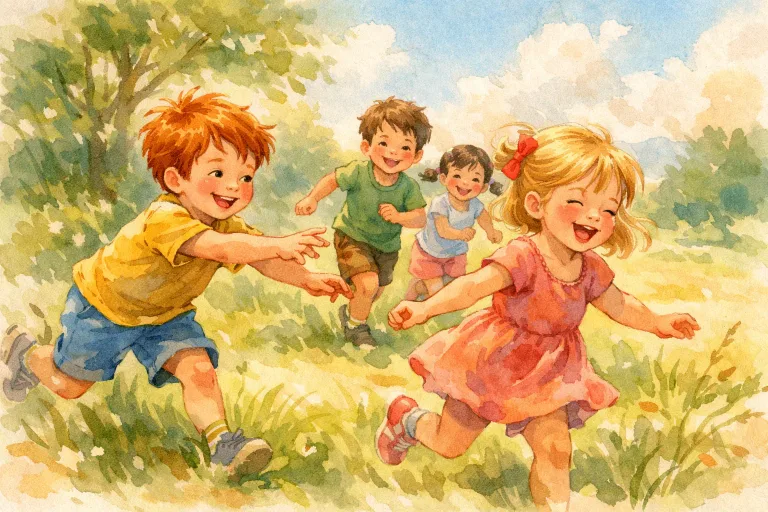
At the school playground, a group of children loved to play tag. Emma and Noah both wanted to be ‘it’ at the same time, and they started to argue over who should go first. Their teacher, Mrs. Lee, saw the disagreement and stepped in.
She suggested, “Why don’t you decide by playing a quick game of rock-paper-scissors?” Emma and Noah agreed, and they played. Emma won, so she got to be ‘it’ first. Noah smiled and said, “Okay, I’ll be next!”
By finding a simple way to decide fairly, Emma and Noah avoided a quarrel and learned that sometimes, a small compromise or game can settle disagreements peacefully.
Moral: Fair methods help solve conflicts without arguments.
Talk About It
- What did Emma and Noah do to decide who was ‘it’?
- Have you ever used a game or a fun way to settle a disagreement?
- Why is it good to find fair ways to decide?
Discover more conflict resolution stories
Story 3: The Garden Plot
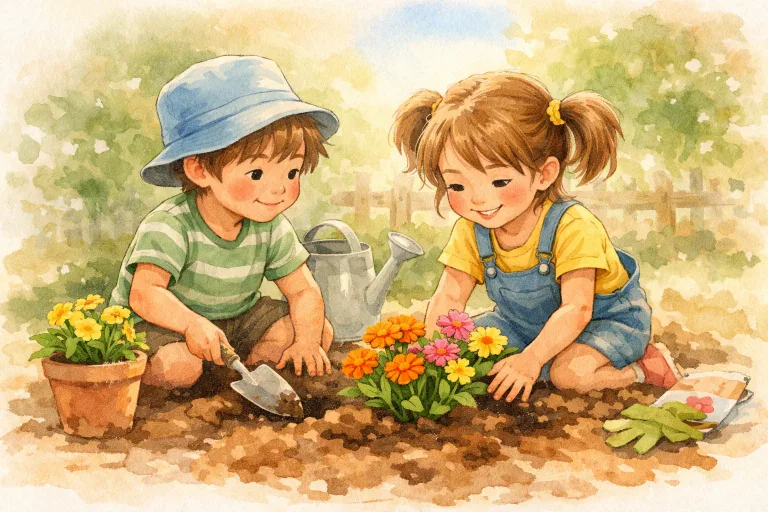
In a quiet neighborhood, two children, Mia and Lucas, both wanted to plant flowers in the same small garden patch. Neither wanted to give up their idea, and they started to argue about who should get the space.
Their mother suggested, “Why don’t you both plant different flowers side by side? You can share the garden and both have your favorite flowers.” Mia and Lucas thought about it and agreed. They worked together, planting colorful flowers on either side.
By compromising, they turned a small disagreement into a beautiful garden where both could enjoy their favorite flowers. They realized that working together makes everything more beautiful.
Moral: Compromise and cooperation lead to better results.
Talk About It
- How did Mia and Lucas solve their problem?
- How can working together be better than arguing?
- Have you ever shared a garden or a space with a friend?
See more stories about teamwork and cooperation
Story 4: The Classroom Project
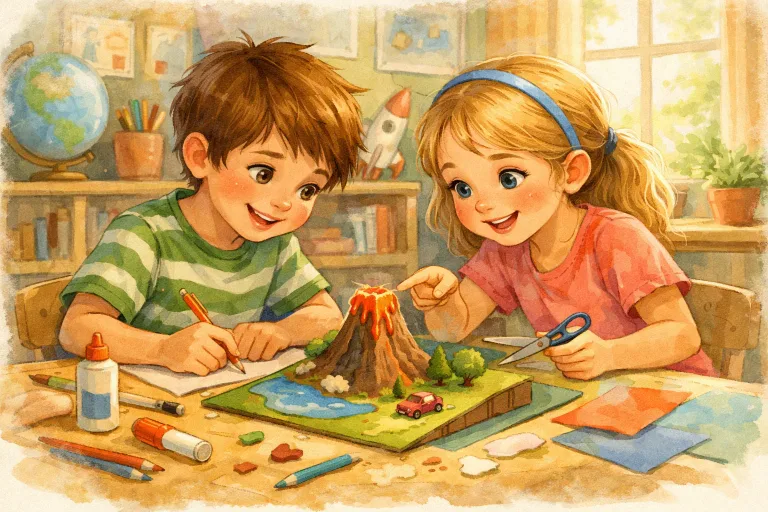
Mrs. Carter assigned her class a project: each group had to create a poster about animals. Two classmates, Emma and Jake, both wanted to do the drawing, but they couldn’t decide who should go first.
Instead of fighting, they decided to split the work. Emma would do the drawing, and Jake would write the facts. They agreed that sharing the tasks would make their poster better. When they finished, they were proud of their teamwork.
They learned that sharing responsibilities and working together can produce wonderful results, and it’s often better than arguing about who does what.
Moral: Working together and sharing tasks lead to success.
Talk About It
- How did Emma and Jake handle their disagreement?
- Why is teamwork important?
- Have you ever shared a project with a friend?
Read more about responsibility stories for kids
Conclusion
Teaching kids the value of compromise through stories and everyday examples helps them develop essential social skills. When children learn to negotiate, share, and work together, they build friendships based on respect and understanding. These stories serve as gentle reminders that resolving conflicts peacefully is a skill worth mastering.
Remember, every disagreement is an opportunity to teach kindness, patience, and teamwork. By guiding children through stories about compromise, parents and teachers help nurture empathetic and collaborative individuals.
Happy storytelling and conflict resolving! For more inspiring tales, explore our [short moral stories for kids] and [cooperation stories for kids].
Practical Takeaways for Parents and Teachers
- Encourage children to express their feelings and listen to others.
- Teach them simple conflict resolution methods, like taking turns or playing decision-making games.
- Reinforce the idea that compromise often leads to better outcomes than stubbornness.
- Use stories and role-playing to help children practice resolving conflicts peacefully.
Continue Exploring Moral Stories
Discover animated moral stories, browse by category, or find age-appropriate reads for your family.
You May Also Like
Navigating Peer Pressure: 5 Impactful Moral Stories for Teenagers
Explore five meaningful stories for teens that reveal how to handle peer pressure, stay true to values, and make courageous choices.

8 Gossip Stories for Kids: The Danger of Spreading Rumors
Gossip can hurt feelings and break trust. Learning to share kindly and respect others' secrets helps build stronger, happier relationships.
5 Peer Pressure Stories for Kids: Resisting Bad Influence
Discover 5 inspiring peer pressure stories for kids that teach how to say no, stand firm, and uphold personal values. Empower children to resist negative influences.