The Tale of the Spendthrift - English Moral Story
The Spendthrift and the Swallow
There was once a young man who loved spending money as if his purse could never grow empty.
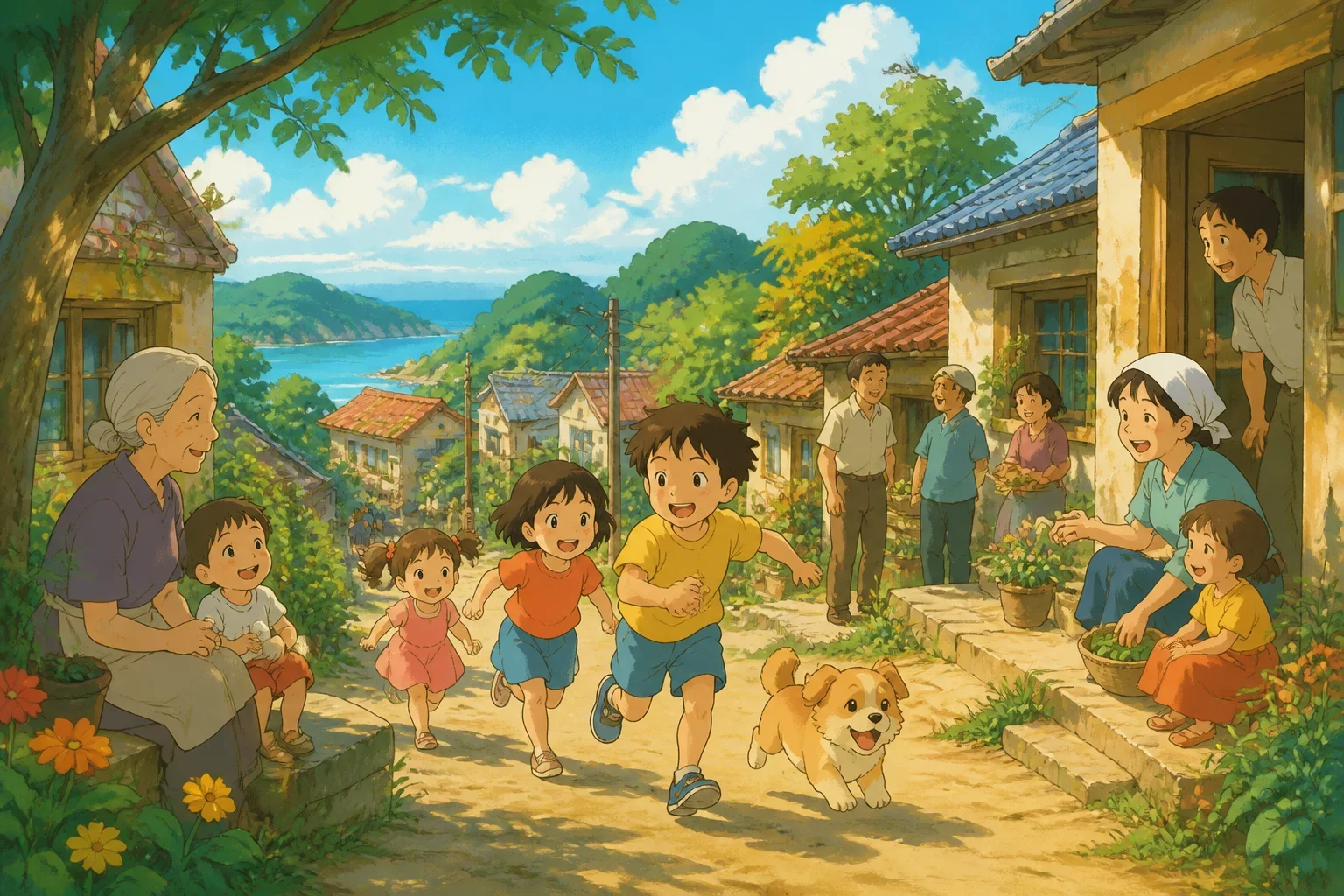
If he had a silver coin in the morning, it was gone by noon. He bought sweet cakes dusted with sugar, bright ribbons he did not need, and little shiny things that caught his eye for only a moment. He laughed easily, walked lightly, and always said the same thing:
"Tomorrow will take care of itself."
The old shopkeepers shook their heads when they saw him coming. The baker smiled as he wrapped another honey bun. The toy seller rubbed his hands with delight. But the wiser villagers often whispered, "He spends spring as if winter will never come."
The young man paid them no mind.
One year, winter had been long and bitter. The wind had rattled shutters, the fields had slept under frost, and even the river had worn a skin of ice. So when the first soft days of spring arrived, everyone in town noticed. Doors opened. Children ran barefoot in the grass. Women spread blankets in the sun. Men stood in the square and lifted their faces to the warmth.
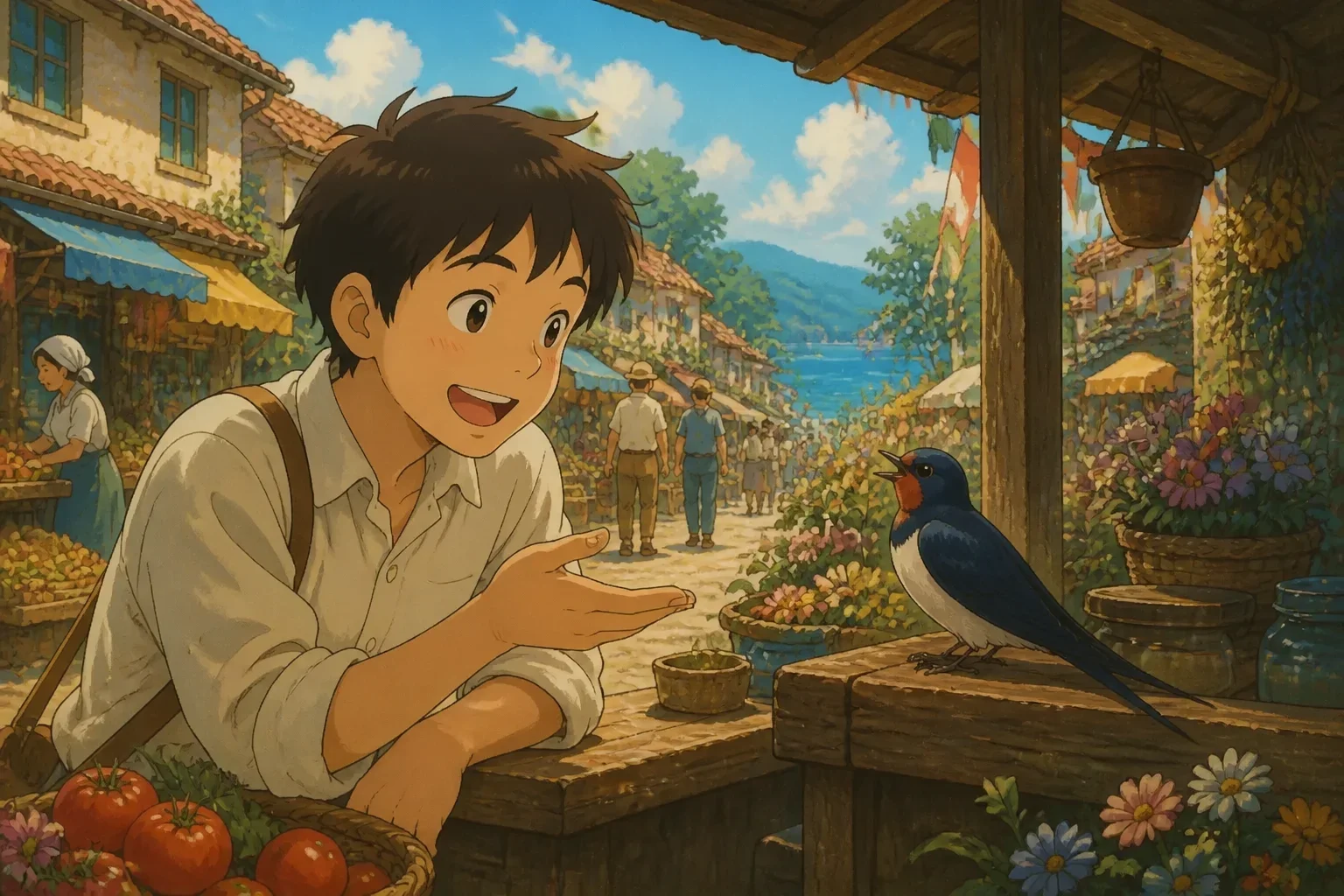
And one morning, as the spendthrift strolled outside in his thin coat, he saw a swallow darting through the sky.
Its wings flashed blue-black in the sunlight. It swooped over the rooftops, turned in a quick silver curve, and vanished beyond the mill.
The young man stopped short.
"A swallow!" he cried. "Spring is truly here! Warm days have come at last!"
He clapped his hands with delight. In his excitement, he forgot the cold weeks that often returned before the season truly changed. He forgot the sharp winds of early spring and the nights that still bit like winter.
Most of all, he forgot that his purse was nearly empty.
"What use have I now for this old winter cloak?" he said, pulling at the wool around his shoulders. "Why keep heavy things for cold that has surely gone?"
So he hurried to market and sold his cloak for a few coins.
With the money, he bought himself roasted nuts, sugared figs, and a bright feathered cap that made him feel grand. He whistled as he walked home, pleased with his cleverness.
"I knew it," he said to himself. "Others worry too much. I know how to enjoy life."
But that very night, the sky changed.
Clouds rolled in thick and gray. The wind rose with a mournful sound around the houses. By morning, the soft sunshine had vanished. The air turned cruel and cold. Frost clung again to the grass. People shut their doors and pulled their cloaks close.
The spendthrift stepped outside and gave a gasp.
The cold struck him at once.
He wrapped his arms around himself and shivered from head to toe. His thin clothes were no match for the bitter wind. He ran to the places where he had spent his money, but roasted nuts could not warm him, and the feathered cap did nothing to keep out the cold.
Then, as he stood miserable beneath a bare tree, he saw the swallow again.
The little bird was flying low, weakly, as if the sudden cold had stolen its strength. It had come too early, fooled by one warm day, just as he had been.
The spendthrift looked up in surprise.
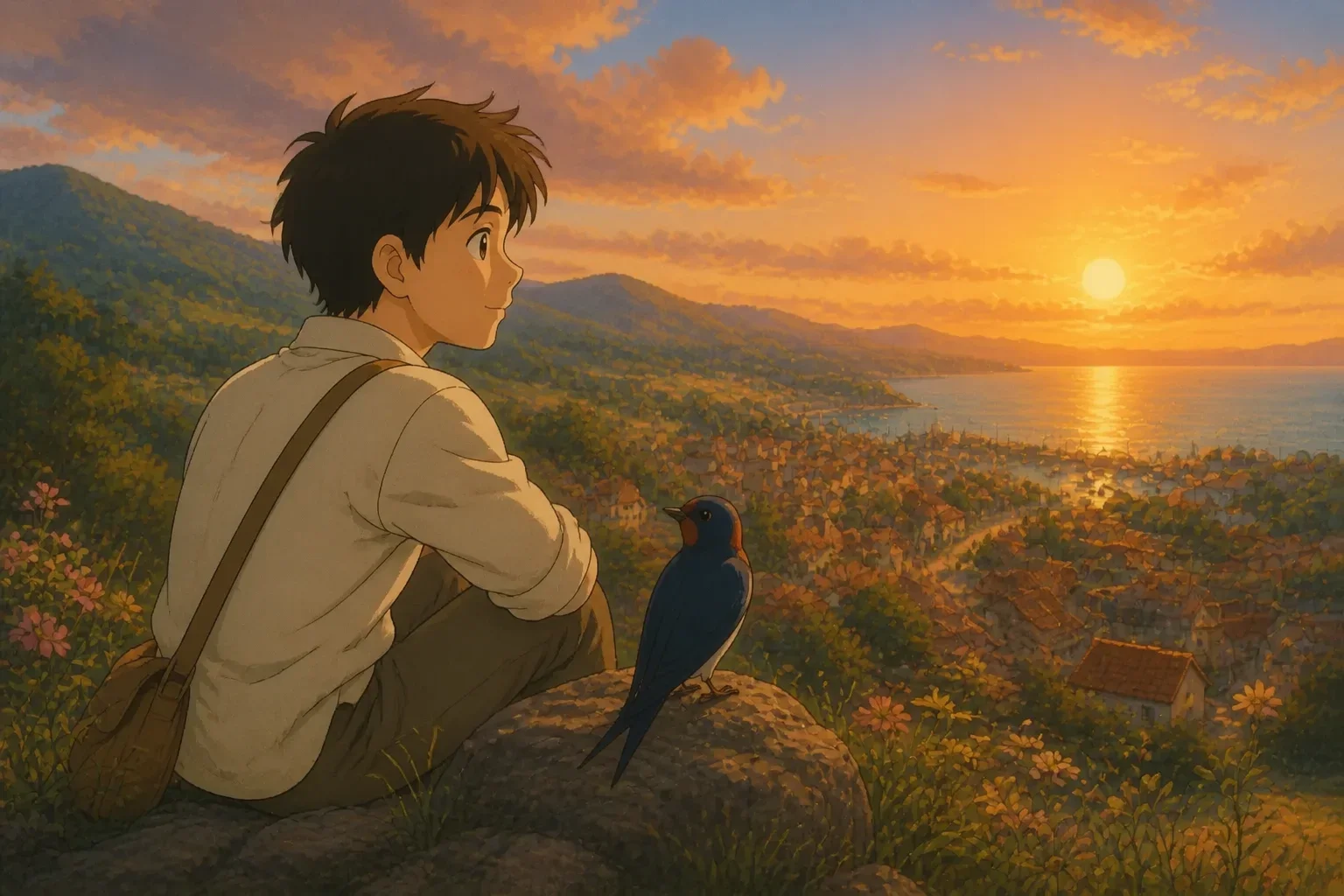
"Poor swallow," he murmured. "You thought spring had come for good. And so did I."
The swallow fluttered onto a branch, puffed its feathers against the cold, and sat trembling in the wind.
For the first time, the young man did not laugh at his own mistake. He did not call himself clever. He did not blame the weather.
Instead, he lowered his head and said quietly,
"I sold what I still needed because I judged too soon. I spent my money foolishly because I thought only of the moment. Now I suffer for it."
The icy wind seemed to answer him.
He went home cold, hungry, and wiser than before.
From that day on, he learned not to let one cheerful sign make him forget good sense. He began to save a little when he had money. He kept what was useful instead of trading it away for passing pleasures. And whenever he saw a swallow in the sky, he remembered how easily people can be fooled when they act without thinking.
In time, he became known not as the foolish spendthrift, but as a man who had learned caution the hard way.
And that lesson stayed with him longer than any sweet cake, bright ribbon, or shiny trinket ever could.
Key Takeaways for Kids
- Do not make big decisions too quickly.
- One happy sign does not always mean everything has changed.
- Saving useful things can be wiser than spending for a moment of fun.
- Thinking ahead can protect you from trouble later.
Moral of the Story
Do not act too quickly or waste what you may soon need. Think before you decide.
Why This Moral Story Still Matters
This classic children's moral story reminds kids that excitement can sometimes lead to poor choices. Whether it is money, time, or something important we own, it is wise to pause and think before acting. That is one reason stories like The Spendthrift and the Swallow remain such meaningful moral stories for kids and bedtime reading.
Watch the Animated Story
Watch on YouTube
Related Stories
The Story of Socrates for Kids: A Moral Tale About Asking
The Story of Socrates Under the Olive Tree Long ago, in the busy city of Athens, there lived a man who did not wear a…
Lazy Donkey Who Finally Helped: A Moral Story on Hard Work
The Lazy Donkey Who Finally Helped In a sunny little village tucked between green hills and golden fields, there lived…
Bees and the Beetles: A Moral Story About Hard Work
The Bees and the Beetles On the edge of a bright summer garden stood a tall old hive, golden in the afternoon sun. From…

Emily the Celebrity| Inspiring Moral Story for Kids
Emily the Celebrity and the Girl With the Sketchbook In the city of Starville, everything seemed to sparkle. Billboards…