A Tale of Hope and Rain: Calming Bedtime Story (Silent Ghibli Style)
A Tale of Hope and Rain: A Gentle Bedtime Story About Patience and Hope
When the wells grow quiet and the fields turn pale, it can feel as if the whole world is holding its breath.
That was how it felt in Taro’s village.
Nestled between round green hills and a silver ribbon of road, the little village had once been full of bright sounds: splashing buckets, laughing children, frogs singing at dusk, and the soft rush of water in the brook. But month after month, no rain came. The brook became a thin line of stones. The rice fields cracked under the sun. Dust rested on the leaves like a tired sigh.
Even the wind seemed to whisper less.
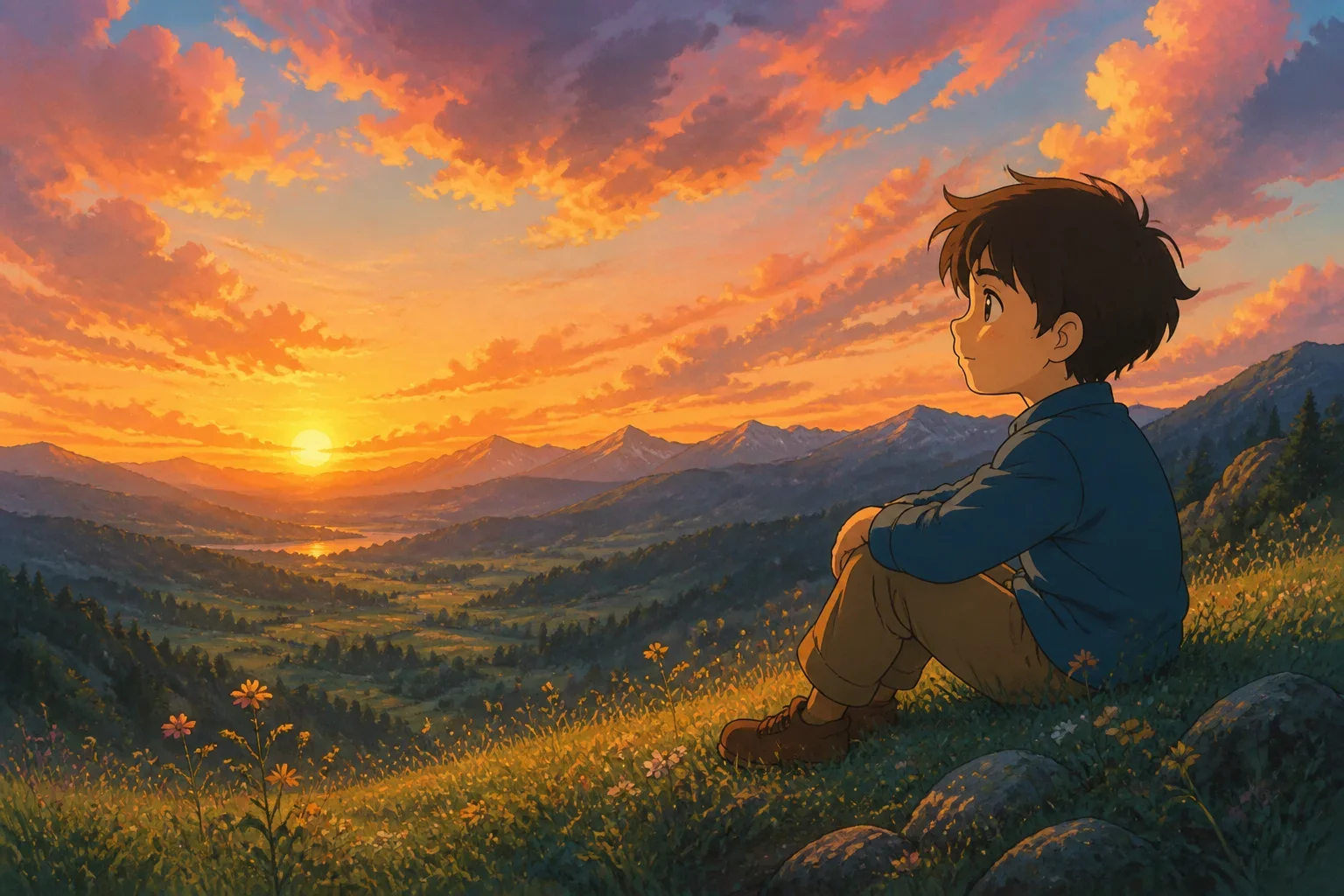
Yet every evening, when the sky turned apricot and violet, a young boy named Taro climbed the highest hill outside the village.
He would sit beneath a bent pine tree, pull his knees to his chest, and watch the sky.
He watched the clouds that did not stop. He watched the swallows gliding low. He watched the sunset melt into stars.
And every night, before going home, he said the same quiet words:
“Tomorrow might be the day.”
The Village That Stopped Looking Up
At first, the villagers had waited with hopeful faces. They had set out jars. They had studied the horizon. They had spoken of changing winds and lucky signs.
But as the dry weeks stretched into dry months, hope became harder to carry.
Mrs. Sora, who baked sweet bean buns, stopped humming while she worked. Old Man Kaito no longer sat outside carving toys from cedar wood. Children were told not to run too much, not to waste energy, not to ask when the rain would come.
People began to walk with their eyes on the ground.
One evening, as Taro sat on the hill, he heard footsteps in the grass.
It was Mei, his closest friend, carrying her straw hat in both hands.
She sat beside him without speaking for a while. Together they watched the sky darken slowly, like ink spreading in water.
Finally she whispered, “Taro… what if the rain isn’t coming?”
He turned to her. Mei’s brave face looked small in the fading light.
“What makes you say that?” he asked gently.
She pressed her lips together. “My mother counted the last jars of water today. My father says we must be practical. Everyone is tired of hoping.”
Taro looked back at the sky. For a moment, even he felt how big it was and how small one hopeful boy could be.
Then he smiled, not a loud smile, but a steady one.
“Maybe,” he said, “hope is exactly what tired people need most.”
Mei frowned a little. “But hope doesn’t make rain.”
“No,” Taro said. “But it helps hearts stay alive while we wait.”
A Small Idea in a Dry Season
The next morning, Taro woke to the same hot sunlight stretching across the floor.
He fetched water carefully, helped sweep the front step, and fed the chickens. But all day, Mei’s words stayed with him.
Hope doesn’t make rain.
That was true.
Still, Taro thought, perhaps hope could make something else.
By afternoon, he had an idea.
He found Mei by the old stone well.
“Come with me,” he said.
“To where?” she asked.
“To gather color.”
Mei blinked. “Color?”
Taro nodded. “The village looks too gray. Let’s remind everyone that dry days are not forever.”
They walked to the edges of the fields, where stubborn wildflowers still bloomed in tiny patches between rocks. They picked yellow daisies, blue bellflowers, and little white blossoms no bigger than raindrops. Mei began to smile despite herself.
Back in the shade of Taro’s porch, they tied the flowers into garlands with bits of twine.
“These won’t bring rain either,” Mei said, though now there was a teasing note in her voice.
Taro grinned. “No. But they might bring people outside.”
The Day the Village Heard Laughter Again
That evening, instead of going straight to the hill, Taro and Mei walked through the village square wearing flower garlands around their necks.
Taro carried a little bell. Mei clapped a gentle rhythm.
“Come join us!” Taro called. “Let’s make the village beautiful while we wait for the rain!”
At first, no one answered.
Curtains shifted. Doors cracked open. A few tired faces peeked out.
Then Mrs. Sora stepped into the lane, flour still dusting her apron.
“What are you two doing?” she asked.
“Remembering that the sky hasn’t taken everything,” said Taro.
Mei held up a garland. “Would you like one?”
Mrs. Sora looked at the flowers for a long moment. Then, very softly, she said, “I would.”
Soon, she was hanging blossoms across her bakery window.
A little boy from the next house ran out to help. Then his sister. Then three more children. Someone brought ribbons saved from a spring festival. Someone else brought paper lanterns from a shelf where they had gathered dust.
Old Man Kaito appeared last, leaning on his cane.
Taro hurried over. “Would you like to help decorate the square?”
Kaito huffed. “At my age?”
But his eyes had already softened.
Mei placed a garland in his hands. “You don’t have to climb anything,” she said. “You can tell us where it looks best.”
That made him chuckle.
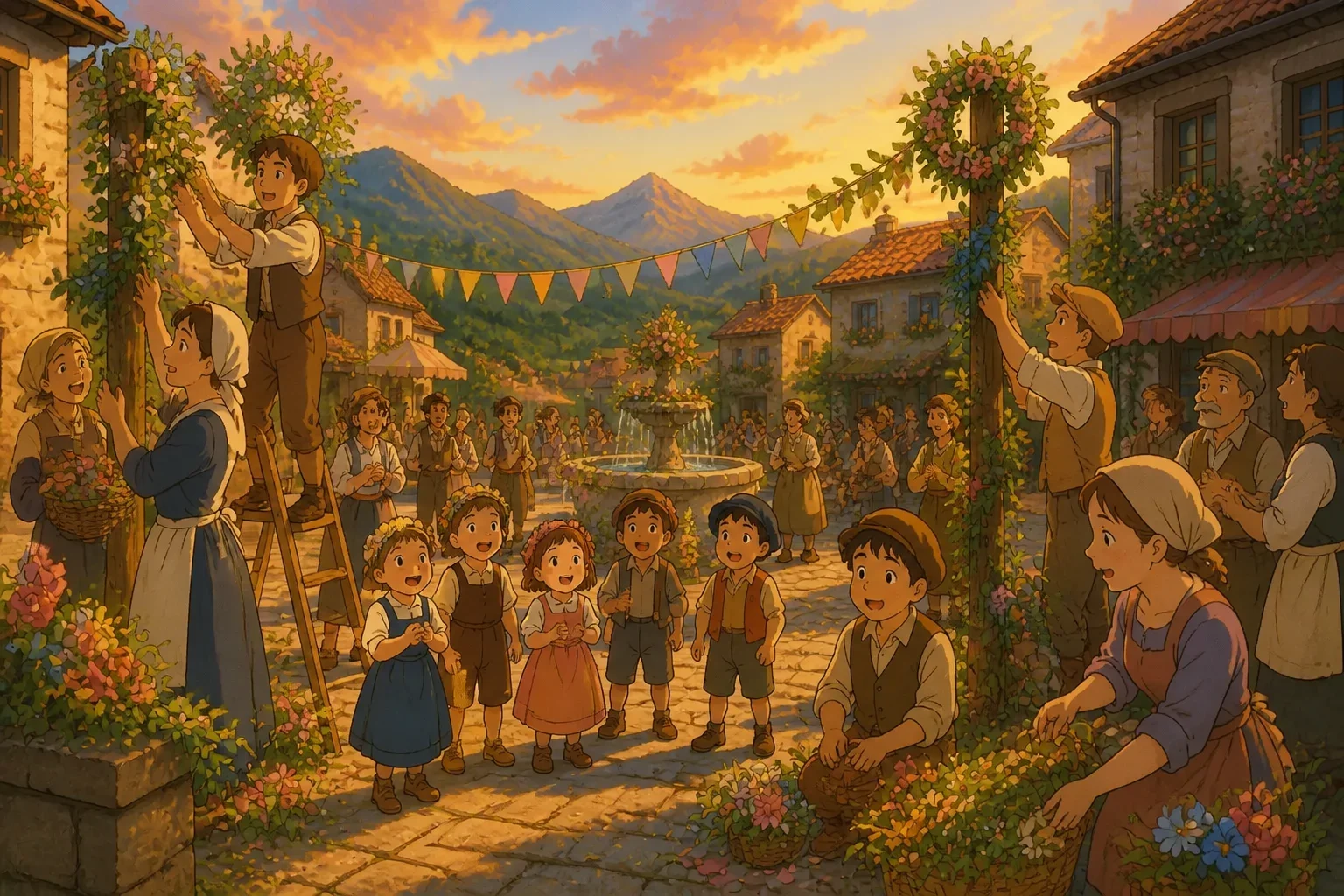
By sunset, the square had changed. Flowers draped from doorways. Lanterns swayed gently in the evening breeze. Someone began a song. Someone else joined in. Children spun in circles, and for the first time in many weeks, laughter rose into the warm air.
Taro looked around and felt something bloom inside him.
The rain had not come.
But neither had despair won.
Waiting With Brave Hearts
Days passed.
Then more days.
The sky remained wide and bright.
Still, something in the village had shifted.
People shared what they had more carefully and more kindly. Mrs. Sora baked smaller buns so everyone could have one. Old Man Kaito sat outside again and carved tiny wooden birds for the children. Mei’s father repaired cracked buckets for neighbors. In the evenings, families gathered in the square instead of hiding in their homes.
And every night, Taro still climbed the hill.
Sometimes Mei joined him.
Sometimes they talked. Sometimes they listened to crickets. Sometimes they said nothing at all.
One night Mei asked, “Do you ever feel scared?”
Taro answered honestly. “Yes.”
“Then why do you still sound hopeful?”
He thought for a moment.
“Because being scared and being hopeful can live in the same heart,” he said. “Hope just tells fear not to take up all the room.”
Mei tucked that thought away like a treasure.
The First Drop
Then, one evening, something was different.
The air felt cooler. The wind smelled deep and rich, like turned soil and faraway forests. The pine needles above Taro’s head began to tremble.
Mei stood up so quickly her hat slipped into the grass.
“Taro,” she whispered.
On the horizon, clouds were gathering. Not thin white clouds that drifted away by morning, but great blue-gray clouds, heavy and slow, rolling over the hills like a secret finally arriving.
The two children stared.
Then Taro leaped to his feet.
“Mei! Call everyone!”
They ran down the hill, sandals kicking up dust, voices ringing through the lanes.
“Come see!” “The clouds are here!” “Quick, to the hill!”
Doors flew open. Lanterns bobbed. The whole village climbed together, old and young, breathless and wide-eyed.
Above them, the sky rumbled softly.
No one spoke.
Then Taro felt it.
A cool drop landed in the center of his palm.
He stared at it, shining there like a tiny pearl.
Another drop kissed Mei’s cheek. Then another touched Old Man Kaito’s nose.
For one suspended moment, the village stood perfectly still.
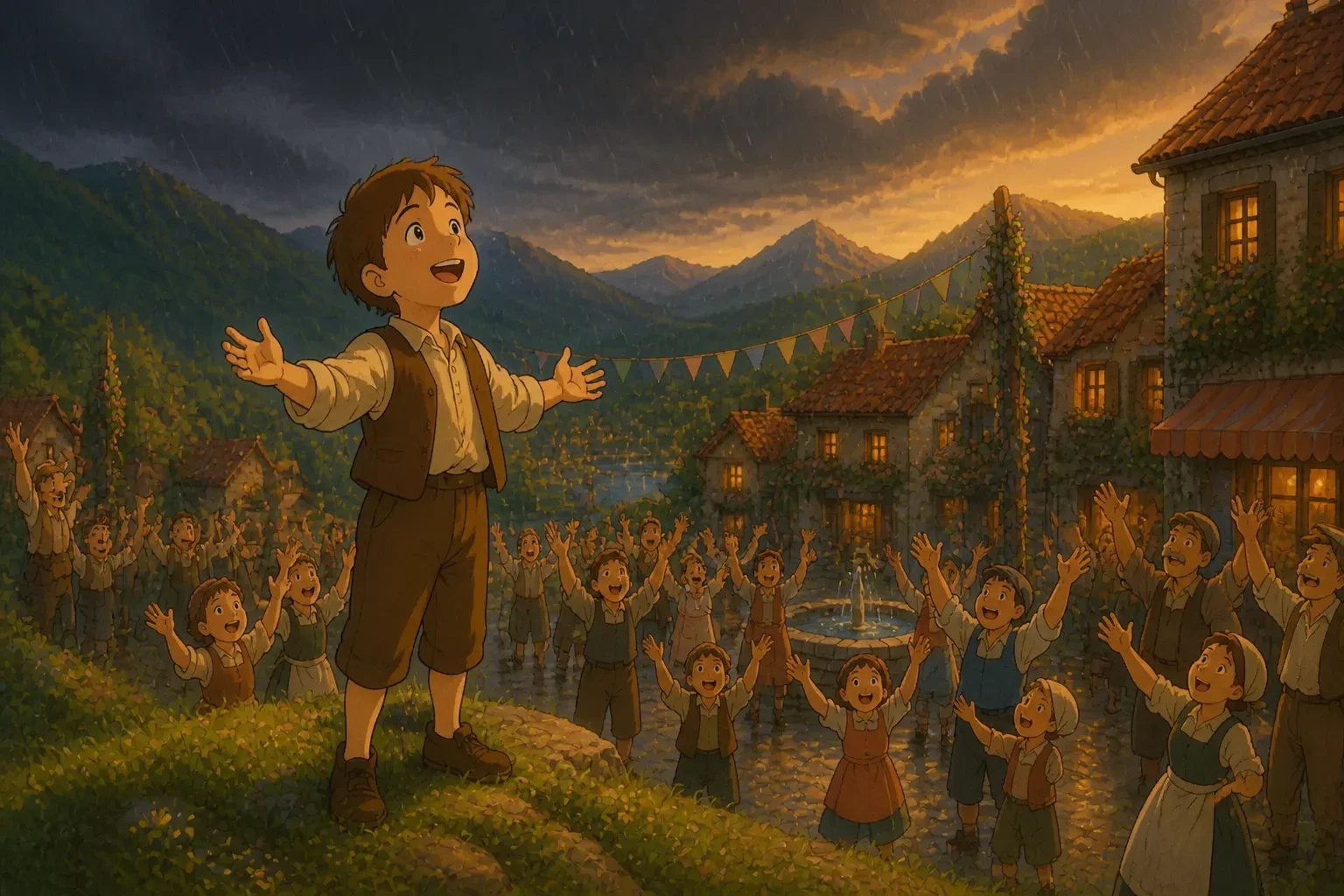
And then the rain came.
Not in a wild storm, but in a steady silver curtain, gentle and full. It tapped on rooftops, darkened the thirsty earth, filled the air with the sweet scent of dust turning to mud. The fields drank deeply. The stones in the brook began to glisten.
Children shrieked with joy and danced barefoot in the rain. Mrs. Sora laughed so hard she cried. Old Man Kaito lifted his face to the sky and let the drops soak his white hair.
Mei spun in a circle, arms wide. “It came back!” she shouted.
Taro stood in the middle of the hill, rain running down his cheeks, smiling up at the clouds.
He had not brought the rain.
But he had helped his village keep its heart open long enough to welcome it.
After the Rain
By morning, the village looked changed.
Tiny puddles mirrored the sky. The brook whispered again over its stones. Leaves looked greener, roofs looked shinier, and the fields, though still waiting for new growth, no longer seemed lonely.
As Taro and Mei walked through the square, they saw the flower garlands drooping wetly from the eaves.
Mei laughed. “Our decorations are ruined.”
Taro shook his head. “No,” he said. “They did their job.”
Old Man Kaito, passing by with a carved bird tucked in his pocket, overheard them.
He smiled. “The flowers reminded us how to wait together,” he said. “That is no small thing.”
Mei looked at Taro, and this time her smile held no doubt.
That evening, when the sky glowed soft and clean after the storm, Taro climbed the hill once more.
Only now he did not go alone.
Behind him came Mei, Mrs. Sora, Old Man Kaito, and many others from the village.
They sat together beneath the pine tree and watched the clouds drift peacefully across the fading gold light.
No one needed to say much.
The hill no longer felt like a place for lonely waiting.
It had become a place for shared hope.
Key Takeaways for Kids
- Hope helps us stay strong during hard times.
- A cheerful heart can lift other people too.
- Even small acts of kindness can brighten a whole community.
- Being patient does not mean giving up.
- It is possible to feel afraid and still choose hope.
Moral of the Story
Even in the driest times, hope can keep hearts alive until better days return.
Why This Bedtime Story Resonates
This gentle moral story for kids offers a calming bedtime read with soft imagery, comforting emotions, and a reassuring message. Children can see that patience, resilience, and kindness matter most when life feels uncertain. Taro’s story reminds young readers that hope may begin with just one person, but it can spread warmly to everyone around them.
Watch the Animated Story
Watch on YouTube
Related Stories
The Three Little Pigs Story: A Bedtime Moral Tale About Hard
The Three Little Pigs: A Bedtime Story About Hard Work, Courage, and Teamwork On the edge of a bright green meadow,…
The Three Little Pigs Bedtime Story About Hard Work
The Three Little Pigs On the edge of a sunny meadow, where daisies nodded in the breeze and crickets sang at dusk,…
The Forest Spirit’s Gift: A Bedtime Story About Hope
The Forest Spirit’s Gift: A Gentle Story About Hope and Kindness By the end of summer, the village of Eldergrove no…
Loyal Dog in the Rain: A Moral Story About Loyalty
The Loyal Dog in the Rain The rain began with a whisper. It tapped lightly on the windows of Timmy’s cottage, then…
The Bakery Kitten Story: A Tale of Kindness, Bravery, and
The Bakery Kitten: A Short Moral Story about Kindness and Courage Before the sun rose over the village, the bakery…
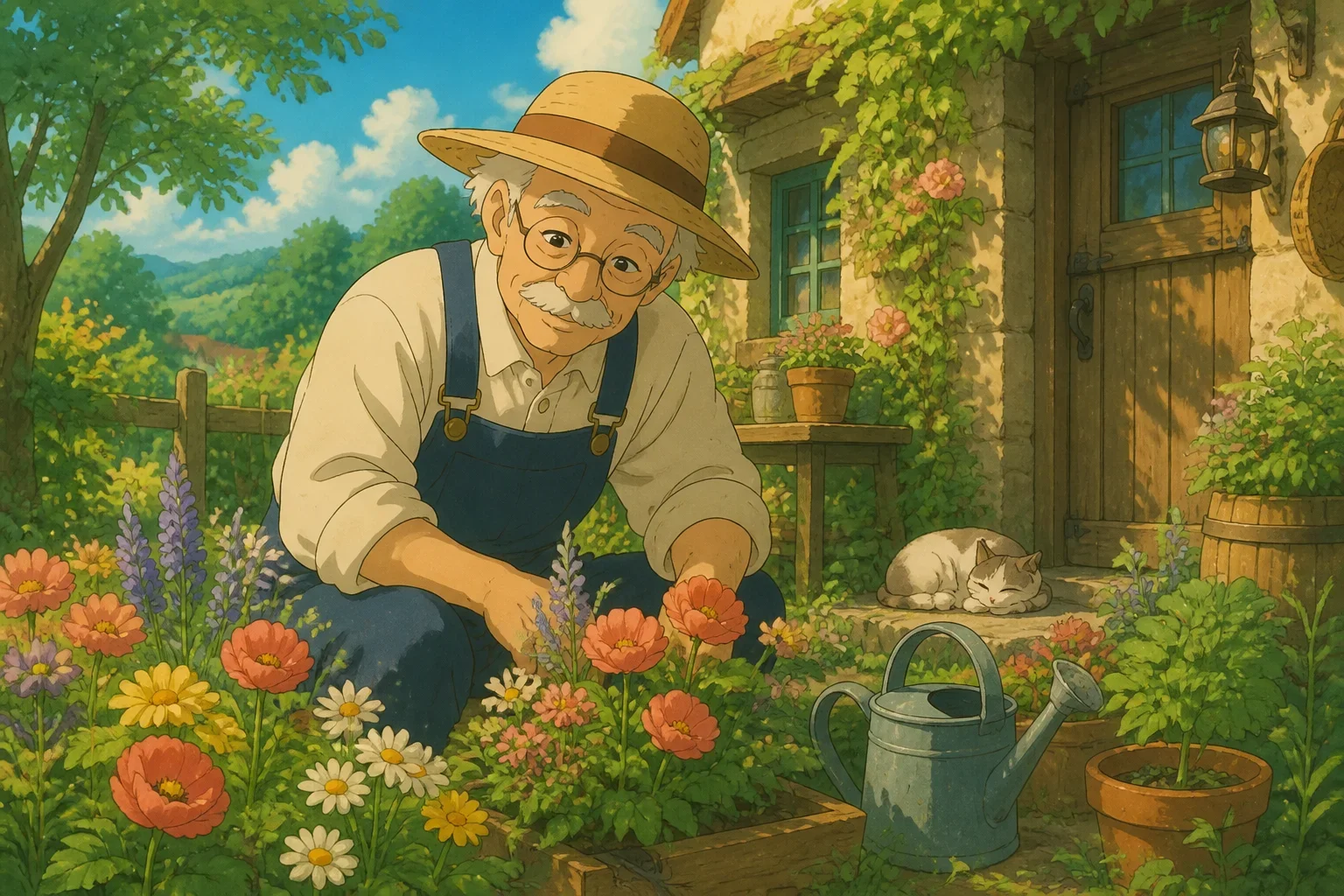
Power of Small Deeds: A Kindness Story for Kids About How
The Power of Small Deeds: A Gentle Kindness Story for Kids In a little town tucked between green hills and a…
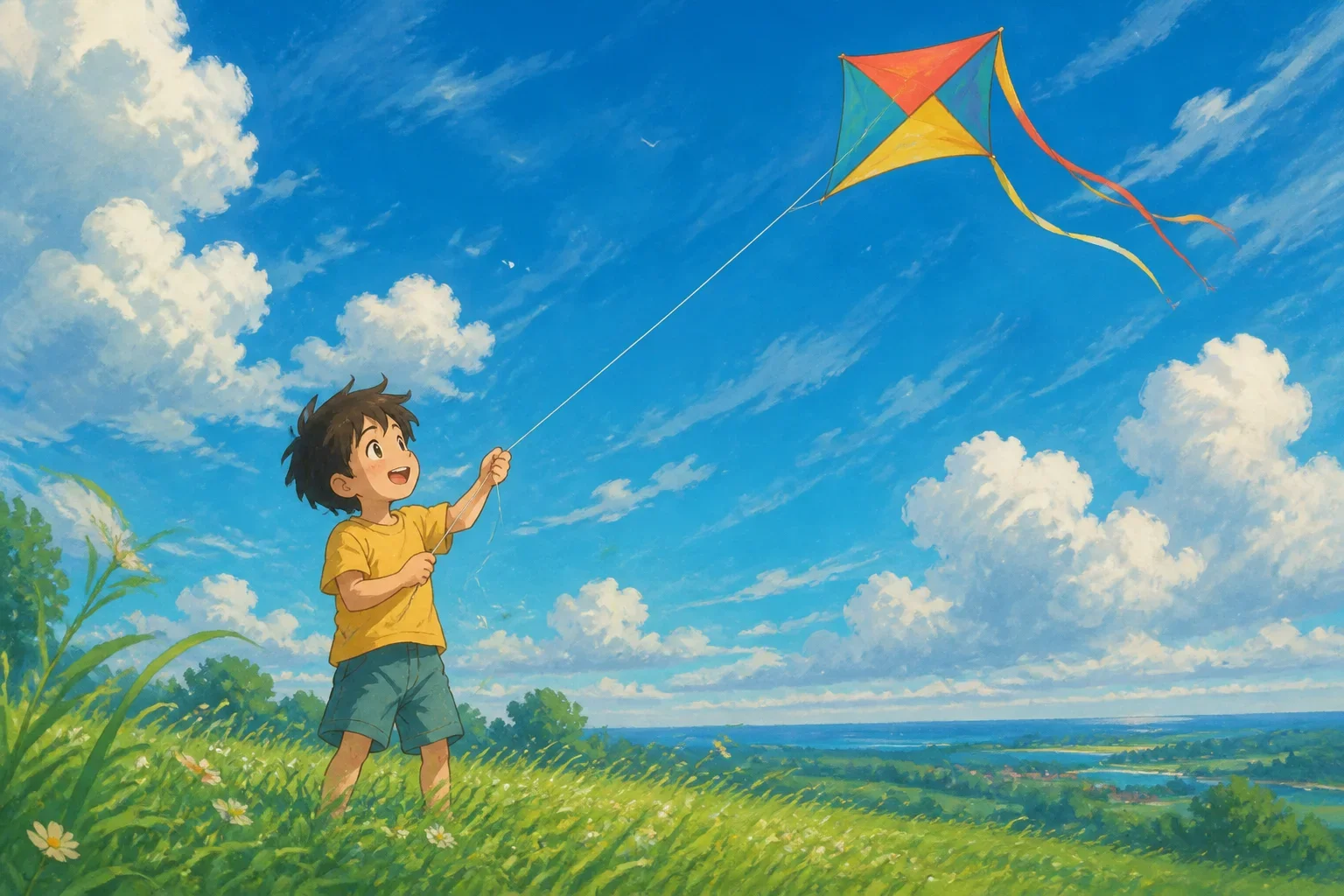
Broken Kite: A Gentle Story for Kids About Helping Others
The Broken Kite On the windiest hill outside Breezy Hollow, children liked to say the sky came down low enough to play.…
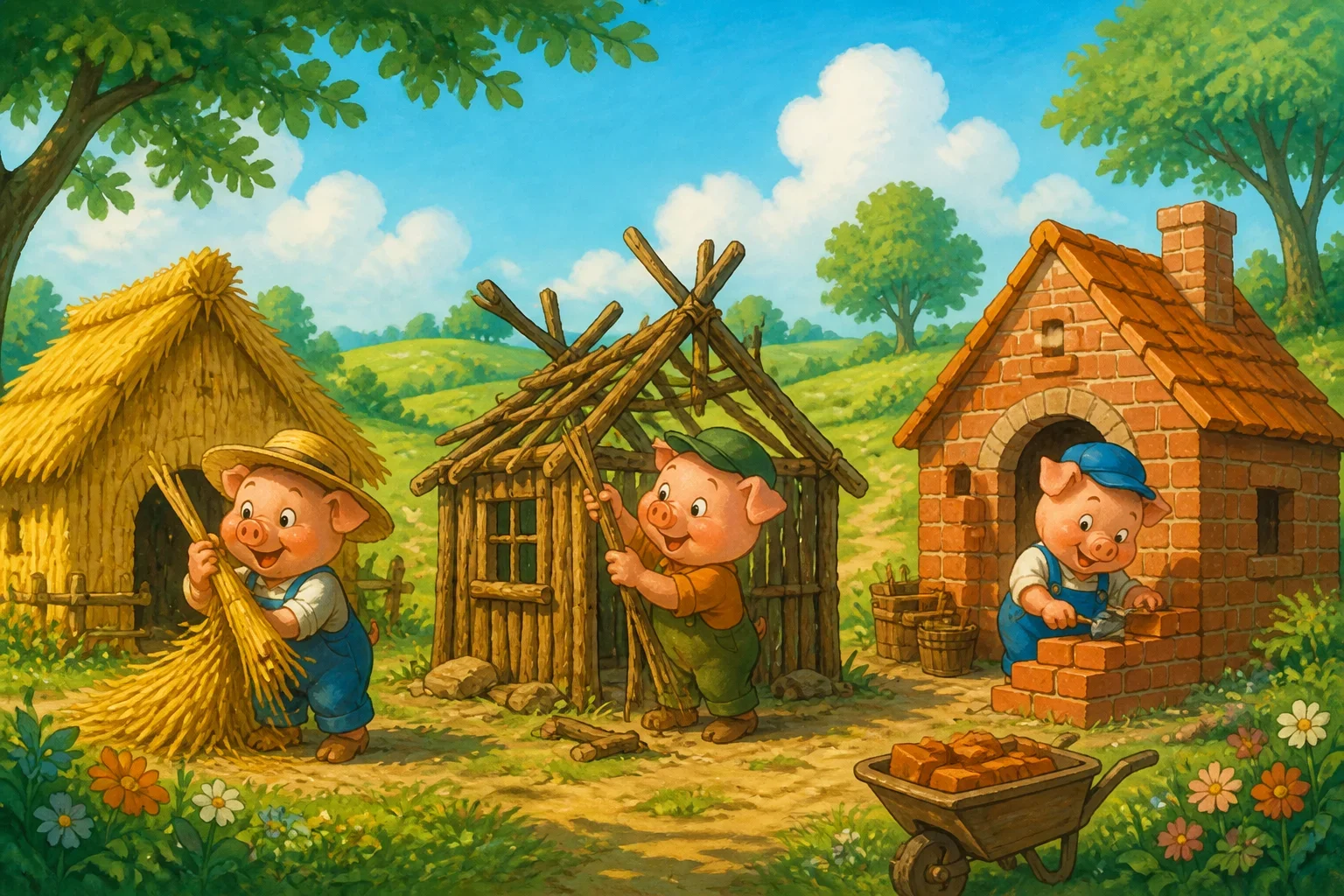
The Three Little Pigs Moral Story on Hard Work and Planning
The Three Little Pigs: A Classic Moral Story About Hard Work On the edge of a green meadow, where buttercups nodded in…
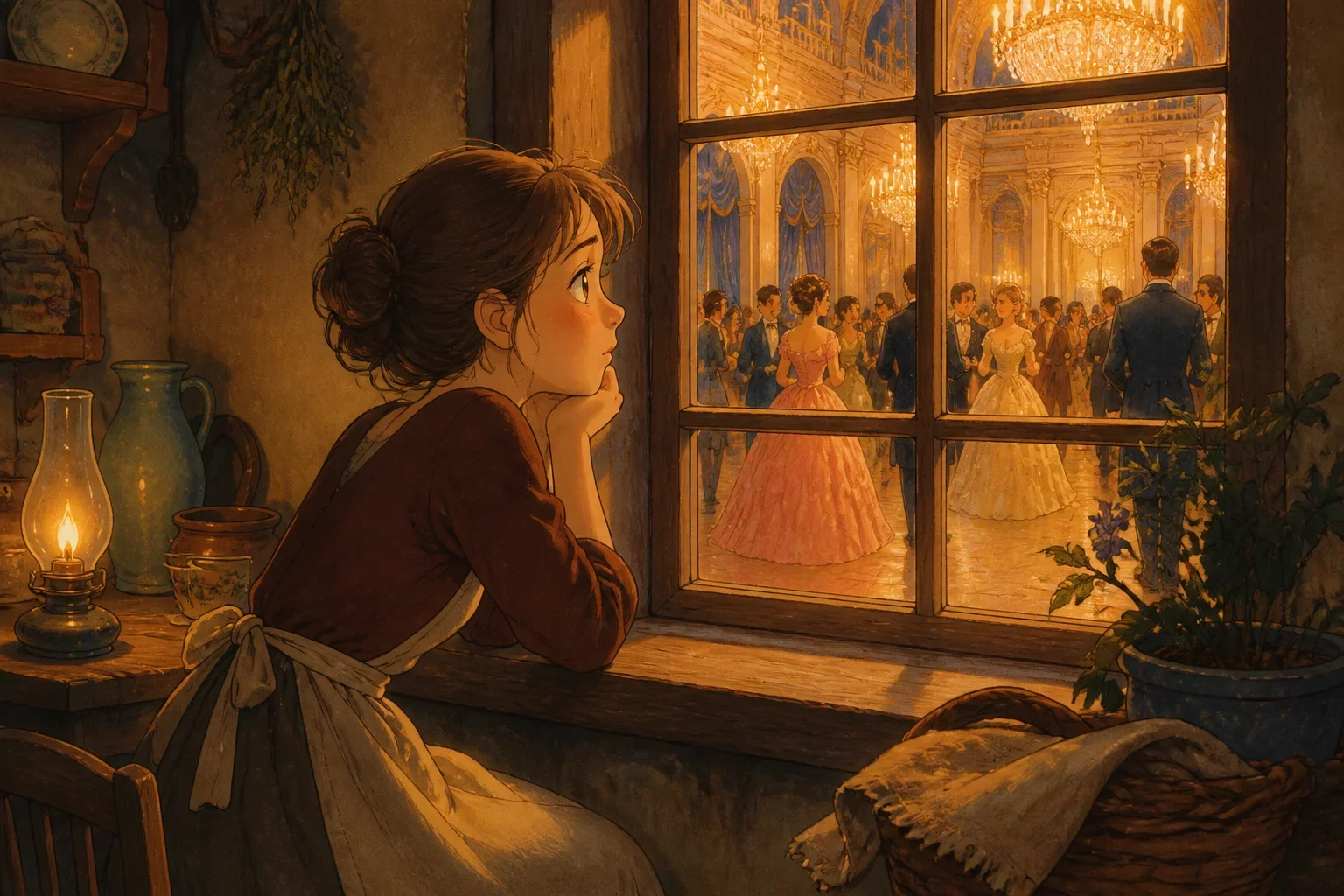
The Necklace Story: A Powerful Moral Tale About Honesty and
The Necklace: A Classic Moral Story for Kids and Teens Some people dream of castles. Some dream of crowns. Mathilde…
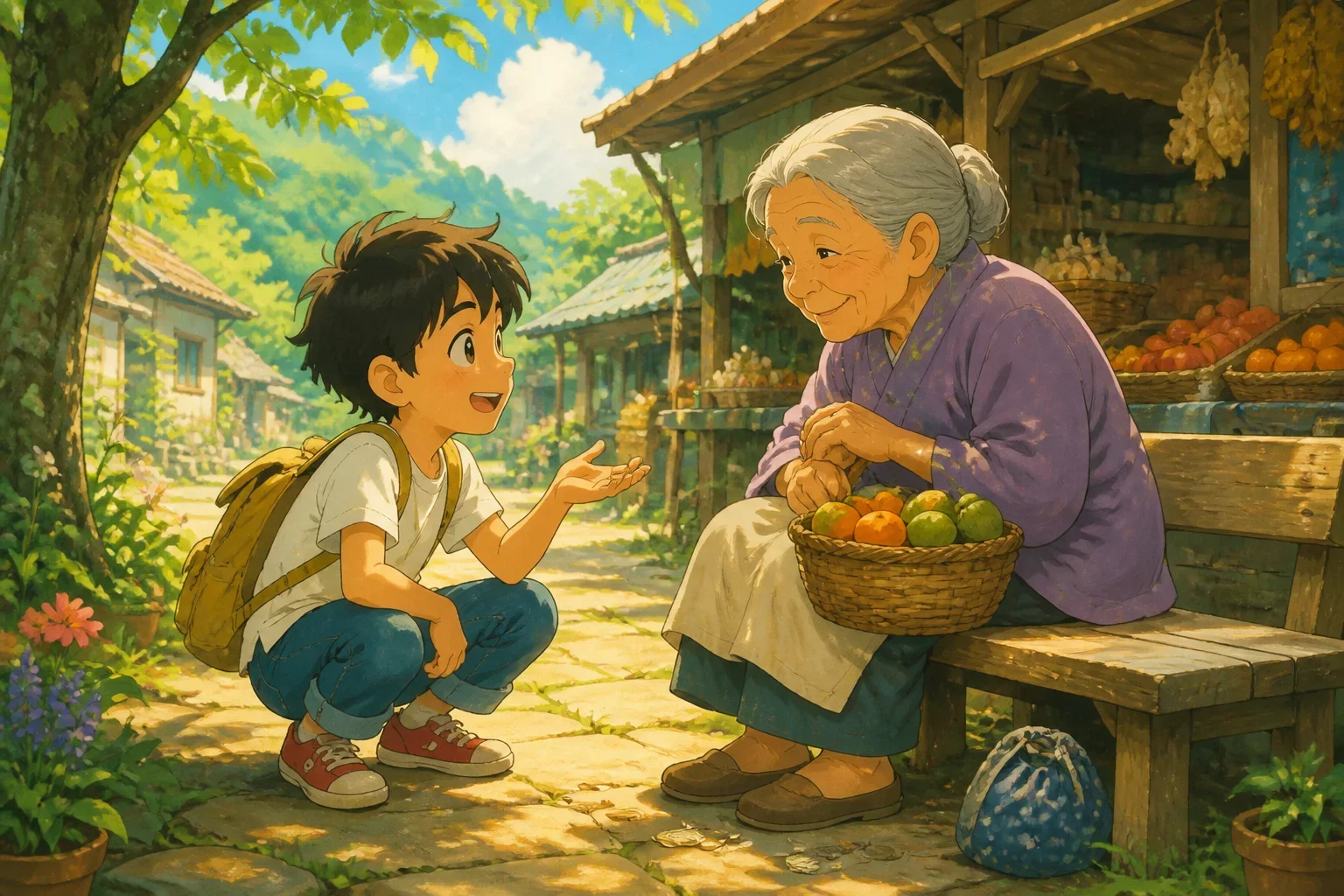
Jack and the Lost Coins: An Honest Bedtime Story for Kids
Jack and the Lost Coins On the edge of a quiet village, where white geese waddled across dusty lanes and sunflowers…